 Veda Tour
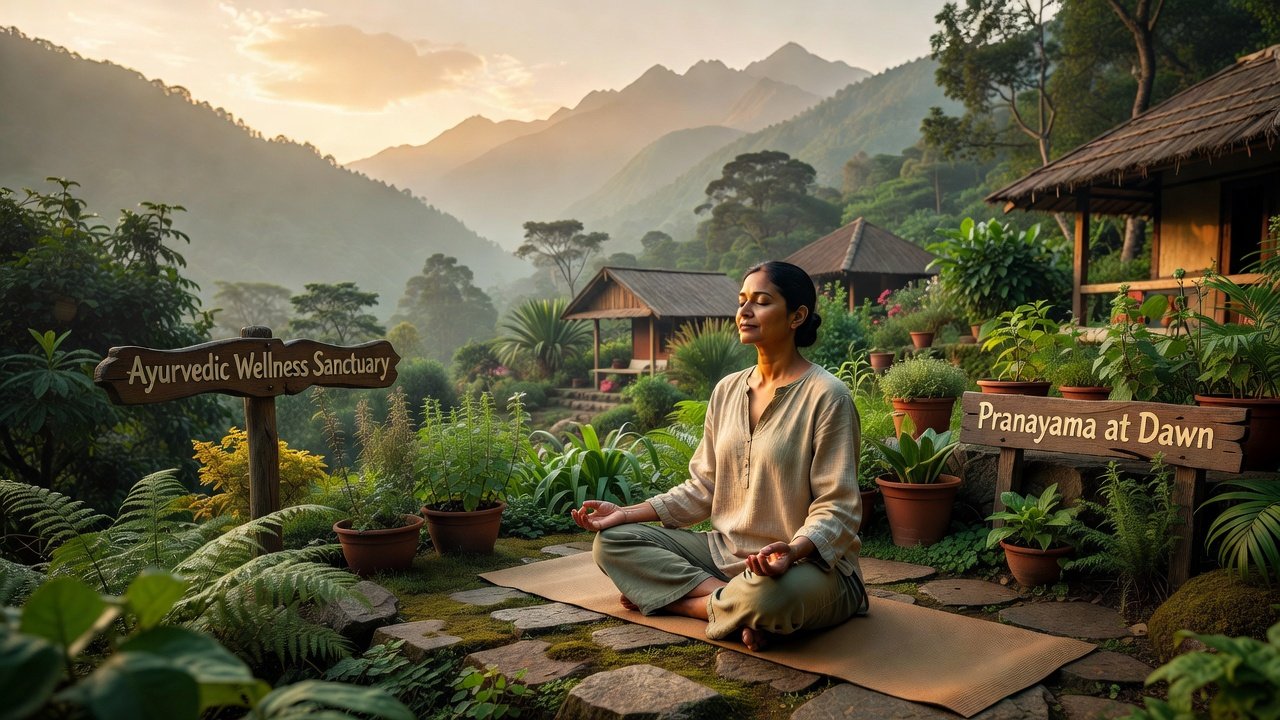
Introduction to Ayurvedic Breathwork for Modern Wellness Travelers
Wellness trips in 2026 emphasize holistic approaches to combat stress from travel, jet lag, and high-pressure schedules. Ayurvedic breathwork, known as pranayama, offers targeted techniques rooted in ancient Indian medicine to balance the doshas—Vata, Pitta, and Kapha. These practices help travelers achieve measurable benefits such as reduced anxiety, improved mental clarity, and faster recovery from time zone changes. Unlike generic breathing exercises, Ayurvedic methods are personalized, making them ideal for wellness journeys focused on sustainable healing. As global interest in mind-body wellness grows, more travelers are turning to these time-tested methods to enhance their experiences at retreats and destinations worldwide. Pranayama works by regulating the flow of prana, or life force, through controlled breathing. Research from institutions like the National Institutes of Health supports its role in lowering cortisol levels and enhancing parasympathetic nervous system activity. This makes it particularly valuable for frequent flyers seeking natural alternatives to pharmaceutical aids during extended journeys.
Understanding Doshas and Tailored Breathing Sequences
Ayurveda identifies three doshas that influence individual responses to stress. Vata types often experience anxiety and restlessness during travel, Pitta individuals may face irritability or inflammation, and Kapha personalities tend toward lethargy and congestion. Selecting the right pranayama sequence ensures optimal results on wellness trips. For example, a Vata-dominant professional traveling across continents might notice increased dryness and worry, while a Pitta executive could struggle with overheating in tropical climates. Understanding your primary dosha through simple self-assessment quizzes available at many retreats allows for precise technique selection, leading to quicker stress relief and better adaptation to new environments.
Calming Sheetali for Pitta Dosha
Sheetali, or the cooling breath, is perfect for Pitta-dominant travelers dealing with heat, frustration, or sleep disturbances on wellness retreats. It involves inhaling through a curled tongue to lower body temperature and calm the mind. This technique draws from traditional Ayurvedic texts emphasizing cooling properties to counteract excess heat in the system. In practice, it can be especially useful after long flights in pressurized cabins that dehydrate the body.
- Sit comfortably with a straight spine in your hotel room or airplane seat.
- Extend the tongue and curl the sides upward to form a tube.
- Inhale slowly through the tongue for a count of four, visualizing cool air entering.
- Close the mouth and exhale through the nose for six counts, releasing tension.
- Repeat for 5-10 minutes, focusing on cooling sensations spreading through the body.
Travel modification: Practice discreetly with minimal tongue extension on flights to avoid attention, or use a straw as a prop in public settings for similar effect.
Energizing Bhastrika for Kapha Dosha
Bhastrika, the bellows breath, invigorates sluggish Kapha energy, combating fatigue from long-haul flights or sedentary retreat days. It boosts circulation and mental alertness by stimulating the abdominal muscles and lungs. Kapha travelers often benefit from this during morning routines at wellness destinations to shake off inertia.
- Begin in a seated position with hands on knees, spine erect.
- Inhale and exhale forcefully through the nose in rapid succession, 20-30 breaths per round, pumping the belly.
- Rest briefly between rounds, then repeat for three rounds total.
- End with a deep inhale, hold for a few seconds, and exhale slowly.
For Vata types, alternate nostril breathing (Nadi Shodhana) provides grounding stability during chaotic travel schedules, helping to synchronize the hemispheres of the brain for balanced focus.
Integrating Sessions into Flights, Hotels, and Retreats
Practical integration maximizes benefits across various travel scenarios. On flights, use 5-minute Nadi Shodhana sessions during takeoff to ease anxiety from turbulence or delays. In hotels, dedicate morning routines to Bhastrika before exploring wellness destinations, perhaps pairing it with herbal tea for amplified effects. At retreats, combine sequences with yoga for deeper restoration, such as practicing Sheetali post-meditation to extend calm. Road trip examples include short sessions at rest stops to refresh before continuing drives. These methods require no equipment, making them highly portable for 2026 wellness itineraries. Consider timing sessions around meals to avoid digestive discomfort, and track progress in a journal to note improvements in energy levels over multi-day trips.

Comparing Ayurvedic Techniques to Modern Mindfulness Apps
Apps like Headspace or Calm offer guided sessions but lack dosha personalization. Ayurvedic breathwork provides targeted physiological effects, such as Sheetali's cooling impact absent in most digital tools. While apps track streaks and provide notifications, pranayama emphasizes internal awareness, often yielding superior long-term stress management for travelers who prefer embodied practices. Many wellness programs now blend both for hybrid approaches, using apps for reminders and Ayurvedic sequences for depth. A side-by-side comparison reveals that pranayama excels in immediate physical sensations like temperature regulation, whereas apps may suit beginners needing audio cues during initial learning phases on busy trips.
Measurable Benefits: Jet Lag Reduction and Enhanced Focus
Regular practice can shorten jet lag recovery by supporting circadian rhythm adjustment through rhythmic breathing patterns that signal the body to realign. Travelers report improved focus within 48 hours of consistent sessions, with additional gains in sleep quality and emotional resilience. These outcomes align with high-performing wellness strategies emphasizing prevention over reaction, and align with guidelines from the World Health Organization on integrative health practices. Real-world examples include executives using morning Bhastrika to maintain productivity across time zones or families incorporating family-friendly Sheetali variations to reduce collective travel stress.
Preparing for Your Trip with Breathwork Foundations
Before departure, spend one week familiarizing yourself with basic techniques through short daily practices at home. Identify your dosha via online resources or consultations at Ayurvedic centers. Pack a small journal to log session durations and mood shifts. This preparation ensures seamless adoption once on the road, preventing common pitfalls like inconsistent practice amid packed itineraries.
Common Mistakes to Avoid
Many beginners rush through breaths or ignore posture, reducing effectiveness. Avoid practicing on a full stomach or in noisy environments without earplugs. Overdoing forceful techniques like Bhastrika can lead to dizziness, so always start slow and listen to your body. At retreats, communicate with instructors about modifications for travel fatigue.
Frequently Asked Questions
How long should sessions last for beginners?
Start with 5-10 minutes daily, gradually increasing as comfort grows. Consistency matters more than duration for travel routines, allowing benefits to accumulate over the course of a week-long wellness trip.
Are there safety considerations?
Consult a physician before starting if you have respiratory conditions. Avoid forceful practices like Bhastrika during acute illness or pregnancy. Practice in well-ventilated spaces during trips and stop if discomfort arises.
Can these techniques replace medical treatments?
They complement but do not replace professional care. For severe stress, combine with guidance from holistic practitioners at wellness destinations for integrated support.
What if I have trouble curling my tongue for Sheetali?
Use the Sitkari variation by inhaling through clenched teeth instead, achieving similar cooling benefits without the tongue position.
Conclusion
Ayurvedic breathwork equips 2026 wellness travelers with accessible, dosha-specific tools for stress relief and vitality. By incorporating sequences like Sheetali and Bhastrika into daily itineraries, individuals can experience tangible improvements in focus and recovery. Explore these methods on your next journey for a truly transformative experience that supports both body and mind throughout every stage of travel.
No comments yet. Be the first!