 Veda Tour

Introduction to Ayurvedic Digestion Support During Wellness Travel
Wellness trips in 2026 increasingly incorporate ancient Ayurvedic principles to address common digestive challenges like bloating, irregular bowels, and low agni that arise from travel stress, new cuisines, and disrupted routines. This holistic system views digestion as central to overall vitality, offering travelers personalized tools that blend seamlessly into retreats and self-guided journeys. Health-conscious explorers seek these remedies to maintain energy and prevent minor issues from escalating into trip-ruining discomfort. By understanding dosha imbalances and applying targeted herbs and routines, participants experience smoother trips and lasting wellness benefits that extend far beyond the journey itself.
Modern travelers face unique digestive stressors including time zone changes, unfamiliar water sources, and inconsistent meal timing. Ayurveda provides time-tested frameworks that adapt to these variables, emphasizing prevention through daily habits rather than reactive treatments alone. Integrating these practices into 2026 itineraries helps maintain microbiome balance and mental clarity throughout extended adventures.
Identifying Digestive Imbalances in a Travel Context
Before applying remedies, travelers must recognize signs of vata, pitta, or kapha imbalance. Vata excess often manifests as gas, constipation, or dry stools triggered by irregular schedules and cold foods. Pitta imbalance brings heartburn or loose stools from spicy meals and heat, while kapha leads to heaviness and sluggish digestion after heavy or sweet indulgences. Additional indicators include changes in appetite, post-meal fatigue, or even mood shifts linked to gut health.
Simple self-assessment involves noting tongue coating, energy levels after meals, and bowel consistency over several days. Retreat practitioners guide guests through pulse diagnosis and symptom journals to tailor interventions accurately. Keeping a small travel notebook allows real-time tracking, helping differentiate temporary travel effects from deeper imbalances that require sustained attention.
Tailored Herbal Protocols for On-the-Go Relief
Herbal protocols focus on gentle, travel-friendly options. For vata types, warming spices like ginger, cumin, and fennel in tea form stimulate agni without overwhelming the system. Pitta travelers benefit from cooling coriander and mint infusions, while kapha responds well to black pepper and turmeric blends. These can be prepared as simple decoctions using hot water from hotel kettles or retreat kitchens.
Preparation involves pre-trip sourcing of certified organic powders or tablets from reputable suppliers. A typical daily protocol includes sipping spiced water throughout the day and taking triphala at bedtime for gentle cleansing. Travelers report improved regularity within three to five days when consistent. These approaches integrate easily into 2026 wellness itineraries without requiring extensive luggage space or refrigeration.
One practical comparison shows at-home use relies on consistent kitchen access, whereas retreat applications provide supervised dosing and fresh sourcing, often yielding faster results for short-term travelers. Combining herbs with mindful chewing further enhances absorption and reduces common side effects like mild nausea during initial use.
Meal Planning Examples from Popular Destinations
Destinations like Kerala and Bali showcase Ayurvedic meal planning suited to digestion. In Kerala retreats, guests enjoy morning kitchari bowls with mung beans, basmati rice, and digestive spices, followed by midday vegetable stews and evening light soups. Bali programs emphasize coconut-based broths with turmeric and ginger to counter tropical humidity effects on appetite.
Travelers can adapt these at home by batch-preparing spice mixes and sourcing local equivalents. A sample weekly plan includes rotation of six-rasa balanced plates featuring sweet, sour, salty, bitter, pungent, and astringent elements to prevent monotony while supporting all doshas. 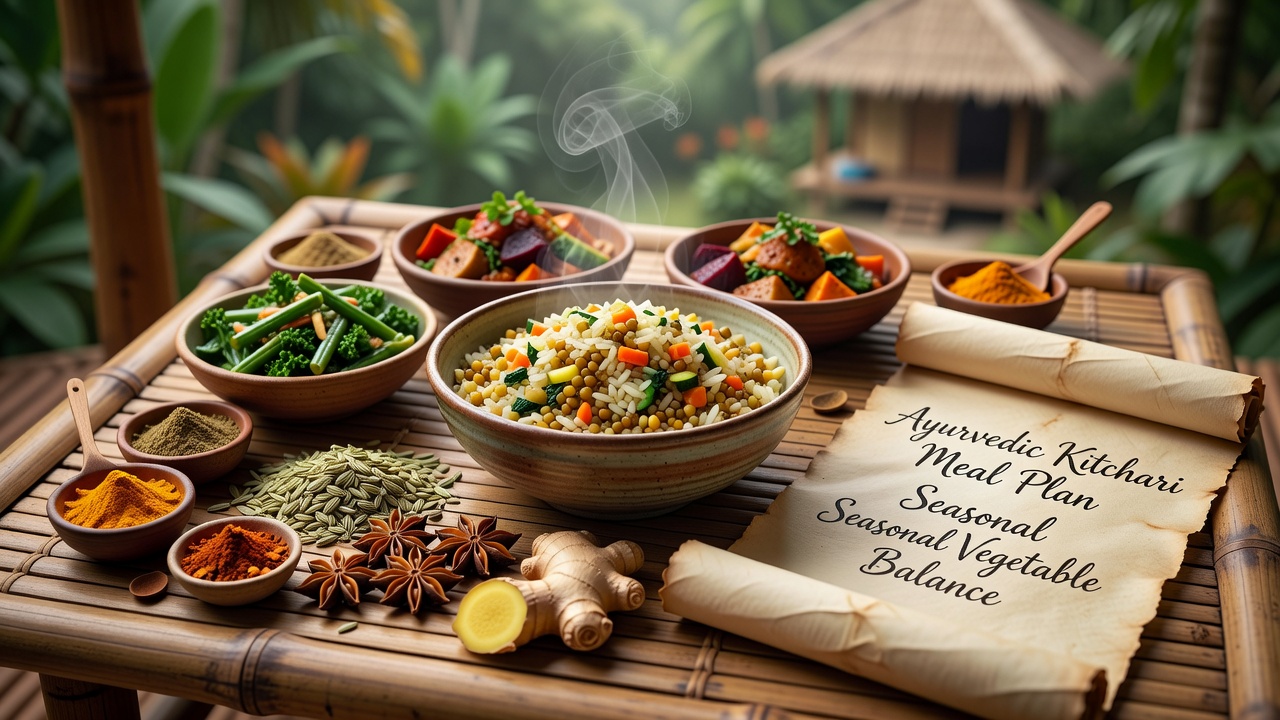
Step-by-Step Preparation Techniques Before Departure
Effective preparation starts four weeks prior. Begin with a 3-day kitchari cleanse to reset digestion, followed by daily self-massage with warm sesame oil. Pack a portable kit containing fennel seeds, cumin powder, and a small tongue scraper. Additional steps include testing spice tolerance at home and researching local Ayurvedic practitioners at your destination for follow-up support.
- Assess personal dosha via online quizzes or consultations with certified practitioners.
- Stock herbal teas and digestive churnas in travel-safe packaging.
- Practice mindful eating drills to build habits that survive jet lag.
- Research retreat menus for compatibility and request modifications in advance.
- Prepare a simple journal template for tracking symptoms daily.
- Learn basic tongue diagnosis to monitor progress independently.
- Identify backup remedies available at pharmacies in your destination country.
These steps minimize jet-lag digestive disruption and maximize trip enjoyment from the first day onward.
At-Home Versus Retreat Applications: Practical Comparisons
At-home application offers flexibility and lower cost but demands self-discipline. Retreats provide expert guidance, group accountability, and immersive environments that accelerate learning. For week-long trips, retreats excel in customization; for shorter getaways, at-home protocols with digital support suffice. Key differences emerge in access to fresh ingredients, professional monitoring, and community motivation.
Pros of at-home approaches include complete privacy and the ability to adjust pacing to personal schedules. Cons involve potential inconsistency without external accountability. Retreat settings deliver structured daily routines and peer learning but may involve higher overall commitment. Traveler case insights reveal a business professional who used fennel tea on a 10-day Europe tour to resolve bloating within 48 hours, while a family group at a Kerala retreat reported sustained energy gains after personalized pitta protocols over two weeks.
Common Mistakes to Avoid on Wellness Trips
Many travelers overlook hydration timing or combine incompatible foods like fruit with dairy. Another frequent error is ignoring early warning signs until symptoms intensify. Always start with small doses of new herbs and avoid over-relying on one remedy across all dosha types. Consulting resources from established health authorities helps prevent these pitfalls.
Conclusion and Next Steps for 2026 Travelers
Integrating Ayurvedic digestion remedies transforms wellness trips into truly restorative experiences. Start with imbalance assessment and build from there for optimal results across varying trip durations. Continued practice at home reinforces gains made during travel.
FAQ: Safety, Customization, and Trip Length Considerations
Is it safe to try these remedies without professional guidance? Mild herbs like ginger and fennel are generally safe for most adults, but consult a qualified practitioner for personalized dosing, especially with pre-existing conditions.
How can protocols be customized for short versus extended trips? Short trips emphasize portable teas and simple routines, while longer stays allow deeper cleanses and daily treatments under supervision.
Are there interactions with medications? Always disclose current medications to avoid herb-drug interactions; resources like National Library of Medicine provide evidence-based insights on traditional systems.
What if I have dietary restrictions? Ayurveda accommodates vegan, gluten-free, and other needs through adaptable recipes and spice adjustments tailored to individual constitutions.
Where can I find reliable practitioners abroad? Check directories from organizations such as World Health Organization for guidance on traditional medicine integration in global wellness settings.


No comments yet. Be the first!