 Veda Tour
Introduction to Ayurvedic Hormonal Balance in Wellness Travel
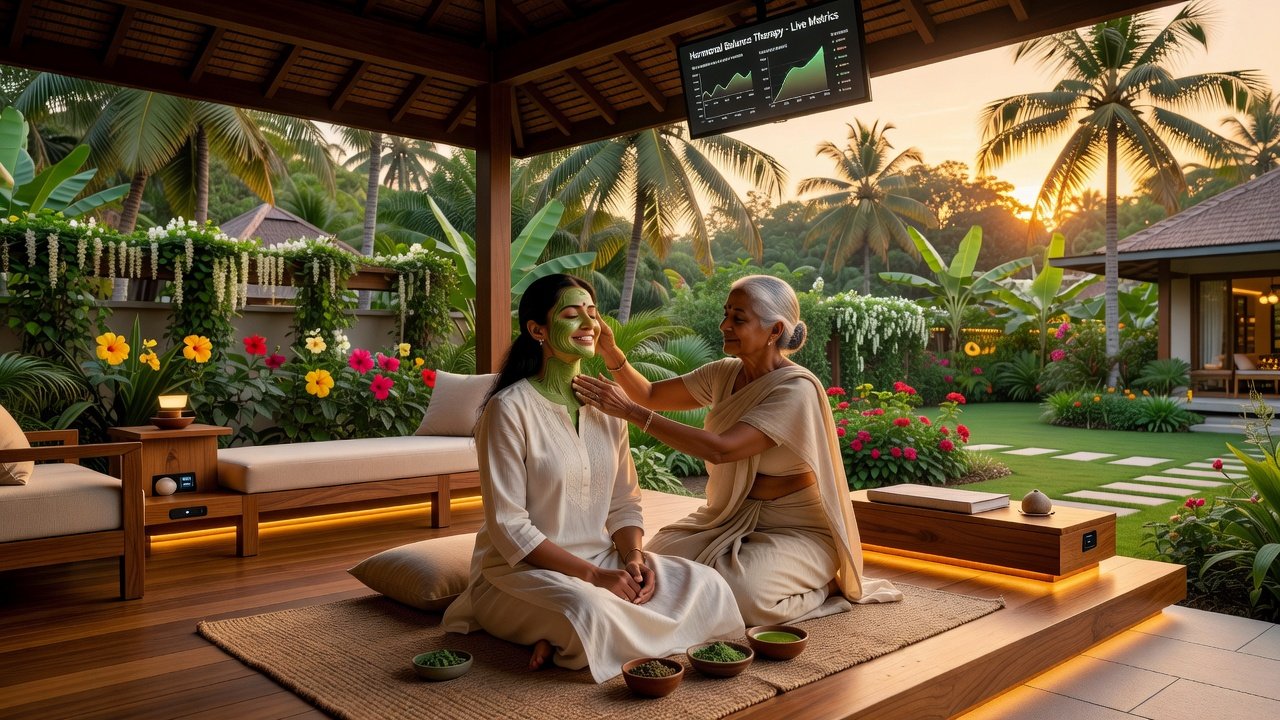
Hormonal imbalances affect millions of travelers seeking holistic solutions beyond conventional medicine. In 2026, wellness travel trends emphasize personalized Ayurvedic approaches that integrate ancient wisdom with modern itineraries. This comprehensive guide covers identifying dosha-specific issues, selecting destinations, and maintaining routines without disruption for sustainable long-term results. Travelers today face unique stressors from jet lag, irregular schedules, and new environments that exacerbate hormonal fluctuations, making targeted Ayurvedic strategies essential for deeper healing during wellness trips.
Understanding Dosha-Specific Hormonal Imbalances
Ayurveda identifies three doshas—Vata, Pitta, and Kapha—that influence hormonal health in profound ways. Vata imbalances often manifest as irregular menstrual cycles, anxiety, insomnia, or digestive disruptions tied to cortisol spikes. Pitta types commonly experience inflammation, hot flashes, irritability, and accelerated metabolism issues, while Kapha imbalances lead to weight gain, fatigue, and sluggish thyroid function. Travelers can assess their dominant dosha through detailed online quizzes or professional consultations before departure, allowing for customized protocols that address root causes rather than symptoms alone. This foundational understanding ensures that wellness journeys deliver measurable improvements in energy, mood, and reproductive health.
Practical Pre-Trip Preparation Steps
Effective preparation begins four to six weeks before travel. First, schedule a virtual or in-person consultation with a certified Ayurvedic practitioner to receive a personalized dosha analysis and herbal recommendations. Next, source travel-friendly versions of key herbs such as ashwagandha for Vata stress relief, shatavari for Pitta reproductive support, and triphala for Kapha detoxification. Pack these in TSA-compliant capsules or powders. Gradually shift your sleep schedule by 30 minutes daily to reduce jet lag severity, and incorporate a daily 20-minute self-massage practice using warm sesame or coconut oil. Create a simple journal to track symptoms and note any dietary triggers. These steps build resilience and make on-site integration seamless, preventing common pitfalls like disrupted circadian rhythms that worsen hormonal instability.
Selecting Ideal 2026 Wellness Destinations
Top destinations for 2026 include established Ayurvedic centers in Kerala, India, where traditional panchakarma therapies combine with modern hormone testing labs. Bali offers hybrid programs blending yoga with dosha-specific nutrition, while Costa Rica provides eco-retreats focused on sustainable practices. When choosing, prioritize facilities that offer pre-arrival dosha assessments and flexible daily schedules accommodating business calls or sightseeing. Look for properties emphasizing regenerative tourism, such as those using locally grown organic herbs and zero-waste policies. This aligns with emerging 2026 trends toward mindful, low-impact travel that supports both personal healing and environmental health. Verify credentials through recognized bodies to ensure authentic experiences.
Research destinations via World Health Organization guidelines on traditional medicine for credibility and safety standards.
Incorporating Herbs and Daily Routines
Integrating Ayurvedic herbs and routines requires minimal disruption to travel schedules. Begin each morning with warm lemon water infused with cumin and ginger to stimulate digestion and balance blood sugar. Follow with 30 minutes of gentle yoga or walking meditation tailored to your dosha—Vata types benefit from grounding poses, Pitta from cooling flows, and Kapha from invigorating sequences. Evening rituals include herbal teas like brahmi or tulsi alongside a short abhyanga self-massage using pre-mixed travel oils. For meals, request dosha-appropriate options such as warm soups for Vata or bitter greens for Pitta at resort restaurants. These practices stabilize hormones by regulating the nervous system and supporting endocrine function without requiring extra time blocks in busy itineraries.
Real Traveler Case Examples
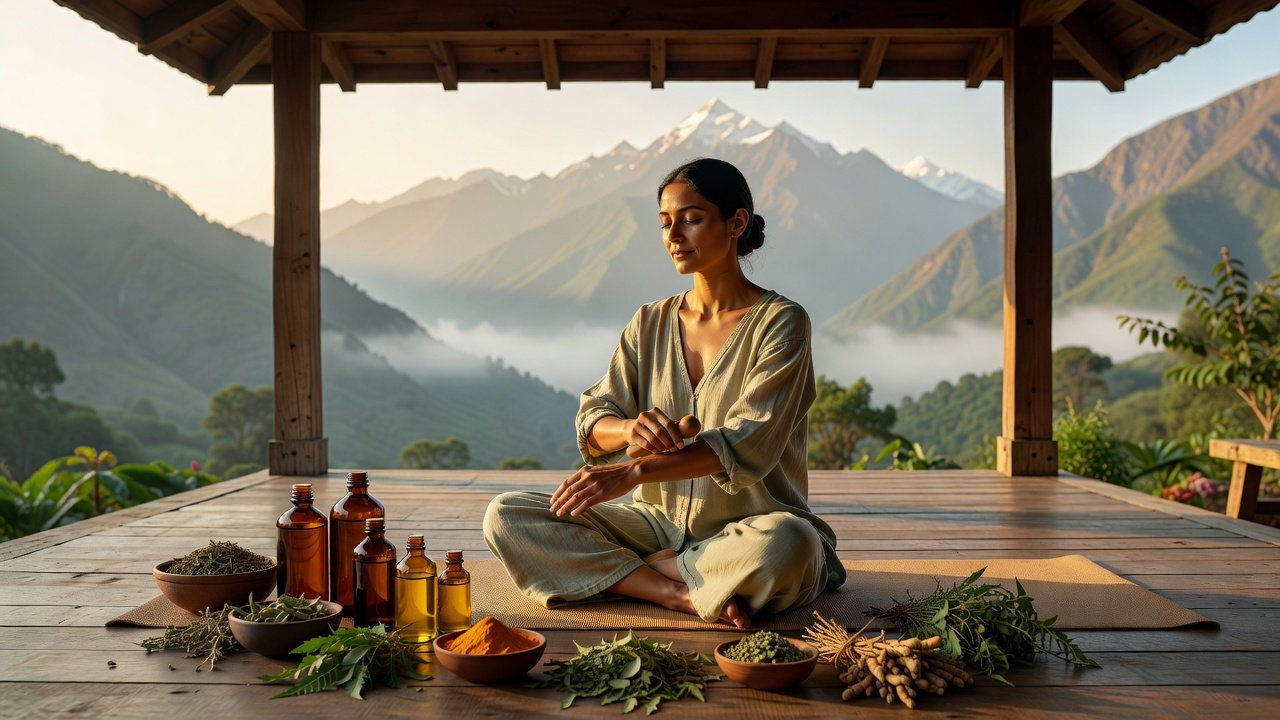
Consider the experience of a 42-year-old marketing executive from New York who struggled with erratic cortisol and sleep issues. After a 12-day Vata-pacifying retreat in Kerala featuring daily oil massages, ashwagandha protocols, and early bedtimes, she reported normalized cycles and sustained energy within three weeks of return. Another example involves a 35-year-old teacher from London with Pitta-driven menopausal symptoms; her Bali program incorporated cooling brahmi herbs, midday rest periods, and mindful eating, resulting in reduced hot flashes and improved mood stability. A third case featured a Kapha-dominant software developer who used triphala and brisk morning walks during a Costa Rica wellness trip to overcome fatigue and achieve gradual weight management. These stories illustrate how tailored adjustments yield lasting benefits when combined with consistent follow-up at home.
Adjusting for Jet Lag and On-Site Challenges
Jet lag disrupts melatonin production and amplifies hormonal swings, but Ayurvedic tools mitigate effects quickly. Upon arrival, expose yourself to natural light within two hours of local sunrise and consume warm, spiced meals to realign digestion. On-site adjustments include requesting quiet early-morning slots for yoga, carrying portable copper tongue scrapers for daily detoxification, and scheduling short 10-minute breathing exercises between activities. If facing dietary limitations at resorts, supplement with pre-packed herbal churnas. These adaptations maintain protocol integrity even during multi-destination itineraries common in 2026 wellness travel.
FAQ on Common Concerns
- How does Ayurveda interact with jet lag? Gentle oil massages and adaptogenic herbal teas help realign doshas and circadian rhythms faster than standard recovery methods alone, often reducing adjustment time by two to three days.
- Are protocols safe for all travelers? Yes, when fully customized through professional assessment; always disclose pre-existing conditions, medications, or pregnancy status to avoid contraindications with specific herbs.
- What long-term benefits emerge from 2026 wellness trends? Sustainable integration of these practices promotes ongoing hormonal harmony, reduced stress reactivity, and enhanced resilience that persists months after returning home.
- Can routines be maintained without special equipment? Absolutely—most require only basic oils, teas, and bodyweight movements easily adapted to hotel rooms or airports.
Consult Mayo Clinic resources for complementary insights on integrative health approaches.
Conclusion: Embracing Sustainable Wellness Integration
By thoughtfully blending Ayurvedic principles with 2026 wellness travel, individuals achieve deeper, more resilient hormonal balance. Begin planning personalized protocols now to transform short trips into catalysts for lifelong well-being that extends far beyond the journey itself.

No comments yet. Be the first!