 Veda Tour
Introduction to Ayurvedic Recovery for Athletic Wellness Travelers
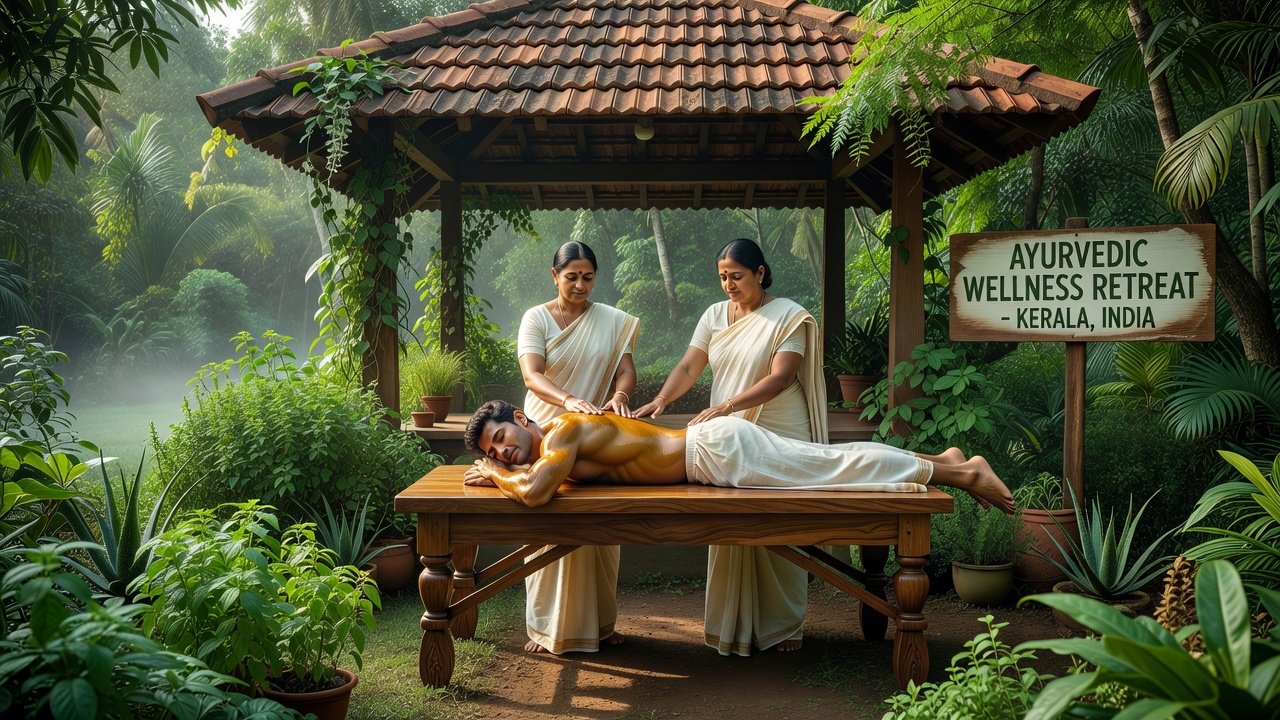
Fitness-focused travelers increasingly seek holistic approaches that complement intense training regimens during wellness trips. Ayurvedic recovery protocols offer personalized strategies rooted in ancient Indian medicine principles, tailored specifically for athletes in 2026. These methods address muscle repair, injury prevention, and performance optimization through targeted herbs, specialized abhyanga massages, and dosha-specific nutrition plans. Unlike generic spa treatments, these protocols integrate seamlessly into travel schedules while delivering measurable benefits supported by traditional knowledge and emerging scientific validation. Athletes often face unique challenges such as jet lag, altered sleep patterns, and unfamiliar training environments when traveling abroad. Ayurvedic approaches provide a comprehensive framework that not only accelerates physical recovery but also enhances mental resilience, making them ideal for those pursuing advanced yet accessible strategies beyond basic wellness rituals.
Understanding Doshas and Athletic Performance Needs
Ayurveda classifies individuals into three primary doshas: Vata, Pitta, and Kapha, each influencing how the body responds to physical stress and recovery demands. Athletes must first identify their dominant dosha through detailed consultations to customize protocols effectively. Vata-dominant athletes, often lean and prone to joint issues, benefit from grounding oils and warming herbs that promote stability and reduce dryness in tissues. Pitta types, characterized by high drive and heat, require cooling herbs to manage inflammation and prevent burnout during high-intensity periods. Kapha individuals, who may experience sluggishness, gain from stimulating spices and invigorating routines that boost metabolism and circulation during rest days. In practice, a triathlete with mixed Vata-Pitta constitution might combine sesame oil massages with turmeric infusions to balance energy levels across training cycles. This dosha awareness ensures protocols align with individual physiology, maximizing outcomes on wellness trips where environmental factors like climate and diet can disrupt balance.
Step-by-Step Integration into Travel Schedules
Integrating Ayurvedic recovery into busy travel itineraries requires careful planning to avoid conflicts with training or sightseeing. Begin with a pre-trip virtual consultation with a certified Ayurvedic practitioner to determine your dosha and outline a 7- to 14-day protocol tailored to your sport and destination. Schedule abhyanga sessions every other day, preferably in the morning before workouts, allowing oils to absorb fully. Incorporate daily herbal teas and dosha-aligned meals using local ingredients available at wellness resorts. Reserve evenings for restorative practices such as gentle yoga and pranayama to harmonize doshas after daily activities. Track progress using simple metrics like heart rate variability, sleep duration, and perceived soreness levels, adjusting as needed upon returning home. For longer trips, layer in weekly panchakarma elements like gentle detoxification if facilities permit, ensuring the routine supports rather than interrupts peak performance goals.
Key Components: Herbs, Abhyanga Massage, and Nutrition
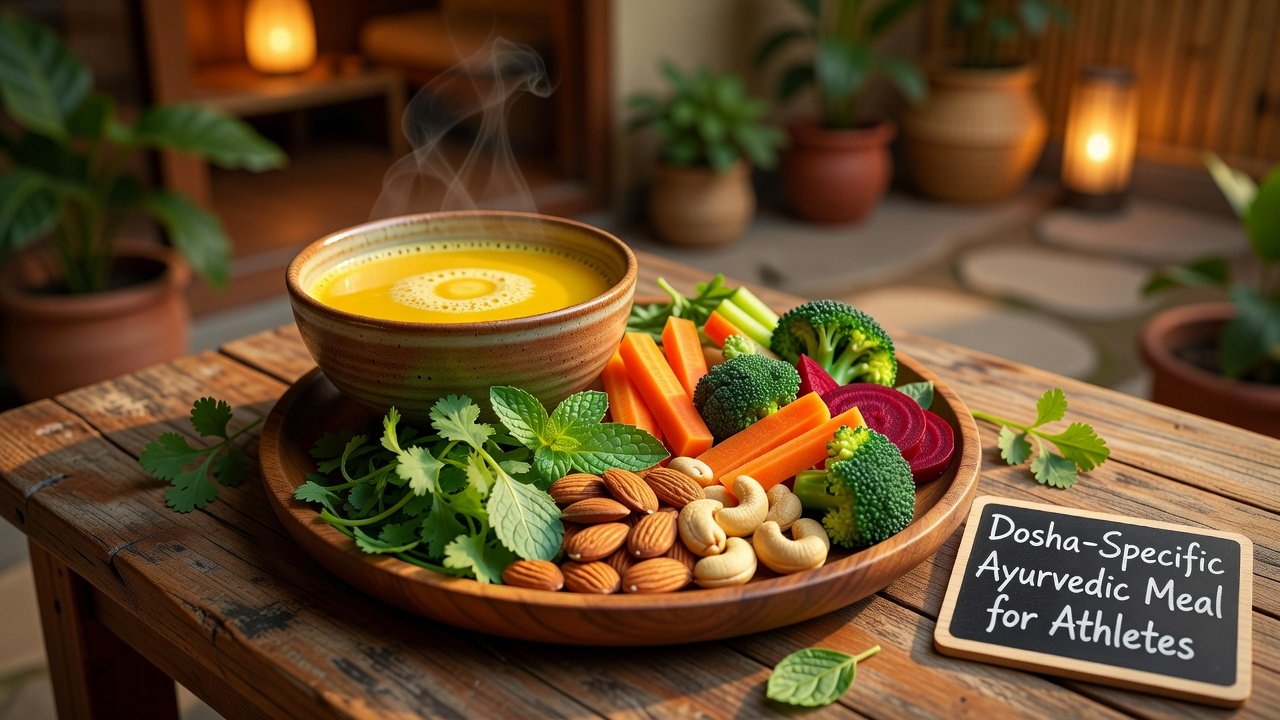
Herbal formulations form the cornerstone of recovery, with ashwagandha aiding cortisol regulation and muscle tissue repair while turmeric provides potent anti-inflammatory effects. Abhyanga, involving warm medicated oils applied in rhythmic strokes, enhances blood flow, lymphatic drainage, and joint mobility for athletes recovering from repetitive strain. Dosha-specific nutrition emphasizes whole foods matched to seasonal availability, such as ginger and cinnamon for Vata balance or cooling coriander and mint for Pitta athletes to sustain energy without aggravating heat. These elements work synergistically to support faster healing and sustained vitality throughout wellness journeys.
Comparisons with Conventional Sports Medicine Approaches
Conventional sports medicine typically emphasizes interventions like ice baths, nonsteroidal anti-inflammatory drugs, and targeted physical therapy sessions. In contrast, Ayurvedic protocols prioritize prevention through consistent daily routines, natural anti-inflammatories, and lifestyle synchronization with natural rhythms. Many elite athletes now blend both systems for superior results, applying Ayurvedic self-massage alongside evidence-based rehabilitation. Resources from institutions such as the Mayo Clinic and the World Health Organization highlight the value of integrative care, noting how traditional practices complement modern diagnostics. This hybrid model reduces reliance on pharmaceuticals while addressing root causes of fatigue and imbalance often overlooked in purely biomechanical treatments.
Real-World Case Examples from Wellness Destinations
Wellness centers in Kerala have hosted marathon runners who completed 10-day abhyanga and herbal regimens, reporting significantly reduced recovery times and improved stride efficiency in follow-up races. Triathletes training in Bali integrated dosha-specific nutrition featuring local produce to lower post-event inflammation markers, enabling personal best performances shortly afterward. In Costa Rica, cyclists on multi-week wellness trips combined customized oil therapies with yoga to manage saddle soreness and maintain endurance across varied terrains. These cases demonstrate the protocols' adaptability for international travelers seeking practical, results-oriented solutions in diverse global settings.
Practical Tips for Sourcing Treatments Abroad
- Verify practitioner credentials via recognized local Ayurvedic boards or international associations before booking sessions.
- Pack travel-approved herbal supplements in original containers to comply with customs regulations.
- Select wellness resorts offering English-speaking therapists experienced with athletic clients and sports-specific modifications.
- Research destination-specific insurance options covering alternative therapies and confirm any required medical documentation in advance.
- Prepare a portable kit with dosha oils and teas to maintain continuity between professional treatments during remote excursions.
Potential Challenges and How to Overcome Them
Travelers may encounter obstacles such as language barriers, inconsistent ingredient quality, or time constraints from packed itineraries. Overcome these by using translation apps for consultations, opting for established centers with imported certified herbs, and prioritizing shorter 60-minute sessions on busy days. Jet lag can initially disrupt dosha balance, so start with gentle self-abhyanga upon arrival to recalibrate circadian rhythms effectively.
FAQs on Safety, Combining with Training, and Measurable Benefits
Is Ayurvedic recovery safe for competitive athletes?
Yes, protocols are generally safe when customized by qualified practitioners who review medical history and current training loads. Always disclose any supplements or medications to prevent potential interactions, and seek facilities adhering to hygiene standards aligned with international guidelines from sources like PubMed research summaries.
How does it combine with ongoing training?
Ayurvedic elements enhance active recovery when scheduled appropriately, with light massage preceding rest days and nutrition supporting post-workout replenishment. Intense sessions should be spaced at least four hours after treatments to allow full absorption and avoid interference with muscle activation.
What measurable benefits can travelers expect in 2026?
Participants commonly observe improvements in sleep quality, decreased muscle soreness, greater flexibility, and faster return to baseline performance within seven to ten days of consistent application, based on self-reported data and basic biometric tracking.
Are there any contraindications for certain injuries?
Acute fractures or open wounds require clearance from medical professionals before starting oil-based therapies, though gentle herbal support may still aid overall recovery under supervision.
Conclusion
Ayurvedic recovery protocols equip athletes on wellness trips with sophisticated, holistic tools for sustained performance and injury resilience. By thoughtfully integrating herbs, massage, and nutrition into travel routines, participants achieve superior outcomes that extend beyond conventional methods. Embrace these practices in 2026 with guidance from experienced providers to unlock balanced athletic wellness and long-term vitality.
No comments yet. Be the first!