 Veda Tour
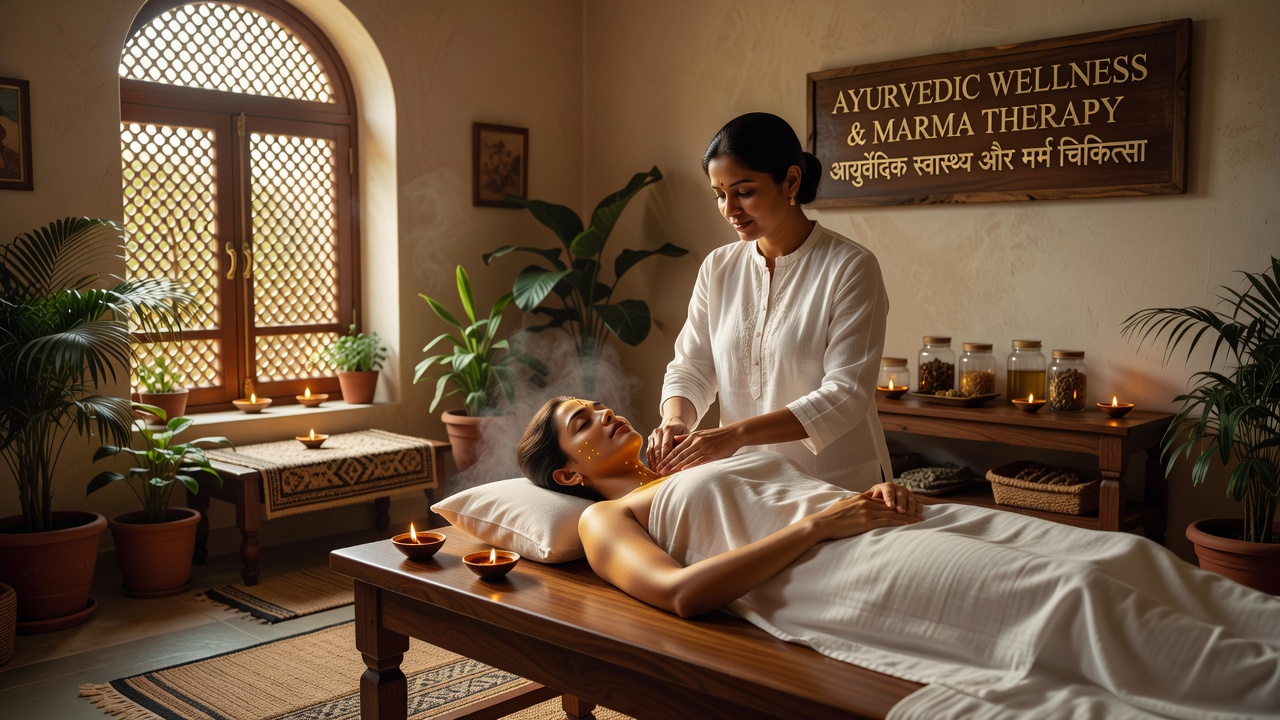
Introduction to Ayurvedic Facial Rituals in Wellness Travel
Ayurveda, the ancient Indian system of medicine dating back over 5,000 years, offers profound benefits for holistic healing through specialized facial rituals. These practices integrate natural skincare with deeper wellness goals, making them ideal for travelers seeking balance during 2026 journeys. By focusing on dosha balancing and detoxification via marma points and herbal oils, these rituals address both inner harmony and outer radiance, helping modern wellness enthusiasts reconnect with ancient wisdom amid busy travel schedules.
Wellness travelers often combine these treatments with yoga or meditation retreats, enhancing the overall experience. Unlike quick spa sessions, Ayurvedic facials emphasize personalized care based on individual constitution, or prakriti. This approach aligns perfectly with the growing demand for sustainable, nature-based therapies in 2026 wellness trips, where participants prioritize long-term health over fleeting cosmetic results. As interest in holistic healing grows, more destinations are incorporating these rituals into comprehensive programs that support mental clarity, emotional stability, and physical rejuvenation.
Understanding Doshas and Their Impact on Skin Health
In Ayurveda, the three doshas—Vata, Pitta, and Kapha—govern physical and mental characteristics, including skin type. Vata skin tends to be dry and prone to wrinkles, often feeling rough or flaky in changing climates encountered during travel. Pitta skin is sensitive and inflammatory, reacting strongly to heat, sun exposure, or spicy foods common in tropical destinations. Kapha skin is oily and congested, leading to breakouts in humid environments. Facial rituals target these imbalances through specific oils and massage techniques tailored to each dosha.
Detoxification occurs as herbal preparations draw out impurities, promoting lymphatic drainage and cellular renewal. This supports long-term skin health rather than temporary fixes, with practitioners often recommending seasonal adjustments to maintain equilibrium throughout a multi-week wellness itinerary. Understanding your dominant dosha before travel allows for more effective customization of treatments abroad.
Core Benefits of Ayurvedic Facial Therapies
These therapies deliver multiple layers of benefit that extend far beyond surface-level skincare. Key advantages include dosha balancing for truly personalized results, improved circulation via marma point stimulation that awakens energy pathways, and deep detoxification using herbal oils such as sesame for Vata, coconut for Pitta, or mustard for Kapha. Additional outcomes encompass stress reduction, enhanced mental clarity, and visible improvements in skin texture and natural glow.
- Restoration of natural skin barrier function through antioxidant-rich botanicals
- Reduction in inflammation and redness for sensitive complexions
- Stimulation of collagen production via rhythmic massage movements
- Support for emotional well-being by calming the nervous system
- Prevention of premature aging signs through consistent oil nourishment
Travelers frequently notice increased energy and better sleep patterns after incorporating these rituals into their wellness routines.
Step-by-Step Application Techniques
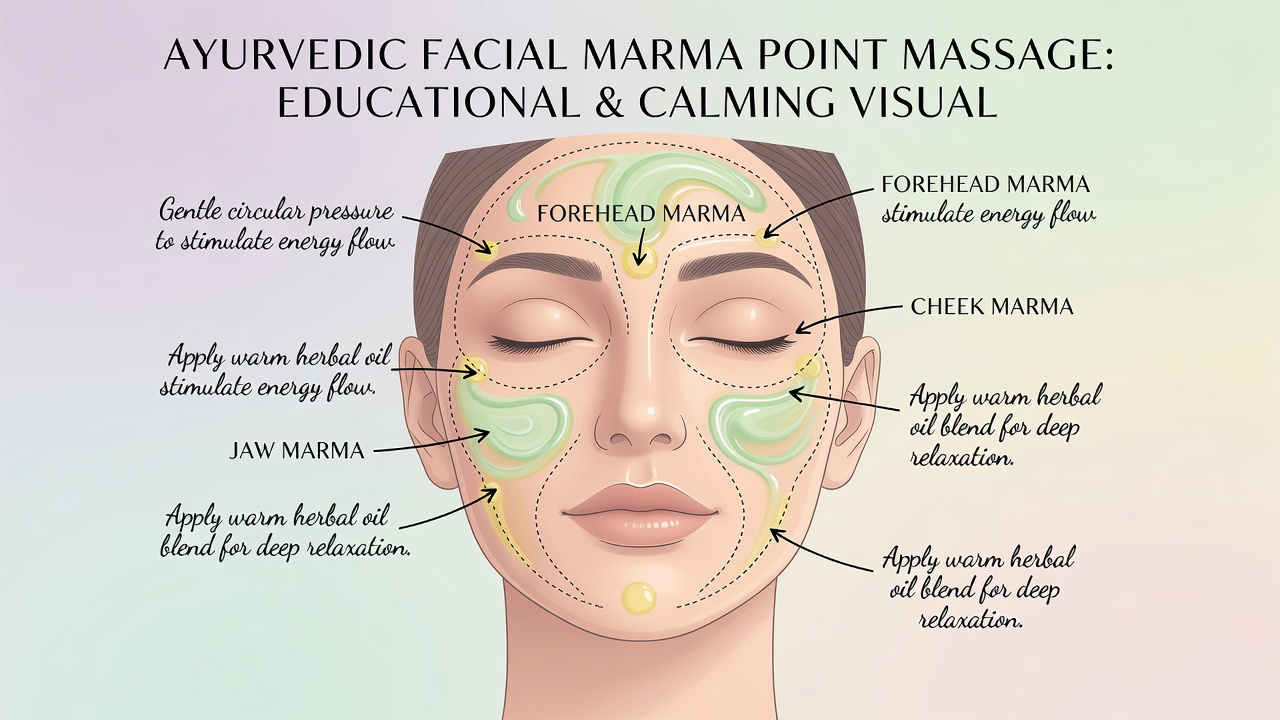
Performing an Ayurvedic facial involves careful preparation and attention to detail. Begin with gentle cleansing using a herbal paste made from chickpea flour or rose water. Next, apply warm oil suited to your dosha, massaging along marma points—key energy centers including the temples, forehead center, cheeks, and jawline. Hold pressure for 10-15 seconds per point to release stored tension while stimulating blood flow.
Follow with herbal steam to open pores, then apply a mask of turmeric, sandalwood, or neem depending on skin needs. Conclude with a cool rinse and light moisturizer. Advanced variations incorporate nasya (nasal oil application) or eye compresses for complete facial rejuvenation. Sessions typically last 60-90 minutes, though customized programs may extend longer for deeper therapeutic impact.
Comparing Ayurvedic Facials to Conventional Treatments
Conventional facials often rely on synthetic ingredients and mechanical exfoliation focused solely on surface concerns. Ayurvedic methods instead use whole-plant extracts and prioritize energy flow through marma work, resulting in fewer side effects and more sustainable outcomes. While conventional options provide quick visible changes, Ayurvedic rituals deliver cumulative benefits that improve overall vitality. Many 2026 wellness travelers report reduced sensitivity and longer-lasting hydration after switching to these traditional techniques.
Sourcing Authentic Ingredients Abroad
Travelers can source high-quality oils and herbs from certified Ayurvedic centers or organic suppliers in destination countries. Prioritize cold-pressed, organic varieties free from additives. In regions like Kerala or Bali, fresh turmeric, neem leaves, and sandalwood powder are widely available at local markets, yet verification of purity remains essential. Carrying small travel-sized bottles of trusted base oils from home ensures consistency when local options vary in quality.
Destination Examples in India and Southeast Asia
India’s Kerala region stands out for authentic marma therapies offered amid serene backwaters and coconut groves, allowing full immersion in Ayurvedic principles. Southeast Asia offers accessible alternatives in Thailand’s Chiang Mai and Indonesia’s Ubud, where wellness resorts blend Ayurvedic techniques with indigenous botanicals. These locations integrate seamlessly with yoga wellness journeys, creating balanced 2026 itineraries that combine daily rituals with educational workshops on dosha management.
Additional options include retreats near the Himalayas for Vata-focused treatments or coastal properties in Sri Lanka emphasizing Pitta cooling therapies. Each destination provides unique cultural context that enriches the healing experience.
Practical Tips for Post-Treatment Care
Following a session, protect skin from direct sun and avoid heavy makeup or harsh cleansers for at least 24 hours. Maintain results through daily self-massage using dosha-matched oils, a diet rich in fresh fruits and vegetables, and consistent hydration. Gentle yoga or breathing exercises further amplify detoxification effects, while tracking skin changes in a travel journal helps refine future treatments.
Common Mistakes to Avoid During Wellness Trips
Many travelers overlook the importance of pre-trip dosha assessment or select practitioners lacking proper certification. Another frequent error involves rushing between multiple treatments without adequate rest periods. Always verify ingredient sourcing and communicate openly about allergies or sensitivities to ensure safe, effective sessions.
FAQs on Session Durations and Care
How long do sessions last? Most customized rituals range from 45 to 120 minutes. What post-treatment care is recommended? Gentle routines, sun avoidance, and continued oil application preserve benefits. How often should one schedule treatments while traveling? Every 3-7 days works well for most, depending on individual goals and itinerary pace. Consult qualified practitioners for personalized guidance.
For authoritative perspectives on integrating traditional medicine into modern wellness, refer to resources from WHO and Mayo Clinic.
Conclusion
Ayurvedic facial rituals provide a transformative path to holistic healing on wellness trips. By embracing these time-honored techniques with proper preparation and aftercare, 2026 travelers can achieve lasting inner-outer harmony through mindful, natural practices that nurture both body and spirit.

No comments yet. Be the first!