 Veda Tour
Introduction
Hair transplant medical tourism continues to grow in 2026 as patients seek high-quality, affordable procedures outside their home countries. Turkey remains a leading destination, but alternatives like Mexico and India attract attention for their own advantages. This guide examines key factors including costs, outcomes, logistics, and standards to help patients make informed choices. Medical tourists often weigh variables such as surgeon expertise, post-operative support, and cultural familiarity when selecting a location. Understanding these elements allows individuals to align their expectations with realistic possibilities while minimizing potential complications associated with international travel for elective surgery.
Cost Differentials in 2026
Turkey typically offers more competitive pricing due to lower operational expenses and high procedure volume. Mexico provides convenient access for North American patients with moderate savings. India balances affordability with extensive medical infrastructure. Patients should evaluate total expenses including flights, accommodation, and aftercare when comparing options. Economic factors such as currency exchange rates and local labor costs influence overall value. It is essential to request itemized quotes that detail what is included, such as medications, hotel stays, and transportation, to avoid unexpected charges upon arrival or during recovery.
Success Rate Data and Benchmarks
Success depends on surgeon expertise, technology, and patient factors. Leading Turkish clinics report high graft survival rates using advanced FUE and DHI methods. Mexican facilities often match international standards with strong results for suitable candidates. Indian clinics emphasize rigorous training and modern equipment, delivering consistent outcomes. Always review clinic-specific data and patient testimonials from recent procedures. Long-term hair density and natural appearance serve as primary indicators of success. Patients with realistic expectations about hairline design and density typically report higher satisfaction levels across all destinations.
Travel Logistics and Practical Considerations
Turkey benefits from direct flights from Europe and the Middle East with streamlined visa processes for many nationalities. Mexico offers short travel times for U.S. residents and fewer time zone adjustments. India requires longer flights but provides extensive support services for international patients. Consider recovery time, follow-up visits, and potential need for multiple trips when planning. Pre-travel health screenings and vaccination requirements should be verified through official channels. Jet lag management and comfortable seating arrangements during flights can significantly impact early recovery comfort, especially when traveling long distances immediately after surgery.
Clinic Standards and Regulations
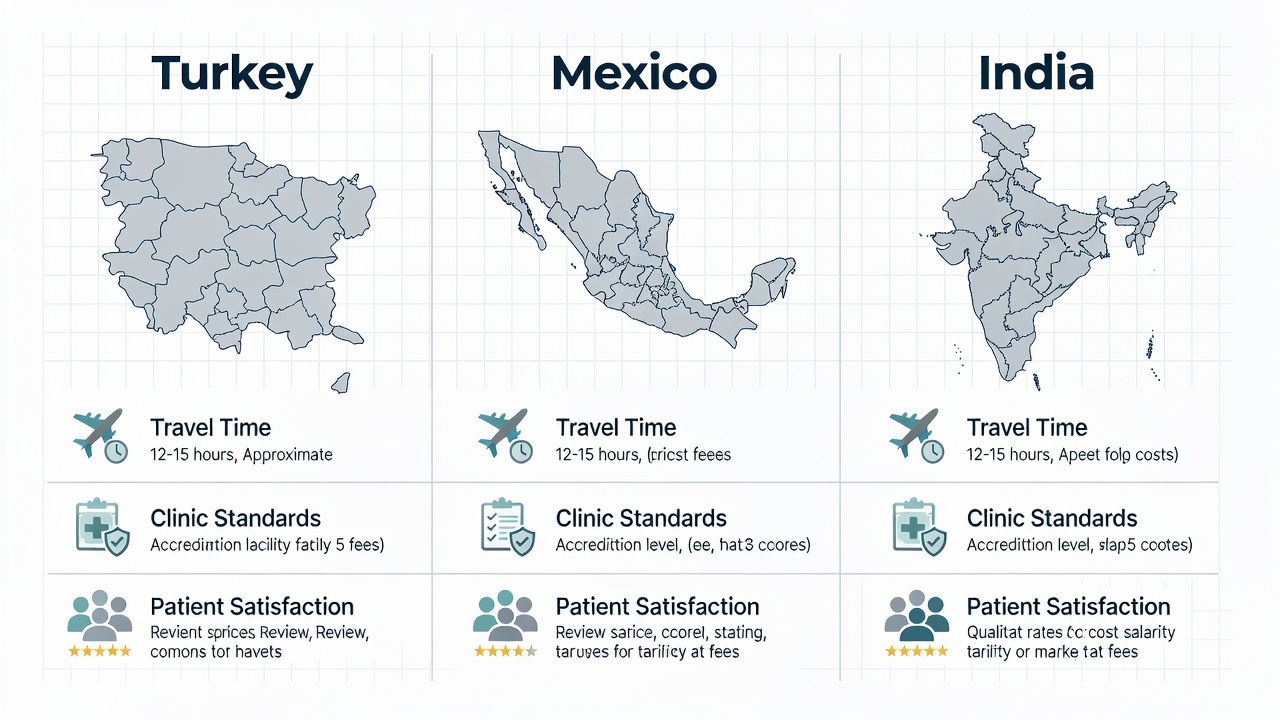
Accreditation and surgeon qualifications vary by country. Turkish clinics frequently hold JCI or national certifications with specialized hair restoration teams. Mexican providers often follow U.S.-aligned protocols due to proximity. Indian hospitals emphasize international patient departments and quality controls. Verify licensing, hygiene protocols, and staff credentials before booking. Resources from organizations like the International Society of Hair Restoration Surgery can help patients understand global best practices. Additionally, consulting travel health guidelines from the Centers for Disease Control and Prevention supports informed decision-making regarding destination safety.
Side-by-Side Comparison Table
| Factor | Turkey | Mexico | India |
|---|---|---|---|
| Procedure Volume | Very High | Moderate | High |
| Surgeon Experience | Specialized teams | Experienced in cosmetic procedures | Broad medical training |
| Aftercare Support | Comprehensive packages | Local follow-ups easier | Telemedicine options |
| Language Support | English widely available | English and Spanish | English official in clinics |
| Technology Access | Latest FUE and robotic tools | Modern equipment common | Advanced laser and graft systems |
Patient Decision Framework
Start by assessing your budget, desired timeline, and preferred travel distance. Prioritize clinics with transparent success metrics and clear communication. Factor in risks such as travel complications or variable aftercare access. Create a shortlist of three providers and request virtual consultations with each. Consider personal health history, including any conditions that might affect healing, and discuss these openly during initial assessments. Decision frameworks should also incorporate family support availability and work schedule flexibility to accommodate necessary downtime.
Practical Checklist for Vetting Providers Abroad
- Confirm surgeon board certifications and years of experience through official medical registries
- Request before-and-after photos from recent cases matching your hair type and age group
- Verify clinic accreditation and hygiene certifications via independent auditing bodies
- Review patient reviews on independent platforms for patterns in outcomes and service quality
- Clarify included services such as medications, follow-up calls, and emergency contact protocols
- Understand refund policies and revision procedures in writing before making deposits
- Confirm English-speaking staff availability and translation support if needed
- Evaluate the clinic's infection control measures and sterilization processes in detail
- Assess post-operative care packages including shampoo regimens and activity restrictions
Real-World Booking Examples
A patient from Germany might choose a Turkish clinic for its all-inclusive package covering airport transfers and hotel stays, allowing seamless coordination with European flight schedules. A U.S. resident could opt for Mexico to minimize flight duration while maintaining quality standards comparable to domestic options, particularly beneficial for those with limited vacation time. Someone from Australia might select India for extensive medical expertise combined with cultural familiarity and strong telemedicine follow-up systems. Each case requires tailoring to individual needs and health profiles, including considerations for seasonal weather impacts on recovery comfort in different climates.
FAQ
How does follow-up care work across borders?
Most clinics provide virtual consultations and detailed aftercare instructions. Local physicians can coordinate with the surgical team for ongoing monitoring, ensuring continuity even when patients return home. Regular photo submissions and scheduled video calls help track progress and address concerns promptly.
Are there risks specific to international hair transplants?
Potential challenges include communication barriers, travel-related swelling, and limited in-person revisions. Thorough vetting reduces these risks significantly. Patients should also prepare contingency plans for unexpected delays in healing or additional travel requirements.
What technology is commonly used in 2026?
Clinics worldwide employ robotic assistance, sapphire blades, and advanced graft preservation techniques to improve density and natural appearance. Staying informed about these innovations helps patients select facilities equipped with the latest tools for optimal results.
How long should patients plan to stay at the destination?
Most procedures require a stay of five to ten days for initial healing and follow-up appointments. This timeframe allows surgeons to monitor early graft integration and provide personalized guidance before patients travel home.
Conclusion
Turkey leads in volume and cost efficiency for hair transplants, while Mexico and India present viable alternatives based on location and specific priorities. Patients who conduct careful research, verify credentials, and plan logistics thoroughly achieve satisfying results. Consulting qualified professionals and reviewing all details before proceeding with any medical tourism decision ensures a smoother experience and better long-term outcomes. Resources such as the Mayo Clinic offer additional guidance on hair restoration considerations.

No comments yet. Be the first!