 Veda Tour
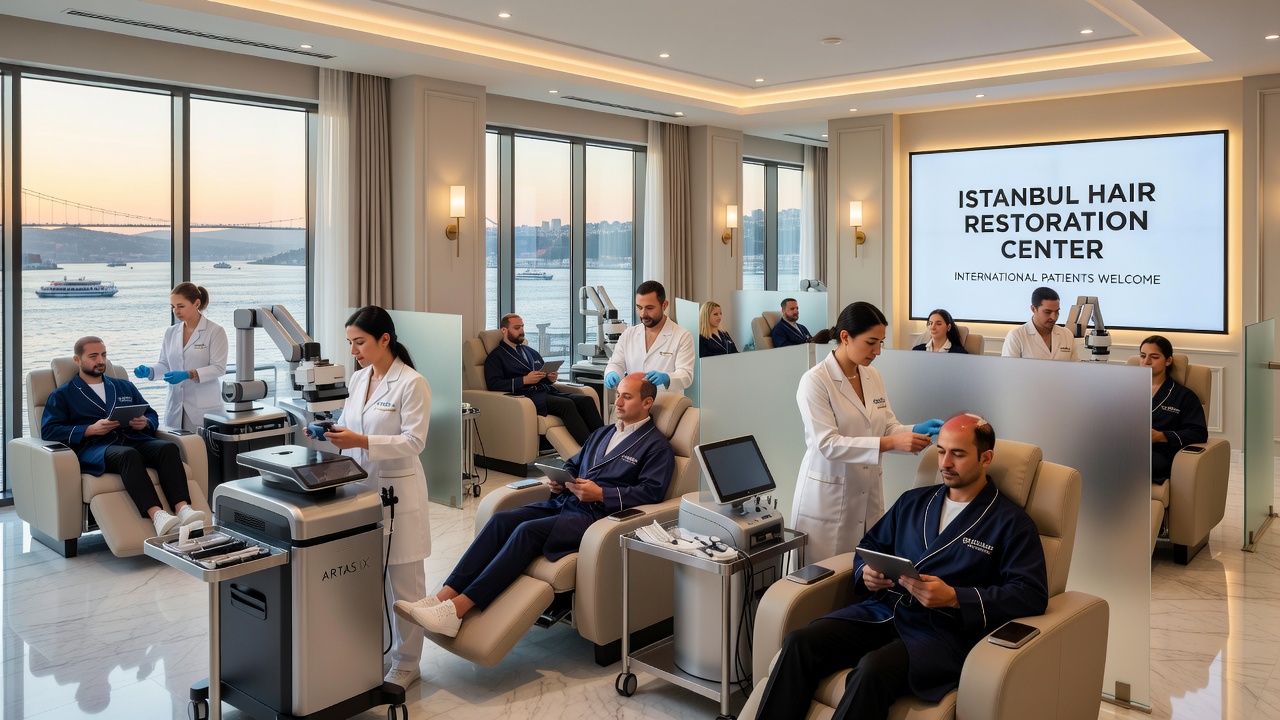
Introduction to Hair Transplant Tourism in Turkey
Turkey has established itself as a premier destination for hair restoration procedures, drawing medical tourists from across Europe, the Middle East, Asia, and North America. In 2026, the sector continues to mature with advancements in technology and a deeper understanding of patient needs. This comprehensive guide explores the evolving trends, from personalized treatment approaches to the integration of artificial intelligence and holistic wellness offerings. Travelers are no longer seeking only surgical solutions but comprehensive experiences that combine medical excellence with comfort and long-term results. Understanding these shifts helps prospective patients make informed decisions and maximize the value of their journey.
Key Shifts in Patient Preferences for 2026
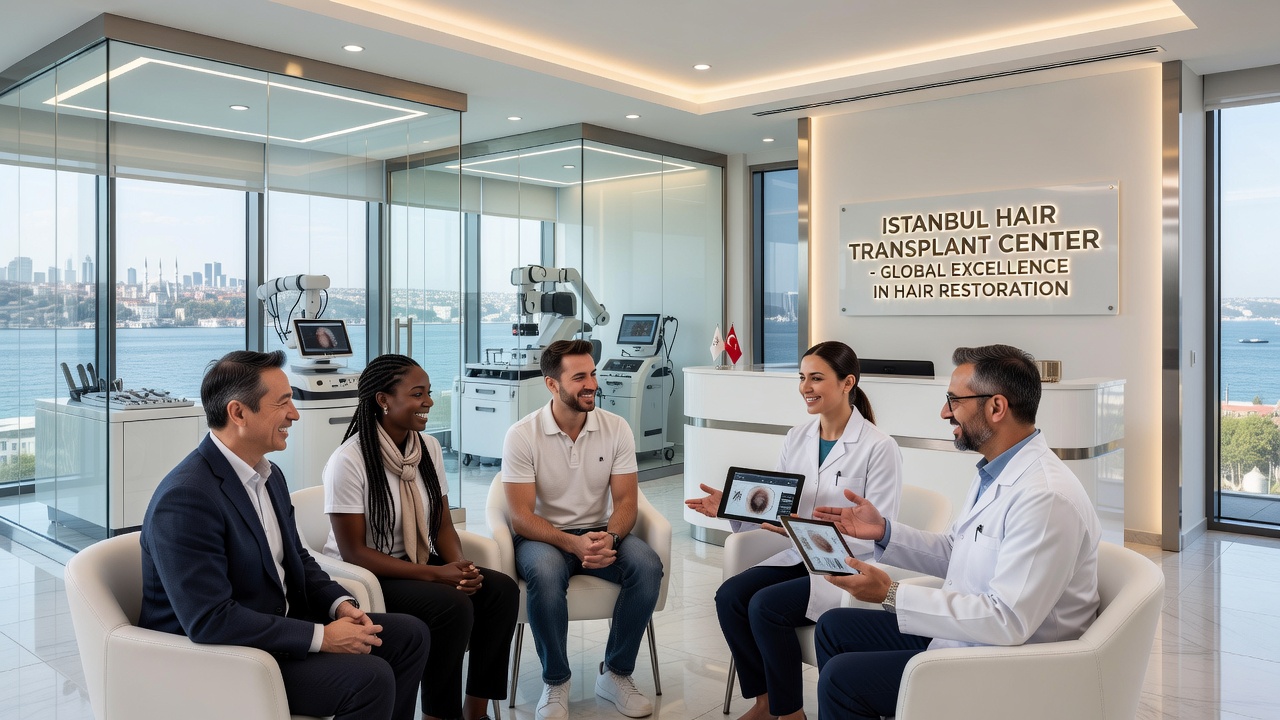
Patient expectations have evolved significantly. Individuals now demand highly customized treatment plans that consider factors such as age, hair loss progression, lifestyle, and even genetic predispositions. Clinics respond by offering detailed pre-operative assessments that include scalp mapping, blood tests, and lifestyle evaluations. For example, a patient with active lifestyles may receive recommendations for procedures that minimize downtime, while those concerned with density might opt for combined techniques. This personalization reduces revision rates and improves overall satisfaction. Many clinics also incorporate psychological support to address the emotional aspects of hair loss, recognizing that successful outcomes extend beyond physical appearance to enhanced confidence and well-being.
Integration of AI Diagnostics in Turkish Clinics
Artificial intelligence has become a cornerstone of modern hair transplant practices in Turkey. Sophisticated imaging systems analyze donor areas, predict follicular unit survival, and simulate post-procedure results with remarkable precision. Patients can view realistic projections of their future hairline during consultations, allowing for collaborative decision-making between surgeon and client. These tools also help identify optimal graft placement angles and densities tailored to natural growth patterns. 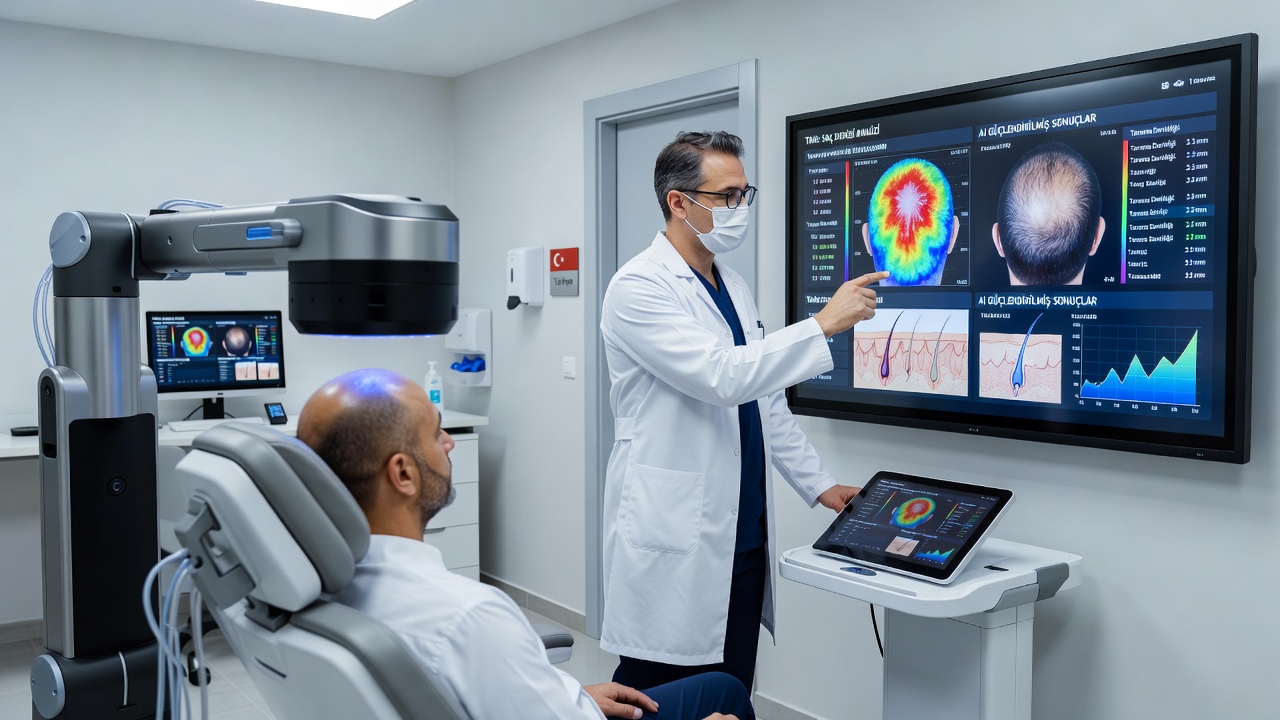
Rising Demand for Combined Wellness Packages
Medical tourists increasingly view their Turkey trip as an opportunity for comprehensive rejuvenation. Clinics and partner facilities now offer integrated wellness packages that extend beyond the operating room. Popular add-on services include specialized post-operative scalp massages to promote circulation, nutritional consultations featuring diets rich in biotin and antioxidants, and mindfulness workshops to support mental recovery during the healing phase. Some packages incorporate extended stays at luxury resorts with access to thermal spas known for their therapeutic properties. These offerings appeal to patients seeking to combine medical treatment with relaxation, turning a clinical visit into a restorative vacation. Such packages also address common concerns like jet lag and dietary adjustments for international visitors.
Influence of Global Economic Factors
Worldwide economic conditions continue to shape travel and healthcare choices in 2026. Currency volatility and varying inflation rates prompt patients to carefully evaluate destinations based on overall value rather than headline costs. Turkey maintains its strong position due to its mature medical infrastructure, highly trained specialists, and efficient logistics for international arrivals. Patients from regions experiencing economic pressures often prioritize destinations offering transparent pricing structures and comprehensive aftercare support. Economic analyses show that medical tourists weigh factors such as flight accessibility, accommodation quality, and follow-up communication when finalizing decisions. Turkey's strategic location and established networks help it remain resilient amid these fluctuations.
Market Overview and Arrival Trends
While exact 2026 arrival figures are still emerging, industry reports indicate sustained growth in medical tourism to Turkey, particularly in the hair restoration segment. Clinics report increased inquiries from first-time patients as well as repeat visitors seeking refinements. The market benefits from improved visa processes and enhanced airport facilities in major hubs like Istanbul. Patients often combine procedures with short cultural excursions, contributing to a broader tourism ecosystem. Established clinics have expanded capacity while maintaining high standards through continuous staff training and equipment upgrades.
Comparing Emerging and Established Hair Restoration Methods
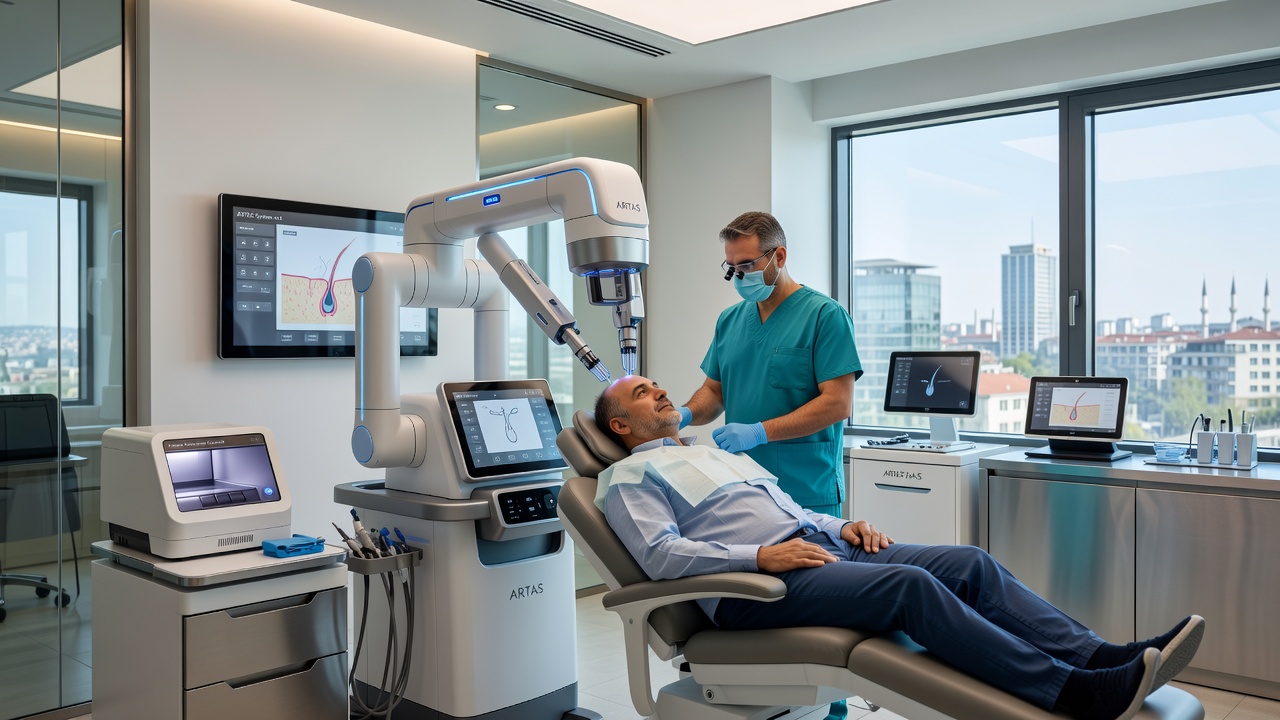
Turkish clinics provide a range of techniques, allowing patients to choose based on individual circumstances. Established methods such as Follicular Unit Extraction (FUE) remain popular for their proven track record, minimal scarring, and natural-looking results. These approaches have been refined over years with improved extraction tools and implantation techniques. Emerging options include robotic-assisted procedures that enhance precision in graft harvesting and placement, as well as experimental stem cell therapies aimed at stimulating dormant follicles. When comparing options, patients should consider recovery timelines, expected density, and compatibility with their hair characteristics. For instance, robotic methods may suit those wanting highly consistent graft angles, while traditional FUE offers flexibility for artistic hairline design. Consulting with multiple specialists and reviewing before-and-after portfolios helps clarify the best path forward. A scannable comparison list includes: recovery time (typically 7-14 days for established methods versus potentially shorter for robotic), graft survival rates (often above 90 percent in both categories when performed by experts), and suitability for different hair types.
Practical Steps for Booking and Travel
Successful medical travel begins with thorough preparation. Start by verifying clinic accreditation through recognized international organizations and reviewing independent patient testimonials. Schedule virtual consultations to discuss goals, review medical history, and receive preliminary treatment outlines. Arrange travel documents including passports and any required medical records well in advance. Many patients also purchase travel insurance that specifically covers medical procedures abroad. Upon arrival, patients should confirm transportation from the airport and familiarize themselves with local emergency contacts. Clear communication with the clinic throughout the process ensures alignment on expectations and schedules.
Recovery and Aftercare Considerations
Post-procedure care significantly influences final results. Patients receive detailed instructions covering gentle washing techniques, medication schedules, and activity restrictions for the first few weeks. Follow-up appointments, often conducted virtually, monitor progress and address any concerns promptly. Understanding the typical timeline—initial shedding followed by new growth visible around three to four months—helps manage expectations during the waiting period.
Common Mistakes to Avoid
Many travelers underestimate the importance of aftercare planning or select clinics based solely on promotional offers rather than verified expertise. Another frequent oversight involves neglecting to discuss long-term maintenance strategies such as medications or follow-up treatments. Researching surgeon credentials thoroughly and avoiding rushed decisions helps mitigate these risks.
Frequently Asked Questions
How far in advance should I book a procedure?
Most clinics recommend scheduling consultations and travel arrangements 4–8 weeks ahead to allow adequate preparation time and secure preferred dates.
What documents are needed for medical travel to Turkey?
Valid passports, recent medical records, and proof of accommodation are typically required. Patients should also check current entry requirements through official government channels.
Can I combine treatment with sightseeing?
Light activities are often possible after the initial recovery phase, but patients should follow surgeon guidelines to avoid compromising results.
How do I verify clinic quality?
Look for international accreditations, surgeon memberships in recognized bodies, and transparent patient outcome data published on official clinic websites.
Conclusion
Turkey's hair transplant tourism sector in 2026 reflects a mature industry focused on personalization, technological integration, and holistic patient care. By staying informed about current trends and following practical guidance, medical tourists can achieve excellent outcomes while enjoying a supportive travel experience. Continued innovation promises even greater advancements in the years ahead.
No comments yet. Be the first!