 Veda Tour
Introduction to Robotic Hair Transplants in Turkey
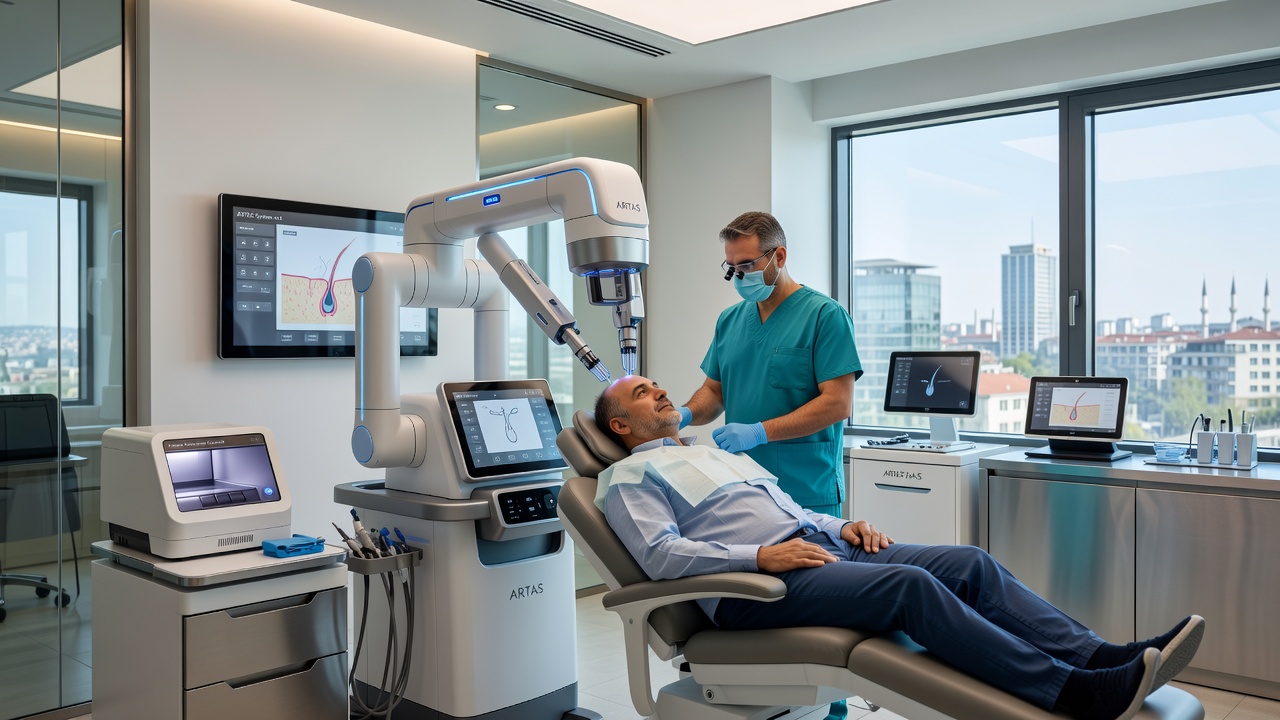
Turkey has emerged as a global leader in medical tourism for hair restoration, attracting thousands of international patients annually. In 2026, robotic-assisted procedures represent a major innovation drawing tech-savvy travelers. Systems like the ARTAS robot enhance accuracy during follicular unit extraction (FUE), minimizing human error while improving outcomes for those experiencing androgenetic alopecia. Patients from Europe, the Middle East, and North America increasingly seek these advanced options because Turkey combines state-of-the-art technology with experienced surgical teams and integrated travel support.
This guide examines the technology's role in Turkey's thriving sector, covering mechanisms, advantages, top providers, timelines, eligibility, recovery, and practical considerations for medical tourists. By understanding these elements in depth, prospective patients can make informed decisions that align with their hair restoration goals and travel plans.
Understanding Robotic Systems Like ARTAS
Robotic platforms use advanced algorithms, high-resolution imaging, and artificial intelligence to identify and harvest optimal hair follicles. The robot maps the donor area on the scalp, selects grafts with the highest viability potential, and extracts them with minimal trauma to surrounding tissue. Surgeons oversee the process, making adjustments as needed while the machine handles repetitive precision tasks that would otherwise rely solely on manual dexterity.
Unlike traditional manual FUE, where a physician manually punches each graft, robotic assistance reduces variability. This leads to higher consistency across large sessions involving thousands of grafts. Patients benefit from reduced transection rates, where follicles are damaged during extraction. The system continuously updates its mapping in real time, accounting for subtle changes in scalp tension or hair angle that might challenge even skilled human hands.
Key Benefits Compared to Manual Techniques
Robotic methods deliver measurable improvements in several areas. Precision harvesting preserves more viable grafts, directly boosting survival rates post-transplantation. Reduced scarring occurs because the robot creates smaller, more uniform incisions that heal faster and leave less noticeable marks, especially important for patients who prefer short hairstyles. Enhanced graft survival means more transplanted hairs grow successfully, often exceeding 90 percent in well-executed cases. The technology also shortens overall procedure time for extensive sessions, lowering patient fatigue.
International visitors appreciate how these efficiencies integrate into streamlined medical tourism packages that combine treatment with recovery support. For example, a patient with moderate crown thinning might undergo a 3,000-graft session where the robot ensures even distribution and natural angulation, resulting in denser coverage without the patchy appearance sometimes seen in less precise manual extractions. For deeper context on hair loss treatments, refer to resources from Mayo Clinic and evidence-based overviews at FDA.
Leading Turkish Clinics Adopting Robotic Technology
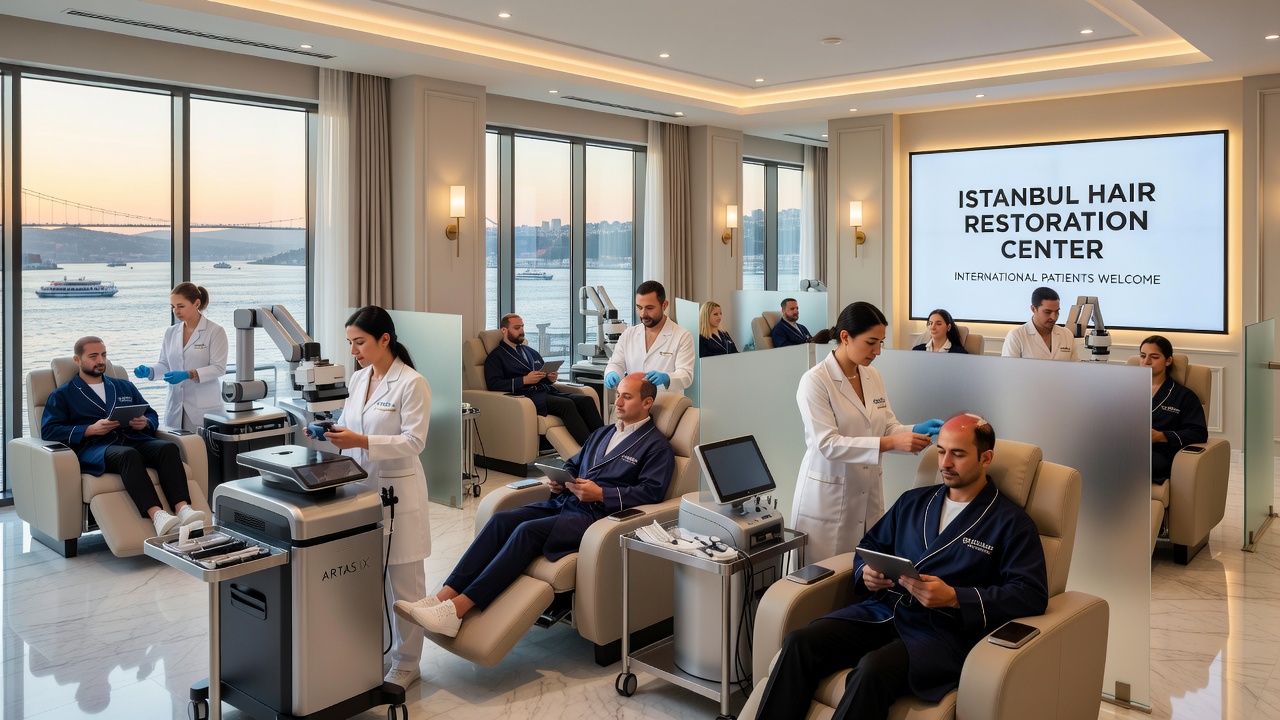
Several established facilities in Istanbul and Ankara have integrated ARTAS or similar robotic platforms. These clinics combine robotic precision with experienced surgical teams trained in both local and international protocols. Patients often select providers based on surgeon credentials, robotic system maintenance records, and comprehensive aftercare programs tailored for overseas visitors. Many centers offer multilingual staff and coordinated travel logistics, making the experience seamless from arrival through follow-up consultations conducted remotely. Clinics frequently highlight their robotic suites in virtual tours, allowing patients to review equipment calibration logs and staff training certifications before booking.
Typical Procedure Timelines
A standard robotic hair transplant spans one to two days. Day one involves consultation, scalp analysis, and the extraction phase lasting four to eight hours depending on graft numbers. Implantation follows on the same or next day. Most patients return home within three to five days, with initial healing visible in the first week. Detailed scheduling often includes pre-arrival video calls to finalize graft estimates and post-procedure check-ins via secure messaging apps. This structured timeline helps medical tourists plan flights, hotel stays, and any sightseeing around the recovery window.
Patient Eligibility Checklists
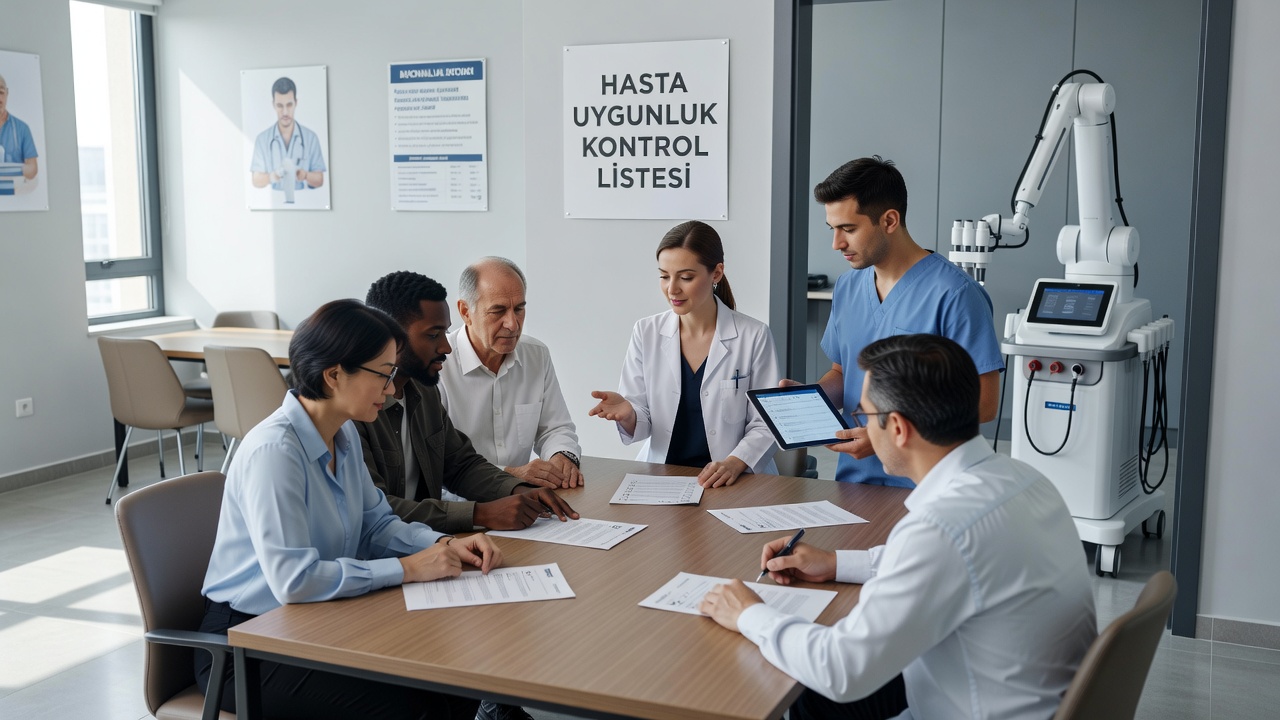
Determining suitability helps set realistic expectations. Consider this expanded checklist before booking:
- Stable hair loss pattern for at least 12 months to ensure the transplant targets permanent areas
- Sufficient donor hair density on the back and sides of the scalp, typically verified through magnified imaging
- Good overall health with no uncontrolled medical conditions such as diabetes or hypertension
- Non-smoker or willing to quit temporarily around the procedure to optimize blood flow
- Realistic goals aligned with Norwood scale stage, often confirmed via digital simulations
- Absence of active scalp infections or certain autoimmune disorders that could affect healing
- Age typically between 25 and 65, though exceptions exist based on individual progression
- Willingness to follow a prescribed aftercare regimen including medications and activity limits
Consultations typically include digital imaging to simulate results and confirm robotic compatibility, giving patients a clear preview of expected density and hairline design.
Recovery Differences and Aftercare
Robotic procedures often result in quicker initial recovery due to smaller extraction sites. Swelling and redness typically subside within three to five days versus longer periods with manual methods. Patients receive detailed instructions on sleeping positions, washing routines, and activity restrictions for the first month. A sample recovery timeline includes gentle washing starting day two, return to light work by day five, and full exercise resumption after three weeks. Follow-up care includes progress photos shared with the clinic, supporting continuity for international patients who may not return in person for several months.
Medical Tourism Packages and Considerations
Turkey's packages frequently bundle the robotic procedure, accommodation, airport transfers, and medications. The focus remains on value through advanced technology rather than isolated pricing. Travelers should verify clinic licensing, surgeon experience with robotics, and transparent communication about expected graft numbers and growth timelines. Additional considerations include reviewing patient testimonials specific to robotic cases and confirming insurance or complication coverage options before travel.
Potential Risks and Mitigation Strategies
While robotic systems improve consistency, risks such as minor infection, temporary shock loss, or uneven growth can still occur. Mitigation involves selecting clinics with rigorous sterilization protocols, following all prescribed antibiotics, and attending scheduled follow-ups. Patients are encouraged to discuss personal risk factors during initial consultations to develop tailored prevention plans.
FAQ: Common Concerns About Robotic Technology Abroad
Is the ARTAS system reliable in Turkish clinics?
Yes, when clinics maintain certified equipment and employ trained teams. Leading facilities undergo regular system updates and quality audits to match international standards.
How does robotic precision affect long-term results?
Higher graft survival and natural placement angles contribute to fuller, more aesthetically pleasing outcomes that endure for years with proper maintenance.
Are there risks unique to robotic procedures overseas?
Primary risks mirror those of any surgical hair restoration, such as infection or suboptimal growth. Choosing accredited providers with strong patient reviews minimizes these concerns.
Can robotic transplants address advanced hair loss stages?
They work well for moderate to advanced cases provided donor supply remains adequate. Surgeons assess suitability during virtual or in-person evaluations.
What should patients pack for a robotic hair transplant trip?
Comfortable loose clothing, prescribed medications, a wide-brimmed hat for sun protection, and any personal care items approved by the clinic help ensure a smooth stay.
Conclusion
Robotic hair transplants position Turkey as an innovative destination for 2026 medical tourists seeking precision-driven solutions. By understanding the technology, evaluating personal eligibility, and selecting reputable clinics, patients can achieve transformative results while enjoying the efficiency of integrated travel experiences. Always prioritize thorough research and direct consultations to align expectations with outcomes, ensuring a successful journey from consultation through full regrowth.

No comments yet. Be the first!