 Veda Tour

Turkey Hair Transplant Aftercare: Long-Term Maintenance Tips 2026
Returning home after a hair transplant in Turkey marks the start of a critical phase: protecting your investment through consistent aftercare. Patients who follow structured maintenance plans often enjoy fuller, natural-looking results for years. This comprehensive guide covers proven strategies for daily routines, product choices, nutrition, remote monitoring, and lifestyle tweaks tailored to medical tourists who travel for procedures in popular destinations like Istanbul and Antalya.
Why Long-Term Aftercare Matters
Transplanted follicles require time to establish blood supply and enter new growth cycles. Without proper care, shock loss or poor density can occur. Clinics in Istanbul and Antalya emphasize that success depends 30% on the procedure and 70% on patient adherence post-surgery. Establishing habits early prevents setbacks and supports sustained follicle health. Many patients underestimate the role of consistent routines, leading to suboptimal outcomes even after technically successful surgeries performed by experienced Turkish surgeons.
Daily Hair Care Routine for Years 1–5
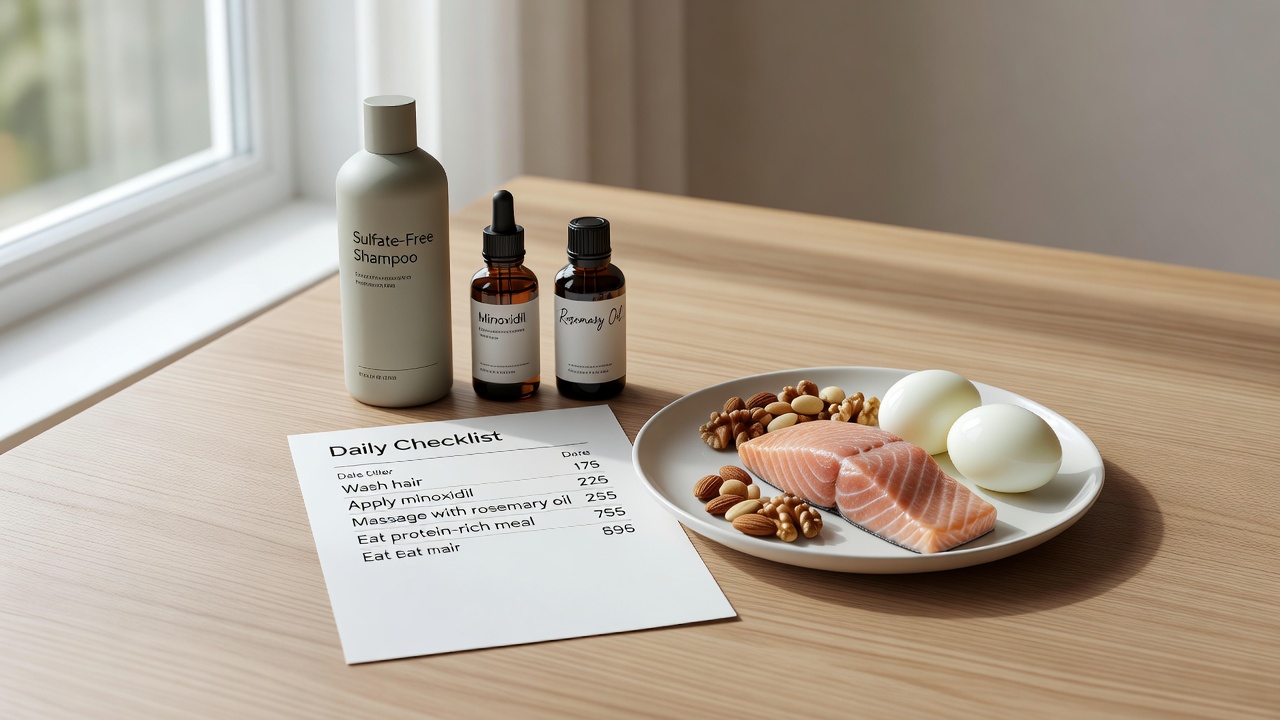
Start with gentle cleansing using sulfate-free shampoos. Wash hair every other day with lukewarm water, massaging the scalp in circular motions for two minutes. Pat dry instead of rubbing. From month three onward, introduce a mild conditioner applied mid-lengths to ends only. In the first month, focus exclusively on keeping the scalp clean to reduce infection risk while grafts settle. By the second month, patients can gradually introduce light exfoliation using soft brushes designed for post-transplant care. Year one requires patience as the hair enters the telogen phase before regrowth begins around month four or five. Real-world examples show that individuals who document their daily routine in a simple app achieve better compliance and visible improvements in density by the 12-month mark.
- Week 1–4: Use only clinic-provided or recommended foam cleansers twice daily.
- Month 2–6: Add biotin-infused shampoo three times weekly.
- Year 1+: Incorporate weekly scalp massages with rosemary oil diluted in carrier oil.
Patients who maintain this schedule report 20–30% better density retention compared to those who skip routines.
Recommended Products and Application Steps
Choose dermatologist-tested options free of harsh alcohols. Popular choices include minoxidil 5% topical solution applied once daily at night and ketoconazole shampoo used twice weekly. Always patch-test new products. A step-by-step checklist helps: 1) Cleanse scalp, 2) Apply treatment, 3) Wait 30 minutes before styling, 4) Track usage in a journal. Consider rotating between two or three approved shampoos to prevent scalp buildup. Some patients combine topical treatments with low-level laser therapy devices approved for home use, though results vary and should be discussed with the original Turkish clinic during follow-ups.
Nutrition Strategies to Support Follicle Health
Protein-rich diets fuel keratin production. Aim for 1.2–1.6 grams of protein per kilogram of body weight daily from sources like eggs, fish, and legumes. Include omega-3 fatty acids from walnuts and flaxseeds, plus zinc and vitamin D. Many returning patients add a daily multivitamin formulated for hair, consulting their physician first. Breakfast ideas include spinach omelets with avocado, while lunch could feature grilled salmon salads. Evening meals might incorporate lentils or quinoa bowls. Hydration plays an equally important role; aim for at least two liters of water daily to maintain scalp moisture. Patients who tracked their meals for the first six months noticed stronger hair strands and reduced breakage.
Scheduling Remote Follow-Ups with Turkish Clinics
Most clinics offer virtual consultations at 3, 6, and 12 months. Prepare photos under consistent lighting and share them via secure portals. Early detection of issues allows adjustments like topical therapy tweaks. Patients who attend all scheduled calls achieve higher satisfaction rates. Prepare a list of questions in advance, such as growth progress updates or product change recommendations. Some clinics provide shared Google Drive folders for photo uploads, making the process seamless for international patients.
Recognizing Signs of Complications Early
Watch for persistent redness beyond week six, excessive shedding after month four, or pus formation. Contact your surgeon immediately if these appear. Differentiate normal telogen effluvium from infection by monitoring temperature and swelling patterns. In one documented case, a patient from Germany noticed unusual itching at month five and scheduled an urgent video call, which led to a prescription adjustment that resolved the issue within weeks. Another patient ignored minor inflammation, resulting in delayed recovery that could have been prevented with prompt attention.
Common Maintenance Mistakes to Avoid
- Skipping sun protection: UV rays damage new grafts; wear hats outdoors for the first year.
- Over-exercising too soon: Delay intense cardio until month three to prevent sweating-induced irritation.
- Using styling products with sulfates: These strip natural oils and weaken strands.
- Ignoring stress management: High cortisol levels disrupt growth cycles; practice daily meditation.
- Neglecting scalp hygiene during travel: Airport security and long flights can dry out the scalp, so pack travel-size approved products.
Real Patient Examples and Timelines
Ahmed, a 38-year-old from the UK, followed strict nutrition and weekly massages. At 18 months, he achieved 85% density. In contrast, Maria skipped follow-ups and experienced patchy growth until she resumed care at month nine. Their stories highlight consistency over perfection. A third patient, Carlos from Spain, combined remote consultations with home-country dermatologist visits, leading to customized adjustments that improved his outcome beyond initial expectations.
Exercise and Sun Exposure Timelines
Light walking begins week two. Resume weight training at month three. Full sun exposure is safe after month six with SPF 50+ scalp protection. Swimming in chlorinated pools requires waiting until month four. For those who enjoy outdoor sports, protective headwear becomes essential during peak sunlight hours even after the initial recovery window closes.
Integrating Care with Your Local Healthcare Provider
Coordinate with a trusted dermatologist or trichologist in your home country for ongoing monitoring. Share your Turkish clinic's operative notes and aftercare protocol to ensure continuity. This hybrid approach has proven effective for patients who want both specialized surgical expertise from Turkey and convenient local support for routine check-ups.
FAQ
When can I resume intense workouts?
Most patients return to heavy lifting and HIIT at the three-month mark, once grafts are secure.
How long should I avoid direct sunlight?
Shield the scalp for at least six months; use wide-brimmed hats thereafter during peak UV hours.
Are supplements necessary long-term?
They support growth but are optional after year two if diet remains balanced.
What if I notice thinning years later?
Schedule a remote review; many clinics recommend maintenance minoxidil or PRP sessions.
Can I dye my hair after the transplant?
Wait at least six months and use ammonia-free dyes only after consulting your surgeon.
How does climate affect transplanted hair?
Extreme dry or humid conditions may require extra moisturizing routines; adjust based on your location.
Consistent aftercare transforms a successful Turkey procedure into lifelong results. Start today with one small habit and build from there. For authoritative guidance on hair restoration standards, visit the International Society of Hair Restoration Surgery and review evidence-based advice at Mayo Clinic. Additional resources are available through the American Academy of Dermatology.

No comments yet. Be the first!