 Veda Tour
Introduction to Advanced Hair Restoration in Turkey
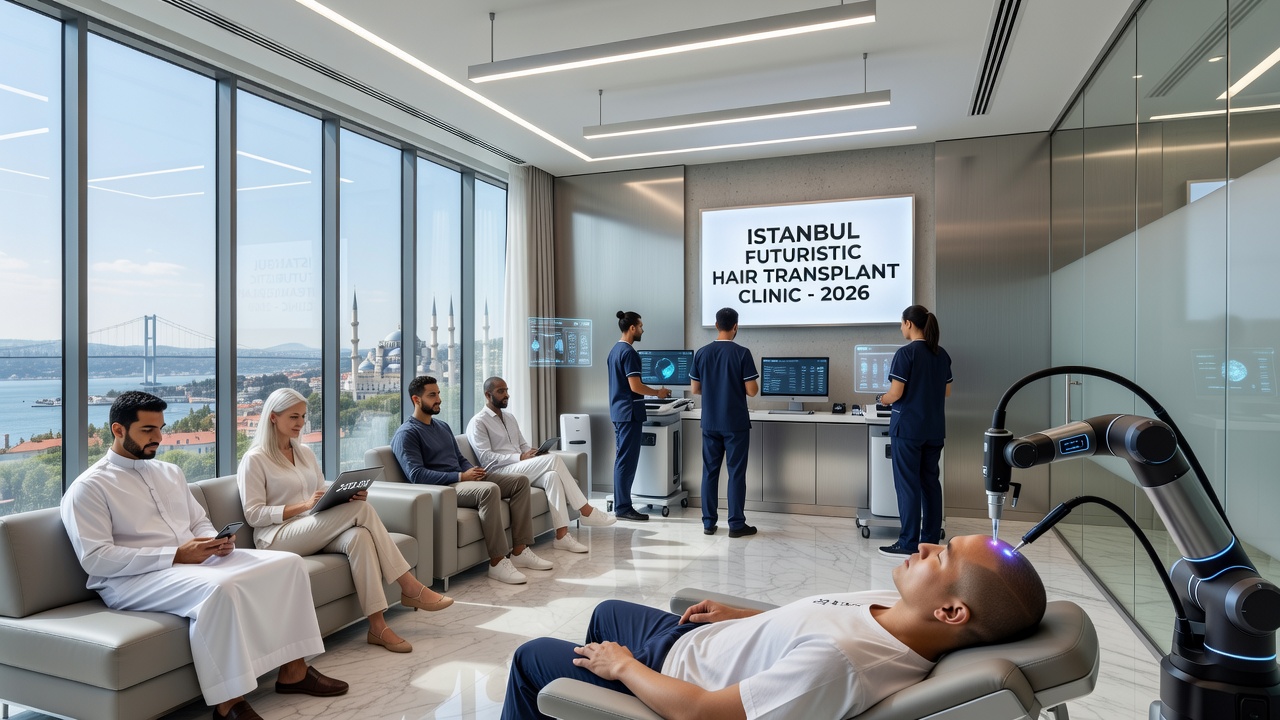
Turkey continues to lead the global medical tourism sector for hair restoration in 2026, attracting thousands of international patients annually with its blend of experienced surgeons, modern facilities, and innovative technologies. While traditional Follicular Unit Extraction (FUE) and Direct Hair Implantation (DHI) remain popular, forward-thinking clinics in Istanbul, Antalya, and Ankara now offer enhancements that address limitations in graft survival, precision, and recovery time. These advancements respond directly to patients searching for cutting-edge options that deliver superior density, natural-looking results, and seamless integration with travel itineraries. This comprehensive guide explores the latest developments, compares them to established methods, provides real patient insights, and offers actionable steps for medical tourists planning their journey.
The Evolution of Hair Transplant Technologies
Over the past decade, hair restoration has shifted from manual extraction techniques to highly sophisticated systems incorporating biological enhancements and digital tools. In 2026, Turkish clinics leverage these to overcome common challenges such as uneven hairlines, prolonged redness, and suboptimal follicle retention. Patients who previously considered only basic FUE now have access to hybrid approaches that combine multiple innovations for optimized outcomes. Understanding this evolution helps medical tourists make informed decisions rather than defaulting to the most advertised procedures.
Stem Cell Therapies Enhancing Graft Survival
Stem cell-enhanced procedures stand out as one of the most promising 2026 advancements. Clinics extract a small sample of the patient’s adipose tissue or blood, process it to isolate stem cells or growth factors, and apply these during implantation. This biological boost accelerates angiogenesis around new follicles, reduces inflammation, and improves overall graft take rates. Compared to standard FUE, where survival might average 85-90 percent, stem cell integration often achieves noticeably denser coverage with less shedding in the initial months. Recovery timelines shorten because the body’s natural healing mechanisms receive targeted support.
Real-world examples illustrate the difference. A 42-year-old patient from Germany underwent a stem cell-assisted transplant in Istanbul and returned to desk work within seven days, experiencing minimal swelling. Another case involved a 35-year-old Australian who combined stem cell therapy with a short Istanbul cultural tour, noting visible growth starting at month four rather than the typical five-to-six-month mark.
AI-Assisted Planning for Precision Results
Artificial intelligence has transformed pre-operative planning by analyzing high-resolution scalp images to map donor and recipient areas with sub-millimeter accuracy. Algorithms predict optimal graft angles, density gradients, and hairline designs tailored to facial structure and future hair loss patterns. This reduces human error and allows surgeons to simulate outcomes during virtual consultations, giving medical tourists confidence before booking flights. 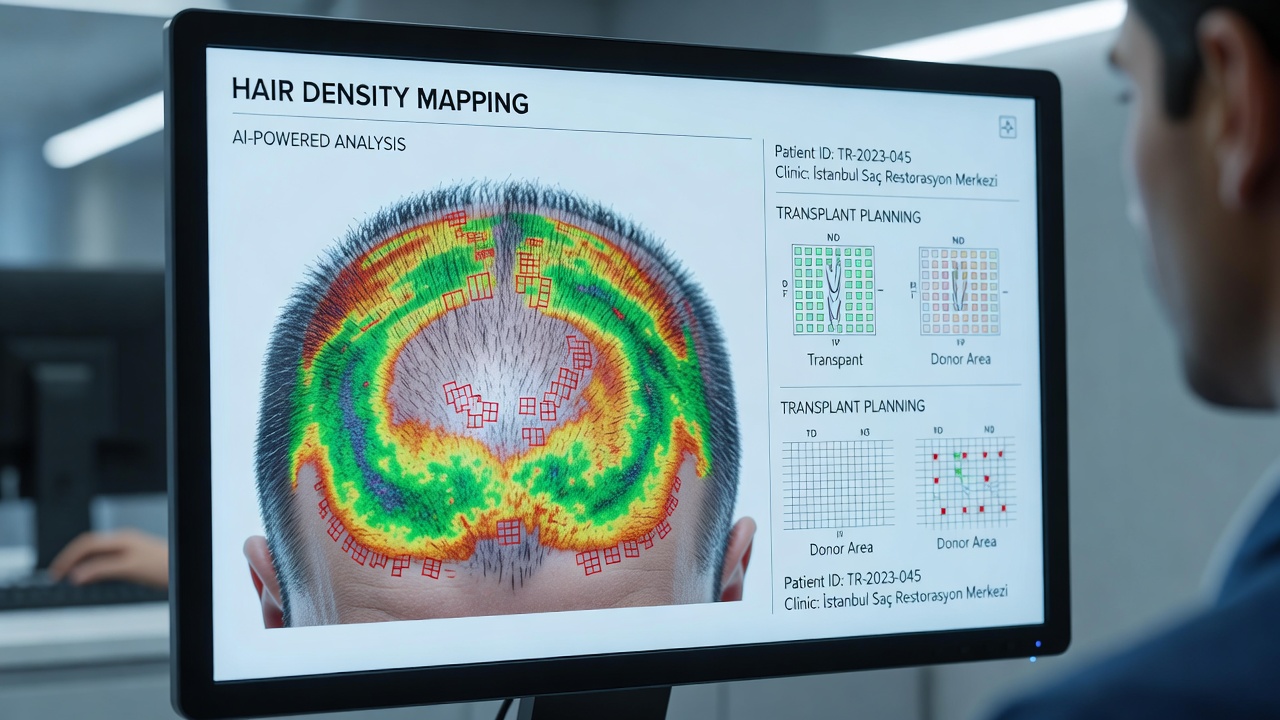
When compared to manual planning, AI-assisted cases show improved symmetry and up to 30 percent faster procedure times. Patients report fewer touch-up sessions needed later. Turkish clinics integrate these tools with robotic assistance for extraction, further enhancing consistency across large sessions of 4,000-plus grafts.
Enhanced Graft Preservation Methods
Preserving follicle viability between extraction and placement remains critical. 2026 methods employ specialized hypothermic solutions, oxygen-enriched environments, and platelet-rich plasma additives that maintain cellular integrity far better than traditional saline storage. These techniques lower transection rates and support robust growth even for patients with finer hair or larger transplant areas. Clinics often demonstrate their preservation protocols during tours, allowing visitors to see laboratory standards firsthand.
Key Comparisons to Traditional Techniques
- Efficacy: Emerging combinations deliver 5-15 percent higher survival rates based on clinic-reported data from recent cases.
- Downtime: Reduced post-operative swelling and scabbing enable light activities within three to five days versus seven to ten with conventional approaches.
- Longevity: Enhanced integration supports sustained, natural growth through 18-24 months with lower risk of shock loss.
- Cost-effectiveness over time: Fewer revisions translate to better long-term value for repeat medical tourists.
Practical Steps for Verifying Technology Availability
Medical tourists should approach consultations strategically to confirm access to specific innovations. Begin by requesting written documentation on equipment models, stem cell processing certifications, and AI software used. Schedule multiple video calls to review 2025-2026 case studies with measurable before-and-after metrics. Inquire about in-house laboratory capabilities and surgeon training records. Cross-reference independent patient forums for recent experiences and verify international accreditations. Finally, ask how each technology integrates with travel schedules, including recommended rest periods before flights.
Real-World Patient Examples from 2026 Clinics
Beyond the German and Australian cases, a Canadian executive received AI-planned surgery combined with advanced preservation in Antalya, transplanting 4,200 grafts and achieving styling-ready results by month nine. A UK patient scheduled stem cell treatment mid-week, using the following weekend for a relaxed coastal recovery before returning home with virtual follow-up support. These examples highlight how Turkish clinics accommodate diverse nationalities and lifestyles.
Mistakes to Avoid When Researching 2026 Options
Common pitfalls include selecting clinics based solely on price marketing, overlooking surgeon credentials, or failing to confirm technology availability in writing. Patients should also avoid rushing consultations or ignoring aftercare protocols that affect travel plans. Thorough verification prevents disappointment and ensures the chosen method aligns with individual hair characteristics and recovery needs.
FAQ: Safety, Results Timelines, and Travel Integration
Is stem cell hair transplant safe in Turkey?
Reputable clinics follow rigorous sterilization and regulatory standards. Confirm JCI accreditation and review ISHRS guidelines for international best practices before proceeding.
How long until results appear?
Initial shedding occurs in the first weeks, followed by visible growth at three months. Full density typically emerges between 12 and 18 months, varying by individual response and technology combination.
Can I combine treatment with travel plans?
Yes. Most patients schedule procedures early in the week and incorporate light sightseeing after initial recovery. Consult WHO medical tourism resources for health and safety recommendations during international travel.
What are potential risks with new technologies?
Risks remain low at accredited facilities but can include temporary swelling or infection if aftercare is neglected. Always discuss personalized risk profiles during consultations.
Conclusion
Emerging technologies position Turkey at the forefront of hair restoration innovation for 2026 medical tourists. By exploring stem cell therapies, AI-assisted planning, and enhanced preservation methods, patients gain access to outcomes that surpass traditional FUE and DHI in efficacy and convenience. Diligent research, verified consultations, and realistic travel planning ensure a successful experience that combines medical excellence with memorable international travel. Informed decision-making remains the key to achieving natural, lasting results while minimizing downtime.
No comments yet. Be the first!