 Veda Tour
Introduction to Communication in Turkey Hair Transplant Medical Tourism
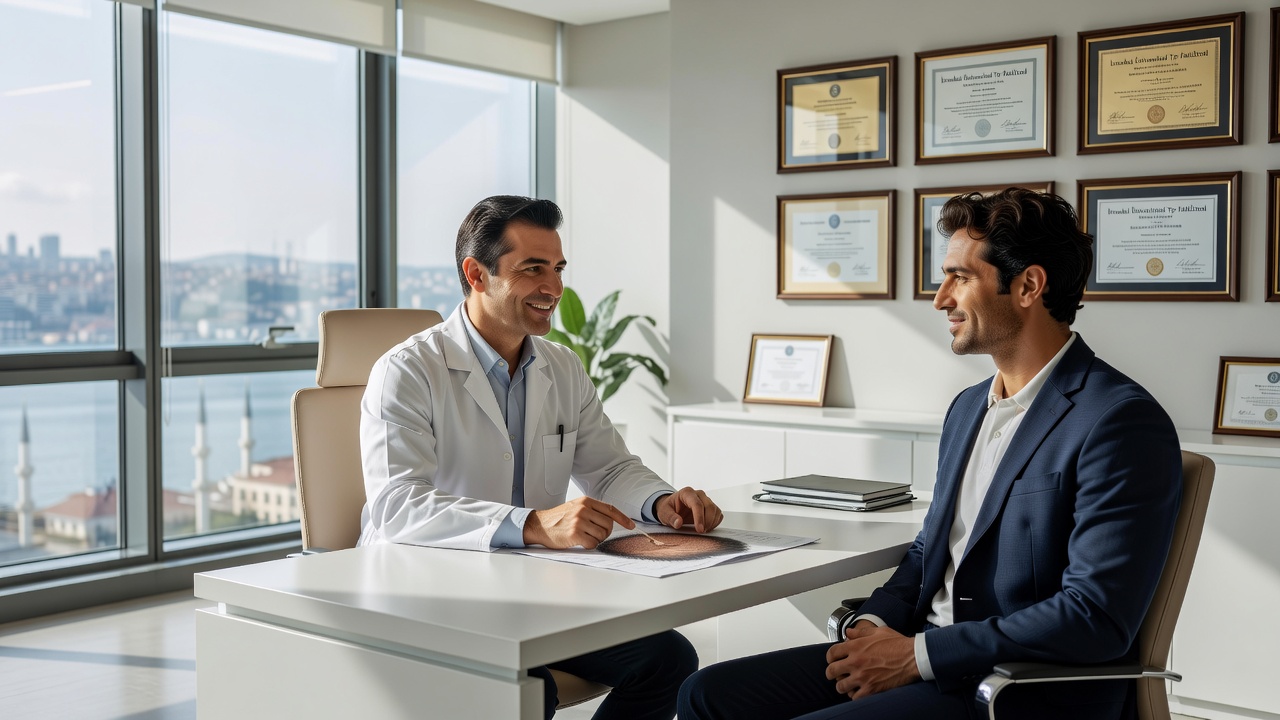
Planning a hair transplant in Turkey requires more than choosing the right clinic. Clear communication ensures your expectations align with medical realities and helps avoid costly misunderstandings that could affect results or recovery. As medical tourism to Turkey continues to grow in 2026, patients from around the world face unique language challenges that can impact treatment outcomes and overall satisfaction during every stage of the journey.
This comprehensive guide explores proven strategies for navigating conversations with Turkish medical teams, from initial inquiries through post-operative care. By preparing thoroughly and using the right resources, you can enjoy a smoother, more confident experience that leads to optimal hair restoration results.
Common Language Barriers in Turkish Hair Transplant Clinics
Many top clinics in Istanbul and Ankara employ English-speaking staff, yet nuances in medical terminology often create gaps. Patients frequently struggle with explaining hair loss patterns, scalp conditions, or medication allergies accurately during consultations. Misinterpretations around graft numbers or recovery timelines can lead to disappointment and the need for revisions later.
Turkish accents and regional dialects may also affect phone or video consultations, especially when discussing technical details like follicular unit extraction methods. Understanding these barriers early allows you to prepare targeted questions and request clarification when needed, reducing anxiety throughout the process.
Recommended Translation Tools and Apps
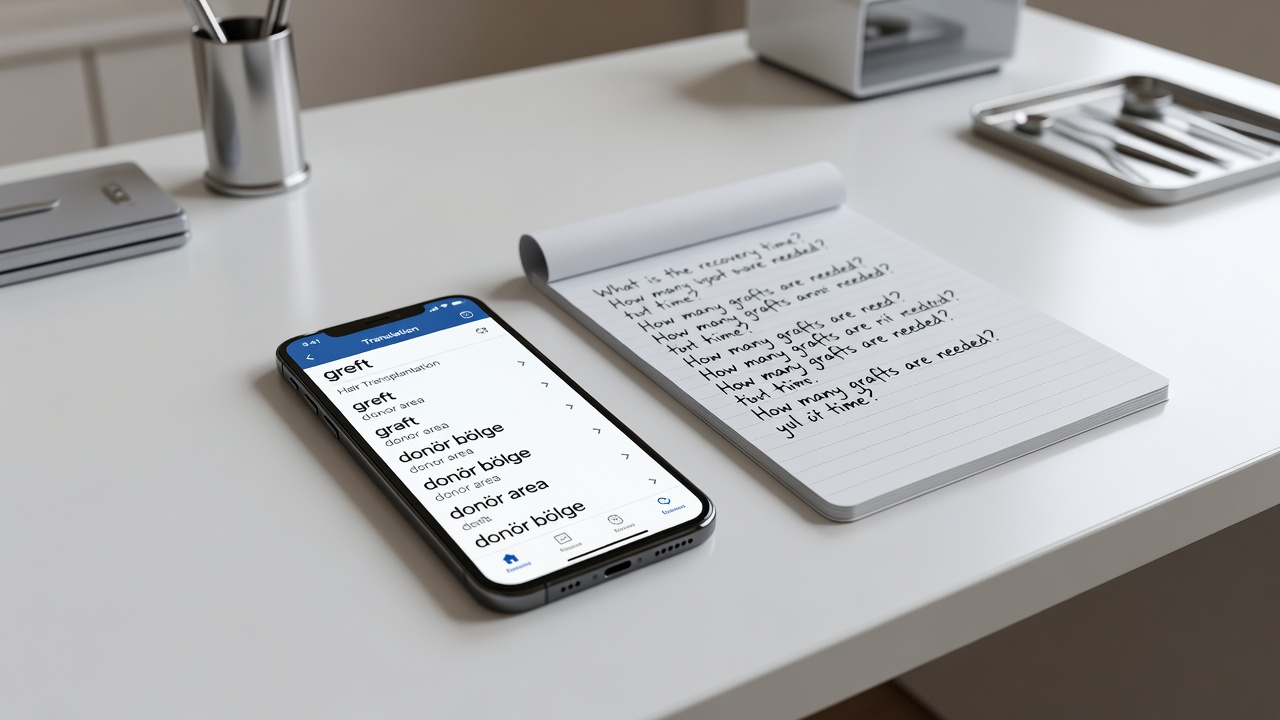
Modern technology bridges most language gaps effectively. Popular apps such as Google Translate and Microsoft Translator offer real-time conversation modes that work well during in-person meetings and follow-up texts. Specialized medical translation apps provide accurate terminology for hair restoration procedures, helping patients discuss topics like anesthesia options or donor area assessments with greater precision.
Always test apps beforehand and download offline language packs for Turkish to handle any connectivity issues in clinics. For critical discussions, consider professional interpreters recommended by your clinic. Reliable sources like Mayo Clinic emphasize verifying translated medical information with your physician to ensure accuracy.
How Top Clinics Handle Multilingual Consultations
Leading Turkish facilities maintain dedicated international patient coordinators fluent in English, Arabic, German, and Russian. These coordinators manage everything from initial video calls to follow-up messages and travel logistics. Many clinics also provide written treatment plans in multiple languages to reinforce verbal explanations and give patients time to review details at their own pace.
Virtual consultations often include screen-sharing of before-and-after photos and detailed diagrams. This visual approach reduces reliance on spoken language alone and helps patients visualize expected results while asking informed questions about density and hairline design.
Preparing Key Medical Questions in Advance
Compile a list of essential questions before your first consultation. Focus on topics such as surgeon credentials, anesthesia options, and post-care instructions. Having these ready in both English and Turkish ensures nothing is overlooked during busy appointment slots.
- What is the surgeon’s experience with my specific hair type and ethnicity?
- How many grafts are realistic for my donor area given my age and progression?
- What medications will I receive and why, including any potential side effects?
- What are the signs of complications I should report immediately after the procedure?
- How will follow-up care be coordinated once I return home, including remote check-ins?
Share this list with your coordinator ahead of time so they can prepare accurate responses and gather supporting materials.
Understanding Turkish Medical Terminology
Familiarize yourself with basic terms used in hair transplant discussions. Words like “greft” (graft), “donör bölge” (donor area), and “şok dökülme” (shock loss) appear frequently in treatment plans. Many clinics supply glossaries or translated documents that define these terms clearly, often including diagrams for visual learners.
Cross-reference any unfamiliar vocabulary with trusted medical websites such as World Health Organization resources on patient safety. This preparation prevents confusion during surgery planning and empowers you to participate actively in decisions about your care.
Building Rapport with International Patient Coordinators
Strong relationships with coordinators lead to better personalized care and quicker resolutions when issues arise. Respond promptly to messages, express gratitude for their assistance, and provide honest feedback about your comfort level throughout the process. Coordinators often act as cultural bridges, helping you navigate local customs and clinic protocols that might otherwise feel unfamiliar.
Successful patients report that small gestures, such as learning basic Turkish greetings like “merhaba” or “teşekkür ederim,” foster goodwill and encourage more attentive service from the entire team during your stay.
Real-World Patient Examples
One patient from the UK prepared a detailed symptom diary in advance, which helped his Turkish surgeon adjust the treatment plan for a previous scalp condition that required special consideration during the procedure. Another traveler from Canada used a dedicated translation app during recovery, enabling quick resolution of minor concerns via text messages with the coordinator and avoiding unnecessary worry about normal swelling.
A third example involves a patient from Australia who requested written summaries after every consultation; this practice allowed her to review instructions with family members back home and confirm understanding of medication schedules, leading to a complication-free recovery.
Common Mistakes to Avoid in Cross-Cultural Medical Communication
Many patients rush through consultations without asking for clarification, assuming the coordinator fully understands their concerns. Another frequent error is relying solely on machine translation for complex medical terms without double-checking with a human professional. Patients also sometimes neglect to share full medical histories, including previous surgeries or allergies, which can affect anesthesia choices or healing expectations.
To avoid these pitfalls, always request written confirmations of key points and schedule extra time for questions. Comparing notes with multiple clinics before deciding can also highlight differences in communication styles and transparency levels.
Post-Procedure Communication Strategies
After the transplant, ongoing dialogue remains essential for monitoring progress. Clinics typically schedule video follow-ups at set intervals to assess graft survival and address concerns like itching or redness. Patients should prepare photos in good lighting and keep a daily log of symptoms to share accurately, even when language support is available through apps.
This continued engagement helps identify any issues early and reinforces the trust built during the initial visit, ensuring long-term satisfaction with results.
Frequently Asked Questions About Communication Pitfalls
What if my coordinator misunderstands my expectations?
Request written confirmation of all discussed details, including graft estimates and timelines. Follow up with clarifying questions until both parties agree on the plan. Many clinics welcome this approach as it demonstrates your commitment to a successful outcome.
Are translation apps reliable for medical discussions?
They work well for everyday conversation but should be supplemented with professional interpretation for complex medical topics such as surgical risks or medication interactions. Always verify critical information directly with your surgeon during in-person meetings.
How do I handle follow-up questions after returning home?
Most clinics offer ongoing remote support through email or messaging apps. Keep records of all communications and share photos as requested for accurate assessments, typically within the first six months post-procedure.
What should I do if I encounter an unexpected language barrier on arrival?
Contact your coordinator immediately upon landing. Reputable clinics provide airport pickup with multilingual staff and can arrange an in-person interpreter for the initial examination if needed.
Conclusion
Effective communication transforms a Turkey hair transplant into a confident, low-stress experience. By addressing language barriers early, leveraging technology, and building strong relationships with clinic staff, medical tourists can achieve optimal results. Apply these strategies to ensure your 2026 journey is both successful and memorable, from the first consultation to full recovery.
No comments yet. Be the first!