 Veda Tour
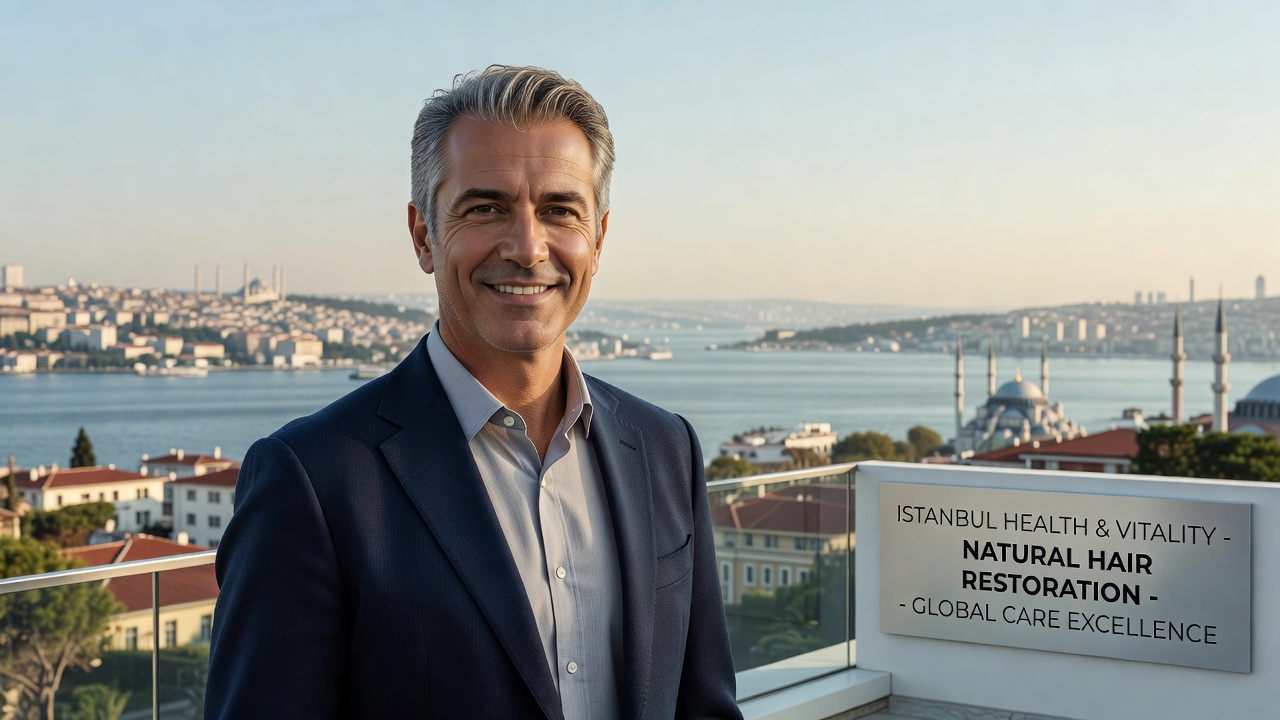
How Hair Loss Affects Mental Health and Self-Esteem
Hair loss can profoundly impact psychological well-being, leading to reduced self-esteem, social withdrawal, and even symptoms of anxiety or depression. Individuals experiencing androgenetic alopecia often report lower quality of life due to perceived changes in appearance and societal pressures around youthfulness and attractiveness. In the context of medical tourism to Turkey, many patients seek restoration not just for aesthetics but for emotional renewal, recognizing that visible thinning can affect everything from professional confidence to personal relationships. Research from leading health organizations highlights how chronic hair loss contributes to body image dissatisfaction, sometimes escalating into avoidance behaviors like skipping social events or altering career paths to minimize visibility.
Understanding these effects is crucial because hair loss is not merely cosmetic; it intersects with identity and self-worth. Patients frequently describe feeling older than their actual age or less capable in competitive environments. This emotional burden compounds when individuals compare themselves to peers or media ideals, creating a cycle of negative self-talk that impacts daily motivation and overall happiness.
Transformative Effects on Daily Life and Social Interactions
Restoring a natural hairline through advanced techniques like FUE or DHI can lead to significant mindset shifts. Patients frequently describe newfound confidence in professional settings, romantic relationships, and everyday interactions. Real examples include individuals who previously avoided photos or public events now embracing social opportunities with renewed vigor. This transformation extends to improved body image and reduced self-consciousness, allowing people to focus energy on career advancement or hobbies rather than concealment strategies such as hats or styling products.
In social scenarios, restored hair often translates to more authentic connections. Friends and family notice the positive energy, which reinforces the emotional benefits. For international travelers to Turkey, the combination of high-quality care and cultural hospitality further amplifies these gains, turning a medical trip into a holistic rejuvenation experience.
Real Patient Mindset Shifts
Many who travel to Turkey for procedures report a pivotal change in self-perception. Pre-surgery, they might have internalized negative narratives about aging or attractiveness. Post-procedure, the visible results foster resilience and optimism. Clinics often share anonymized testimonials highlighting these journeys, emphasizing how restoration supports mental health recovery. One common example involves a mid-career professional who regained the courage to pursue leadership roles after years of self-doubt tied to receding hairlines. Another involves younger patients who re-engage in dating scenes with authentic confidence rather than anxiety over appearance.
Managing Pre-Surgery Anxiety Effectively
Anticipating a hair transplant can trigger anxiety, especially when traveling abroad. Practical coping strategies include mindfulness exercises, virtual consultations with Turkish specialists, and connecting with support groups. Integrating wellness practices such as guided meditation or breathing techniques helps patients arrive mentally prepared. Creating a detailed itinerary that balances medical appointments with light tourism activities in Istanbul or Antalya can also reduce stress by framing the journey as an adventure rather than a clinical ordeal.
Journaling concerns beforehand and discussing them openly with the surgical team allows for tailored reassurances. Many clinics provide pre-arrival mental preparation guides that cover expected sensations and recovery milestones, helping normalize the process.
Integrating Wellness Support in Turkish Clinics
Leading facilities in Turkey combine medical expertise with holistic care, offering on-site counseling, relaxation areas, and follow-up mental health resources. This approach addresses both physical and emotional aspects, making the experience more supportive for international visitors. Some centers incorporate elements like yoga sessions or nutritional counseling focused on hair health, which indirectly bolsters psychological resilience during the healing phase.
These wellness integrations are particularly valuable for patients managing underlying stress or body image issues. By treating the whole person, clinics help ensure that the psychological benefits of restored hair are maximized and sustained.

Practical Steps for Selecting Supportive Providers
- Research clinic accreditations and surgeon credentials through official medical boards to ensure ethical standards and experience with international patients.
- Review patient forums and verified testimonials focusing on psychological outcomes, paying attention to mentions of emotional support during recovery.
- Schedule pre-consultations to discuss emotional support services alongside surgical details, asking specifically about counseling availability or stress-management resources.
- Verify post-operative care plans that include wellness check-ins, such as virtual follow-ups addressing both hair growth and mental adjustment.
- Compare packages that incorporate psychological preparation resources like guided relaxation materials or access to support networks.
- Evaluate communication quality, ensuring the team responds promptly to concerns about anxiety or expectations.
- Consider location factors, such as proximity to calm environments that aid relaxation during the stay.
- Request references from past patients who traveled for similar procedures to gain firsthand insights into the emotional journey.
Long-Term Emotional Outcomes and Timelines
Results typically become noticeable within 6-12 months, with full psychological benefits emerging as hair density improves. Patients often experience sustained boosts in confidence lasting years. Mayo Clinic resources on hair restoration underscore the importance of realistic expectations for optimal mental health gains. Over time, individuals report decreased reliance on compensatory behaviors and a stronger sense of personal agency.
Tracking progress through photos and personal reflections can enhance these outcomes. Many patients find that the initial excitement evolves into a deeper appreciation for self-care, prompting healthier lifestyle choices that support both physical and emotional well-being long after the procedure.
FAQs on Psychological Timelines and Coping Strategies
How soon after surgery do emotional benefits appear?
Initial confidence lifts may occur within weeks as swelling subsides, but deeper mindset changes align with visible hair growth around the 3-6 month mark, continuing to strengthen through the first year.
What coping strategies help during recovery?
Journaling progress, maintaining social connections, following clinic wellness guidelines, and engaging in light physical activity prove effective for many patients navigating the waiting period.
Are there risks of post-procedure disappointment?
Choosing experienced providers and setting realistic goals minimizes this. World Health Organization guidelines on mental health in medical contexts recommend thorough preparation and ongoing support.
How can family members support the psychological transition?
Offering positive reinforcement without pressure and participating in shared activities that celebrate the change helps reinforce new confidence levels.
Conclusion
Hair transplants in Turkey offer more than physical change—they unlock profound psychological benefits that enhance overall quality of life. By addressing self-esteem challenges and providing supportive care, this medical tourism option empowers patients toward lasting emotional well-being. With careful planning and the right clinic partnership, individuals can achieve transformative results that extend far beyond the mirror.

No comments yet. Be the first!