 Veda Tour
Introduction
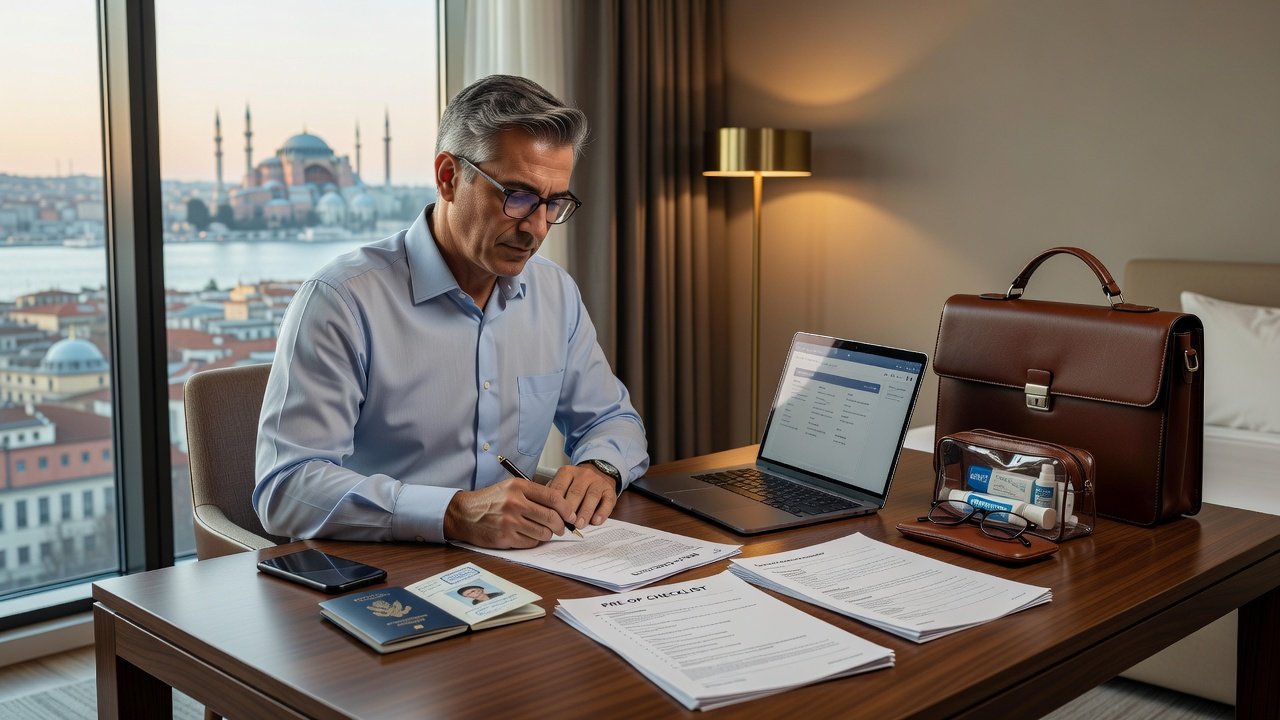
Planning a hair transplant trip to Turkey requires careful preparation to minimize risks and maximize results. This comprehensive pre-op checklist addresses the needs of medical tourists researching procedures in 2026, focusing on medical evaluations, medication adjustments, lifestyle changes, and practical logistics. Thorough planning helps patients arrive ready for surgery and supports smooth recovery. Turkey has become a leading destination for hair restoration due to experienced surgeons and advanced clinics, but success depends heavily on how well you prepare before boarding your flight. Rushing into the process without addressing health factors can lead to complications such as poor graft survival or extended downtime. By following a structured timeline and checklist, you can optimize your body for the procedure and reduce anxiety during the journey.
Medical Evaluations Before Travel
Start with a full medical evaluation at least four to six weeks before departure. Blood tests, scalp analysis, and overall health screening identify any contraindications such as anemia, thyroid issues, or clotting disorders. Share complete medical history with your clinic, including allergies and past surgeries. Virtual consultations allow surgeons to review photos and discuss expectations in advance. Patients should request copies of all test results to carry with them. For those with chronic conditions like diabetes, additional clearance from an endocrinologist may be required. Compare preparation needs for FUE versus FUT methods. FUE typically requires less invasive prep since it avoids linear incisions, but both demand stopping blood thinners and confirming donor area suitability. Patients undergoing FUE often resume light activities sooner, while FUT may involve additional wound care planning. DHI techniques, which use implanter pens, follow similar donor preparation but may require extra attention to graft handling during transport.
Schedule follow-up blood work if any abnormalities appear in initial tests. This step ensures you are physically ready and helps the surgical team tailor anesthesia and post-op medications appropriately.
Medication Adjustments and Health Optimization
Adjust medications under physician guidance. Discontinue aspirin, ibuprofen, and certain supplements like vitamin E or fish oil at least two weeks prior to avoid bleeding risks. Continue prescribed medications unless advised otherwise. Coordinate with your primary doctor to manage any chronic conditions such as hypertension or diabetes. Review CDC travel health guidelines for Turkey-specific recommendations on routine and travel-related immunizations. It is also wise to consult resources from World Health Organization on international medical travel safety. Create a medication log listing every supplement and prescription with dosages and stop dates. Bring this log to your final pre-travel appointment so your doctor can confirm everything is aligned with surgical requirements. Some patients benefit from a short course of prescribed vitamins to boost healing, but only after professional approval.
Lifestyle Changes for Optimal Results
Adopt healthy habits early. Quit smoking at least four weeks before surgery, as nicotine impairs blood flow and healing. Limit alcohol intake and maintain a balanced sleep schedule. Regular exercise improves circulation but avoid strenuous workouts in the final week. Dietary recommendations include increasing protein-rich foods, leafy greens, and hydration while reducing processed sugars. Begin a nutrient-dense regimen with biotin or zinc if approved by your surgeon to support hair growth post-procedure. Practical examples include starting the day with eggs and spinach for breakfast, adding salmon or lentils at lunch, and ending with a salad containing nuts and seeds. Patients who follow these changes report better energy levels upon arrival and faster initial healing. Track your progress in a journal to stay motivated during the weeks leading up to travel.
Virtual Consultations: Key Discussion Points
Use video calls to clarify details. Discuss graft numbers, hairline design, anesthesia options, and aftercare protocols. Ask about clinic accreditation, surgeon credentials, and contingency plans for complications. Request before-and-after photos of similar cases and confirm the surgical timeline upon arrival in Turkey. Prepare a list of questions in advance covering topics such as expected swelling duration, activity restrictions, and how the clinic handles follow-up care once you return home. Bring photos of your desired hairline to the call so the surgeon can provide realistic feedback. Clarify whether the quoted graft count includes single or multi-hair follicles and how that affects density goals.
Packing List for Aftercare
Prepare a dedicated aftercare kit. Include loose button-up shirts, a travel pillow to avoid pressure on grafts, saline spray, gentle shampoo, and broad-spectrum sunscreen. Pack medications, compression socks for flights, and copies of medical records. Add snacks, entertainment, and comfortable clothing for the recovery period in your hotel. Consider including a small spray bottle for frequent scalp misting, a wide-tooth comb for gentle detangling once permitted, and a hat with a loose fit for sun protection during outdoor walks. Organize items in clear zip bags labeled by day to simplify use during the first week when energy may be low.

Sample Timeline for Preparation
- 6 weeks out: Complete medical tests and initial virtual consult.
- 4 weeks out: Begin lifestyle changes and medication adjustments; start smoking cessation program.
- 3 weeks out: Finalize dietary improvements and confirm all prescriptions.
- 2 weeks out: Finalize packing, confirm travel documents, and review post-op instructions.
- 1 week out: Avoid alcohol, smoking, and heavy exercise; arrive in Turkey 1–2 days early for final checks.
- Arrival day: Rest and hydrate while avoiding jet lag triggers.
Travel Arrangements and Arrival Steps
Book flights that allow at least two days of rest before surgery. Arrange airport transfers through the clinic to avoid stress. Upon landing, verify your hotel has the recommended amenities such as a refrigerator for medications and easy access to pharmacies. Carry a printed copy of your surgical agreement and passport in your carry-on bag at all times.
Risks and How Preparation Mitigates Them
Poor preparation can increase chances of infection, shock loss, or unsatisfactory density. By completing evaluations and lifestyle changes, patients significantly lower these risks. Always follow clinic-specific instructions rather than generic online advice.
FAQ
What documents should I bring?
Carry passport, medical records, consultation notes, insurance details if applicable, and a copy of your surgical agreement.
How does FUE prep differ from other methods?
FUE focuses on donor area shaving and minimal downtime, while strip methods may require extra attention to incision sites and DHI may emphasize precise graft placement tools.
Can I travel immediately after surgery?
Most clinics recommend staying 7–10 days for follow-up before flying home.
What if I have a last-minute health issue?
Contact the clinic immediately; they may reschedule or provide guidance on safe adjustments.
Are there specific foods to avoid in Turkey before surgery?
Steer clear of overly spicy or heavy meals in the 48 hours before the procedure to prevent stomach upset from anesthesia.
Conclusion
A structured pre-op checklist ensures you arrive in Turkey fully prepared. By addressing medical, lifestyle, and logistical factors, patients reduce complications and achieve better outcomes. Consult your chosen clinic early and follow all personalized instructions for a successful 2026 hair restoration journey.

No comments yet. Be the first!