 Veda Tour
Introduction
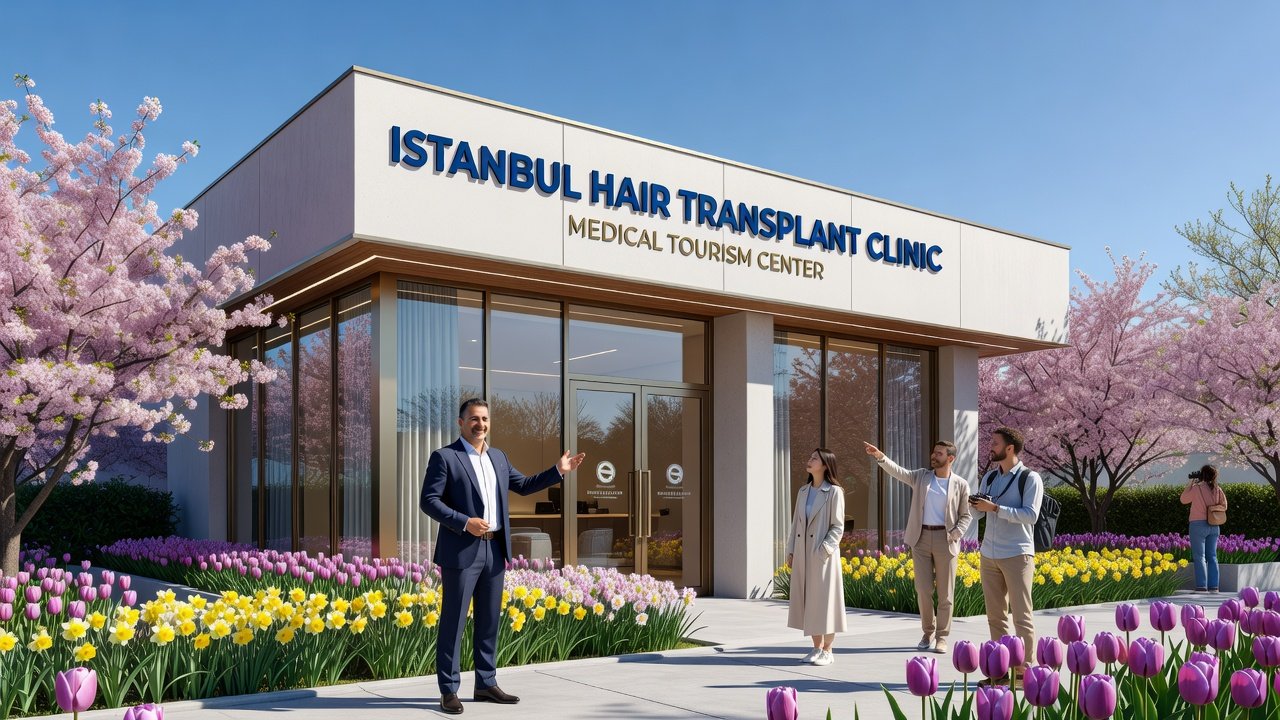
Planning a hair transplant in Turkey in 2026 requires careful consideration of seasonal factors to ensure comfortable recovery and optimal results. Turkey remains a leading destination for medical tourism due to its advanced clinics and skilled surgeons. This guide explores how weather patterns influence healing, swelling, and sun exposure risks while addressing peak pricing and clinic availability. Medical tourists often seek the best timing to minimize disruption to work and daily life, maximize value, and achieve the highest success rates. Understanding Turkey's diverse climate across cities like Istanbul, Ankara, and Antalya helps patients make informed decisions that support both physical healing and enjoyable travel experiences.
Understanding Seasonal Impacts on Recovery
Turkey's climate varies significantly across regions, with Istanbul experiencing hot summers and cold winters. Summer heat can increase swelling and discomfort during the initial healing phase, while winter chill may affect outdoor activities. Patients should avoid excessive sun exposure, which risks damaging newly transplanted grafts. Spring and autumn stand out as preferred windows because mild temperatures reduce inflammation and allow for easier post-operative care routines such as gentle washing and medication adherence. In contrast, extreme heat accelerates sweating that can irritate incisions, and freezing temperatures may limit mobility during the critical first week when patients need rest. Clinics frequently advise against peak summer months for these reasons, as documented recovery protocols emphasize temperature control for graft survival.
Summer Considerations
June through August brings high temperatures and humidity that prolong swelling and increase infection risks if patients cannot stay cool indoors. Those traveling during these months must prioritize air-conditioned accommodations and limit sightseeing until after the first ten days.
Winter Considerations
December to February offers cooler conditions suitable for indoor recovery but can bring rain or snow that complicates airport transfers and follow-up visits. Layered clothing helps, yet patients report higher fatigue when navigating cold weather shortly after surgery.
Month-by-Month Checklist for 2026
Creating a detailed month-by-month plan allows medical tourists to align procedures with personal schedules and Turkish conditions. Here is an expanded checklist with practical examples for each period.
- January-February: Cooler weather aids indoor recovery but may coincide with higher demand around New Year holidays. Patients report successful outcomes when booking early; however, icy sidewalks require careful mobility planning. Clinics often have strong availability mid-week.
- March-May: Spring brings comfortable temperatures ideal for combining treatment with light sightseeing. March offers the lowest crowds, while May sees blooming landscapes perfect for gentle walks during the second week of recovery. Many international visitors choose April for balanced weather and flight deals.
- June-August: Hot summers increase sun risks and swelling; best avoided unless the patient can remain fully indoors. Those who must travel in July should select clinics with robust aftercare including cooling packs and strict sun-avoidance instructions.
- September-November: Autumn provides balanced weather and fewer crowds, making it the most recommended window. September allows quick healing before cooler months, while October supports combining the trip with cultural festivals. November remains mild enough for outdoor recovery activities.
- December: Holiday periods affect availability; plan early for post-procedure care. Early December works well before peak festivities, but late December clinics may close for Turkish holidays, delaying follow-ups.
Work Leave Planning and Travel Strategies
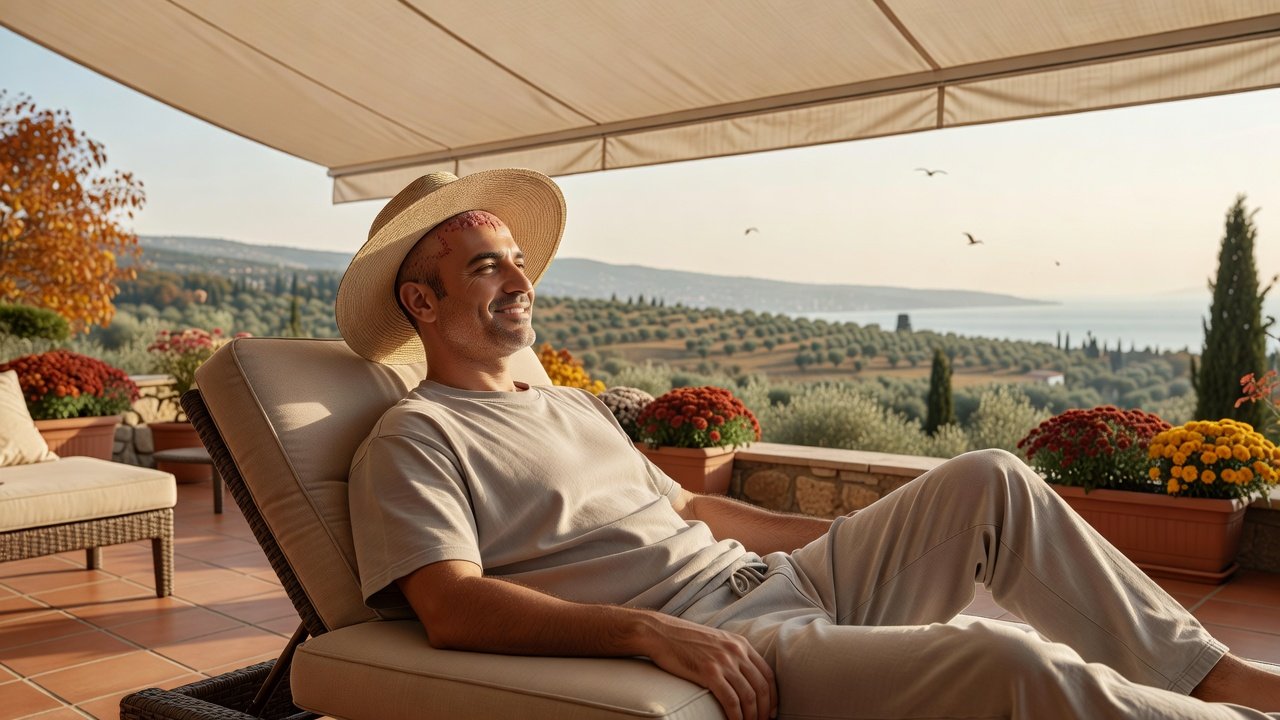
Aligning your procedure with work schedules minimizes downtime. Many patients take 7-10 days off, factoring in travel and initial recovery. Turkish holidays like Ramadan can affect clinic hours, so check calendars in advance. For example, a teacher might schedule during spring break in April, allowing return to work fully healed. Remote workers enjoy greater flexibility and often select September when flights are less crowded. Always build in buffer days for potential flight delays or extended rest needs. Packing loose hats, comfortable pillows, and prescribed medications ensures smoother journeys. Families traveling together should coordinate activities so companions can explore while the patient rests.
Booking Strategies and Cost Fluctuations
Off-peak months often yield better availability and potentially lower rates. Booking 3-6 months ahead is advisable to secure preferred surgeons. Research clinic reviews thoroughly and confirm all-inclusive packages cover transfers, medications, and follow-up consultations. For health guidelines, consult World Health Organization resources on international medical travel. Similarly, the Centers for Disease Control and Prevention offers travel health advisories relevant to Turkey. Another useful reference is the U.S. Department of State travel site for current entry requirements. Patients who book during shoulder seasons frequently enjoy shorter wait times and more personalized attention from staff.
Mistakes to Avoid When Timing Your Trip
Common errors include ignoring sun exposure rules in summer or underestimating winter travel fatigue. Another pitfall is scheduling during major Turkish holidays without confirming clinic operations, leading to postponed check-ups. Always verify weather forecasts closer to travel dates and maintain open communication with your clinic coordinator regarding seasonal advice.
FAQs on Combining Procedures with Off-Peak Travel
Q: Can I combine a hair transplant with vacation? Yes, autumn months allow light tourism post-recovery such as museum visits after day seven.
Q: How does weather affect swelling? Milder seasons reduce inflammation compared to extremes, speeding visible improvement.
Q: What if I have limited annual leave? Choose March or October for shorter flights and quicker acclimation.
Q: Are there benefits to winter travel? Lower tourist volumes mean more relaxed clinic environments and easier appointment slots.
Q: How early should I book for 2026? Secure dates by late 2025 for optimal surgeon selection during popular spring slots.
Conclusion
Choosing the right time in 2026 enhances both comfort and outcomes for your Turkey hair transplant. Prioritize moderate weather periods and plan around availability for the best experience. Thorough preparation transforms the journey into a rewarding medical tourism adventure with lasting positive results.
No comments yet. Be the first!