 Veda Tour
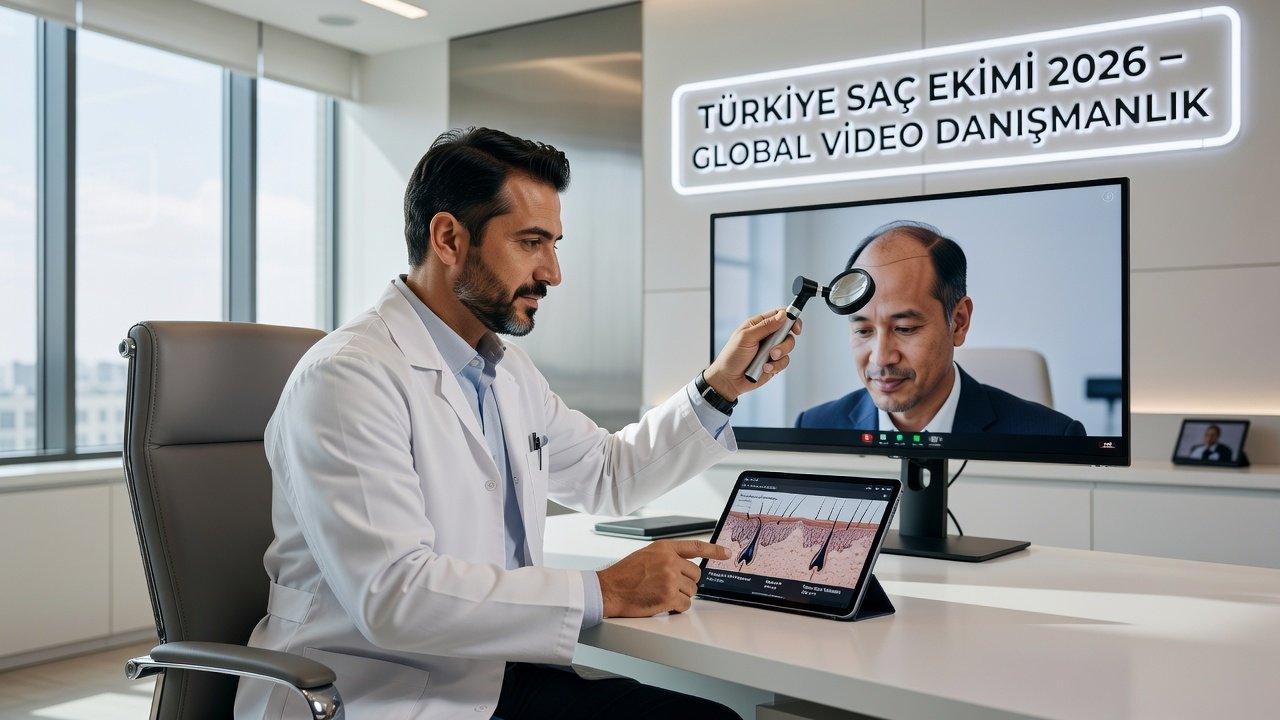
Introduction to Hair Transplant Consultations in Turkey
Planning a hair transplant in Turkey as a first-time medical tourist requires thorough preparation, especially during the initial consultation phase. This guide helps you navigate the process confidently in 2026 by focusing on key questions about surgeon credentials, clinic safety, and realistic outcomes. With Turkey remaining a top destination for affordable, high-quality procedures, understanding what to discuss upfront can make all the difference in achieving natural-looking results. Medical tourists often travel from Europe, the Middle East, and beyond, combining treatment with travel logistics. A strong consultation builds trust and sets clear expectations for follow-up care and timelines. Many patients report that investing time in preparation reduces anxiety and improves overall satisfaction with their experience abroad.
The consultation serves as your opportunity to evaluate the medical team just as much as they evaluate your suitability for the procedure. In 2026, advancements in techniques continue to evolve, making personalized discussions even more critical for optimal results.
Step-by-Step Preparation Tips Before Your Consultation
Before meeting your doctor, gather your medical history, including any medications, allergies, or previous scalp treatments. Research the clinic's reputation through verified patient reviews on independent platforms. Prepare photos of your hairline from multiple angles to share during the video or in-person meeting. Consider travel aspects such as visa requirements, flight bookings, and accommodation near the clinic. Factor in recovery time, as most patients need 7-10 days in Turkey before flying home. Discuss these logistics openly to ensure a smooth experience. Additional preparation includes creating a dedicated notebook or digital document for notes during the call, researching common hair loss patterns like Norwood stages to better communicate your concerns, and testing your internet connection for video consultations to avoid technical disruptions. Patients who prepare this way often feel more empowered and receive more tailored advice from the surgeon.
It is also wise to review any family history of hair loss and note lifestyle factors such as smoking or diet that could affect healing. This level of detail helps the doctor provide accurate assessments during the consultation.
Understanding Different Hair Transplant Techniques
Before diving into questions, familiarize yourself with popular methods used in Turkish clinics. FUT involves removing a strip of scalp, while FUE extracts individual follicles for less scarring. DHI uses a specialized pen for direct implantation. During your consultation, ask which technique suits your hair density and donor area. Comparing these options helps set realistic expectations about recovery and final appearance. Many clinics in Turkey specialize in FUE due to its minimal invasiveness, but your unique scalp condition may call for a hybrid approach discussed in detail with the surgeon.
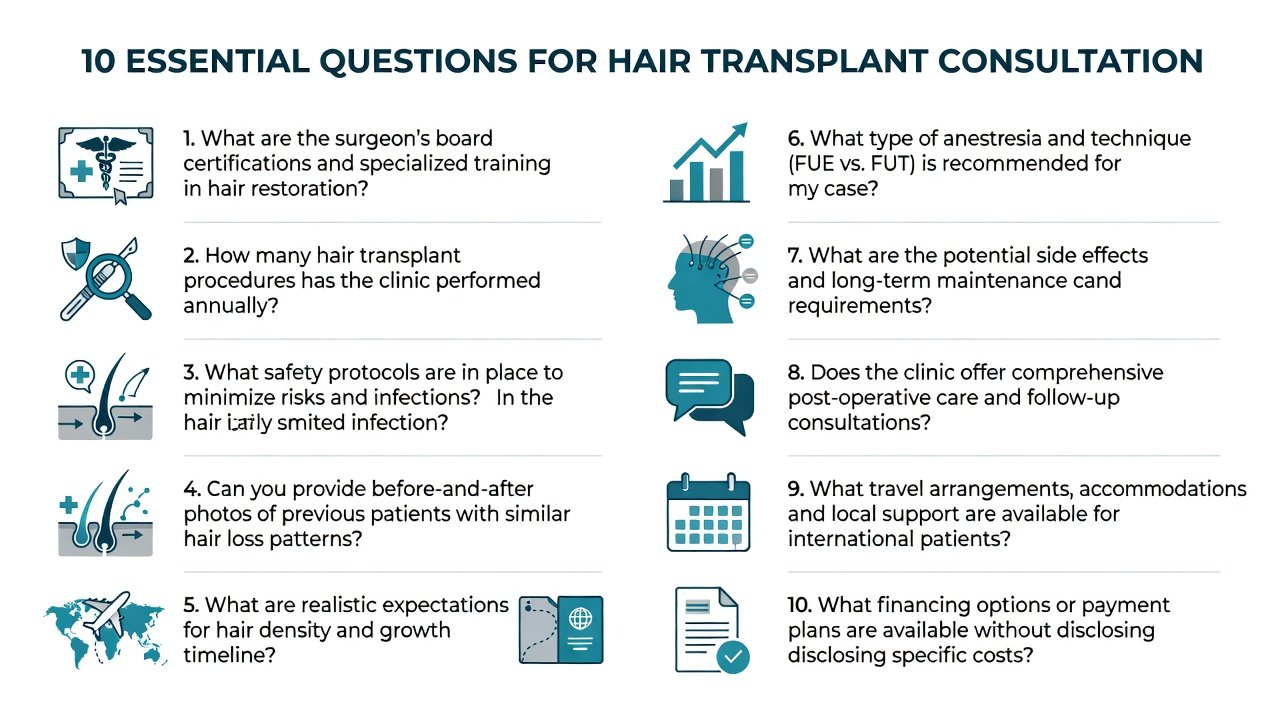
10 Essential Questions to Ask Your Doctor
Asking targeted questions during the consultation ensures you receive comprehensive information. Here is a detailed checklist of ten essential questions, each designed to uncover critical details about your procedure and the provider.
- What are your specific qualifications and how many hair transplant procedures have you performed?
- Can you provide before-and-after photos of patients with similar hair loss patterns to mine?
- What technique do you recommend for my case, and why?
- How do you ensure clinic safety standards meet international guidelines?
- What are the expected timelines for visible results and full growth?
- How is follow-up care handled after I return home?
- Are there any risks specific to my health profile?
- Who will perform the surgery—the lead surgeon or technicians?
- What post-operative instructions should I follow?
- How do you handle revisions if results do not meet expectations?
Each answer should be clear and evidence-based, giving you confidence in moving forward.
Red Flags to Watch for During Consultations
Be cautious if the doctor avoids direct questions about credentials or pressures you into immediate booking without a full assessment. Unwillingness to share real patient results or vague answers about safety protocols are warning signs. Clinics that promise unrealistic density or guarantee 100% success rates often overlook individual factors. During video calls, note if the environment appears unprofessional or if communication feels rushed. In-person meetings should include a physical scalp examination. Additional red flags include reluctance to discuss complications or failure rates, lack of transparency about the surgical team composition, and any attempts to upsell unnecessary add-on services without medical justification. Experienced patients recommend recording the consultation (with permission) for later review to catch any inconsistencies.
Real Patient Examples of Successful Consultations
One patient from the UK prepared a detailed list of questions and requested video evidence of the surgical team. This led to a positive experience with clear communication on aftercare, resulting in natural density after 12 months. Another traveler from Canada focused on travel logistics and follow-up support, avoiding potential issues with international coordination. A third example involves a patient from Australia who asked specifically about technician involvement and received customized aftercare instructions that prevented infection during the return flight. These stories highlight how proactive questioning leads to better outcomes and smoother medical tourism experiences.
Travel Logistics and Medical Tourism Considerations
International patients must plan flights, transfers, and hotel stays around the procedure date. Many clinics offer packages that include airport pickup and accommodation, but confirm these details early. Discuss time zones for follow-up calls and how language barriers will be managed. For 2026 travelers, checking current entry requirements for Turkey remains essential, along with travel insurance that covers medical procedures abroad. Building a buffer day before the consultation allows time to adjust to jet lag and finalize any last-minute questions.
Cost Transparency Discussions
Discuss all potential fees openly, including consultations, medications, and any additional sessions. Transparent clinics provide itemized breakdowns. For international patients, factor in flights, hotels, and time off work when planning for 2026 procedures. Always request written estimates to avoid surprises upon arrival.
FAQ: Common Concerns About Follow-Up Care and Results Timelines
How soon can I expect initial results?
Most patients see shedding in the first few weeks, with new growth starting around 3-4 months and significant improvement by 9-12 months.
What if I need follow-up care after returning home?
Reputable clinics offer virtual check-ins and coordinate with local doctors if needed. Always confirm this support during consultation.
Are there risks with traveling after the procedure?
Discuss flight timing with your surgeon, as pressure changes can affect healing. Many recommend staying at least a week post-procedure.
How do I verify surgeon credentials independently?
Request membership details from organizations like the International Society of Hair Restoration Surgery and cross-check online.
What happens if results fall short of expectations?
Clarify revision policies upfront, including any associated costs or timelines for corrective procedures.
Conclusion
A thorough consultation sets the foundation for a successful Turkey hair transplant in 2026. By asking the right questions, recognizing red flags, and preparing for logistics, first-time medical tourists can approach their journey with confidence. Always prioritize safety and realistic expectations for the best long-term outcomes. For general health advice on medical travel, consult resources like World Health Organization and Centers for Disease Control and Prevention.

No comments yet. Be the first!