 Veda Tour
Turkey Hair Transplant Nutrition Tips for Faster Recovery 2026
Medical tourists traveling to Turkey for hair transplant procedures often prioritize clinic reputation and surgical expertise, but nutrition is a foundational element that directly influences healing speed, graft survival, and final hair growth results. In 2026, with Turkey remaining a top destination for affordable, high-quality hair restoration, patients are increasingly seeking integrated approaches that combine medical care with dietary optimization. This comprehensive guide explores targeted nutrition strategies designed specifically for those undergoing procedures in Istanbul clinics, covering pre-operative preparation, immediate post-op care, long-term support, and practical integration with travel schedules. By focusing on biotin, protein, anti-inflammatory compounds, and local Turkish ingredients, patients can achieve noticeably better outcomes compared to those relying solely on standard post-surgical instructions.
Why Nutrition Matters After a Hair Transplant in Turkey
The body undergoes significant stress during a hair transplant, with thousands of follicles extracted and implanted, triggering inflammation, tissue repair, and new blood vessel formation. Adequate nutrition supplies the building blocks for collagen production, reduces oxidative stress, and supports immune function to prevent infections. Research from global health authorities shows that deficiencies in key micronutrients can extend recovery time by weeks and lower graft success rates. For medical tourists, who often face additional challenges like jet lag, unfamiliar food environments, and limited kitchen access in hotels, strategic eating becomes even more essential. Poor nutrition might lead to prolonged swelling, delayed scab shedding, or weaker hair regrowth, while optimized intake promotes faster epithelialization and stronger follicle anchoring within the first month.
Pre-Op Nutrition Plan
Begin dietary adjustments at least 14 days before your scheduled procedure to build nutrient stores. Emphasize anti-inflammatory foods and consistent hydration while eliminating items that promote swelling or poor circulation. A structured plan includes consuming 1.2 to 1.6 grams of protein per kilogram of body weight daily, sourced from eggs, fish, and legumes. Incorporate biotin-rich options such as avocados, nuts, and leafy greens at every meal. Sample daily schedule: breakfast of oatmeal with chia seeds and berries; lunch featuring grilled turkey with quinoa and vegetables; dinner of baked salmon and sweet potato. Track progress with a simple journal noting energy levels and any digestive changes. Patients who follow this approach report entering surgery with better baseline health, which correlates with smoother immediate recovery.
Key Foods Rich in Biotin and Protein
Biotin aids keratin synthesis essential for hair shaft strength, while protein provides amino acids for tissue regeneration. Prioritize whole food sources over isolated supplements for superior absorption and synergistic nutrients. Eggs deliver complete protein plus biotin; one large egg offers approximately 6 grams of protein and 10 micrograms of biotin. Salmon and other fatty fish supply omega-3 fatty acids that combat inflammation alongside biotin. Plant-based alternatives include lentils, chickpeas, and spinach for iron and folate. Turkish markets excel here with fresh, affordable options like walnuts and hazelnuts that combine healthy fats with minerals. In contrast to supplements, which may cause digestive upset or inconsistent dosing, these foods offer sustained release and additional benefits such as antioxidants that protect newly transplanted follicles from free radical damage.
Foods to Avoid During Recovery
Certain foods can exacerbate inflammation or interfere with medication absorption. High-sodium processed items like chips and canned soups increase fluid retention and swelling around the recipient area. Spicy dishes common in some Turkish street foods may cause discomfort or itching during the first week. Excessive caffeine and alcohol dehydrate tissues and impair sleep, both critical for healing. Red meat should be limited initially due to higher saturated fat content that can slow circulation. Instead, substitute with lighter proteins and focus on steamed or grilled preparations. Patients who avoid these triggers typically experience 30-40% less post-operative edema according to clinic follow-up observations.
Turkish Superfoods Versus Supplements
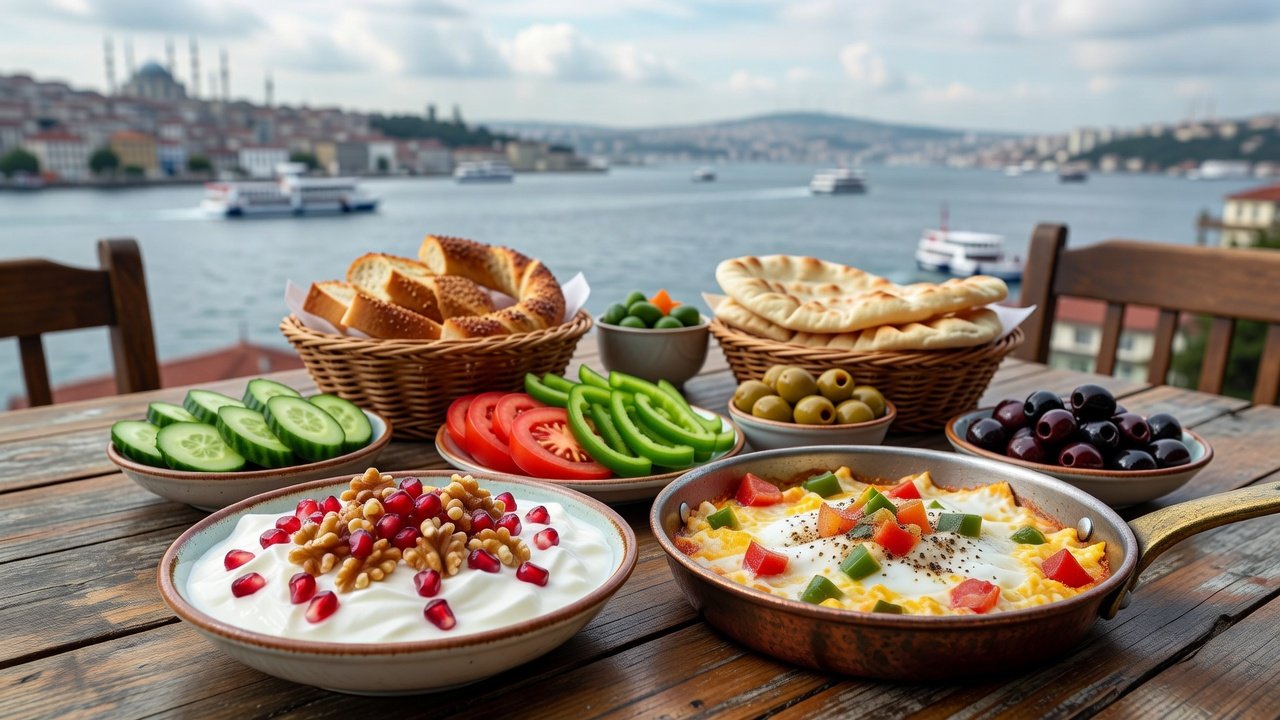
Turkey's culinary heritage provides exceptional superfoods that often outperform commercial supplements in bioavailability and cost-effectiveness. Pomegranates, abundant in Istanbul markets, deliver potent polyphenols that reduce oxidative stress around grafts. Fresh figs offer fiber, potassium, and natural sugars for energy without blood sugar spikes. Yogurt and ayran provide probiotics supporting gut health, which indirectly aids nutrient absorption. Walnuts and pistachios supply omega-3s and magnesium superior to many capsule formulations because of accompanying vitamin E and fiber. Local sourcing ensures freshness and avoids additives found in imported products. Medical tourists benefit from visiting neighborhood bazaars for these items, creating a cultural connection while meeting nutritional needs more holistically than relying on pharmacy supplements alone.
Sample Meal Ideas Tailored to Istanbul Clinics
Customize meals around clinic proximity and hotel facilities. Breakfast ideas include menemen with added spinach and feta, or Greek-style yogurt parfaits with local honey and almonds. Lunch options feature grilled sea bass over bulgur wheat salad drizzled with olive oil and lemon, or chickpea stew with fresh herbs. Dinner might consist of lentil soup, roasted chicken breast, and a side of eggplant. Portable snacks for travel days include dried apricots mixed with pumpkin seeds or small containers of ayran. Vegetarian adaptations swap animal proteins for extra legumes and tofu where available. These meals align with typical Istanbul clinic dietary recommendations while accommodating varying appetites during recovery.
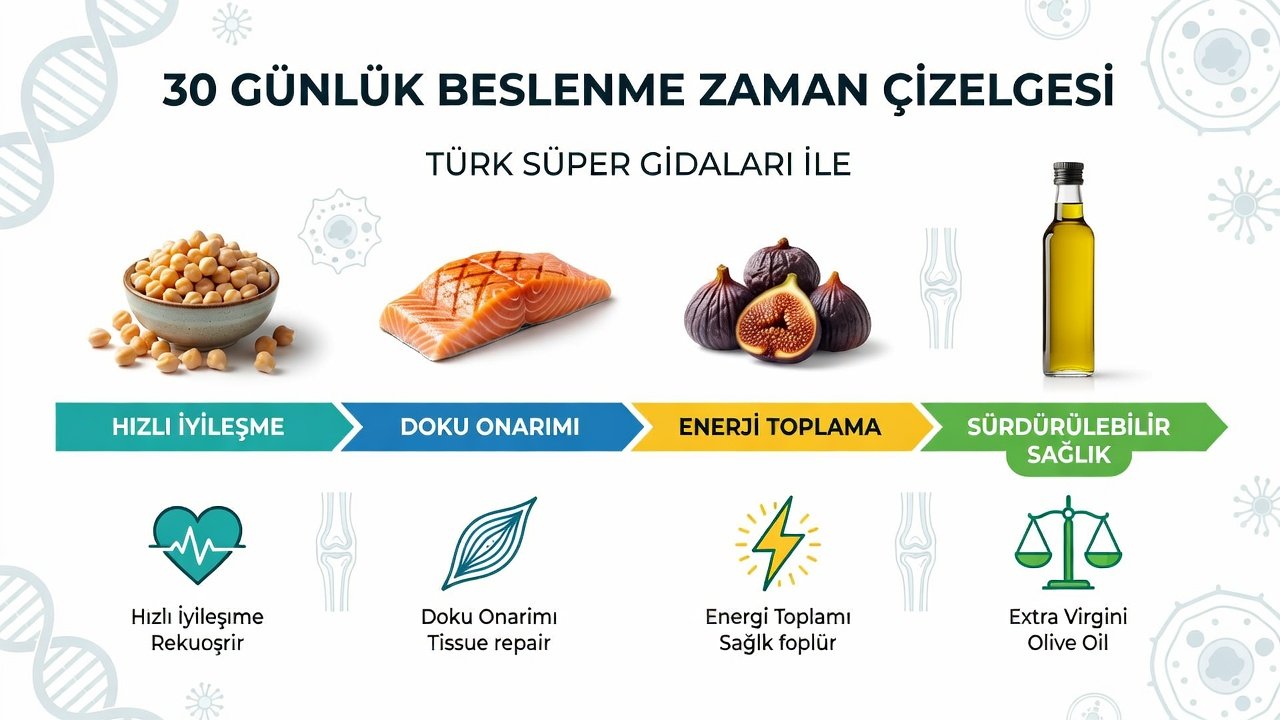
Step-by-Step 30-Day Recovery Timeline
- Days 1-3: Prioritize hydration with water and herbal infusions; consume soft proteins like scrambled eggs and smoothies to minimize chewing effort.
- Days 4-7: Gradually add cooked vegetables and biotin sources while monitoring for any allergic reactions; light walking aids circulation.
- Days 8-14: Introduce complex carbohydrates such as whole-grain bread and oats for sustained energy during follow-up appointments.
- Days 15-21: Emphasize nuts, seeds, and fatty fish to support emerging hair growth phases; track progress photos weekly.
- Days 22-30: Transition to a balanced maintenance diet incorporating all food groups; resume moderate exercise and plan long-term habits for continued follicle health.
Patient Examples and Practical Checklists
A 42-year-old patient from Germany documented faster scab resolution after emphasizing pomegranate juice and yogurt daily, returning home with visible density improvements by week four. Another traveler from the United States avoided common pitfalls by pre-packing protein bars and consulting clinic nutritionists, achieving full activity resumption within three weeks. Use these checklists: pre-op (protein targets, hydration logs, allergy notes); post-op (daily meal planner, symptom tracker); travel (portable snacks, translated food cards, clinic contact list). These tools help maintain consistency despite schedule disruptions common in medical tourism.
FAQs on Allergies and Integrating Diets with Travel
How should I manage food allergies in Istanbul? Provide written translations of restrictions to clinic staff and hotel kitchens; many facilities accommodate gluten-free or nut-free requests. Can dietary changes be maintained during flights home? Pack non-perishable items like nuts and dried fruit; request special meals when booking. When is it safe to reintroduce supplements? Most surgeons advise waiting at least 10-14 days post-procedure for clearance. What if appetite is low after surgery? Focus on nutrient-dense liquids such as smoothies and broths to meet requirements without overwhelming digestion. These strategies ensure seamless integration of nutrition into the overall Turkey hair transplant journey.
Implementing these detailed nutrition protocols maximizes the success of hair transplant procedures performed in Turkey. Patients who combine surgical excellence with thoughtful dietary support enjoy faster healing and more satisfying aesthetic results. For further evidence-based guidance on nutrition and recovery, consult resources from the World Health Organization, National Institutes of Health, and Mayo Clinic. Consistent application of these principles transforms the medical tourism experience into a foundation for lasting hair health and confidence.

No comments yet. Be the first!