 Veda Tour
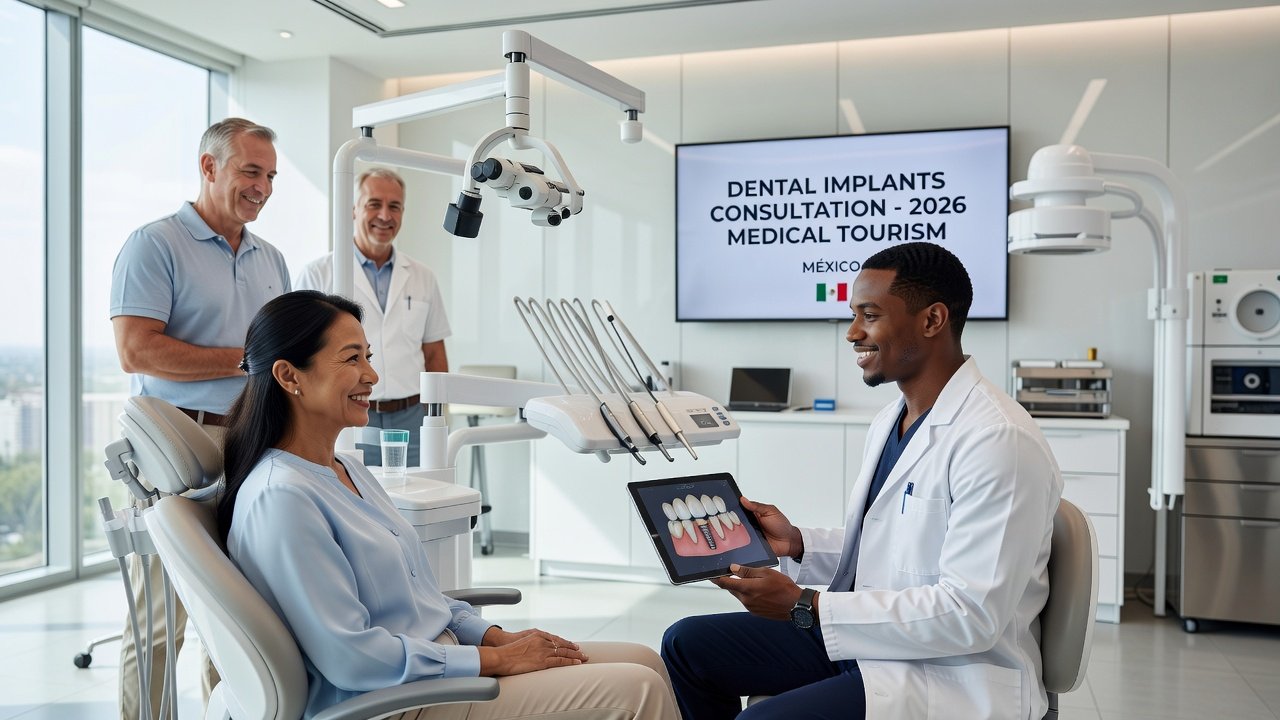
Understanding Dental Implant Warranties for Medical Tourists in Mexico
Medical tourists seeking affordable, high-quality dental care often turn to Mexico for implants due to significant savings and convenient travel options from the United States and Canada. Warranties play a crucial role in mitigating risks and ensuring long-term value for these procedures. This comprehensive guide examines common warranty structures offered by Mexican clinics in 2026, focusing on coverage details, comparisons with US options, verification processes, real-world examples, and practical advice for filing claims remotely. Patients must understand these protections thoroughly to make informed decisions and avoid potential complications after returning home.
Implants involve surgical placement of titanium posts that fuse with the jawbone, followed by attachment of crowns or bridges. Warranties address failures in this process, providing peace of mind for international travelers who may not return frequently for follow-ups. Reputable clinics emphasize transparency in their warranty policies to build trust with overseas patients.
Common Warranty Structures Offered by Mexican Clinics
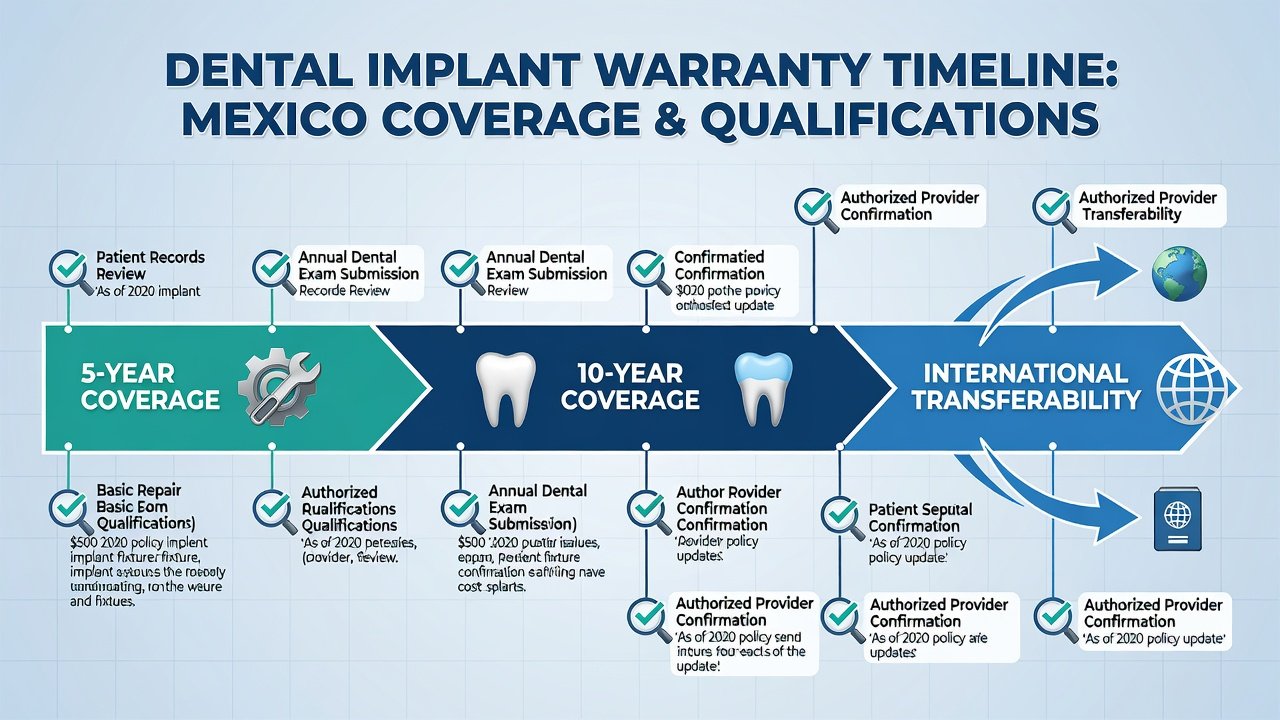
Most established clinics in popular destinations provide tiered warranties tied to specific implant brands such as Straumann, Nobel Biocare, or Zimmer Biomet. Standard coverage often spans 5 to 10 years for the implant fixture itself, with 3 to 5 years typically allocated for the prosthetic components like crowns. Some premium providers extend lifetime warranties on the fixture when patients adhere to prescribed maintenance schedules, including regular cleanings and annual check-ups documented by their local dentist.
Qualifying events for repairs or replacements generally include implant loosening due to failed osseointegration, fractures in the abutment, or defects in the crown material. However, exclusions commonly apply to damage from accidents, inadequate oral hygiene, tobacco use, or underlying health conditions like uncontrolled diabetes. Transferability stands out as a major advantage for international patients, enabling claims through partner networks or remote submissions without requiring return travel to Mexico. Clinics often require proof of original treatment records and compliance with aftercare instructions to activate full benefits.
Comparing Mexican Warranties to US Equivalents
US-based dental warranties frequently range from 5 to 15 years but incorporate higher associated costs and more rigorous eligibility criteria, including mandatory in-network follow-ups. Mexican offerings often match or surpass these durations while incorporating flexible terms suited to medical tourists. For instance, many clinics align policies directly with manufacturer guarantees, offering comparable protections without the overhead of domestic pricing structures. Legal differences between countries necessitate careful review of jurisdiction clauses, as Mexican warranties may involve arbitration in local courts or require English-translated documents for enforcement.
Patients benefit from reviewing standards set by recognized organizations. For authoritative insights on implant quality and safety, consult resources from the American Dental Association. Additional context on medical device regulations can be found via the U.S. Food and Drug Administration, which oversees implant materials used globally.
Steps to Verify and Document Coverage Before Treatment
Thorough preparation prevents disputes later. Begin by requesting comprehensive warranty documentation in English during initial inquiries. Confirm the authenticity of chosen implant systems through serial numbers and manufacturer certificates. Essential verification steps include scheduling multiple virtual consultations to clarify all terms, obtaining a signed treatment plan explicitly listing warranty inclusions and exclusions, and cross-checking clinic credentials with Mexican regulatory bodies. Patients should also compile pre-treatment radiographs, medical histories, and all correspondence in organized digital folders. Special attention to transferability clauses ensures coverage remains valid if the patient relocates or seeks care elsewhere. Finally, discuss any potential add-on extensions for enhanced protection during the consultation phase.
Real Clinic Examples and Best Practices
Leading facilities in Los Algodones, Tijuana, and Playa del Carmen frequently advertise 10-year warranties on premium systems, with some extending coverage to 15 years for full-arch restorations when patients complete recommended follow-up protocols. One documented case involved a Canadian patient who successfully transferred a lifetime fixture warranty after moving to Europe, using remote X-ray submissions processed through the clinic's international partner network. Another example from a Cancun clinic highlights how negotiated extensions added three extra years of prosthetic coverage in exchange for committing to annual remote progress reports.
Best practices involve arriving with a prepared list of questions about claim processes and requesting references from past international patients. Clinics responsive to these inquiries demonstrate reliability. Negotiating during consultations often yields better terms, such as waived fees for minor adjustments or bundled maintenance kits.
Common Mistakes to Avoid When Selecting Warranties
Many patients overlook fine print regarding maintenance obligations, leading to denied claims. Avoid assuming all warranties are identical; always compare brand-specific details. Another frequent error is failing to retain original receipts and treatment summaries, which are mandatory for remote filings. Patients should also steer clear of clinics unwilling to provide written English translations or references from prior medical tourists.
Maintenance Tips for Maximizing Warranty Benefits
To preserve coverage, follow a strict oral hygiene regimen including twice-daily brushing with soft bristles, daily flossing, and use of antimicrobial rinses. Schedule professional cleanings every six months and share reports with the Mexican clinic as needed. Avoid habits like teeth grinding without a night guard and monitor for signs of inflammation promptly. These steps not only support warranty validity but also promote overall implant longevity.
FAQs on Filing Claims Remotely
How do I initiate a claim from abroad? Submit digital files including current radiographs, photos of the issue, and a report from your local dentist via the clinic's secure portal. Most providers respond within two weeks and complete reviews in 4 to 8 weeks.
Does filing require returning to Mexico? No, many warranties reimburse costs at approved international partners or cover reasonable expenses for local repairs up to a set threshold.
What documentation is essential? Original treatment records, warranty certificate, proof of maintenance compliance, and identification matching the patient file.
Can pre-existing conditions void coverage? Yes, undisclosed health issues at the time of placement often lead to exclusions, underscoring the need for full disclosure upfront.
How are disputes resolved? Policies typically outline mediation steps, with escalation to manufacturer support if clinic-level resolution fails.
Is coverage affected by subsequent treatments elsewhere? Additional work at non-partner locations may require prior approval to maintain full benefits.
Practical Checklist for Medical Tourists
- Research and shortlist at least three accredited clinics with transparent English-language warranty policies.
- Verify implant brand compatibility with your home-country dentist before booking.
- Secure comprehensive travel and medical insurance covering potential dental complications abroad.
- Plan and budget for at least one follow-up visit within the initial 12 months if feasible.
- Maintain organized digital and physical copies of all records, including consent forms and payment receipts.
- Confirm any language or translation services offered for ongoing communication.
- Discuss emergency contact protocols and after-hours support availability.
Adhering to this expanded checklist strengthens your position and reduces post-treatment stress.
Conclusion
Dental implant warranties from Mexican clinics provide substantial protections for medical tourists when carefully evaluated and documented. By exploring structures in depth, comparing them to domestic alternatives, following detailed verification steps, learning from clinic examples, and preparing for remote claims, patients can confidently pursue treatment while safeguarding their investment. Prioritize providers with proven international experience and maintain diligent aftercare to fully leverage these benefits in 2026 and beyond. For broader perspectives on oral health standards worldwide, review materials from the Mayo Clinic on dental procedures.

No comments yet. Be the first!