 Veda Tour

How Mexico Dental Implants Improve Overall Health in 2026
Medical tourists are turning to Mexico for dental implants because the benefits extend well beyond aesthetics. Restoring missing teeth through high-quality implants supports systemic wellness by enabling better nutrition, lowering chronic inflammation, protecting cardiovascular health, and lifting mental well-being. This in-depth guide explores the evidence-based connections and provides actionable steps for patients planning treatment in Mexico during 2026.
The Link Between Dental Implants and Systemic Health
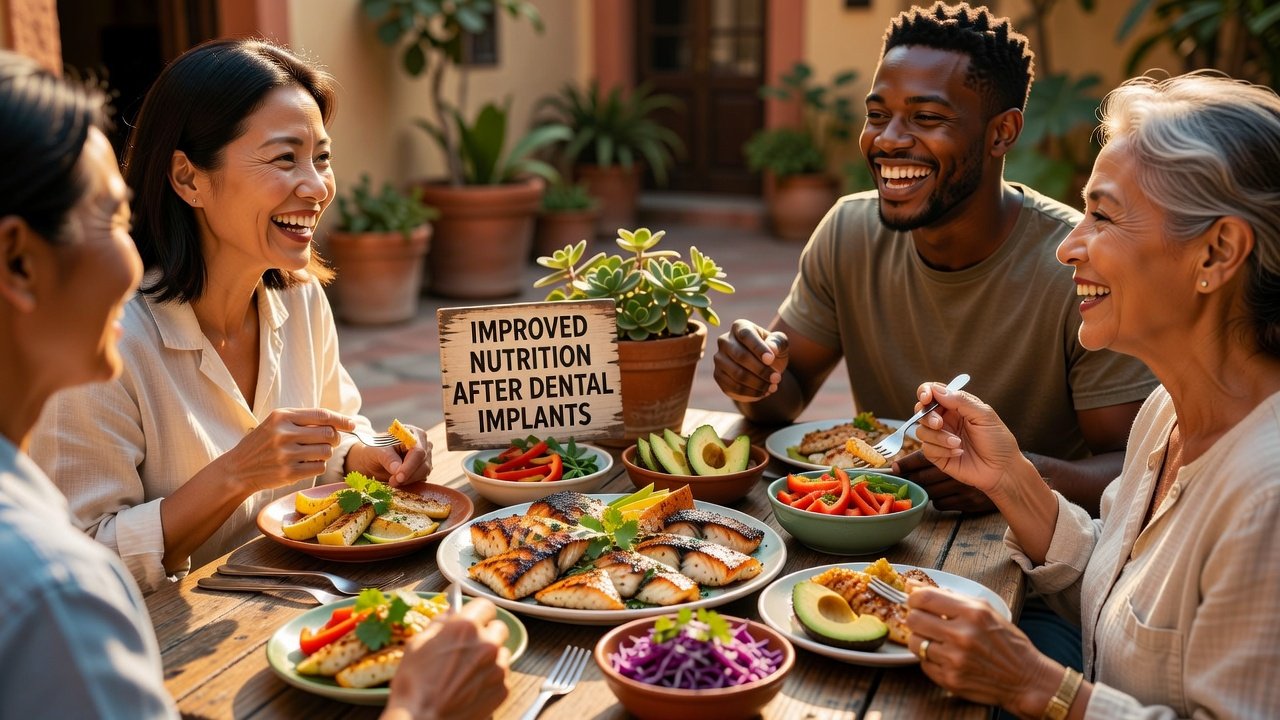
Missing teeth frequently force individuals to modify their diets, avoiding fibrous vegetables, lean proteins, and crunchy fruits that require strong chewing. Over time this leads to nutrient deficiencies that affect energy levels, immune response, and digestive health. Dental implants restore natural bite force, allowing patients to return to a full, balanced diet without discomfort or embarrassment. Major health authorities recognize oral health as a cornerstone of overall wellness, noting that tooth loss contributes directly to malnutrition and increased systemic inflammation.
World Health Organization publications stress that oral conditions influence non-communicable diseases worldwide. Patients who regain full chewing ability often experience measurable improvements in weight management and vitamin absorption within the first year after treatment.
Reduced Systemic Inflammation and Heart Health Benefits
Untreated gum disease and tooth loss create persistent low-grade inflammation that circulates through the bloodstream. Elevated inflammatory markers such as C-reactive protein are associated with higher risks of atherosclerosis and heart disease. Replacing missing teeth with implants removes these chronic infection sources, allowing inflammation levels to decline. Many patients report fewer joint aches and improved energy after successful implant integration.
Clinical comparisons show that outcomes from accredited Mexican clinics match those achieved in the United States when proper protocols are followed. The difference often appears in accessibility: patients can complete comprehensive treatment plans in fewer visits, freeing resources for complementary wellness activities that further support heart health.
Enhanced Mental Well-Being and Quality of Life
Tooth loss can erode self-confidence, leading to social withdrawal and higher stress levels. Dental implants restore facial structure and natural appearance, frequently producing rapid psychological benefits. Patients describe feeling more comfortable smiling, speaking, and participating in social events, which in turn encourages greater physical activity and better sleep patterns. These lifestyle improvements reinforce immune function and support long-term implant success.
Medical tourists often combine implant procedures with wellness experiences in destinations such as Cancun or Puerto Vallarta. The combination of restored oral function and reduced travel stress creates a powerful foundation for holistic health gains that continue after returning home.
Practical Steps to Maximize Benefits After Your Procedure
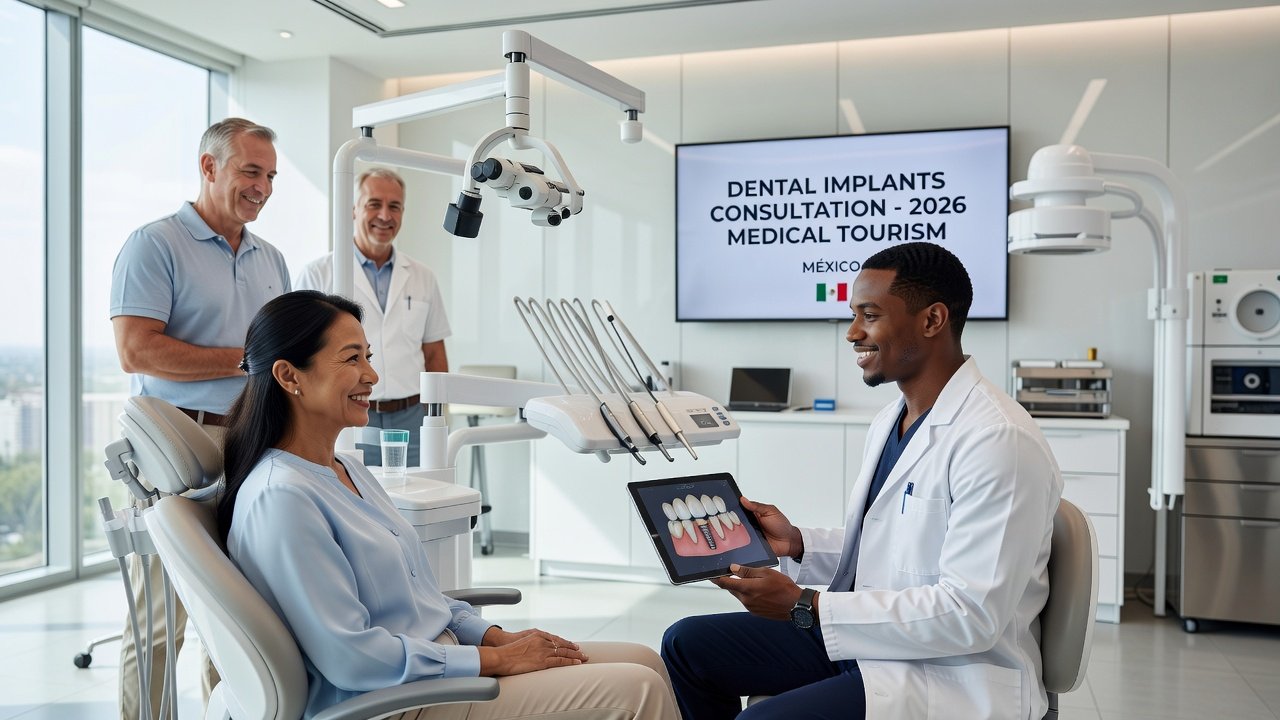
Preparation and aftercare determine how fully patients realize the systemic advantages of implants. Begin by selecting an internationally accredited clinic that uses premium implant systems and provides detailed treatment timelines. Before travel, obtain a full medical evaluation from your primary physician and share any existing conditions with both your home doctor and the Mexican surgical team.
Immediately after surgery, adhere strictly to the prescribed medication schedule and soft-food diet. Gradually reintroduce nutrient-dense foods such as steamed vegetables, yogurt, nuts, and lean fish as healing progresses. Schedule virtual follow-up appointments with your local dentist to monitor osseointegration and address any concerns early. Incorporate daily stress-reduction practices such as walking or meditation to support both mental health and tissue recovery.
Health Outcomes: Mexico vs. U.S. Care
Success rates for dental implants remain consistently high across reputable providers regardless of location. The key differentiators include material quality, surgeon experience, and patient compliance with aftercare. Many Mexican clinics maintain the same sterilization standards and use the same implant brands found in top U.S. practices. Patients frequently appreciate the personalized attention and bundled services that allow more time for recovery and wellness activities during their stay.
Mayo Clinic resources emphasize choosing providers who offer comprehensive pre- and post-operative support, a model followed by leading Mexican dental tourism centers.
Real Patient Examples from 2025-2026
A 62-year-old patient from Arizona received full-arch implants in Los Algodones. Within five months she could comfortably eat salads, grilled meats, and fresh fruit again. Her digestion improved noticeably, and follow-up bloodwork showed better nutrient absorption. Another traveler, a 49-year-old from California, reported reduced morning stiffness and lower blood pressure readings six months after addressing chronic periodontal issues with implants. These cases illustrate how functional restoration translates into measurable daily health improvements.
Common Mistakes to Avoid
Patients sometimes rush the healing timeline or neglect follow-up care, which can compromise long-term results. Skipping recommended soft-food phases or failing to maintain oral hygiene increases infection risk. Another frequent error involves choosing clinics based solely on price rather than accreditation and surgeon credentials. Thorough research and clear communication with both home and destination providers help prevent these setbacks.
Integrating Implants Into a Holistic Lifestyle in 2026
Successful implant patients treat the procedure as the starting point for broader wellness. Maintain implants through consistent flossing, professional cleanings every six months, and a diet rich in calcium, vitamin D, and anti-inflammatory foods. Many travelers extend their Mexico stay to visit local markets and learn about fresh, seasonal eating habits they can replicate at home. Combining restored oral function with regular exercise and stress management creates a sustainable cycle that protects both implants and overall health for years.
Frequently Asked Questions
Are Mexico dental implants safe for long-term health?
Yes, when patients select accredited clinics that follow international sterilization and material standards. Success rates align closely with U.S. outcomes when aftercare instructions are followed precisely.
How soon can I expect nutritional improvements?
Most individuals notice easier chewing within weeks of final restoration placement. Significant dietary changes and related nutrient gains typically stabilize between three and six months post-procedure.
What should I avoid after returning home?
Refrain from hard or sticky foods during early healing stages. Continue excellent oral hygiene and attend all scheduled follow-up visits to prevent complications such as peri-implantitis.
Can implants help with existing heart conditions?
While implants do not treat heart disease directly, removing oral infection sources supports reduced systemic inflammation. Always consult your cardiologist before scheduling travel or surgery.
How do I choose the right clinic in Mexico?
Look for clinics with international accreditation, experienced implantologists, transparent treatment plans, and positive reviews from previous medical tourists. Request before-and-after case studies and verify material sources.
National Institutes of Health publications offer additional evidence on oral-systemic health relationships that patients can discuss with their care teams.
Conclusion
Mexico dental implants provide medical tourists with a practical route to better nutrition, lower inflammation, improved cardiovascular markers, and stronger mental well-being. By selecting reputable providers, following detailed aftercare plans, and integrating implants into a holistic lifestyle, patients in 2026 can achieve lasting health benefits that continue well beyond their initial treatment journey.

No comments yet. Be the first!