 Veda Tour
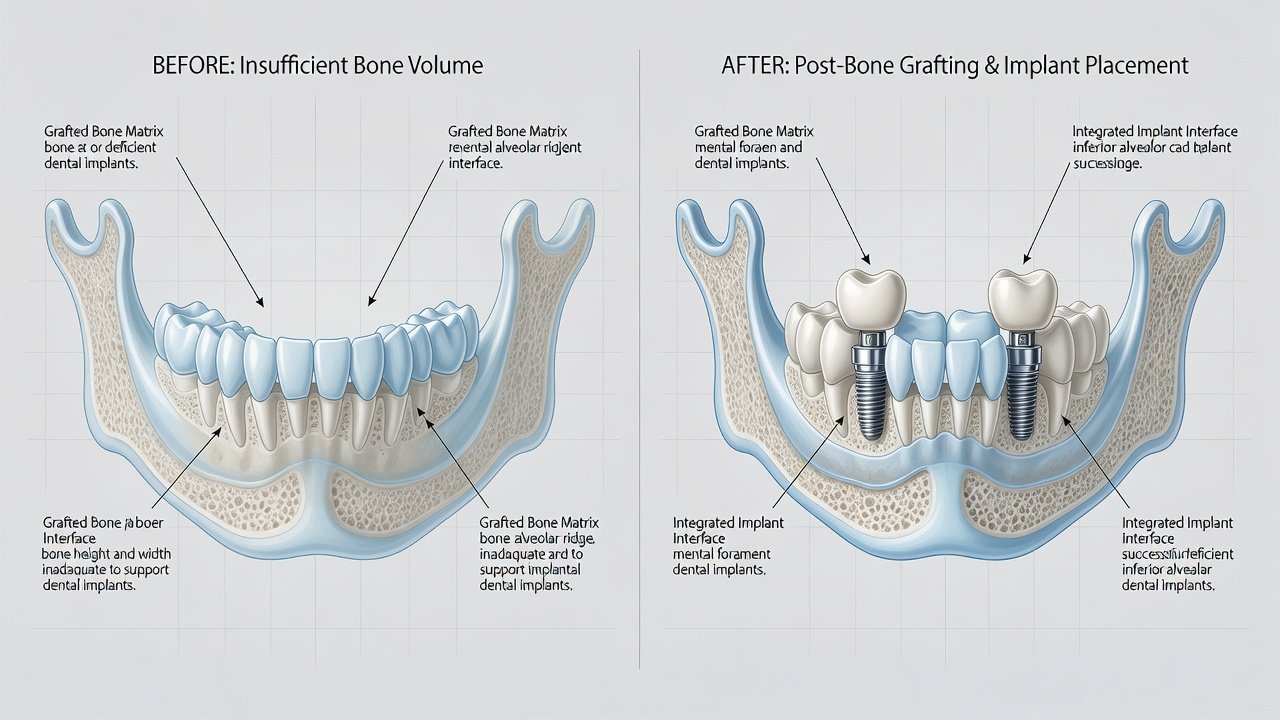
Understanding Bone Grafting for Dental Implants
Patients experiencing significant jawbone loss often require bone grafting before receiving dental implants. This preparatory procedure rebuilds the necessary bone structure to support implant stability and long-term success. In Mexico, clinics specializing in advanced dental care offer a range of grafting options tailored for international patients, integrating seamlessly with medical tourism itineraries focused on comprehensive oral rehabilitation. Bone loss commonly results from tooth extraction, periodontal disease, or prolonged denture use. Without adequate bone volume, implants risk failure due to insufficient anchorage. Mexican dental centers frequently combine grafting with implant placement in staged or simultaneous protocols, allowing efficient treatment plans that minimize multiple trips while maximizing outcomes for visitors from the United States, Canada, and Europe.
The biological process of bone grafting relies on osteoconduction, osteoinduction, and osteogenesis to regenerate lost tissue. Patients must understand that grafting is not merely additive but stimulates the body's natural healing mechanisms. This makes it a critical step for those previously deemed ineligible for implants due to atrophy in the maxilla or mandible. By addressing these deficits early in the treatment sequence, clinics in Mexico help medical tourists achieve predictable results without the higher costs associated with similar procedures in their home countries.
Types of Bone Grafting Materials
Clinics in Mexico utilize four primary categories of grafting materials, each selected based on patient anatomy, medical history, and healing goals. Autografts involve harvesting bone from the patient's own body, typically the chin or hip, providing excellent biocompatibility but requiring a secondary surgical site. Allografts use processed human donor bone, offering convenience without donor site morbidity and reducing operative time. Xenografts derive from animal sources, most commonly bovine, and serve as scaffolds for natural bone regeneration while gradually resorbing. Synthetic alloplasts, composed of biocompatible ceramics or polymers, provide customizable options free from biological sourcing concerns and allow precise control over particle size and porosity.
Selection depends on defect size and patient preferences for natural versus engineered solutions. Many facilities prioritize materials with proven osteoconductive properties to encourage rapid integration. For larger defects, a combination approach may be employed, layering different materials to optimize both volume and vascularization. This flexibility ensures that even complex cases involving multiple missing teeth can be managed effectively within a single treatment journey.
Comparing Grafting Techniques Available in Mexico
Traditional block grafting delivers substantial volume for large defects through rigid bone segments secured with screws, ideal for severe horizontal or vertical deficiencies. Socket preservation, performed immediately after extraction, maintains ridge dimensions using particulate grafts and membranes to prevent collapse. Sinus lift procedures address posterior maxillary deficiencies by elevating the sinus membrane and placing graft material beneath it, often enabling implant placement in previously unsuitable areas. Ridge splitting expands narrow jawbones horizontally with minimal invasiveness, preserving soft tissue integrity.
Mexican specialists often favor minimally invasive guided bone regeneration (GBR) using resorbable membranes and growth factors. These approaches reduce recovery time compared to older methods while achieving comparable density outcomes. 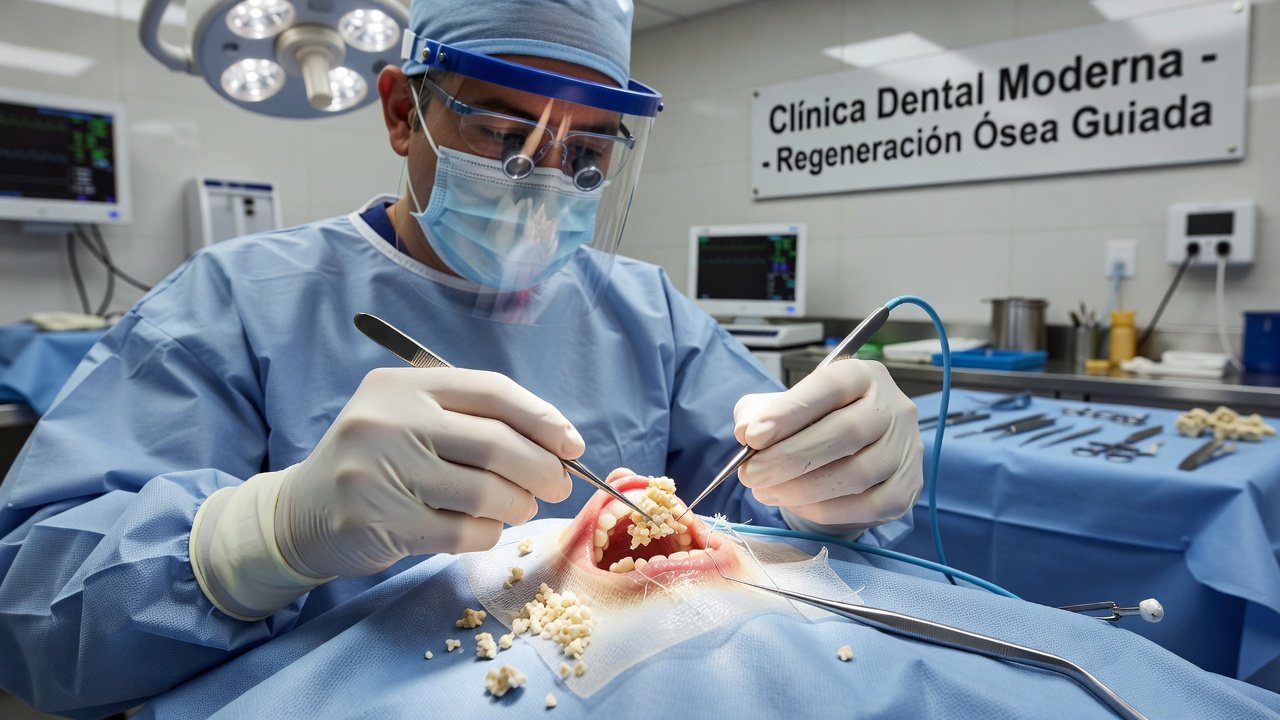
Integration with Implant Placement Timelines
Healing periods vary by graft type and location. Autogenous grafts typically require four to six months for consolidation before implant surgery. Allogeneic and xenogeneic materials may integrate faster, sometimes allowing immediate or early implant insertion in select cases with sufficient primary stability. Mexican protocols frequently incorporate cone-beam CT scans during initial assessments to map precise timelines and monitor progress through digital imaging.
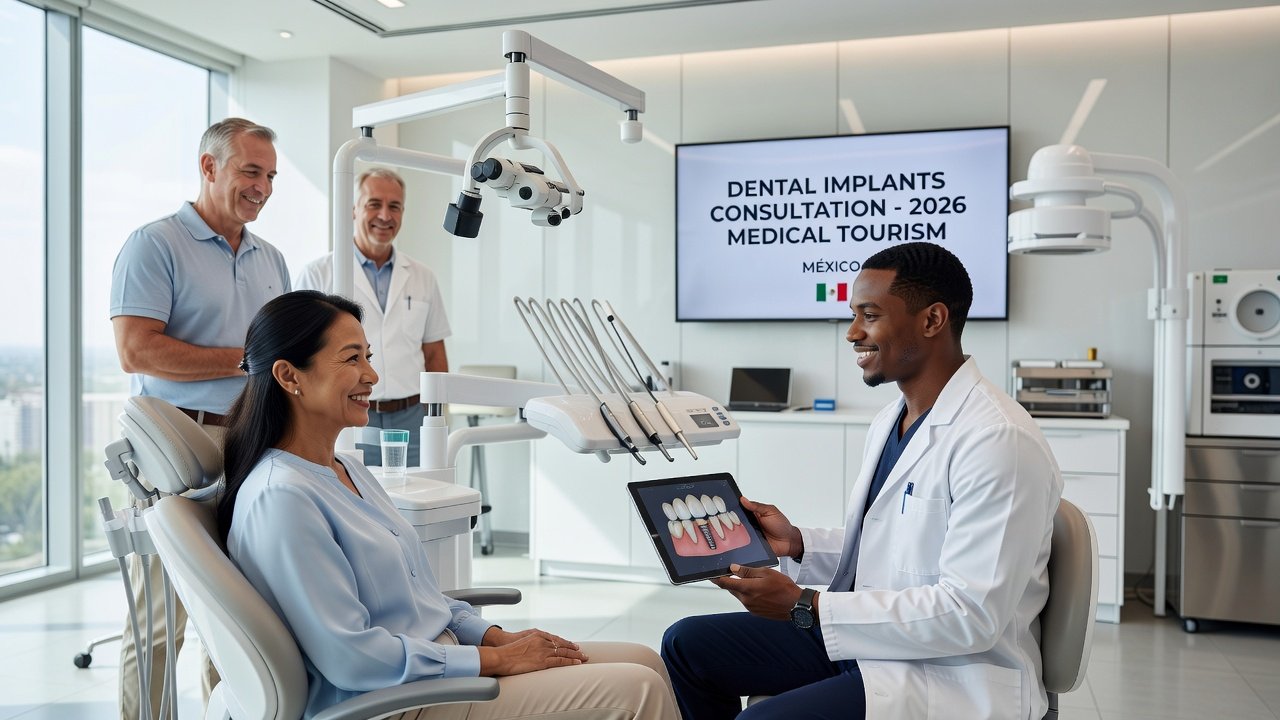
Combined procedures optimize schedules for visitors. Pre-travel virtual consultations review medical records and imaging, enabling arrival with a confirmed treatment sequence. Follow-up visits focus on monitoring osseointegration without extending overall stay unnecessarily. This staged yet efficient model supports broader medical tourism planning by aligning dental work with other wellness or leisure activities during the visit.
Mayo Clinic resources on bone regeneration provide additional context for understanding these biological processes, while National Institutes of Health publications detail long-term outcomes in regenerative dentistry.
Pre-Travel Assessments and Planning Steps
Effective preparation begins with comprehensive diagnostics. Patients should obtain recent panoramic radiographs or CBCT scans from their local dentist and share them with Mexican providers for remote evaluation. Blood work evaluating overall health and any contraindications, such as uncontrolled diabetes or smoking status, informs material choices and reduces procedural risks. Coordination with referring physicians ensures all necessary clearances are obtained before departure.
- Schedule virtual consultations at least four weeks prior to travel to allow for detailed case review and material ordering.
- Confirm material availability and surgeon experience with specific defect types through portfolio reviews or published case studies.
- Arrange accommodations near the clinic for the initial recovery phase to facilitate easy follow-up appointments.
- Coordinate with primary care physicians for clearance letters if systemic conditions exist, including medication adjustments.
- Plan return flights allowing adequate observation before long-haul travel, typically including at least one post-operative check.
- Prepare a list of current medications and allergies to streamline intake processes upon arrival.
These steps ensure smooth integration into broader medical tourism plans, emphasizing coordinated care across borders and minimizing unexpected delays.
Real Patient Examples of Combined Procedures
One documented case involved a 45-year-old patient from the United States who received ridge augmentation using a xenograft followed by two implants after five months. The staged approach restored both aesthetics and function, with the individual reporting stable results at one-year follow-up. Another traveler combined socket preservation during multiple extractions with later full-arch rehabilitation, highlighting how grafting supports comprehensive smile makeovers in a condensed timeline. A third example featured a Canadian patient undergoing sinus lift with allograft material alongside immediate implant placement in the anterior region, achieving full prosthetic loading within eight months total. Success factors include strict adherence to post-operative hygiene protocols and avoidance of pressure on the site during early healing. Clinics emphasize patient education to replicate home-care routines upon return, ensuring continuity of care.
FAQ: Recovery Expectations and Success Factors
What is the typical recovery timeline after bone grafting?
Initial swelling subsides within one to two weeks, while full bone maturation spans three to nine months depending on graft volume and location. Patients usually resume normal activities after seven to ten days with gradual return to strenuous exercise.
How do success rates compare across materials?
Studies show high integration rates exceeding 90 percent when proper case selection occurs, with autografts often leading in density but allografts close behind in convenience and reduced morbidity.
What influences long-term implant success after grafting?
Key elements include surgical precision, patient compliance with follow-up, and overall systemic health. Regular monitoring ensures early detection of any issues before they compromise stability.
Are there specific lifestyle adjustments needed during healing?
Patients are advised to avoid smoking, maintain a soft diet, and use prescribed rinses to support graft integration without disruption from mechanical stress or infection risks.
American Dental Association guidelines underscore the importance of individualized planning for predictable outcomes in regenerative procedures.
Conclusion
Bone grafting expands access to dental implants for those with prior bone loss, and Mexico's clinics deliver sophisticated options within structured medical tourism frameworks. By understanding material choices, technique comparisons, and preparatory steps, patients can approach treatment with clarity and confidence, paving the way for successful, lasting restorations.
No comments yet. Be the first!