 Veda Tour
Introduction to Family Dental Implants in Mexico
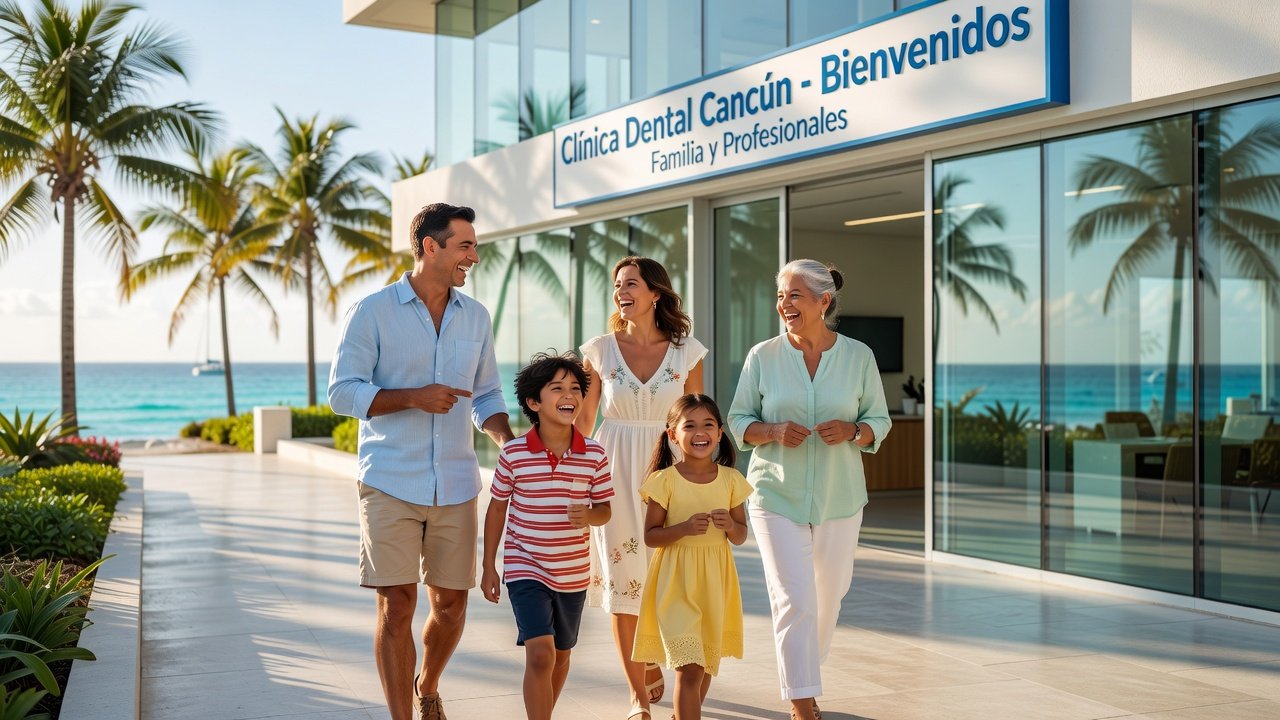
Planning a family trip for dental implants in Mexico offers an opportunity to combine high-quality care with memorable travel experiences. As medical tourism continues to grow in 2026, parents are increasingly choosing destinations like Mexico for affordable, advanced dental solutions while creating family bonding moments. This guide provides comprehensive advice tailored to families, focusing on clinic selection, procedure coordination, and integrating educational or recreational activities. Families often seek destinations where both parents and older children can receive treatment without disrupting school schedules or daily routines, turning a medical necessity into a positive shared adventure. Mexico's combination of skilled professionals, modern technology, and welcoming culture makes it an ideal choice for multi-generational groups.
Mexico's dental tourism sector has evolved to accommodate families, with many clinics offering specialized packages that include child-friendly environments and recovery support. Parents seeking implants for themselves or older children can benefit from modern facilities in popular spots such as Cancun, Tijuana, and Los Algodones. Understanding the full scope of preparation helps avoid common pitfalls and ensures a smooth journey from initial consultation to final follow-up.
Why Choose Mexico for Family Dental Care in 2026
Mexico stands out due to its proximity to the United States and Canada, highly trained dentists often certified internationally, and a blend of cultural richness with modern infrastructure. Trends for 2026 highlight increased emphasis on holistic family experiences, where dental visits pair with eco-tours or language immersion programs for children. The country's investment in healthcare facilities has led to clinics equipped with the latest implant technology, including computer-guided surgery that reduces recovery times. Families appreciate the warm climate and diverse landscapes that support relaxed recovery periods. Clinics frequently partner with resorts to provide accommodations suitable for parents and minors alike, creating an environment where medical needs and leisure blend seamlessly.
Selecting Clinics with Family Accommodations
When choosing a clinic, prioritize those with experience handling family groups. Look for facilities that offer private recovery suites, on-site play areas, and staff trained in pediatric care. Verify accreditations from organizations like the Joint Commission International to ensure standards match global expectations. Additional considerations include the availability of sedation options suitable for anxious family members, flexible payment plans for group treatments, and proximity to family-friendly hotels or villas with kitchenettes for preparing meals during recovery. Reading recent patient reviews from families can reveal insights into how well clinics manage children's needs during parental procedures. It is wise to request virtual tours and speak directly with previous family patients to assess the true level of support provided.
Coordinating Multiple Family Members' Procedures
Coordinating implants for parents and eligible older children requires careful planning. Start by scheduling consultations via video calls to align timelines. Stagger appointments so one parent recovers while the other manages daily activities with kids. Many clinics provide dedicated coordinators who handle medical histories for the entire family, ensuring compatibility with any shared travel plans. This approach minimizes downtime and maximizes the vacation aspect of the trip. Consider factors such as anesthesia requirements, potential swelling that might affect travel comfort, and the need for follow-up visits within the same trip window. Families benefit from creating a shared calendar that accounts for each member's healing pace and any school-related commitments back home.
Travel Logistics and Visa Considerations for Families
Most families from North America can enter Mexico visa-free for up to 180 days with a valid passport. Check the latest requirements through official channels before booking. U.S. Department of State travel resources offer up-to-date guidance for international family trips. Book flights to major hubs like Cancun International Airport for easier access to dental hubs. Consider travel insurance that covers medical procedures and family emergencies. Ground transportation options, such as private shuttles, help keep journeys stress-free with children. Additional logistics include preparing carry-on bags with snacks, entertainment tablets, and comfort items for long airport waits, as well as confirming that rental vehicles or taxis accommodate car seats when traveling with younger minors.
Safety Considerations for Minors
Ensuring children's safety involves selecting clinics with child supervision options during procedures and confirming that recovery environments are secure. Discuss any age restrictions for implant procedures, as most clinics recommend waiting until late teens for full jaw development. Health authorities emphasize preventive oral care; consult World Health Organization oral health guidelines for family-wide best practices. Always carry necessary medications and maintain hydration in Mexico's climate. Parents should also research local emergency services, identify pharmacies near the clinic, and establish a daily routine that includes quiet rest periods alongside gentle play to support emotional well-being during recovery.
Integrating Travel with Educational and Recreational Activities
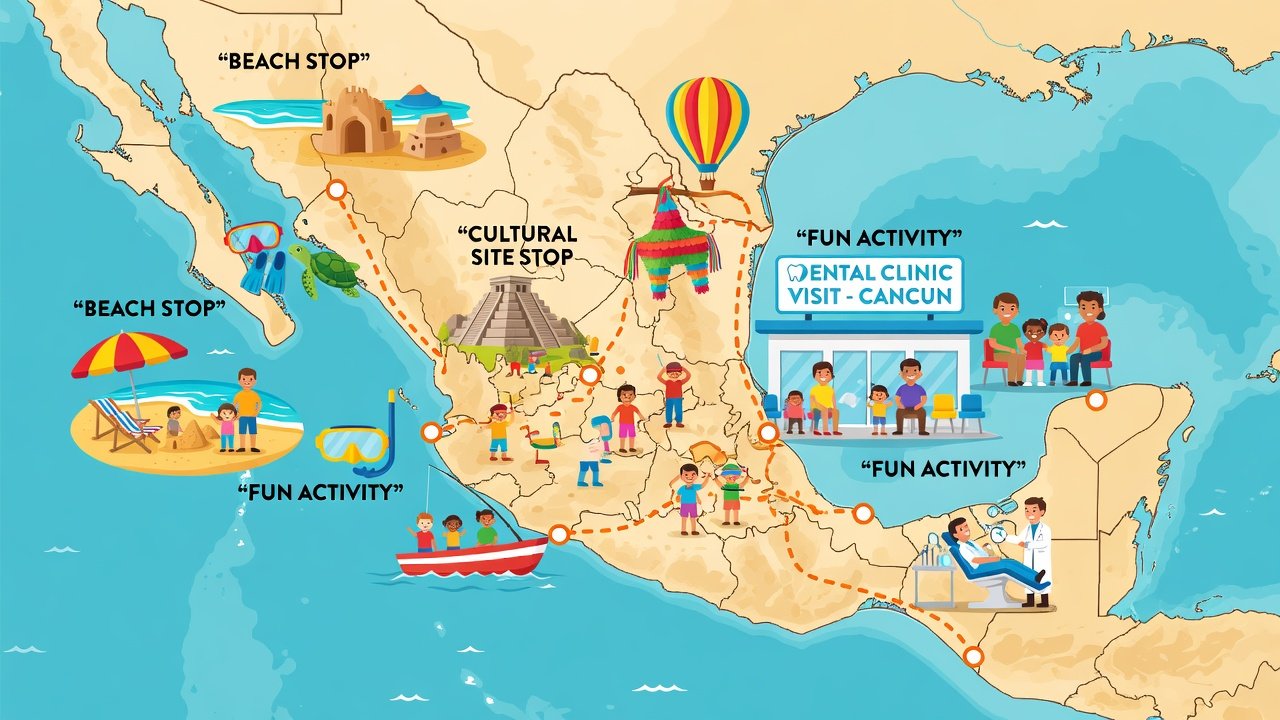
Balance dental appointments with enriching experiences. In Cancun, combine recovery time with visits to archaeological sites like Chichen Itza for educational value. Beach days and water parks provide gentle recreation suitable during healing phases. Many families schedule language classes or cooking workshops for children, turning the trip into a cultural adventure. Clinics often recommend low-impact activities to support recovery while keeping kids engaged. Other popular options include snorkeling in cenotes, visiting interactive museums, or joining guided nature walks that teach about local ecosystems without requiring strenuous physical effort.
Real-World Family Itinerary Examples
Consider a sample 10-day itinerary: Days 1-2 for arrival and initial consultations; Days 3-5 for implant placements staggered between parents; Days 6-8 for follow-ups mixed with cenote tours; Days 9-10 for relaxation and departure. Adjust based on procedure complexity and children's ages. Another example focuses on Los Algodones: shorter stays with clinic proximity to the border, allowing quick returns if needed, while incorporating day trips to nearby Arizona for variety. A third itinerary might center on Tijuana, combining morning procedures with afternoon visits to local markets and evening family dinners at resort restaurants, providing a mix of convenience and cultural immersion.
Practical Planning Steps
- Research and shortlist clinics six months in advance, comparing accreditations and family-specific amenities.
- Arrange virtual consultations for the whole family to discuss treatment plans and timelines.
- Secure travel documents and insurance early, including copies of medical records translated into Spanish.
- Plan activities around recovery timelines, prioritizing low-energy options in the first week post-procedure.
- Prepare a packing list including comfort items for children, sun protection, and any prescribed medications.
Common Mistakes to Avoid
Many families underestimate the importance of recovery time and over-schedule activities immediately after procedures. Another frequent error is failing to verify that all family members meet the minimum age or health requirements for implants. Always confirm communication channels with the clinic for after-hours support and avoid last-minute changes to itineraries that could disrupt healing.
FAQ Section
How long does recovery take with children present?
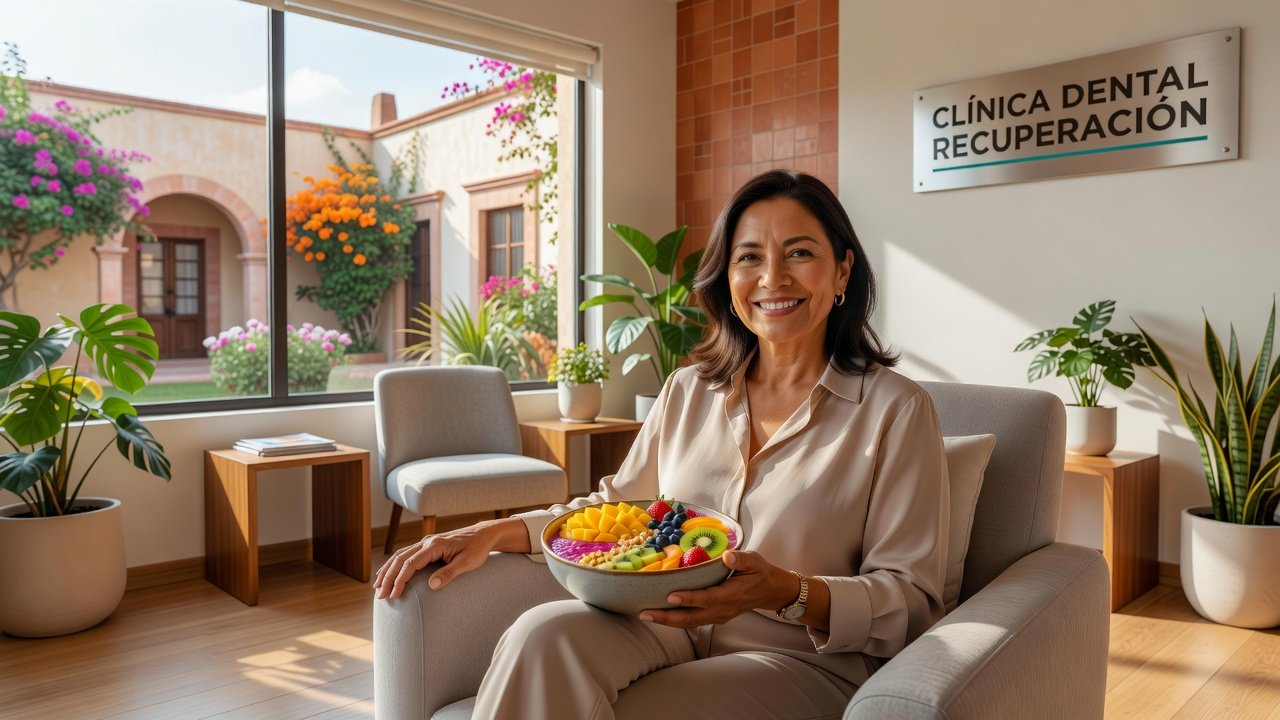
Typical healing spans several weeks; plan light activities to accommodate rest periods while keeping children occupied with nearby attractions.
Are there age limits for children's dental implants?
Implants are generally suitable for those whose jaws have fully developed, usually after age 18, but consultations determine individual readiness.
What documents are needed for family medical travel?
Passports, medical records, and consent forms are essential; review CDC travel health notices for current recommendations.
Can younger siblings accompany parents during procedures?
Many clinics provide supervised play areas or partner with local childcare services, allowing parents to focus while children remain nearby and safe.
Conclusion
A family dental implants trip to Mexico in 2026 can deliver quality care alongside enriching experiences when planned thoughtfully. By focusing on family-oriented clinics, coordinated logistics, and balanced itineraries, parents create positive memories while achieving dental health goals. Start early, prioritize safety, and embrace the unique opportunities Mexico offers for comprehensive family wellness. With proper preparation, the journey becomes more than a medical trip—it transforms into a meaningful family milestone.
No comments yet. Be the first!