 Veda Tour
Introduction to Dental Implant Risks in Mexican Medical Tourism
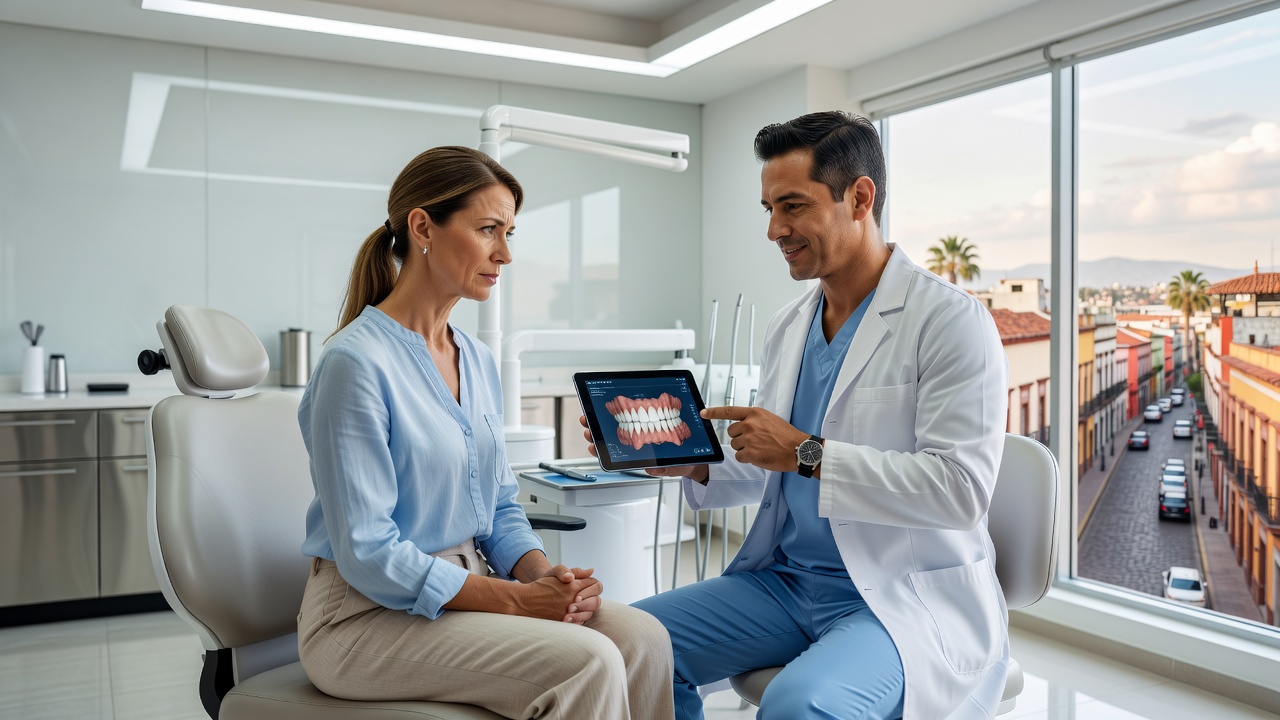
Medical tourists seeking affordable dental implants in Mexico often face unique challenges after returning home. While many procedures succeed, complications such as infection or implant failure can arise due to varying clinic standards, travel logistics, and follow-up care gaps. This guide provides practical, in-depth strategies for 2026 travelers to manage these issues effectively. Understanding these risks empowers patients to act quickly. Early intervention prevents minor problems from escalating into costly revisions. Mexico remains a top destination for dental work due to proximity and cost savings, yet patients must prepare for potential post-procedure hurdles that differ from domestic care experiences.
Common Post-Procedure Complications Specific to Mexican Clinics
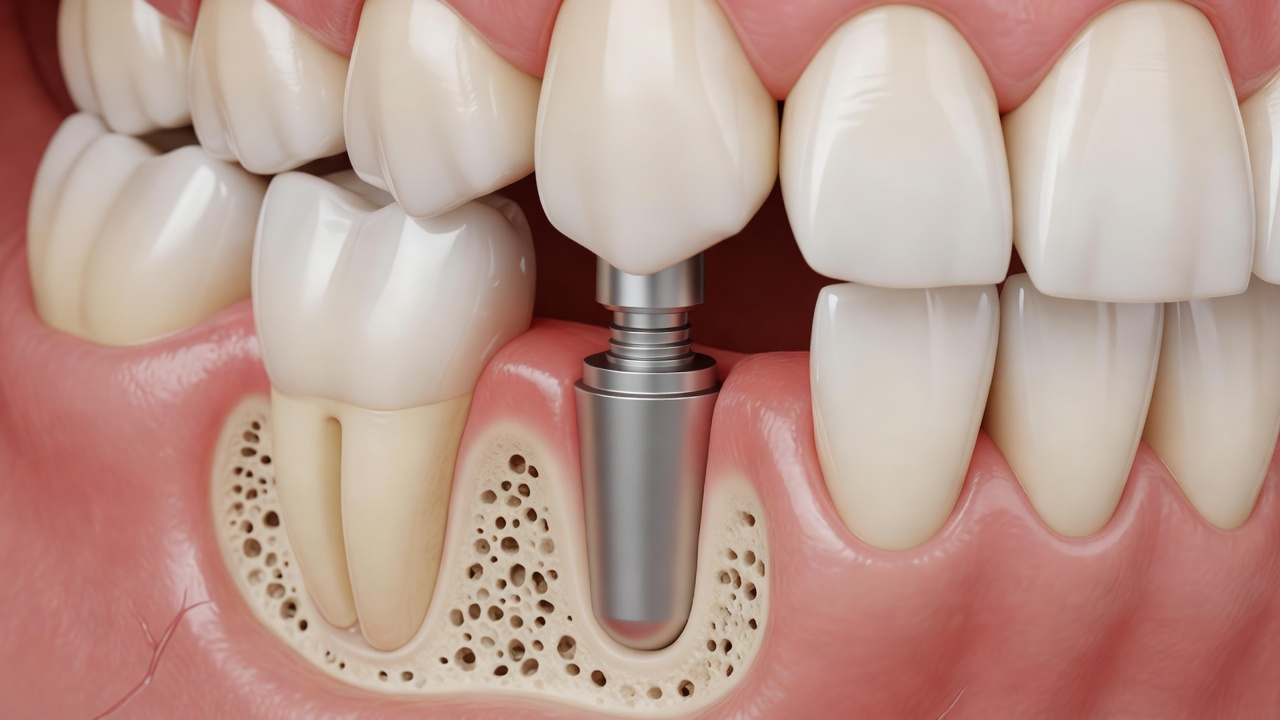
Patients report issues tied to Mexico's high-volume dental tourism hubs like Tijuana and Cancun. Common problems include peri-implantitis from bacterial exposure during travel and mechanical failures from material inconsistencies. Real-world examples from 2026 show travelers experiencing swelling weeks after flights due to pressure changes. Additional complications often stem from differences in sterilization protocols or implant brands used abroad compared to those familiar in the patient's home country. Logistics such as long flights can exacerbate swelling or dislodge temporary restorations. Clinic variations mean some facilities follow international standards while others may not prioritize long-term follow-up for international patients.
Early Warning Signs to Monitor
- Persistent pain or throbbing beyond the first week
- Redness, swelling, or discharge around the implant site
- Loose feeling in the implant or difficulty chewing
- Fever or foul taste indicating possible infection
- Numbness or tingling that does not resolve
- Changes in bite alignment noticed during daily activities
Document symptoms daily with photos and notes for accurate reporting to professionals. Tracking patterns helps distinguish normal healing from emerging issues.
At-Home Care Protocols for the First 90 Days
Follow a structured routine to support healing. Rinse gently with prescribed solutions, avoid hard foods, and maintain oral hygiene without disturbing the site. Travelers from 2026 emphasize using travel-sized kits and setting phone reminders for medication. Expand this by incorporating soft diet transitions gradually, starting with liquids and progressing to mashed foods. Use antimicrobial mouth rinses as directed and apply cold compresses for the initial 48 hours to reduce inflammation. Maintain hydration and avoid smoking or alcohol which can delay recovery. Consider keeping a daily journal of pain levels and any dietary adjustments made.
World Health Organization guidelines on infection prevention offer additional global best practices adaptable to post-implant care.
Step-by-Step Checklists for Complication Management
- Day 1-7: Daily visual inspections and gentle cleaning with soft brushes.
- Week 2-4: Introduce soft diet and monitor for mobility or unusual sensations.
- Month 2-3: Schedule virtual check-ins with your Mexican provider and note any progress.
- Ongoing: Track any changes and prepare emergency kits with contact info.
- Month 4-6: Assess integration through professional X-rays if symptoms persist.
When to Seek Local Versus Remote Specialist Help
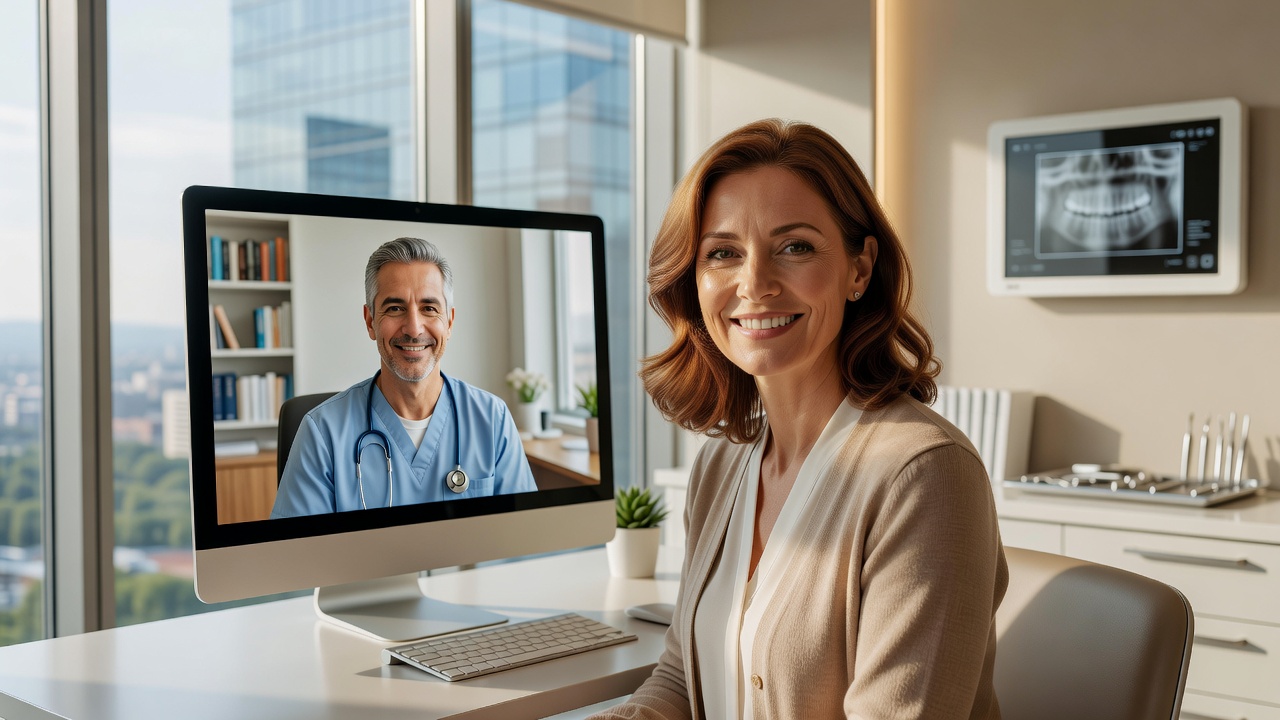
For minor issues, remote consultations via video work well with your original clinic. Severe symptoms like high fever require immediate local emergency dental care. Compare options based on symptom severity and travel feasibility. Remote help suits stable cases where photos and descriptions suffice for advice. Local intervention becomes essential for acute pain, excessive bleeding, or signs of systemic infection. Many 2026 patients successfully blended both approaches by starting with video calls before escalating.
Real-World Examples from 2026 Travelers
One couple from Texas encountered implant loosening after a Cancun trip; they used a local specialist for stabilization while coordinating remotely with Mexico. Another patient managed early infection through at-home antibiotics before flying back for revision. A third traveler from California dealt with peri-implantitis by following detailed at-home rinses and sharing weekly updates via email with their original provider, avoiding a second trip. These cases highlight the value of preparation and hybrid care models.
Pre-Travel Preparation to Minimize Risks
Before departing for Mexico, research clinic accreditations and request detailed treatment plans including implant brands. Arrange travel insurance that covers medical complications and confirm follow-up protocols with your chosen provider. Pack necessary supplies such as prescribed medications and oral care tools. Discuss potential risks with your home dentist to establish a baseline understanding.
Mistakes to Avoid in Post-Procedure Care
Common errors include ignoring early symptoms, resuming normal eating too soon, or skipping virtual follow-ups. Patients sometimes rely solely on online forums instead of professional advice, leading to delayed treatment. Always verify information with licensed practitioners rather than self-diagnosing.
Long-Term Maintenance After Returning Home
Once initial healing passes, focus on regular cleanings and monitoring implant stability. Schedule professional evaluations every six months and maintain excellent oral hygiene routines. Report any new discomfort promptly to prevent progression.
FAQ: Insurance Claims and Emergency Contacts
How do I file insurance claims for complications?
Contact your provider immediately with procedure records and symptom timelines. Many policies cover emergencies but exclude elective tourism procedures. Gather all receipts and medical notes for smoother processing.
What emergency contacts should I have?
Keep your Mexican clinic's 24-hour line, local ER numbers, and a U.S. or Canadian dental association hotline ready. CDC travel health resources provide updated contact protocols.
Can I use my domestic dental insurance for follow-up care?
Review policy details as coverage varies widely for overseas procedures. Some plans reimburse emergency care only after documentation review.
Who provides reliable second opinions remotely?
Board-certified specialists affiliated with major dental associations often offer telehealth. American Dental Association directories help locate qualified professionals.
Conclusion
Proactive management turns potential setbacks into manageable experiences. Stay vigilant, follow protocols, and leverage both local and remote resources for optimal outcomes in 2026. Thorough preparation and timely action ensure successful long-term results from your dental tourism journey.
No comments yet. Be the first!