 Veda Tour
Why Follow-Up Care Is Critical After Dental Implants in Mexico
Receiving dental implants in Mexico offers significant advantages for medical tourists seeking high-quality care at accessible prices. However, the journey does not end once you return home. Proper coordination of follow-up care ensures implant longevity, prevents complications, and supports overall oral health. Patients must bridge the gap between their Mexican dental team and local providers to maintain continuity of treatment and protect their investment in a new smile.
Successful outcomes depend on proactive planning from the moment the procedure is complete. Without structured follow-up, issues like peri-implantitis, improper occlusion, or bone loss can arise undetected and lead to costly revisions. This comprehensive guide outlines actionable protocols, real-world examples from patients who have navigated the process successfully, and detailed comparisons between care models to help you achieve lasting results for years to come.
Establishing Communication Protocols with Both Dental Teams
Clear communication forms the foundation of coordinated care. Before leaving Mexico, schedule a detailed handover meeting with your implant surgeon. Request written instructions on healing timelines, medication schedules, and warning signs specific to your case. Share this information immediately with your home dentist during your first post-travel appointment.
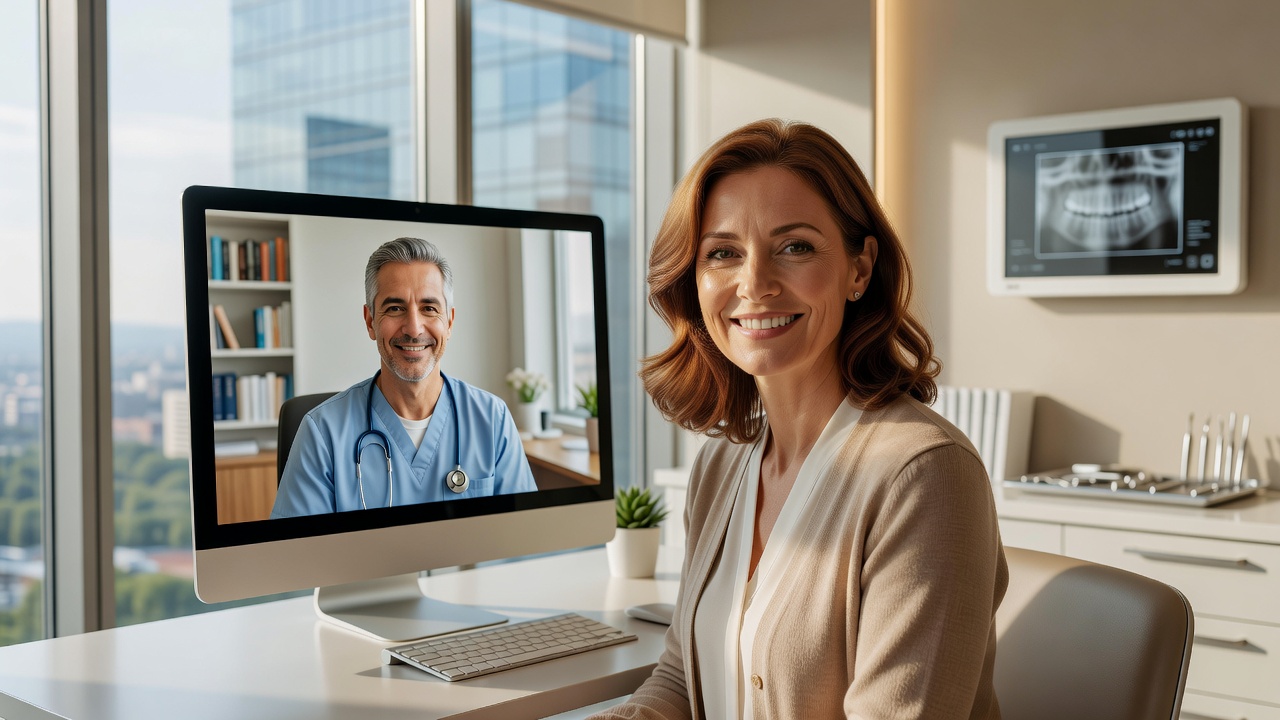
Many clinics in Mexico now use secure telehealth platforms for ongoing dialogue. Patients should obtain direct email addresses, messaging contacts, or patient portal access for both providers. Monthly progress updates during the first three months post-surgery help catch early concerns before they escalate. Use video calls to demonstrate bite alignment, gum color changes, or healing progress when in-person visits are impractical due to distance or scheduling.
Record-Sharing Best Practices for Seamless Continuity
Comprehensive records prevent redundant testing and inform local treatment decisions accurately. Ask your Mexican clinic to provide a complete digital package that includes:
- Full surgical reports and implant specifications such as brand, size, torque values, and placement angles
- Pre- and post-operative radiographs, panoramic X-rays, and CBCT scans in DICOM format
- Lab work orders, prosthetic designs, and material specifications
- Medication lists, allergy notes, and post-operative care instructions
- Any warranties or guarantees associated with the implants and prosthetics
Digital transfer via encrypted portals like clinic-specific systems or secure services is preferred over physical copies. Patients should request records in both PDF and editable DICOM formats for maximum compatibility with home dental software. Always keep personal backup copies on a secure encrypted drive. American Dental Association guidelines emphasize standardized record exchange to reduce errors in cross-border care scenarios.
Scheduling Remote Check-Ins and Virtual Monitoring
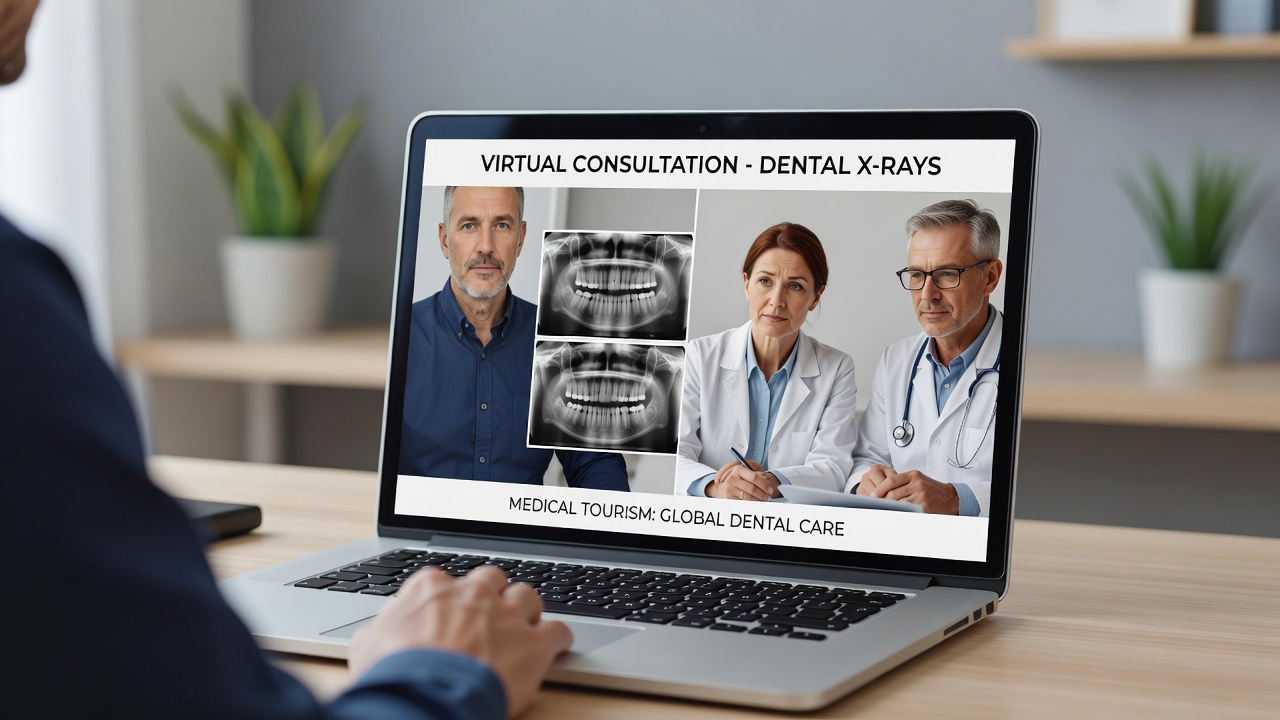
Remote check-ins offer convenience without sacrificing clinical oversight. Many patients benefit from quarterly video consultations during the first year, followed by semi-annual sessions thereafter. These sessions allow dentists to assess soft tissue healing, occlusion patterns, and patient-reported symptoms in real time.
Practical steps for effective virtual monitoring include booking appointments at consistent intervals, preparing high-resolution photos of your mouth under consistent lighting conditions, using mobile apps that track bite force or inflammation markers, and maintaining daily oral hygiene logs to share during calls. Virtual visits excel for ongoing monitoring but cannot fully replace hands-on professional cleanings or physical adjustments when needed.
Handling Minor Adjustments Without Additional Travel
Minor issues such as slight bite discrepancies, soft tissue irritation, or minor prosthetic loosening can often be managed locally with proper guidance. Provide your home dentist with the original prosthetic design files and surgical notes so they can replicate or refine work accurately without guesswork. Custom night guards or targeted occlusal adjustments performed at home frequently resolve discomfort and restore proper function.
Patients report high success rates when they maintain open channels with the original clinic for step-by-step guidance on local modifications. Avoid any self-adjustments that could void warranties, damage components, or introduce new complications. In cases requiring more than basic tweaks, compare the cost and convenience of a single return visit versus repeated local interventions.
Insurance Considerations for International Dental Procedures
Most domestic insurance plans offer limited or no coverage for overseas implants. Review your policy language carefully regarding out-of-network benefits and international provider reimbursements. Some patients purchase supplemental travel medical insurance specifically addressing post-procedure dental complications and emergency revisions.
Document all receipts, correspondence, and treatment notes thoroughly for potential reimbursement claims. Consult both your home insurer and the Mexican clinic’s billing department early in the process to understand coverage gaps and required documentation. Mayo Clinic resources on dental implants highlight the importance of verifying insurance details before and after travel.
Recognizing Red Flags and When to Seek Immediate Care
Monitor your implants closely and watch for persistent pain beyond normal healing, increasing swelling, implant loosening, or changes in bite alignment. Additional warning signs include unusual bleeding, foul odor from the site, gum recession around the implant, or difficulty chewing. Patients should contact both dental teams simultaneously if symptoms appear suddenly.
Early intervention often prevents full implant failure and preserves surrounding bone structure. Keep a detailed symptom journal noting dates, severity, and any triggers to share during check-ins or emergency visits.
Real-World Examples of Successful Coordination
One patient from Texas coordinated care after receiving four implants in Los Algodones. By sharing complete DICOM files and holding bi-monthly video calls, her local dentist performed a minor crown adjustment at home within weeks, avoiding an unnecessary return trip and saving significant time. Another case involved a Canadian patient who used a shared patient portal to resolve minor inflammation through prescribed antimicrobial rinses guided remotely by the Mexican surgeon, maintaining progress without additional flights.
A third example comes from a patient in Arizona who established a hybrid schedule: an in-person visit at six months combined with monthly virtual updates. This approach caught an early occlusion issue that was corrected locally using original lab specifications, resulting in full integration and no further complications after two years.
Comparing In-Person Versus Virtual Follow-Ups
In-person visits provide comprehensive diagnostics, professional cleanings, and immediate physical interventions. Virtual sessions reduce travel costs, minimize time away from work, and enable more frequent monitoring of healing progress. The optimal approach often combines both models: an initial in-person evaluation at six months followed by regular virtual touchpoints. This hybrid strategy maximizes convenience while ensuring thorough clinical oversight for long-term implant success.
Long-Term Maintenance Strategies for Implant Longevity
Beyond initial follow-up, adopt daily routines that support implant health. Use soft-bristle brushes, interdental cleaners, and non-abrasive toothpaste. Schedule professional cleanings every four to six months with a dentist experienced in implant care. Avoid hard foods that could stress the prosthetics and maintain regular check-ups to monitor bone levels over time.
Frequently Asked Questions
How soon after surgery should I see my local dentist?
Schedule a baseline check within two weeks of returning home to establish measurements and review records together.
Can my local dentist replace a crown if needed?
Yes, provided they receive detailed specifications, shade guides, and design files from your Mexican provider in advance.
What if complications require returning to Mexico?
Many clinics offer discounted or complimentary revision visits within the first year when issues are coordinated in advance through shared records.
Are virtual check-ins sufficient for the first year?
They work well for monitoring but should be supplemented with at least one in-person visit around the six-month mark for thorough evaluation.
How do I handle emergencies outside office hours?
Establish 24-hour contact protocols with both teams and keep copies of all records accessible for quick sharing with on-call providers.
Conclusion
Coordinating follow-up care after Mexico dental implants requires deliberate communication, organized records, and a balanced use of remote and in-person visits. By following these detailed strategies, maintaining open dialogue with both providers, and staying vigilant for warning signs, patients protect their investment and enjoy reliable long-term oral health success.

No comments yet. Be the first!