 Veda Tour
Introduction to Insurance Coverage for Dental Implants in Mexico
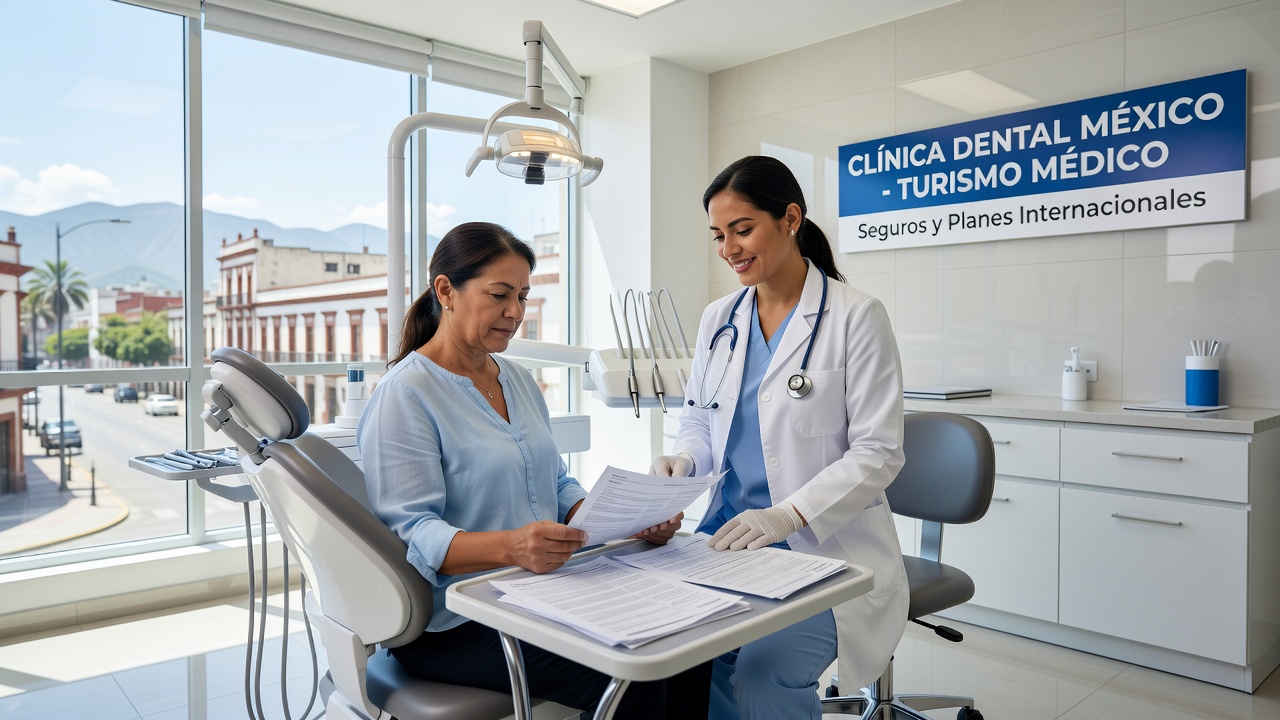
Medical tourism for dental implants in Mexico continues to attract patients seeking high-quality care at accessible prices. While the focus often centers on treatment savings, understanding how health insurance applies to overseas procedures can further reduce out-of-pocket expenses. This guide examines US insurer approaches to international dental work, required paperwork, and proven strategies for successful claims in 2026. Patients traveling abroad often combine lower procedure costs with partial insurance recovery, creating substantial overall savings when the process is handled correctly.
Many Americans discover that their existing dental or medical plans contain provisions for out-of-country care, especially when implants address functional issues such as chewing difficulties or structural jaw problems. However, success depends on proactive research rather than assumptions. Policies differ widely between employers, states, and plan types, making individualized verification essential before any travel or treatment begins.
US Insurer Policies on Overseas Dental Procedures
Many US dental and medical insurance plans treat procedures performed abroad differently from domestic treatments. Coverage often depends on whether the plan classifies dental implants as medically necessary or purely cosmetic. Patients should review their policy language regarding out-of-network and international providers before traveling. Some plans extend benefits when pre-authorization is obtained, while others exclude foreign care entirely. PPO plans frequently provide more flexibility than HMO structures because they allow out-of-network reimbursement at reduced rates.
Major carriers such as those following guidelines from the Centers for Medicare & Medicaid Services may reimburse portions of implant surgery if documentation proves medical necessity. Always confirm eligibility directly with your insurer rather than assuming coverage. Employer-sponsored plans sometimes include riders for international emergencies, yet routine dental tourism requires separate confirmation. Medicare Advantage plans occasionally cover related medical components when implants support overall health, but standard Medicare dental exclusions remain strict.
Required Documentation Steps for Successful Claims
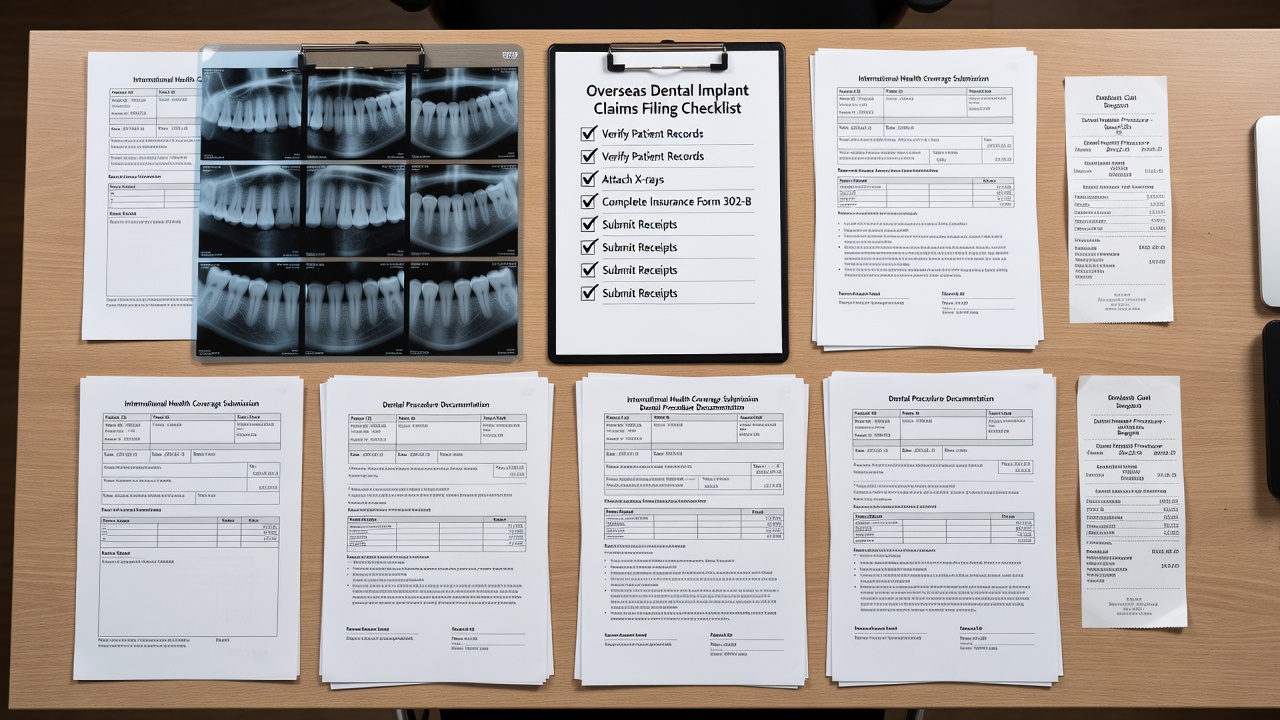
Submitting a claim for dental implants performed in Mexico requires thorough preparation. Begin by collecting detailed treatment plans, itemized invoices, and before-and-after radiographs from your Mexican provider. These records must clearly demonstrate the procedure's medical necessity to satisfy US insurance reviewers. Itemized billing should separate implant fixtures, abutments, and crowns with corresponding CPT or CDT codes whenever possible.
Next, obtain a letter from your US dentist supporting the treatment. Include proof of payment and any travel-related medical records. Insurers frequently request translated documents if originals are in Spanish, so certified translations are advisable. Organize everything chronologically and create digital backups stored in multiple locations. Follow up with the clinic for any missing operative notes or post-operative instructions that demonstrate continuity of care.
Comparing Major Insurance Providers
Provider policies vary significantly. Some Delta Dental plans offer limited international benefits when pre-approved, while certain Cigna and Aetna policies require extensive justification for overseas implants. Reviewing plan summaries and contacting member services helps identify which carriers are more receptive to foreign claims. Patients report higher success rates when working with insurers experienced in global healthcare coordination. UnitedHealthcare and Humana also maintain international networks in select cases, though reimbursement percentages often drop when services occur outside the United States.
Comparison shopping among plans before enrollment can yield long-term advantages for frequent travelers. Those with flexible spending accounts or health savings accounts gain additional flexibility because qualified expenses may be reimbursed tax-free regardless of location, provided proper receipts exist.
Real-World Examples of Successful Reimbursement
One patient from Texas received partial reimbursement after submitting comprehensive records from a Tijuana clinic, including pre-authorization approval obtained weeks in advance. The insurer covered the surgical phase after reviewing medical necessity documentation that linked the implants to prior jaw reconstruction needs. Another traveler in Los Algodones secured coverage by demonstrating that equivalent treatment in the US would exceed policy limits. A third example involved a California resident whose employer plan reimbursed 40 percent of costs following an appeal that included comparative cost analyses and letters from two US specialists.
These cases highlight the value of proactive communication with insurers. Success stories consistently feature patients who maintained detailed communication logs and submitted appeals within required timeframes when initial denials occurred.
Practical Checklist for Filing Insurance Claims
- Verify international coverage with your insurer before booking treatment and request written confirmation.
- Obtain pre-authorization and retain all written approvals in both digital and printed formats.
- Collect itemized bills, X-rays, and operative reports from the Mexican clinic, ensuring all dates align with travel records.
- Secure a supporting letter from your US dentist explaining medical necessity and expected outcomes.
- Arrange certified translations of all non-English documents through a professional service accepted by your insurer.
- Submit claims within your plan’s filing deadline, typically 90–180 days post-procedure, and track every submission with reference numbers.
- Keep copies of every submission and follow up weekly until resolution, escalating to a supervisor if responses lag.
- Prepare for possible appeals by gathering additional evidence such as second opinions or cost-comparison data.
Mistakes to Avoid When Seeking Reimbursement
Common errors include assuming all plans cover implants identically and failing to obtain pre-authorization. Another frequent mistake involves submitting incomplete records or missing deadlines for appeals. Patients sometimes overlook coordination of benefits when they hold multiple policies, which can increase total recovery. Always double-check whether the Mexican provider participates in any preferred networks or offers direct billing assistance to US insurers.
Common Pitfalls and FAQ
Many claims are denied due to missing pre-authorization or incomplete documentation. Always clarify whether your plan covers implants specifically or only related services such as extractions. Questions often arise around timing: submit claims promptly after returning to the US to avoid automatic rejection.
Frequently Asked Questions
Does Medicare cover dental implants in Mexico? Medicare generally excludes routine dental care, though exceptions exist for medically necessary procedures tied to other covered services. Confirm details with Medicare.gov.
Can I use my HSA or FSA for Mexican dental implants? Qualified medical expenses may be eligible; retain all receipts for tax documentation and consult IRS Publication 502 for current rules.
What if my claim is initially denied? Request a formal appeal and supply additional evidence of medical necessity, including specialist opinions and cost comparisons.
How long does the claims process usually take? Most insurers respond within 30 to 60 days, though appeals can extend timelines to several months.
Are there any countries or clinics that insurers prefer? Some plans maintain relationships with specific international facilities; ask member services for a current list of recognized providers.
Conclusion
Combining Mexico’s competitive dental implant options with strategic use of existing insurance maximizes savings for medical tourists. Thorough preparation, clear documentation, and direct insurer engagement remain the keys to successful reimbursement. Patients who follow the outlined steps position themselves for the best possible financial outcome in 2026. Continued attention to policy updates and clinic communication practices will further improve results for future travelers.

No comments yet. Be the first!