 Veda Tour
Understanding Legal Protections for Dental Implant Patients in Mexico
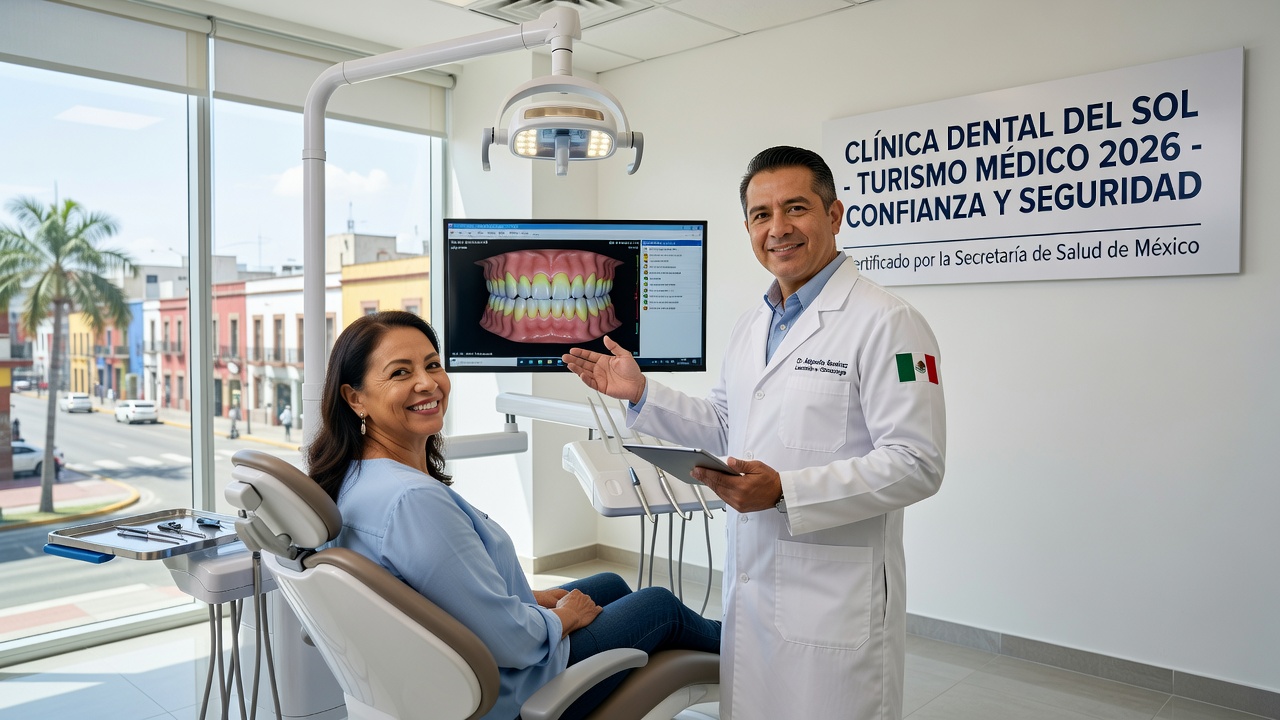
Medical tourists seeking affordable dental implants in Mexico often wonder about their legal safeguards in 2026. This comprehensive guide examines patient rights under Mexican law, essential contract elements, malpractice insurance requirements, and effective strategies for handling complications or disputes across borders. With proper preparation, individuals can enjoy safe and successful experiences while minimizing risks associated with treatment abroad. The growing popularity of dental tourism in cities like Tijuana, Cancun, and Los Algodones has prompted stronger regulatory oversight, yet patients must still take proactive steps to protect themselves. Understanding these protections empowers travelers to make informed decisions and pursue remedies confidently if issues arise.
Mexican Legal Framework for Medical Tourism
Mexico regulates healthcare through federal and state laws, including the General Health Law and consumer protection statutes enforced by PROFECO. These frameworks require clinics to maintain standards for informed consent, record-keeping, and professional licensing. Patients benefit from rights to transparent pricing, quality care, and redress for negligence. International patients should verify clinic compliance with COFEPRIS regulations before proceeding. Additional protections stem from the Federal Consumer Protection Law, which covers deceptive practices and service deficiencies in medical settings. State-level health commissions also oversee licensing of dentists and clinics, providing avenues for complaints. Patients can access public registries to confirm a provider’s credentials, adding an essential layer of due diligence for anyone considering implants abroad.
Contract Essentials and Patient Rights
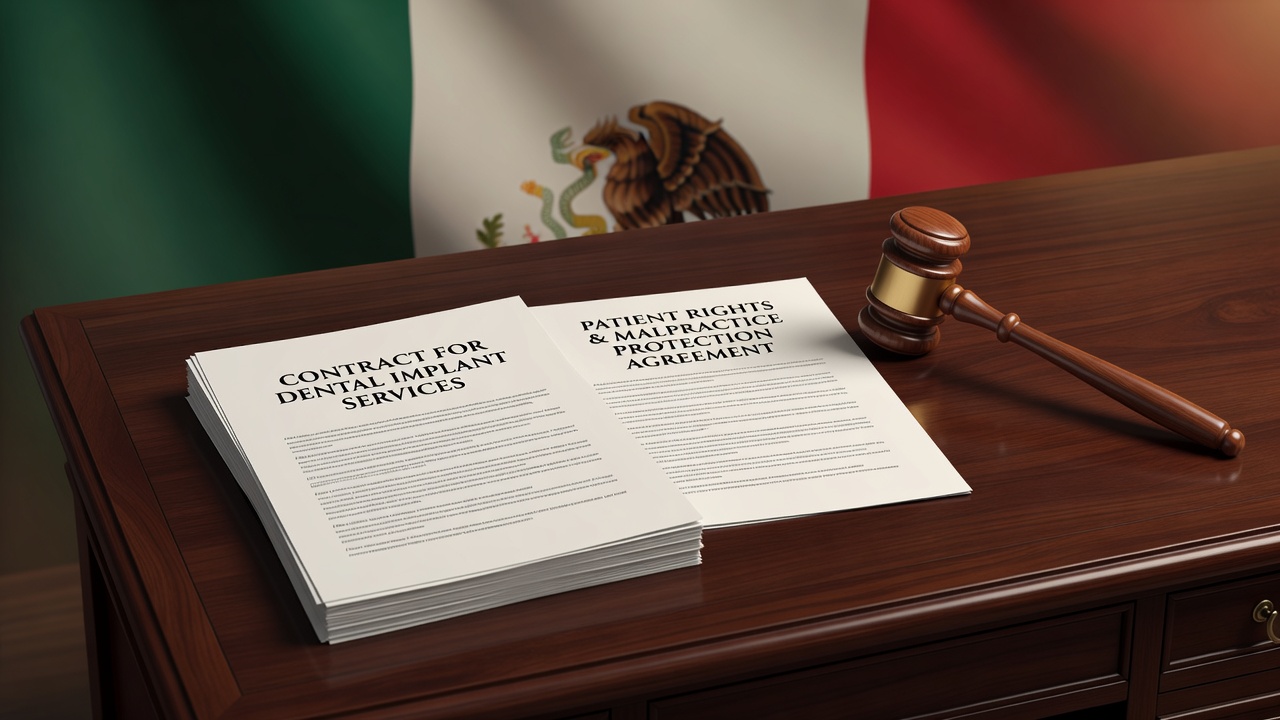
Before treatment, secure a detailed written contract outlining procedures, materials used, timelines, warranties, and responsibilities. Key elements include clauses on follow-up care, refund policies for complications, and jurisdiction for disputes. Always request Spanish and English versions reviewed by a bilingual attorney. Patients retain rights to access medical records and pursue claims for substandard care under Mexican consumer laws. Contracts should specify implant brands, guarantee periods, and what constitutes a breach of service. Clear language on post-operative visits, whether in Mexico or via remote consultation, prevents misunderstandings. Including provisions for emergency care and transportation costs related to complications strengthens the agreement and demonstrates the clinic’s commitment to patient safety.
Malpractice Insurance and Liability Coverage
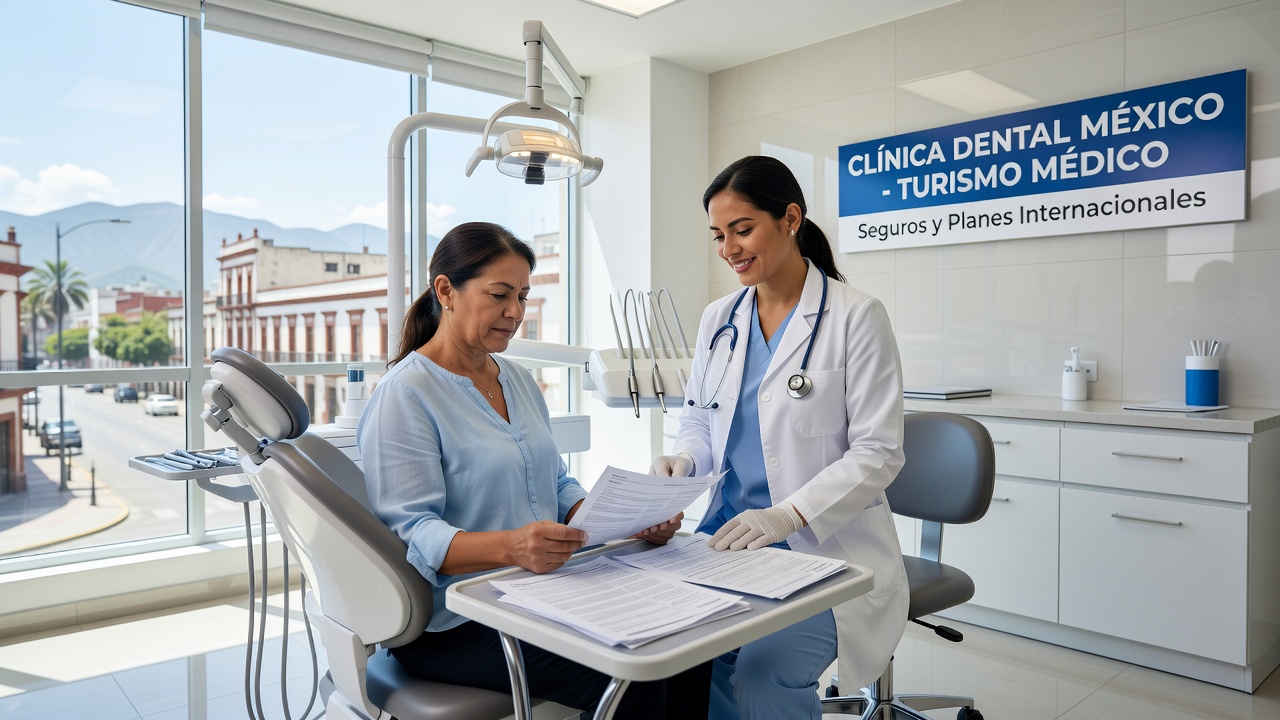
Reputable Mexican dental clinics carry professional liability insurance that covers implant procedures. Verify policy limits and whether coverage extends to foreign patients. Some clinics partner with international insurers for added protection. Understanding these details helps patients assess financial recourse if complications arise from surgical errors or material defects. Clinics must display proof of insurance upon request, and patients should request copies of the policy summary. Coverage often includes defense costs and settlements, though caps may apply. Asking about the insurer’s financial rating and claims history provides further reassurance. This transparency builds trust and ensures that any awarded compensation can actually be collected.
Options for Recourse in Case of Complications
If issues occur, start with direct clinic communication and documented follow-up requests. Escalate to PROFECO for mediation or file complaints with state medical boards. For severe cases, civil lawsuits in Mexican courts or international arbitration may apply. Document all communications, photos of issues, and treatment records meticulously to strengthen any claim. Patients may also contact the Mexican Dental Association or local consumer protection offices for guidance. In complex situations involving permanent damage, retaining a Mexican attorney familiar with health law becomes essential. Time limits for filing complaints vary by state, so prompt action is critical. Many clinics offer corrective procedures at reduced or no cost when issues are reported early, demonstrating good-faith resolution practices.
Navigating Cross-Border Disputes Effectively
Cross-border claims require understanding jurisdiction clauses in contracts. Many agreements specify Mexican courts or arbitration bodies like the International Chamber of Commerce. Patients should consider hiring bilingual legal counsel experienced in medical tourism. The U.S. State Department offers resources on international healthcare disputes through its official travel site. Additional support comes from organizations such as the PROFECO consumer protection agency, which assists foreign complainants. Coordinating between U.S. and Mexican lawyers can streamline evidence sharing and settlement negotiations. Patients should also explore whether their travel insurance or credit card benefits provide legal assistance for medical tourism issues.
Comparing Legal Frameworks: Mexico vs. the United States
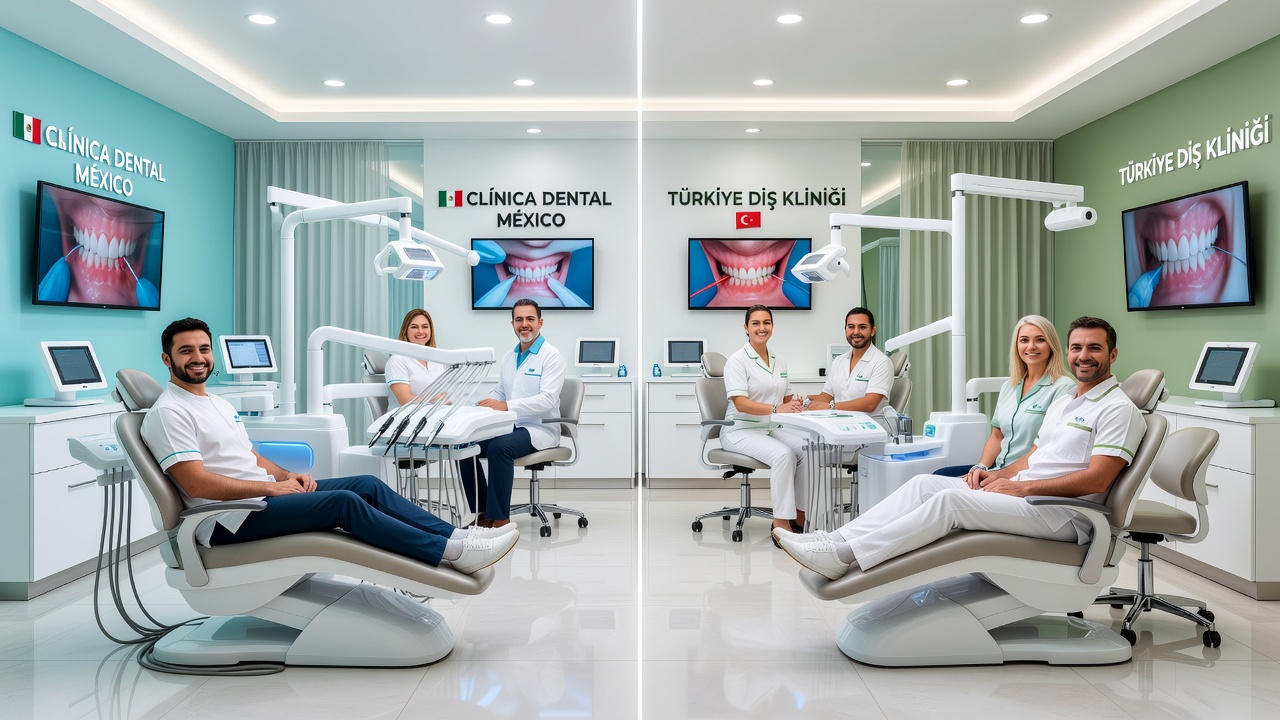
U.S. malpractice suits often involve higher damages and contingency fees, while Mexican processes emphasize mediation and capped awards. Mexico offers faster resolutions in some cases but requires navigating local procedures. Patients familiar with both systems can better evaluate risks and benefits of treatment locations. In the U.S., statutes of limitations and expert witness requirements differ significantly from Mexican civil codes. Contingency arrangements are less common south of the border, meaning upfront legal costs may apply. However, Mexico’s emphasis on conciliation often leads to quicker, less adversarial outcomes. Understanding these differences helps patients set realistic expectations about timelines and potential compensation.
Real-World Examples of Resolved Cases
In one documented case, a U.S. patient successfully mediated a refund and corrective treatment through PROFECO after implant failure due to improper placement. Another involved arbitration resulting in compensation for nerve damage from a Mexican clinic. A third example saw a Canadian traveler obtain replacement implants at no additional cost after the original clinic acknowledged a manufacturing defect. These examples highlight the value of thorough documentation and professional advocacy. In each instance, patients who maintained detailed records and engaged early with consumer authorities achieved favorable resolutions without lengthy court proceedings. Such cases demonstrate that while challenges exist, structured recourse mechanisms do deliver results when used correctly.
Practical Steps for Documenting Treatments
- Obtain copies of all X-rays, consent forms, and invoices before leaving the clinic.
- Photograph pre- and post-procedure conditions with timestamps.
- Keep detailed journals of symptoms, communications, and expenses.
- Consult an independent dentist for second opinions upon return home.
- Store digital backups securely for potential legal use.
- Request written post-care instructions and medication lists in both languages.
- Save all travel receipts and accommodation details related to the trip.
How to Choose a Reputable Dental Implant Clinic in Mexico
Selecting the right provider dramatically reduces legal risk. Look for clinics with international accreditation, transparent pricing, and English-speaking staff. Review patient testimonials on independent platforms and confirm dentist credentials through official Mexican registries. Scheduling virtual consultations allows direct questions about experience with complex implant cases. Visiting in person for an initial assessment when possible provides further peace of mind. Avoid clinics that pressure immediate decisions or refuse to share insurance documentation.
Mistakes to Avoid When Seeking Dental Care Abroad
Common pitfalls include signing contracts without legal review, failing to verify insurance coverage, and neglecting follow-up care plans. Patients should never rely solely on clinic-provided translators for critical discussions. Overlooking the need for U.S. dental records transfer can also complicate future treatments. Taking shortcuts on due diligence often leads to preventable disputes.
FAQ: Common Concerns About Liability Waivers and Arbitration
Are liability waivers enforceable in Mexico?
Waivers cannot eliminate rights to pursue negligence claims under consumer protection laws, though they may limit certain liabilities if clearly worded.
How does international arbitration work for dental disputes?
Arbitration provides neutral resolution outside courts, often faster and confidential, but requires agreement in the initial contract.
What if complications appear after returning to the U.S.?
Seek immediate care locally and retain all records. Contact Mexican authorities or your clinic for remote consultation while exploring legal options.
Can I sue a Mexican clinic from the United States?
Enforcement of U.S. judgments in Mexico is limited; most contracts require disputes to be resolved in Mexican venues or through arbitration.
Conclusion: Empowering Safe Medical Tourism Experiences
Preparation is key to leveraging legal protections when pursuing dental implants in Mexico. By understanding contracts, insurance, documentation, and dispute resolution, patients can confidently navigate the process and focus on positive outcomes. Always prioritize verified providers and professional legal advice for the safest experience.
No comments yet. Be the first!