 Veda Tour

Understanding Long-Term Durability of Dental Implants in Mexico
Dental implants have become a trusted solution for tooth replacement, and many patients seek treatment through Mexico medical tourism for high-quality care. This article examines the long-term success rates of Mexico dental implants in 2026, focusing on clinical data, influencing factors, comparisons, and practical monitoring advice. Success is typically defined as implants remaining functional without complications over five to ten years or more. The growing popularity of these procedures stems from advanced techniques available at specialized clinics, where surgeons often perform hundreds of implant placements annually. Patients report high satisfaction when implants integrate well with surrounding bone tissue, allowing them to regain full chewing ability and confidence in their smile. Over the past decade, improvements in implant materials and surgical planning have contributed to better predictability, making Mexico a viable option for those prioritizing durability alongside accessibility.
Clinical Success Statistics from Mexican Providers
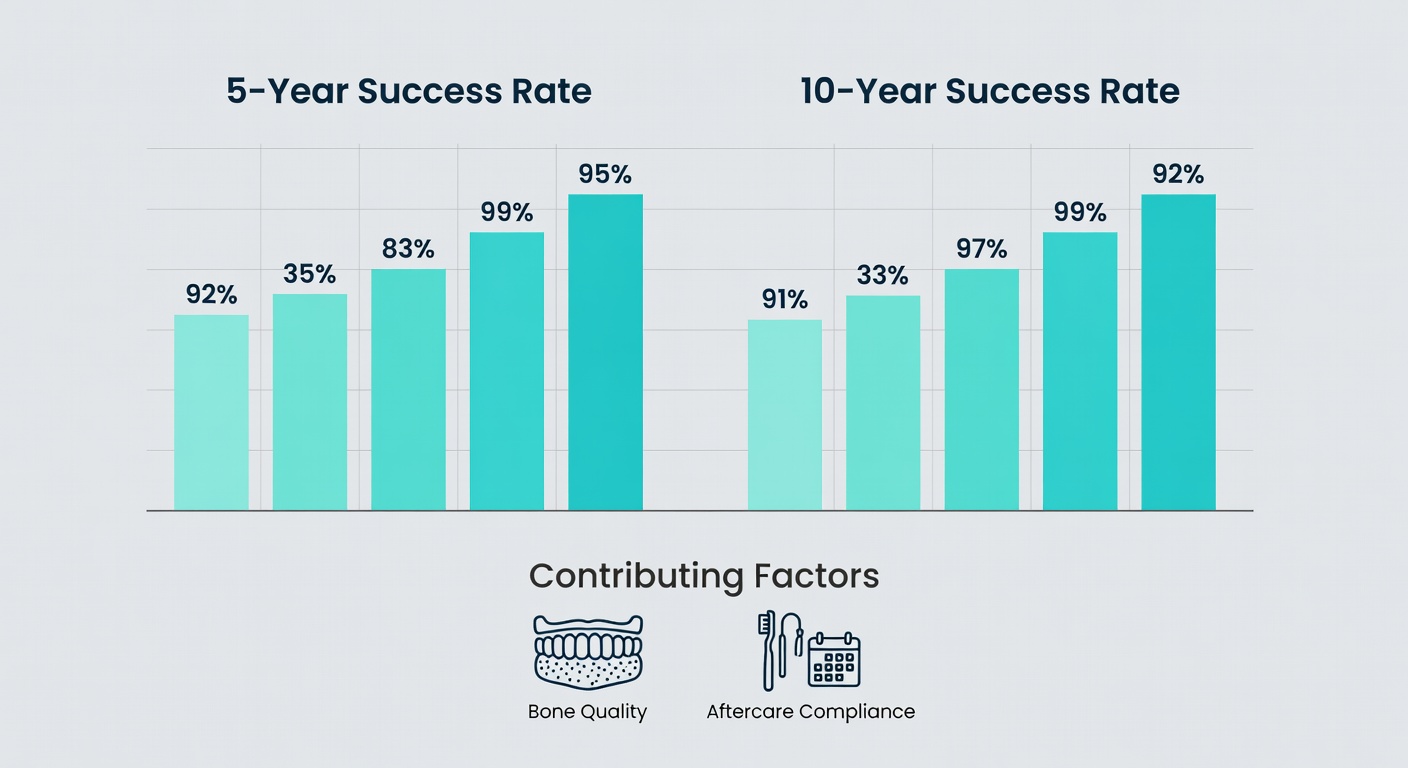
Studies from accredited clinics in Mexico report success rates ranging from 95% to 98% at the five-year mark, aligning closely with international benchmarks. Data tracked through 2026 shows that titanium implants placed by experienced specialists maintain osseointegration in over 96% of cases when patients follow recommended protocols. Longitudinal reviews indicate that after ten years, retention rates often exceed 92%, particularly for single-tooth replacements and full-arch restorations. These figures draw from multi-year patient registries maintained by facilities adhering to international sterilization and surgical standards. Additional metrics highlight that zirconia implants, increasingly used for aesthetic zones, achieve comparable longevity with lower rates of allergic reactions. Providers frequently publish anonymized outcome reports showing reduced complication rates due to digital planning tools like intraoral scanners and guided surgery software. Factors such as patient age and systemic health are also factored into these statistics, with younger adults demonstrating slightly higher long-term retention in some cohorts.
One key insight involves the role of implant brands used in Mexico, many of which are FDA-cleared equivalents sourced globally. Success metrics improve significantly when providers use advanced surface technologies that promote faster bone bonding. Clinics often track peri-implant bone levels annually, revealing average losses of less than 1 millimeter over five years in successful cases.
Factors Influencing Longevity: Bone Quality and Aftercare
Bone density and quality at the implant site directly affect outcomes. Patients with sufficient jawbone volume experience higher success, while those requiring grafting see slightly lower rates unless healing is optimized. Mexican providers frequently employ cone-beam CT scans to assess bone before surgery, reducing risks. In regions with softer bone types, such as the posterior maxilla, specialized implants with wider threads or additional surface treatments help achieve stable primary stability. Research indicates that smokers or individuals with osteoporosis may face elevated challenges, yet customized treatment plans including bone augmentation can mitigate these issues effectively.
Aftercare plays an equally critical role. Regular professional cleanings, avoiding tobacco, and maintaining oral hygiene extend implant life. Patients who attend follow-up visits in the first year report fewer issues such as peri-implantitis. Lifestyle factors like diet and stress management also contribute to sustained results over a decade. Proper aftercare includes using antimicrobial rinses initially and transitioning to electric toothbrushes with pressure sensors to avoid damaging the implant-abutment connection. Nutrition rich in calcium and vitamin D supports ongoing bone health around the implant site. Many patients benefit from custom night guards if they grind their teeth, preventing excessive forces that could loosen components over time.
Comparisons to US Implant Results
Long-term outcomes for Mexico dental implants compare favorably with those obtained in the United States. Research from sources like the American Dental Association shows US success rates at approximately 95% after ten years. Mexican clinics achieve similar or marginally higher figures in some cohorts due to high procedural volume and specialized focus on implantology. Differences often stem from patient selection and post-operative support rather than surgical technique. Both regions emphasize evidence-based approaches, with Mexico benefiting from streamlined processes that maintain quality. Additional insights from global health organizations such as the Mayo Clinic underscore that success depends more on individual health profiles and adherence to care guidelines than geographic location. US patients often have access to similar implant systems, yet the emphasis on multidisciplinary teams in Mexican facilities can accelerate recovery timelines without compromising results.
Patient-reported outcomes also reveal comparable satisfaction levels, with surveys indicating that over 90% of individuals in both countries would recommend the procedure based on function and appearance after several years.
Real Patient Case Examples Tracked Over Multiple Years
Consider a 52-year-old patient who received four implants in Los Algodones, Mexico, in 2018. Follow-up assessments in 2023 and 2026 confirmed stable integration with no bone loss, allowing normal function including eating tough foods. Another case involved a full-mouth restoration for a 65-year-old in 2019; annual checkups through 2026 revealed 100% retention, with the patient noting improved quality of life and no need for adjustments beyond routine hygiene. A third example features a 45-year-old professional who underwent two molar implants in 2020. By 2026, radiographic evaluations showed excellent bone levels, and the patient reported seamless integration into daily activities such as public speaking without self-consciousness.
These examples highlight consistent results when initial healing succeeds and maintenance continues. Failures, when they occur, usually trace to poor oral hygiene rather than the implant placement itself. Detailed tracking often includes patient journals noting any discomfort, which helps clinicians identify patterns early and intervene with targeted therapies like laser treatments for inflammation.
Practical Steps for Monitoring Implant Health Post-Procedure
Patients should follow a structured monitoring plan after returning home. This begins with establishing a relationship with a local dentist experienced in implants for seamless continuity of care. Key steps include:
- Schedule professional cleanings every three to six months for the first two years to remove plaque and monitor tissue health.
- Perform daily brushing with a soft toothbrush and flossing around implant sites using specialized tools such as interdental brushes or water flossers to prevent bacterial buildup.
- Monitor for signs of inflammation or mobility during self-checks, noting any changes in bite or sensitivity that could signal loosening.
- Use a water flosser to reduce plaque buildup in hard-to-reach areas while avoiding overly aggressive pressure near the gumline.
- Consult a local dentist familiar with implant care for annual radiographic evaluations to assess bone stability and detect issues before they progress.
Documenting any changes and sharing records with the original Mexican provider supports early intervention if needed. Additional recommendations involve maintaining a balanced diet low in sugary foods and managing conditions like diabetes that can affect healing. Patients are encouraged to avoid hard objects such as ice or pens that might chip prosthetic components.
FAQ: Common Concerns About Failure Signs and Warranty Options
What are the early signs of implant failure?
Persistent pain, swelling, or loosening of the crown may indicate issues. Gum recession around the implant or difficulty chewing also warrant prompt evaluation. In some cases, a metallic taste or bad breath could signal infection, prompting immediate professional assessment to preserve the implant.
Do Mexican clinics offer warranties on implants?
Many accredited providers provide warranties covering the implant fixture for five to ten years, contingent on patients completing follow-up care. Always request written terms before treatment and understand that warranties typically exclude damage from accidents or neglect.
How often should implants be checked long-term?
Annual visits suffice after the initial stabilization period, unless symptoms arise. Imaging helps detect subclinical problems early, allowing for minimally invasive corrections that extend overall lifespan.
Can implants last a lifetime?
With proper care, many implants function well for 20 years or longer, though individual results vary based on health and maintenance. Regular monitoring and prompt attention to minor issues significantly increase the likelihood of lifelong success.
What role does smoking play in long-term outcomes?
Smoking reduces blood flow to the gums and bone, increasing failure risk. Quitting or reducing intake post-procedure can dramatically improve retention rates according to clinical observations.
Conclusion
Long-term success rates for dental implants obtained in Mexico remain strong in 2026, supported by robust clinical data and patient outcomes. By understanding influencing factors, comparing results, and committing to ongoing care, individuals can achieve durable, reliable restorations. This data-driven perspective empowers informed decisions focused on longevity rather than short-term considerations. Continued advancements in technology promise even better predictability for future patients seeking these treatments abroad.

No comments yet. Be the first!