 Veda Tour
Introduction to Dental Implants in Mexico
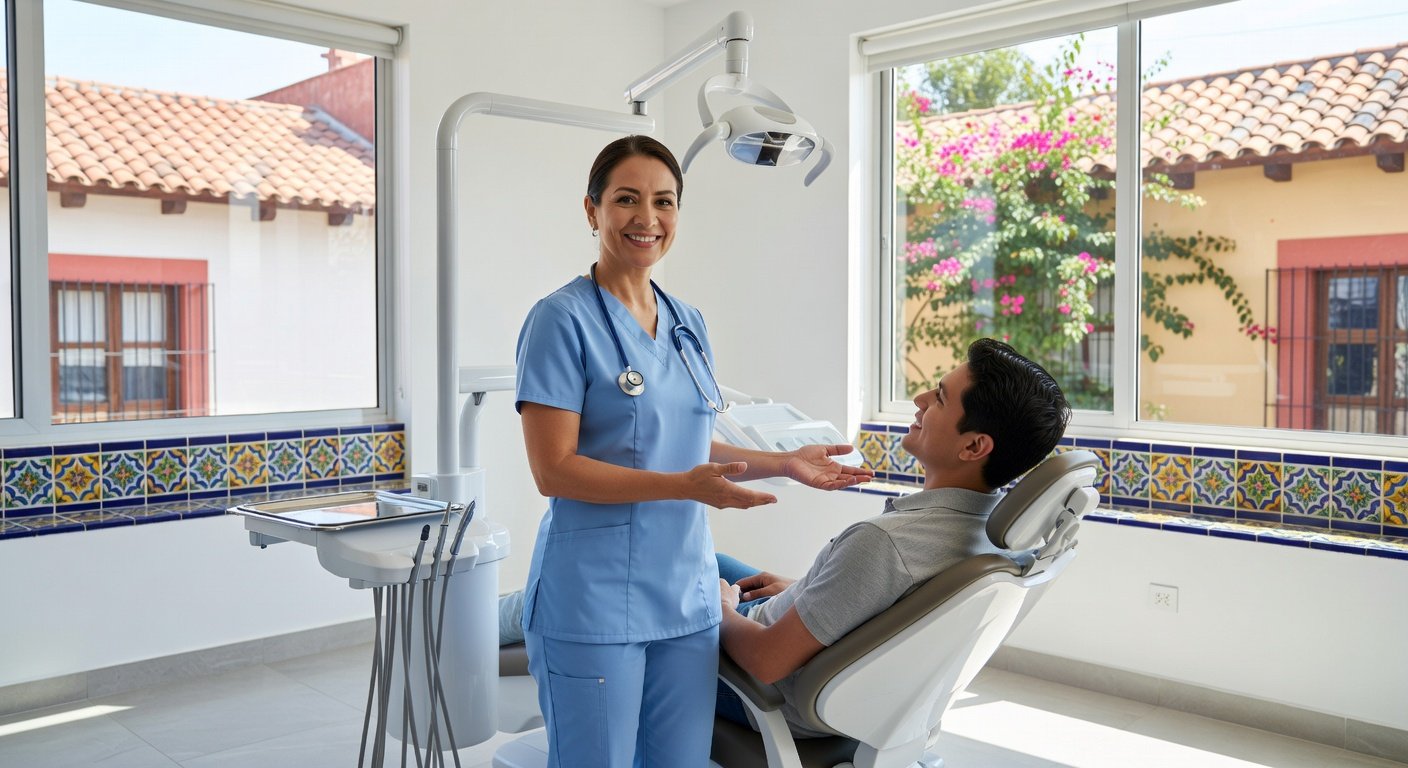
First-time medical tourists researching dental implants abroad often feel overwhelmed by the volume of options and unknowns. Mexico has become a leading destination for dental tourism because it combines experienced implant specialists, state-of-the-art clinics, and high-quality care at more accessible price points than many patients find at home. This comprehensive 2026 guide provides first-time visitors with everything needed to navigate the process confidently, from understanding implant options to managing the full journey from initial research through final restoration and aftercare back home.
Whether you require a single tooth replacement or a complete full-mouth reconstruction, knowing the types of implants available, how to prepare your medical records, and what to expect during surgery and recovery will help you set realistic expectations and minimize stress. The guide also addresses common concerns such as language barriers, follow-up care, and hidden costs so you can plan effectively.
Why Mexico Stands Out for Dental Implants
Mexico's appeal for dental implants stems from its geographic proximity to the United States and Canada, modern facilities accredited by international bodies, and a well-developed medical tourism infrastructure. Cities such as Tijuana, Cancun, Los Algodones, and Guadalajara host numerous clinics that cater specifically to international patients. Many of these clinics employ English-speaking staff and coordinators who guide patients through every step.
Patients frequently highlight the combination of advanced technology, including digital imaging and guided surgery systems, with personalized attention. When selecting a provider, verify that the clinic uses reputable implant systems approved by regulatory agencies and maintains strict infection-control standards. Resources like the American Dental Association offer guidance on what to look for in implant providers worldwide.
Understanding Core Implant Types in Depth
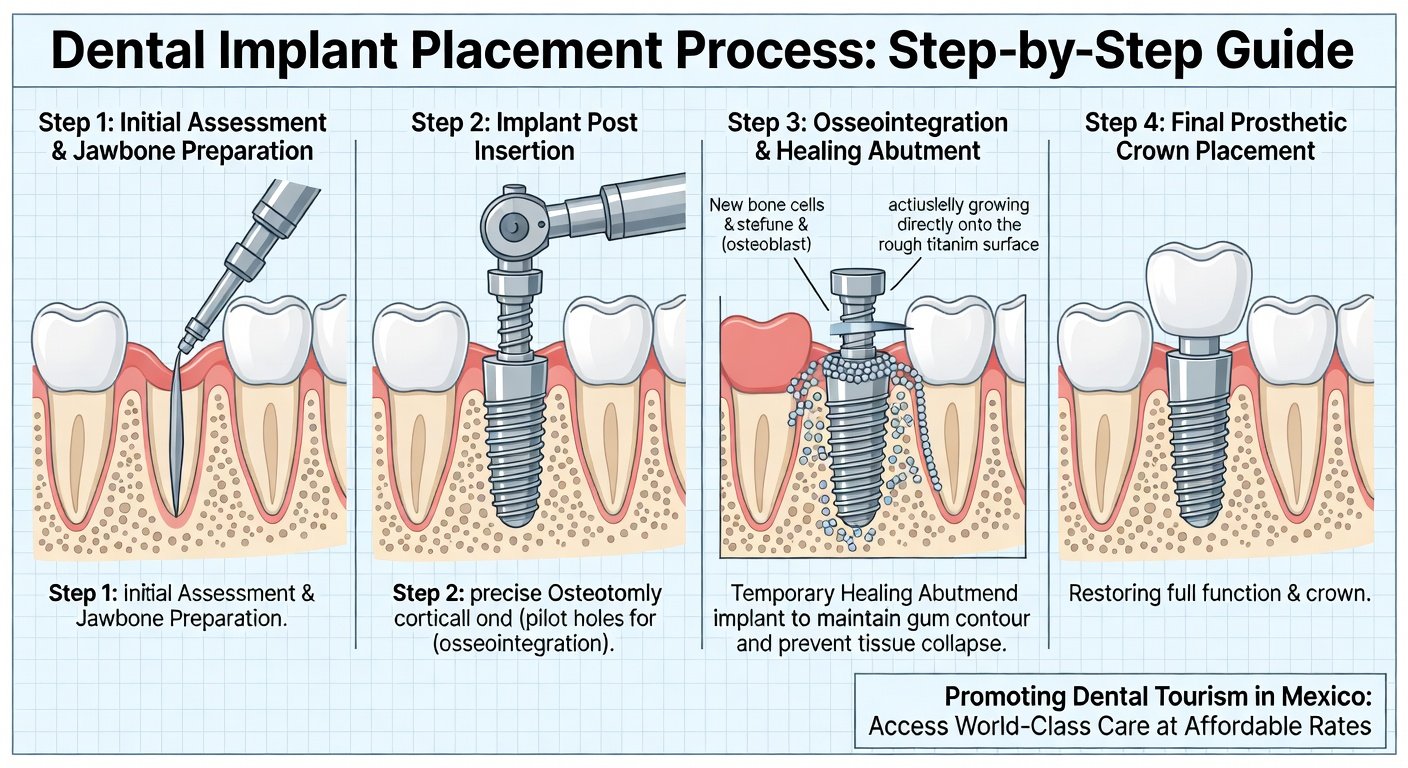
Three primary implant categories dominate treatment plans for medical tourists. Endosteal implants remain the most common choice; these titanium posts are surgically inserted directly into the jawbone and serve as artificial tooth roots. They require adequate bone density and are suitable for most single-tooth or multiple-tooth cases.
Subperiosteal implants sit on top of the jawbone beneath the gum tissue and are recommended when bone height or width is insufficient for traditional placement. All-on-4 and All-on-6 systems use four or six strategically angled implants to support an entire arch of teeth, offering a fixed solution for patients missing most or all teeth in one or both jaws. Your implant specialist will determine the best option after reviewing your panoramic X-ray and cone-beam CT scan during the virtual consultation.
Preparing Your Medical Records Thoroughly
Before scheduling any travel, compile a complete set of medical and dental records. This includes recent X-rays, CBCT scans if available, a list of current medications, allergies, and any relevant medical history such as diabetes or heart conditions. Most clinics request these documents at least two weeks prior to your virtual consultation so the team can create a preliminary treatment plan.
Organize everything digitally in PDF format for easy sharing. If you have existing crowns, bridges, or partial dentures, include photos and descriptions. Thorough preparation prevents delays once you arrive and allows the Mexican team to coordinate effectively with your home dentist if needed.
Virtual Consultations and Detailed Treatment Planning
Reputable clinics provide complimentary or low-cost video consultations with experienced implantologists. During these sessions you will review your imaging, discuss aesthetic and functional goals, and receive an outline of the proposed procedure, including the number of implants, surgical timeline, and expected healing periods. Ask specific questions about the implant brand, surface technology, warranty coverage, and the clinic's protocol for managing complications.
Take notes during the call and request a written treatment proposal. This document should detail each phase, from implant placement through abutment connection and final prosthetic delivery.
The Patient Journey: From Arrival to Final Restoration
Most first-time patients follow a two-trip protocol. The initial trip focuses on implant placement surgery and typically lasts five to seven days, including pre-operative evaluations and immediate post-operative checks. After a healing period of three to six months for osseointegration, patients return for the second trip to receive final crowns or bridges. Some clinics offer immediate-load protocols for qualifying candidates, which can reduce the overall timeline.
Real-world examples show that patients who follow post-operative instructions carefully experience smoother recoveries. For instance, avoiding strenuous activity and adhering to a soft-food diet during the first week helps protect the surgical sites.
Airport-to-Clinic Logistics and Daily Practicalities
Many clinics arrange complimentary airport transfers and hotel shuttles. Confirm these details when booking. Travelers entering through San Diego International Airport for Tijuana clinics or Cancun International Airport for Quintana Roo facilities should allow extra time for customs and immigration. Keep your passport, clinic confirmation letter, and emergency contacts easily accessible.
Once settled, patients usually stay at partner hotels within walking distance or a short drive from the clinic. Local transportation options include ride-sharing apps and clinic-provided vans for appointment days.
Budgeting for Hidden Costs and Realistic Planning
Beyond the primary procedure, account for flights, accommodation, meals, local transportation, prescription medications, and any required follow-up visits. Travel insurance that specifically covers medical complications abroad provides important protection. Patients also benefit from budgeting extra days in case minor adjustments are needed before returning home.
Expanded Packing Checklist for Medical Tourists
- Loose, comfortable clothing with easy neck access for appointments
- All prescription medications in original labeled containers
- Soft, nutritious foods and protein shakes for the initial recovery phase
- Travel pillow, neck support, and compression socks for long flights
- Digital and printed copies of medical and dental records
- Emergency contact list including your home dentist and family members
- Sunscreen, hat, and comfortable walking shoes for daily activities
- Entertainment such as books or tablets for downtime during healing
Addressing Common Fears with Practical Solutions
Language Barriers
Clinics serving international patients employ bilingual patient coordinators and surgeons fluent in English. Confirm language support during your initial consultation and request that all written instructions be provided in English.
Follow-Up Care Back Home
Leading providers supply detailed aftercare packages containing implant specifications, X-ray images, and maintenance guidelines. Share these with your local dentist so they can monitor healing and perform routine cleanings. Organizations such as the Mayo Clinic emphasize the importance of ongoing professional care for long-term implant success.
Safety Considerations and Choosing the Right Clinic
Prioritize clinics with international accreditations, transparent reviews on independent platforms, and clear infection-control policies. The World Health Organization provides general guidance on patient safety that applies to dental settings. Always verify surgeon credentials and ask about emergency protocols before committing.
Recovery Tips and Mistakes to Avoid
Follow all post-operative instructions precisely, including prescribed antibiotics and pain management. Avoid smoking, using straws, and consuming hard foods during the initial healing window. Patients who rush recovery or skip follow-up appointments risk complications such as infection or implant failure. Schedule rest days between travel segments to support healing.
Conclusion
Dental implants in Mexico provide first-time medical tourists with a viable, high-quality option when thorough research and preparation are applied. By understanding implant types, following the structured patient journey, planning for logistics and hidden costs, and addressing common fears proactively, you can approach treatment with confidence. Maintain open communication with both your Mexican clinic and your home dental team to ensure lasting success and a restored smile that meets your expectations.

No comments yet. Be the first!