 Veda Tour
Introduction to Dental Implant Medical Tourism in Mexico for 2026
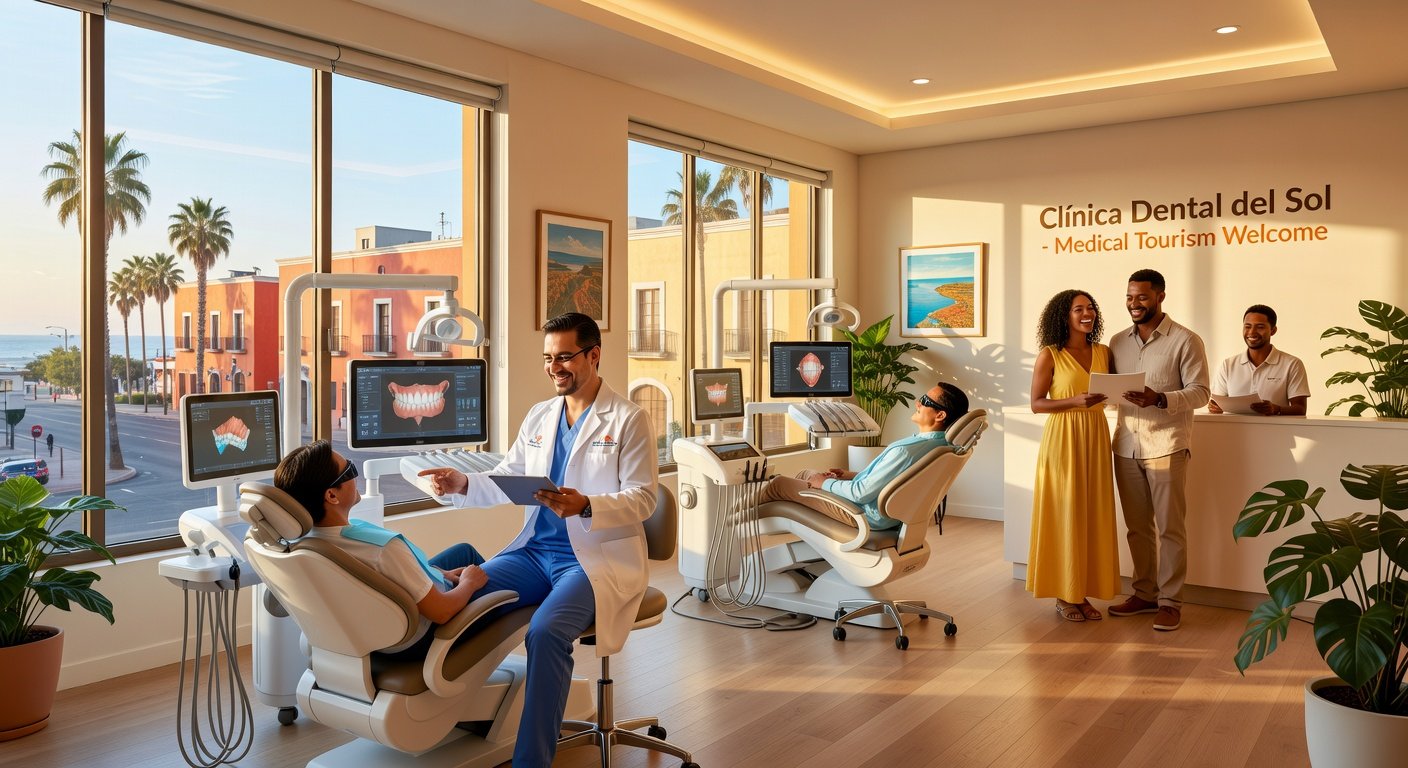
As healthcare costs continue to rise in the United States and Canada, an increasing number of individuals are turning to Mexico for dental implant procedures. In 2026, medical tourism for dental implants in Mexico is experiencing notable growth, driven by advancements in technology, enhanced regulatory frameworks, and strategic partnerships between clinics and international insurers. This comprehensive guide explores the emerging trends, providing readers with practical insights into patient demographics, digital innovations, treatment comparisons, and essential safety considerations. Whether you are researching options for single-tooth replacements or full-mouth restorations, understanding these developments can help you make confident decisions about seeking care abroad.
Rising Patient Demographics from the US and Canada
US and Canadian patients make up the majority of dental tourists visiting Mexico each year. The primary drivers include significantly lower treatment costs, shorter wait times for procedures, and the availability of highly trained specialists who often have international certifications. Recent trends show a surge in visitors from border states like California, Texas, and Arizona, as well as from provinces in Canada such as British Columbia and Ontario. Middle-aged adults between 45 and 65 represent the largest demographic, frequently seeking solutions for missing teeth due to age-related issues or prior dental problems. Many patients combine their medical trip with leisure activities, enjoying the beaches of Cancun or the vibrant culture of Mexico City while undergoing treatment. Clinics report that repeat visitors and referrals from satisfied patients are fueling this growth, with families and couples often traveling together for simultaneous procedures.
Adoption of Digital Dentistry Tools and AI-Guided Placement
One of the most transformative trends in 2026 is the widespread adoption of digital dentistry tools, including artificial intelligence for precise implant placement. Mexican clinics are investing heavily in intraoral scanners, cone-beam computed tomography (CBCT), and AI software that analyzes bone density and optimal implant positioning. These technologies minimize risks, shorten surgery durations, and enable same-day provisional crowns in many cases. Patients benefit from virtual planning sessions where they can visualize expected results before any procedure begins. 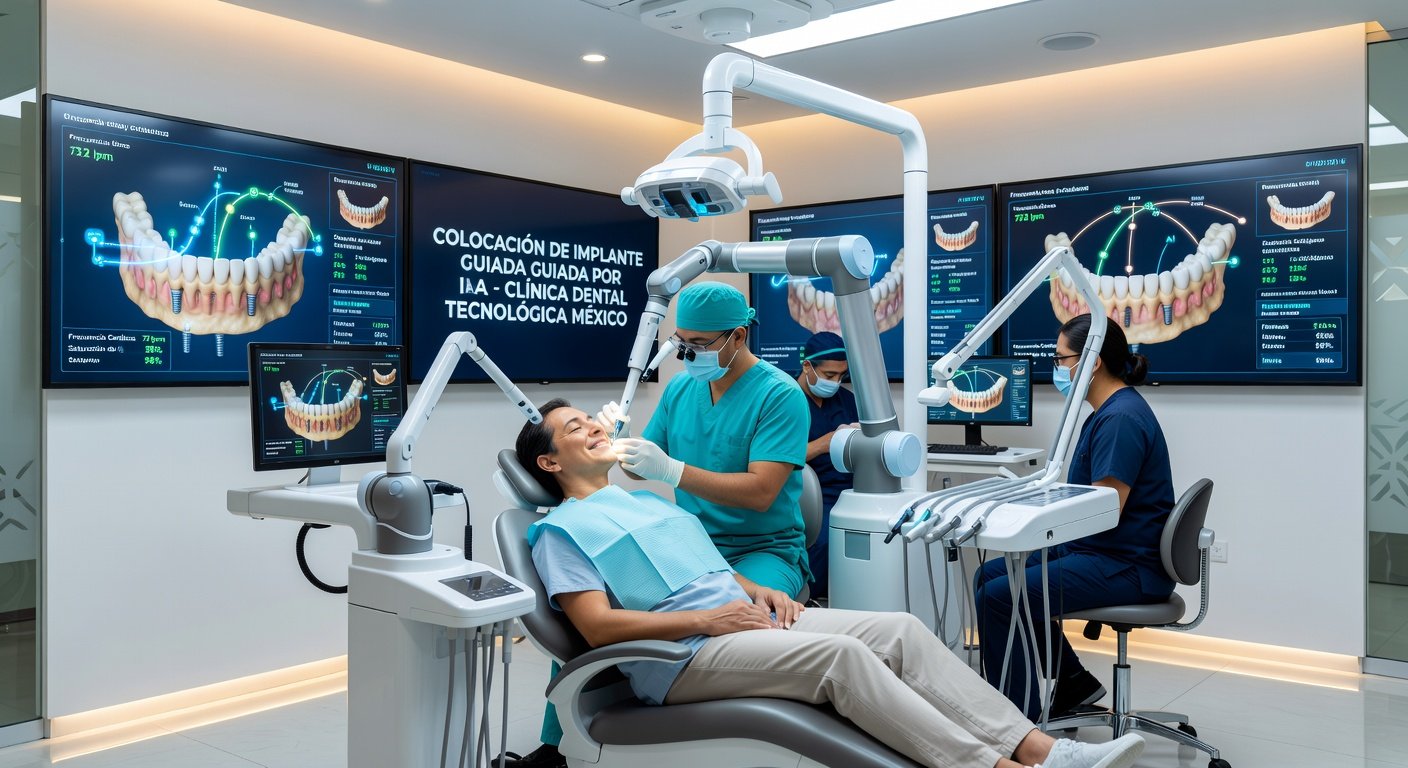
Evolving Clinic Partnerships with International Insurers
Leading dental facilities in Mexico have formed partnerships with major international insurance companies, allowing patients to access partial or full coverage for implant treatments. These collaborations simplify the claims process and provide greater financial predictability. Insurers benefit from lower overall costs while patients enjoy access to accredited providers who meet strict quality benchmarks. Such partnerships are particularly valuable for those with existing dental insurance that may reimburse a portion of overseas care when proper documentation is provided.
Regulatory Updates in Popular Destinations
Popular medical tourism destinations like Los Algodones, Tijuana, and Puerto Vallarta have introduced updated licensing requirements and quality assurance protocols in 2026. These changes emphasize patient safety, sterile environments, and the use of approved materials. Many clinics now pursue international accreditations that align with global standards promoted by organizations such as the World Health Organization. Local health authorities conduct regular inspections, and patients are encouraged to verify a clinic’s credentials through official channels before booking. This regulatory evolution helps position Mexico as a reliable destination for high-quality implant care.
Comparing Treatment Timelines: Mexico vs Domestic Care
Traditional dental implant treatment in the US or Canada can span six to twelve months due to multiple appointments for consultations, surgery, healing, and final restorations. In contrast, Mexican clinics leveraging digital tools often complete the process in three to six months. Immediate-load implants and guided surgery techniques allow for faster recovery and fewer follow-up trips. Patients appreciate the efficiency, especially when travel logistics are factored in. However, complex cases may still require staged procedures with adequate healing periods between visits.
Real-World Examples of Successful Medical Tourism Packages
Many clinics offer comprehensive packages that include initial consultations, implant placement, temporary prosthetics, accommodations, and airport transfers. For example, a well-established center in Tijuana has successfully treated hundreds of patients from the Pacific Northwest by coordinating pre-travel virtual assessments and post-procedure telemedicine check-ins. Another facility in Cancun provides bundled services with local hotels, enabling patients to recover comfortably while enjoying resort amenities. These real-world packages demonstrate how integrated care models reduce stress and improve satisfaction rates among international visitors.
Common FAQs on Safety Protocols and Follow-Up Care
- What safety measures are standard in accredited clinics? Facilities adhere to rigorous sterilization protocols, use biocompatible materials approved by international bodies, and maintain emergency response plans. Many employ staff trained in advanced life support.
- How is follow-up care coordinated after returning home? Clinics often partner with local dentists for ongoing monitoring and provide detailed care instructions. Telehealth appointments allow specialists in Mexico to review healing progress remotely.
- Are there specific risks associated with dental tourism? Potential concerns include infection or implant failure, but these are minimized through proper clinic selection and adherence to aftercare guidelines. Researching reviews and verifying surgeon credentials is essential.
- What should patients prepare before traveling? Gather medical records, confirm insurance details, and plan for sufficient recovery time away from work.
Practical Steps for Choosing the Right Clinic
Start by researching clinics with verified accreditations and experienced implantologists. Request detailed treatment plans and before-and-after case studies. Consider travel convenience, language support, and patient testimonials. Consulting with your regular dentist at home for a second opinion can also provide valuable perspective.
Mistakes to Avoid When Pursuing Treatment Abroad
Common pitfalls include selecting clinics solely based on the lowest price, skipping thorough background checks, or neglecting post-treatment follow-up arrangements. Patients should avoid rushing decisions and instead prioritize facilities that offer transparent communication and comprehensive support throughout the entire journey.
Forward-Looking Predictions for 2026 and Beyond
Looking ahead, Mexico is expected to further solidify its leadership in dental implant medical tourism through continued technological integration and expanded insurance collaborations. As referenced by resources from the American Dental Association, the global shift toward accessible care abroad will likely accelerate. Patients who stay informed about these trends will be well-positioned to benefit from safe, effective, and efficient treatment options.
Conclusion
The 2026 trends in dental implant medical tourism to Mexico highlight a maturing industry focused on quality, innovation, and patient-centered care. By understanding demographics, digital advancements, regulatory improvements, and practical considerations, individuals can confidently explore these opportunities for transformative dental solutions.

No comments yet. Be the first!