 Veda Tour
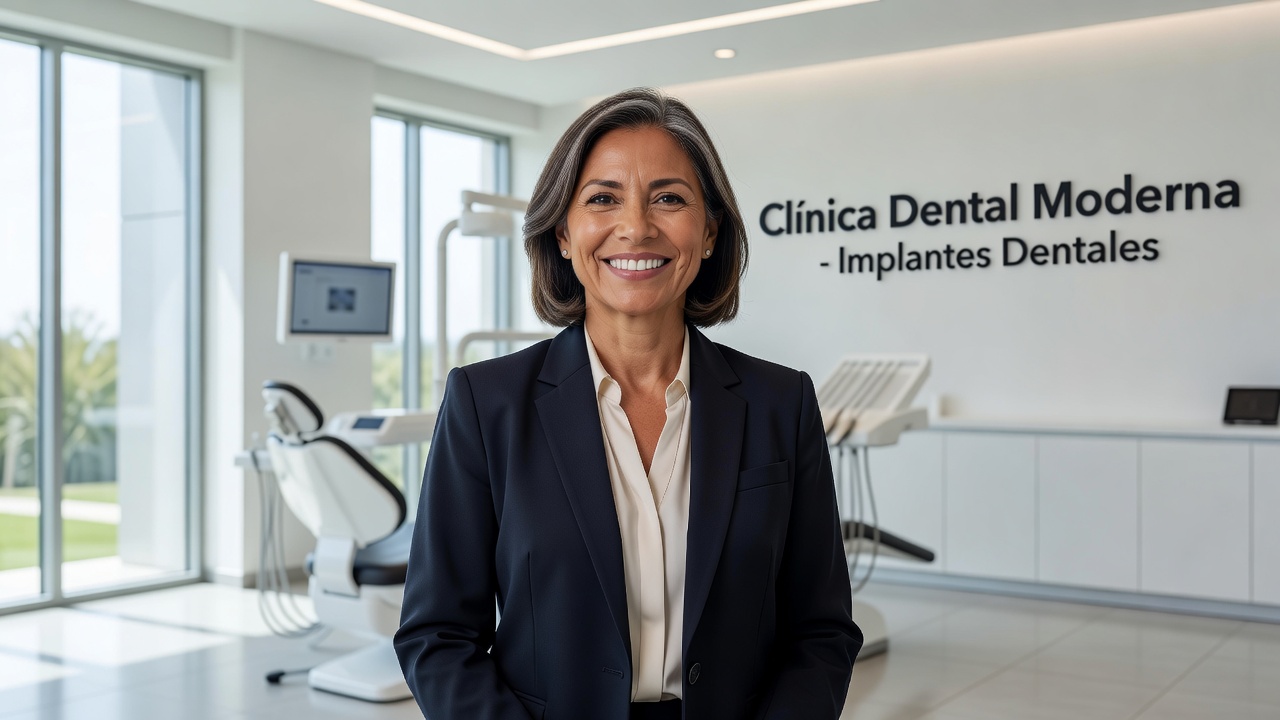
Introduction: A Transformative Journey in Medical Tourism
Full mouth restoration using dental implants represents one of the most complex and rewarding procedures in modern dentistry. This 2026 case study follows Sarah Thompson, a 58-year-old patient from California, who chose Mexico for her full mouth dental implants. Her experience highlights the benefits of medical tourism, including advanced care and integrated recovery options. Patients facing extensive tooth loss often seek alternatives abroad due to high domestic costs and long wait times. Sarah's story provides authentic insights into decision-making for complex cases, from initial research through final results and beyond. Medical tourism for dental work has grown steadily, allowing individuals to access high-quality care in accredited facilities while enjoying supportive environments that promote healing.
Initial Virtual Consultation and Decision-Making
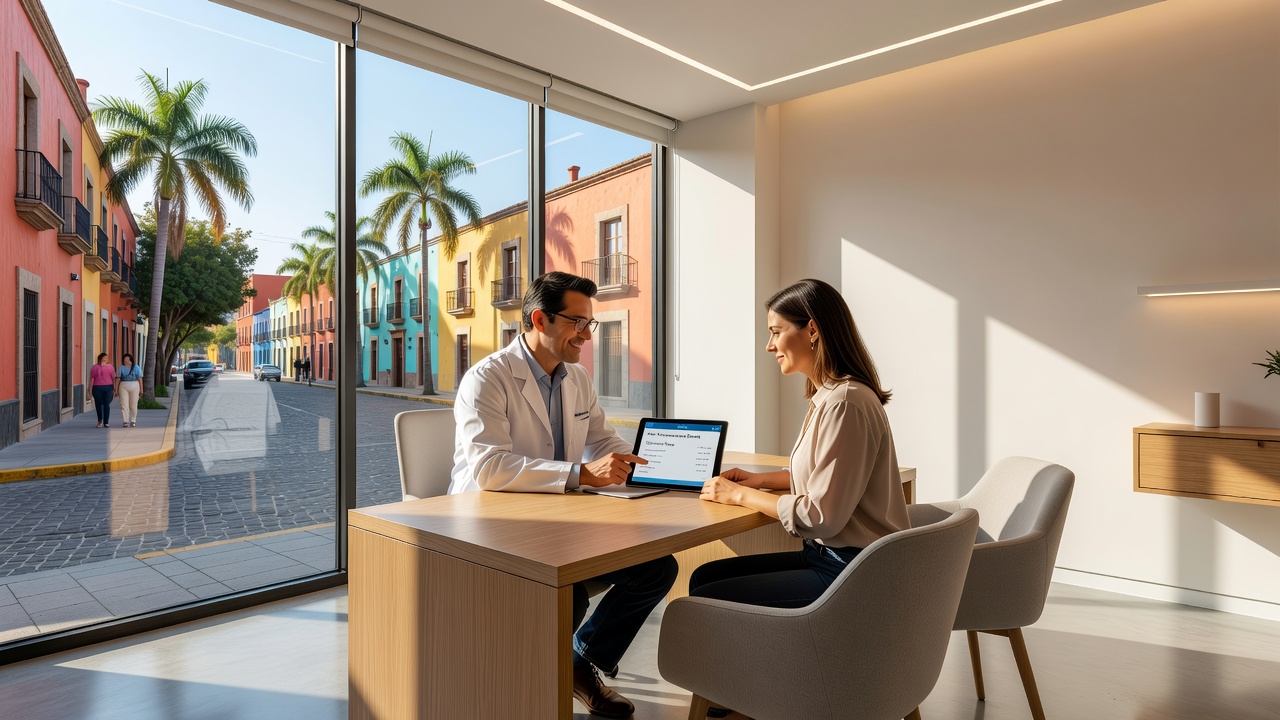
Sarah began with a virtual consultation via video call with a leading dental clinic in Los Algodones, Mexico. This step allowed her to discuss her dental history, review X-rays, and receive a preliminary treatment plan without traveling. Virtual assessments are now standard, helping patients evaluate suitability for full mouth restoration. During the call, the specialist reviewed her medical records, explained implant options such as All-on-4 versus traditional placements, and addressed concerns about bone density. Sarah compared this experience with local quotes and decided the combination of expertise and convenience made Mexico the right choice. Clinics today use secure platforms for sharing scans and maintaining HIPAA-compliant communication, making the process efficient and reassuring from the start.
Pre-Treatment Evaluations and Advanced Imaging
Upon arrival, Sarah underwent comprehensive evaluations including 3D cone-beam CT scans and digital impressions. These tools enabled precise implant placement planning. Clinics coordinate with international specialists to ensure seamless care. The imaging revealed areas of bone loss that required minor grafting, which was incorporated into the phased approach. Pre-treatment also included blood work and a full oral health assessment to rule out infections. American Dental Association guidelines emphasize the importance of such imaging for successful outcomes in complex cases. Sarah appreciated the transparent explanation of each finding and how it shaped her personalized plan. Additional tests confirmed overall health suitability, giving both the patient and team confidence moving forward.
Multi-Phase Treatment Timeline
The procedure spanned three phases over four months. Phase one involved extractions and temporary prosthetics to maintain function and aesthetics while protecting healing tissues. Phase two placed eight implants per arch using guided surgery for optimal positioning and stability, with real-time adjustments based on live feedback. Phase three delivered final zirconia bridges after osseointegration was confirmed through follow-up scans. Total chair time was minimized through efficient scheduling and same-day adjustments when needed. Throughout, the team monitored healing with follow-up scans to ensure everything progressed as expected. Sarah noted that each phase felt manageable because the clinic provided clear timelines and daily progress updates, reducing anxiety significantly.
Travel, Recovery in a Resort Setting, and Post-Op Care
Sarah recovered at a partnered wellness resort, where staff managed swelling and provided nutrition support tailored to soft-food diets during the critical first weeks. Daily check-ins with the dental team helped address any discomfort promptly through personalized recommendations. Coordination with her home dentist ensured ongoing monitoring via telemedicine after she returned to the United States. This resort integration reduced stress and promoted healing in a relaxing environment complete with gentle activities and relaxation therapies. Travel logistics included direct flights and ground transfers arranged by the clinic, making the overall experience smoother than expected. Post-op instructions covered medication schedules, oral hygiene routines, and warning signs to watch for during the initial weeks, empowering Sarah to take an active role in her recovery.
Before-and-After Comparisons and Patient Testimonials
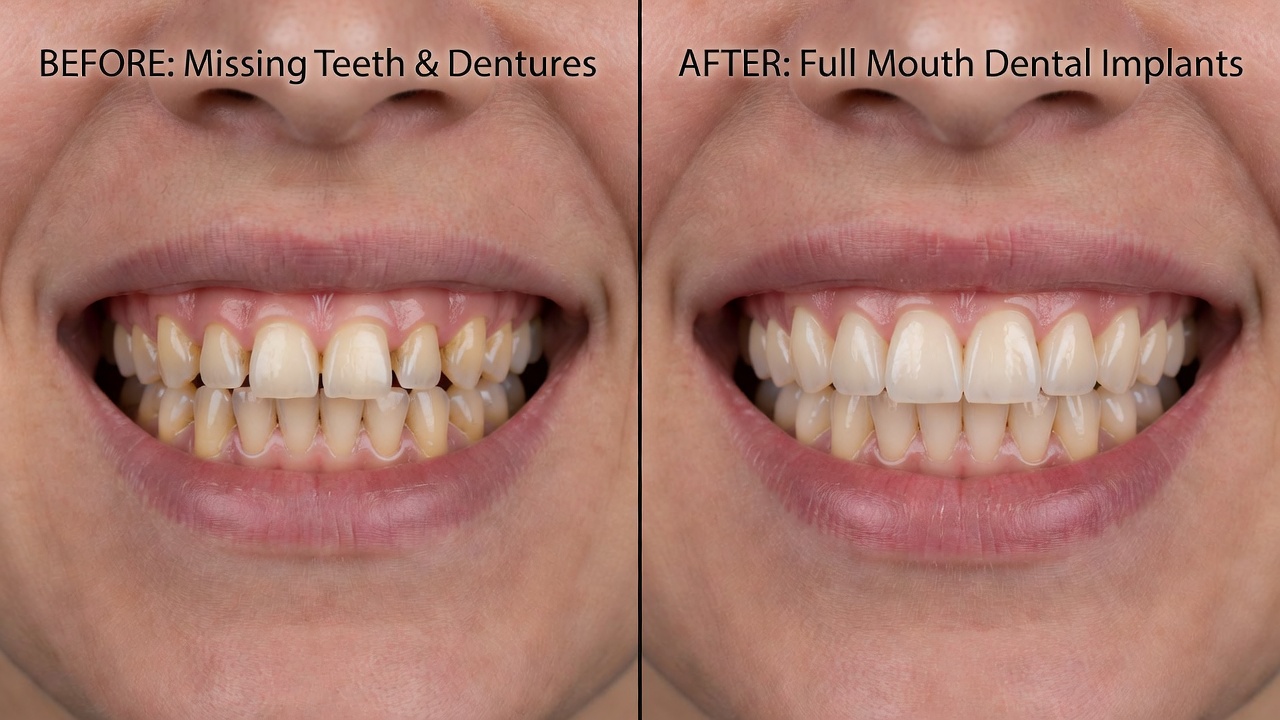
Before treatment, Sarah struggled with ill-fitting dentures and bone loss that affected her speech and diet, limiting social interactions and nutrition. After, she regained full chewing function and a natural smile that boosted her confidence dramatically. "The results exceeded expectations," she shared. "I feel confident again and can eat whatever I want without worry." Another patient who underwent a similar procedure noted improved quality of life within weeks, citing better sleep and social interactions. Visual comparisons show dramatic changes in facial structure and smile aesthetics, with the final prosthetics blending seamlessly with natural gum contours for a youthful appearance.
Practical Steps for Prospective Patients
Readers considering this path can follow these actionable steps: Research accredited clinics through verified medical tourism platforms and review recent patient reviews from multiple sources. Prepare medical records and schedule virtual consults early to compare multiple providers and their specific protocols. Plan travel logistics including flights, passports, and accommodations well in advance, factoring in buffer days for any adjustments. Arrange follow-up care with a local dentist before departure to ensure continuity and avoid gaps in monitoring. Budget for contingencies like extended stays or additional medications by creating a detailed checklist. Finally, verify implant brands used and request warranties in writing for peace of mind. These steps help minimize risks and maximize satisfaction, as demonstrated by Sarah's thorough preparation that led to a seamless experience.
Long-Term Follow-Up from Abroad
Long-term success depends on consistent maintenance. Sarah receives digital records and annual reports shared with her U.S. dentist for easy reference. Clinics often partner with home-country providers for routine cleanings every six months and minor adjustments. Patients are advised to attend regular check-ups to monitor implant stability and address any minor issues early. This hybrid model supports lasting results without requiring repeated international travel, allowing patients to enjoy their new smiles while staying connected to expert care.
FAQ: Addressing Common Concerns
What about complications?
Reputable clinics report low complication rates with proper aftercare. Infections are minimized through antibiotics and hygiene protocols. Patients should follow all instructions closely and report unusual symptoms immediately for quick resolution.
Does insurance cover treatment abroad?
Most U.S. plans do not cover overseas dental work, but some offer partial reimbursement for implants. Check policies directly and ask clinics for detailed invoices to support any claims process.
How is long-term follow-up handled?
Clinics provide digital records and partner with home-country providers for maintenance visits every six months. Many also offer remote consultations for quick advice on minor concerns.
Are there risks with medical tourism?
Choosing internationally accredited facilities and experienced surgeons significantly reduces risks. Researching success rates and reading verified testimonials helps patients make informed choices that align with their needs.
Conclusion
Sarah's story demonstrates how full mouth dental implants in Mexico can deliver life-changing results when planned thoughtfully. For those considering similar journeys, thorough research and professional guidance are essential to achieving optimal outcomes and peace of mind.
No comments yet. Be the first!