 Veda Tour
Introduction: Enhancing Recovery in Medical Tourism with Wearables
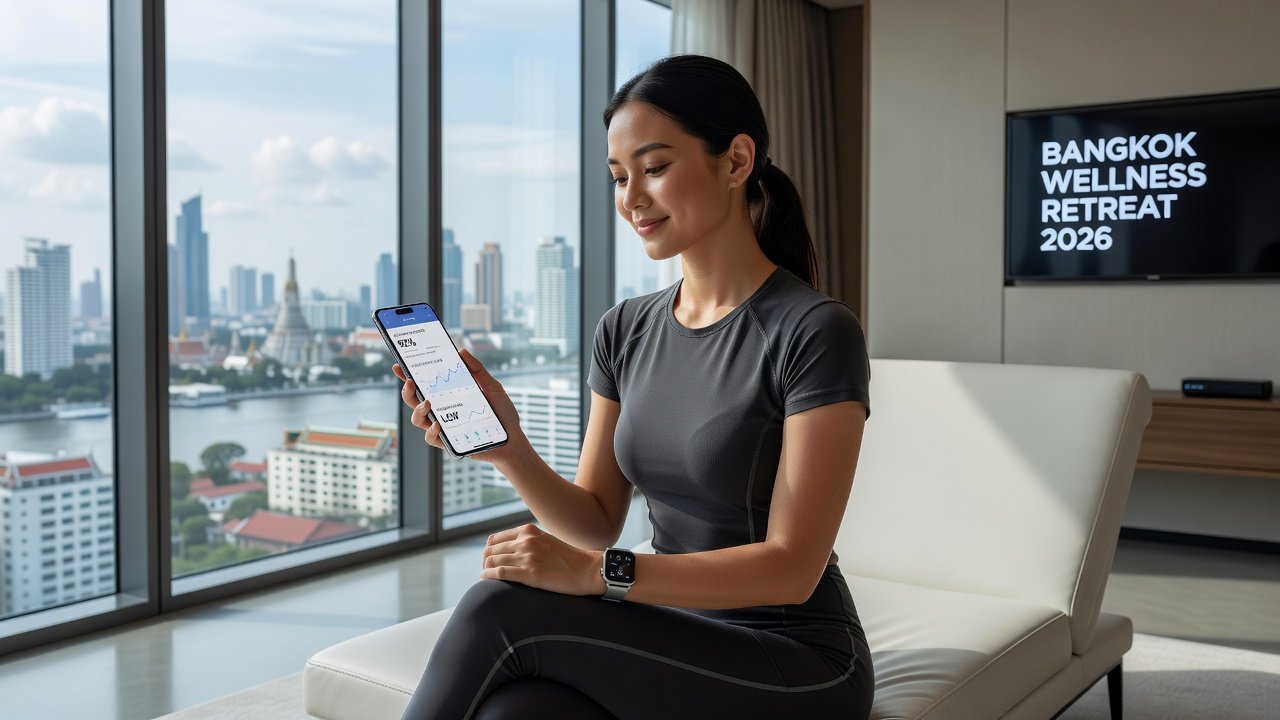
Medical tourism for cosmetic surgery continues to grow in 2026, with patients traveling to destinations like Turkey, Thailand, and Mexico for procedures such as rhinoplasty, liposuction, and breast augmentation. Wearable technology now plays a vital role in tracking healing, offering real-time data on swelling, heart rate variability, and mobility to support safer recoveries. This article explores how devices integrate into post-operative care for cosmetic surgery patients abroad, providing practical insights for better outcomes. Patients benefit from continuous feedback that traditional check-ups alone cannot provide, especially when returning home after overseas procedures.
Understanding Wearable Tech in Post-Cosmetic Surgery Recovery
Wearables like smartwatches and specialized sensors monitor key metrics during the critical healing phase. After cosmetic procedures, swelling and inflammation are common, while heart rate can indicate complications such as infection. Mobility tracking helps ensure patients follow movement restrictions. These tools bridge the gap between overseas clinics and home follow-ups, reducing risks associated with medical tourism. Advanced sensors measure bioimpedance for fluid retention and accelerometers for activity levels. Integration with smartphone apps allows patients to share data securely with surgeons, aligning with global health standards from organizations like the World Health Organization.
Swelling detection uses optical sensors to track changes in tissue fluid. Heart rate monitoring provides alerts for irregularities that might signal issues like blood clots or stress responses. Mobility metrics encourage gradual movement without overexertion, which is essential after procedures involving the face, abdomen, or limbs. In 2026, these capabilities have improved with AI-driven predictive analytics that forecast recovery trajectories based on daily data patterns.
Top Devices and Apps Compared for 2026 Medical Tourists
Several wearables stand out for cosmetic surgery recovery. The Apple Watch Series 12 excels in heart rate and mobility tracking with its advanced ECG features. Fitbit Sense 3 offers strong swelling detection via skin temperature and stress metrics. Specialized medical sensors like those from BioSticker provide clinical-grade data on edema. Garmin Forerunner models add GPS for outdoor mobility assessments during active recovery phases.
- Apple Watch: Best for heart rate alerts and seamless iOS integration; ideal for long-haul travelers who need reliable notifications.
- Fitbit: Affordable with excellent app ecosystem for daily progress logs and community support features.
- Garmin Forerunner: Superior GPS and battery life for mobility in active recovery phases across international settings.
- Specialized patches: Offer targeted edema measurement when paired with companion apps for detailed fluid analysis.
App comparisons show MyRecovery and Healio leading in cosmetic-specific dashboards, while general apps like Apple Health aggregate data effectively across multiple devices. Users should evaluate battery life, water resistance for post-surgery hygiene routines, and compatibility with clinic software before purchase.
Step-by-Step Setup Guide for Wearables Abroad
- Consult your clinic pre-travel to confirm compatible devices and data-sharing protocols, including any required permissions for remote access.
- Download the app and pair the wearable via Bluetooth before departure to avoid connectivity issues upon arrival.
- Calibrate sensors on arrival by following baseline readings in your accommodation, establishing personal norms for accurate tracking.
- Set custom alerts for swelling thresholds or irregular heart patterns tailored to your specific procedure type.
- Schedule daily data exports to share with your surgeon via secure portals, ensuring timely adjustments to care plans.
- Test all features in a low-stakes environment and review privacy settings to control data access levels.
This process ensures continuous monitoring from day one post-surgery and minimizes technical disruptions during the vulnerable early recovery period.
2026 Patient Examples from Popular Destinations
In Bangkok clinics, patients recovering from facelifts used Garmin wearables to track reduced mobility, achieving 30% faster return to normal activity through guided daily step goals. A group in Istanbul reported successful swelling management with Fitbit during rhinoplasty recoveries, with data integrated into virtual follow-ups that prevented unnecessary clinic visits. Mexican medical tourists highlighted Apple Watch alerts that prompted early intervention for minor heart rate spikes after liposuction, leading to prompt medication adjustments by their surgical teams.
Another case involved a patient in Seoul who combined multiple devices for comprehensive monitoring after body contouring, using aggregated app data to coordinate care between local and home-based providers. These real-world applications illustrate the adaptability of wearables across diverse medical tourism hubs and procedure types.
Integrating Wearables with Clinic Follow-Ups
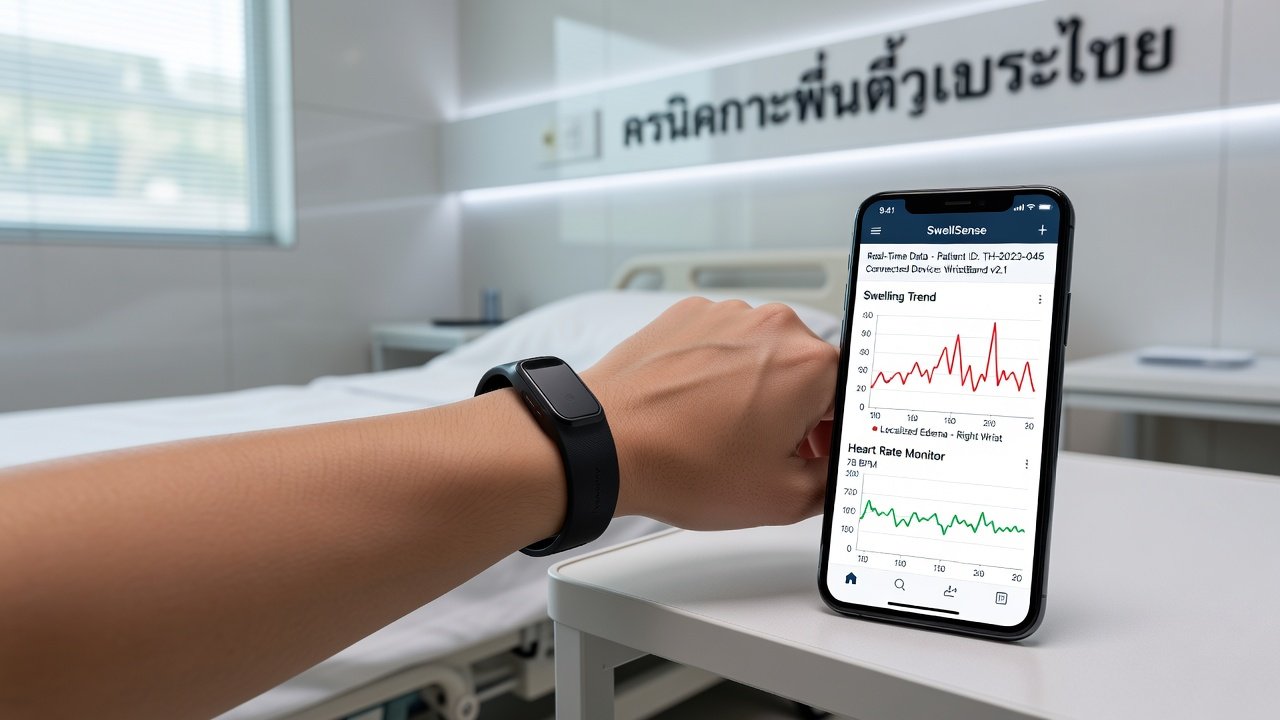
Many international clinics now offer app-based portals for real-time data review. Patients upload metrics weekly, allowing surgeons to adjust care plans remotely. This integration reduces readmission rates and supports the growing trend of hybrid medical tourism models. Telehealth platforms often incorporate wearable feeds directly, enabling video consultations where doctors reference live graphs during discussions about progress or concerns.
Practical Tips and Common Mistakes to Avoid
Start with conservative alert settings to prevent unnecessary anxiety from minor fluctuations. Always cross-reference device readings with professional medical advice rather than self-diagnosing. Ensure devices are charged and synced regularly, especially in regions with varying power infrastructure. Common mistakes include ignoring calibration steps, which leads to inaccurate baselines, or failing to update apps before travel, resulting in compatibility issues.
FAQs on Data Privacy and Cost Savings
How is my health data protected?
Devices comply with GDPR and HIPAA standards; always enable encryption and review clinic privacy policies before sharing. Consider using devices with local data storage options for additional security during international trips.
Do wearables save money for travelers?
Yes, by minimizing complications and follow-up trips, patients often experience significant savings on extended stays or emergency care during medical tourism journeys. They also support more efficient use of travel insurance by providing documented recovery evidence.
What about battery life during long recoveries?
Most modern wearables last several days on a single charge, making them suitable for extended monitoring without frequent recharging interruptions.
Future Trends and Choosing the Right Device
Looking ahead in 2026, expect greater AI personalization in recovery predictions and improved integration with electronic health records. When selecting a device, match features to your procedure: facial surgeries benefit from temperature and heart rate focus, while body procedures prioritize mobility and swelling sensors. Research clinic recommendations and read recent user reviews from medical tourists for the latest insights.
Conclusion
Wearable tech transforms recovery after cosmetic surgery abroad by delivering actionable insights. By choosing the right devices and following setup protocols, medical tourists can achieve safer, more informed healing in 2026 and beyond. Consult healthcare professionals for personalized advice tailored to your specific situation and travel plans.


No comments yet. Be the first!