 Veda Tour

Introduction to Tech-Enabled Recovery for Male Medical Tourists
Men seeking cosmetic procedures abroad in 2026 increasingly rely on advanced technology to optimize recovery while maintaining discretion. Whether traveling for procedures like rhinoplasty, liposuction, or facial contouring, digital tools help monitor swelling, track scar healing, and manage activity levels without drawing attention. These solutions integrate seamlessly with international clinics, offering real-time data that supports efficient healing and reduces the need for extended stays. Medical tourists prioritize privacy and cost efficiency. Wearables and apps allow users to share progress with surgeons remotely, minimizing follow-up visits. This guide explores setup steps, top tool comparisons, patient examples, and travel logistics for a streamlined experience that emphasizes both efficiency and discretion for male patients.
The demand for overseas cosmetic surgery continues to grow among men who value precision and low-profile monitoring. Advanced recovery optimization involves selecting tools that provide accurate metrics on inflammation, mobility, and tissue repair. By combining hardware sensors with mobile applications, individuals can receive personalized insights that align with their surgeon's recommendations. This approach not only accelerates healing but also builds confidence during the vulnerable post-operative phase in unfamiliar environments.
Key Recovery Metrics for Men Post-Cosmetic Surgery
Effective recovery focuses on three main areas: swelling reduction, scar management, and controlled activity. Swelling often peaks in the first 72 hours and can persist for weeks, requiring consistent monitoring to avoid complications. Scar healing requires consistent moisture and UV protection tracking, with tools that log daily changes and suggest adjustments. Activity monitoring prevents overexertion that could delay results or cause setbacks, especially important when traveling back home after the procedure.
Tech tools provide objective data that subjective feelings cannot match. For instance, smart devices measure skin temperature and movement to alert users about inflammation spikes. Men benefit from discreet notifications that avoid public embarrassment during recovery abroad, allowing them to maintain professional appearances while healing. Integrating these metrics with clinic feedback loops creates a comprehensive support system tailored to male physiology and lifestyle needs.
Setting Up Your Tech Recovery System Before Travel
Begin planning four weeks prior to departure. Download compatible apps and pair devices with clinic portals early to ensure smooth data flow. Many overseas facilities use platforms like secure patient management systems that sync with consumer wearables through standard APIs, enabling daily reports without additional in-person appointments.
- Choose devices with strong encryption standards equivalent to medical privacy regulations for data protection during international transfers.
- Share access credentials with your surgeon for remote oversight and real-time adjustments to recovery plans.
- Test integrations in your home country to resolve any connectivity or software conflicts before departure.
- Pack portable chargers, backup batteries, and secondary data plans to handle potential international network issues.
- Schedule virtual pre-op sessions to confirm all tools align with the specific clinic's protocols and software preferences.
Integration often involves API connections that allow seamless data export. Clinics in popular destinations like Turkey or Thailand frequently support these setups, allowing patients to upload progress logs from anywhere. This preparation phase reduces stress and ensures the focus remains on healing rather than troubleshooting technology.
Top Wearables for Swelling and Activity Tracking
Comparing leading options helps men select tools suited to overseas recovery. Focus on battery life, waterproofing, and app ecosystems that support international use. Smartwatches with advanced sensors stand out for their versatility in measuring heart rate variability alongside skin temperature fluctuations that signal swelling. Compression garment sensors add another layer by tracking pressure distribution and alerting when adjustments are required for optimal healing pressure.
- Smartwatches with edema sensors: These track multiple biometrics including movement patterns and provide customizable alerts for rest periods, with long battery life suited to extended trips.
- Compression garment sensors: Integrated bands measure pressure levels and send real-time feedback to prevent uneven healing or discomfort during flights or daily activities.
- Activity rings: Discreet rings monitor sleep quality, step counts, and recovery scores, helping users gradually increase activity without risking strain.
- Patch-style monitors: Adhesive sensors placed near incision sites offer localized temperature and moisture readings for precise scar care insights.
Real patient examples demonstrate effectiveness. One 38-year-old executive from the US used a smartwatch during a liposuction trip to Mexico, sharing temperature logs daily with his clinic. This allowed early intervention for minor swelling spikes, shortening his stay by three days. Another patient in Thailand combined an activity ring with a dedicated scar app to log UV exposure, resulting in clearer healing progress visible in follow-up photos shared remotely.
Apps for Scar Healing and Privacy Protection
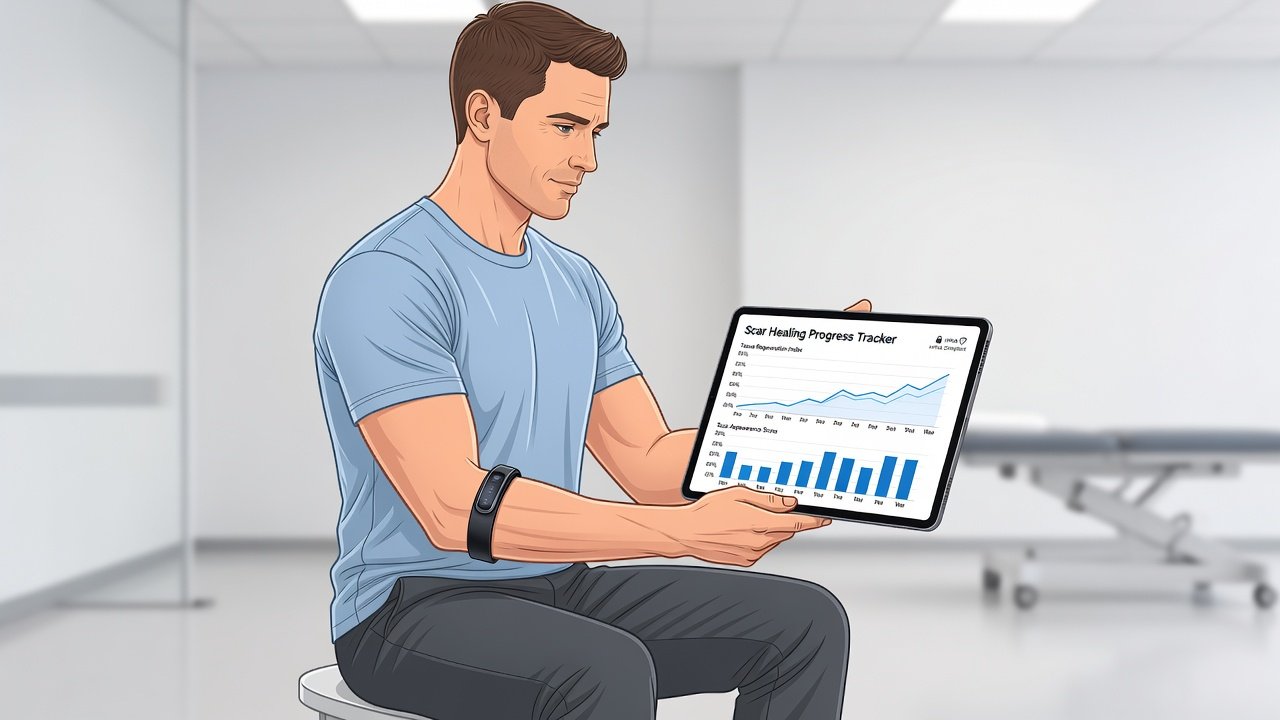
Dedicated apps complement hardware by providing visual progress tracking and AI-driven recommendations. Look for features like photo journals with secure encryption and options for anonymous data modes. Privacy remains critical, so prioritize applications that use end-to-end encryption and comply with global data standards to protect sensitive medical information from unauthorized access.
Users can log daily routines such as topical applications and receive reminders tailored to their procedure type. Cost-saving bundles often pair app subscriptions with device hardware, streamlining expenses for those who travel regularly for treatments. These apps also facilitate direct messaging with medical teams, enhancing coordination across time zones.
Privacy Features, Data Security, and Cost-Saving Strategies
Advanced privacy settings include biometric locks, temporary data sharing windows, and automatic deletion of sensitive logs after recovery. Men often select tools with no cloud storage defaults or options for local-only processing to maintain full control. When evaluating bundles, compare subscription models that offer multi-device support and extended warranties for travel durability.
Combining devices with travel logistics requires attention to power adapters and eSIM compatibility. Ensure devices handle global roaming seamlessly, and test offline functionality for areas with spotty connectivity. This layered approach supports uninterrupted monitoring throughout the journey.
Expanded FAQs on Combining Devices with Travel Logistics
How do time zone differences affect app reminders? Manually adjust schedules during pre-travel testing and use world clock features built into most devices. What backup options exist if a device fails? Carry a secondary wearable or rely on manual logging apps until replacement is possible. Can these tools integrate with airline medical requirements? Most modern wearables qualify as personal electronics and face no restrictions when declared properly. How long should monitoring continue after returning home? Continue for at least four to six weeks to capture full healing data and share summaries with local physicians if needed.
Conclusion
Tech tools transform cosmetic recovery abroad into a controlled, private process for men in 2026. By focusing on swelling, scars, and activity with integrated devices and apps, patients achieve optimal outcomes discreetly. Start setup early, prioritize privacy features, and leverage clinic partnerships for the best results. For further guidance on safe medical travel, refer to established sources such as CDC Travel Health, Mayo Clinic patient resources, and World Health Organization travel advice.
No comments yet. Be the first!