 Veda Tour

Introduction: The Rise of Wearable Tech in Medical Tourism
Cosmetic surgery tourism continues to grow as patients seek high-quality procedures at competitive costs in destinations like Thailand, Turkey, and Mexico. In 2026, wearable technology is transforming recovery by providing continuous data on vital signs, swelling, and mobility. These devices help bridge the gap between overseas clinics and home-based follow-up care, reducing complications and improving outcomes for thousands of medical tourists each year.
Patients recovering abroad often face challenges such as limited access to local specialists after returning home. Wearables address this by transmitting real-time information directly to surgeons, enabling proactive interventions. This article explores device selection, clinic integration, real-world examples, comparisons, and practical strategies for safe recovery in depth.
How Wearables Support Post-Surgery Monitoring
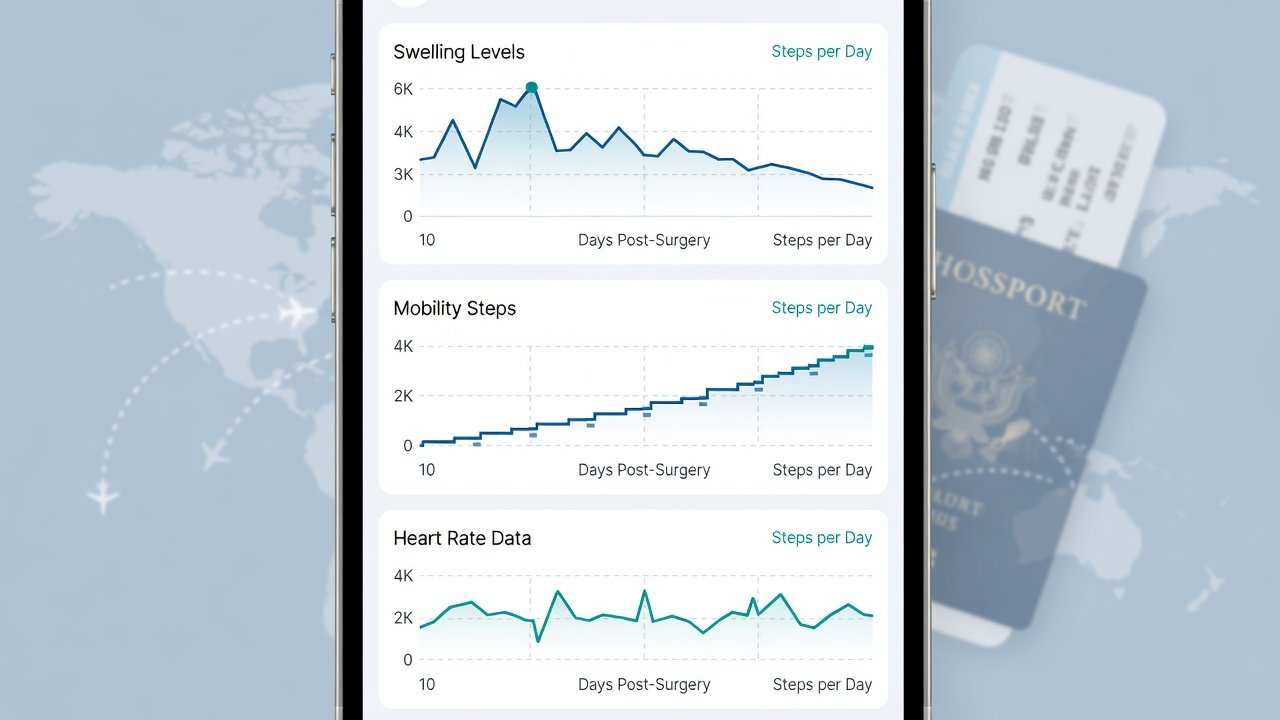
Smart wearables track key recovery metrics including heart rate variability, edema levels, and physical activity. For procedures like liposuction or breast augmentation, swelling can indicate infection or poor healing. Devices with bioimpedance sensors detect fluid retention early, alerting both patient and physician through customizable thresholds.
Mobility tracking ensures patients avoid overexertion, which is critical after abdominoplasty or body lifts. Vital sign monitoring catches irregularities in blood pressure or oxygen saturation that might otherwise go unnoticed during the first 72 hours post-operation. Integration with smartphone apps allows daily reports shared securely with international care teams, often including photo uploads of surgical sites for visual assessment.
Advanced models in 2026 incorporate AI algorithms that predict potential issues based on trend analysis, such as rising inflammation markers. This proactive approach has been shown to lower readmission rates in medical tourism cases by facilitating timely virtual adjustments to care plans.
Popular Destinations and Patient Case Examples
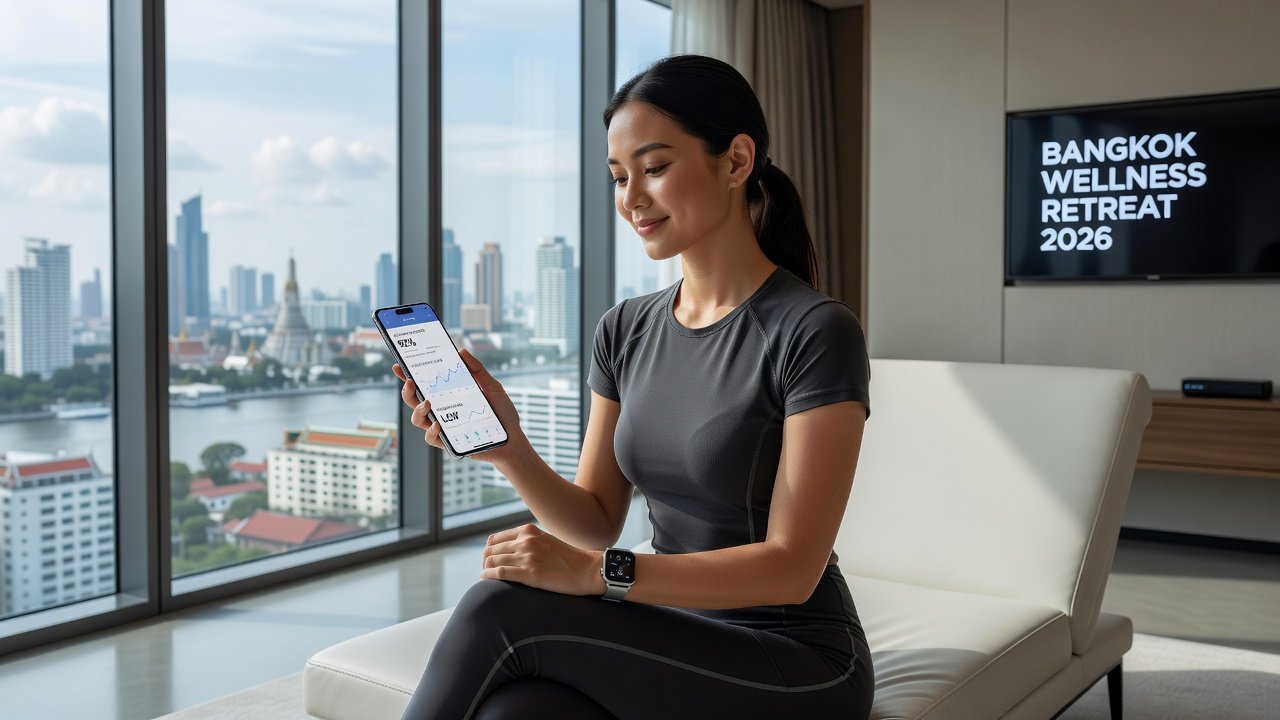
Thailand remains a top choice for cosmetic procedures, with clinics in Bangkok offering bundled recovery packages that include wearable monitoring. One patient from the UK underwent rhinoplasty in Phuket and used a connected fitness tracker to monitor activity levels, sharing data that helped her surgeon adjust pain management remotely and avoid unnecessary travel back for a check-up.
In Turkey, medical tourists often combine hair transplants with facial procedures. A case from Istanbul involved a patient using a smart ring for sleep and heart rate tracking after a facelift. The device flagged elevated resting heart rate over several nights, prompting an early virtual consultation that prevented a potential hematoma through medication tweaks.
Mexico attracts patients from the US for body contouring. Real-time GPS and step-count data from wearables helped a patient in Cancun stay within safe mobility limits during the initial recovery week, avoiding strain on incisions and ensuring proper wound healing documented in follow-up reports.
Another example comes from South Korea, where a patient recovering from eyelid surgery used a specialized patch wearable to monitor localized swelling. The data shared with the Seoul clinic allowed for precise timing of lymphatic drainage sessions, resulting in faster resolution of bruising compared to previous non-monitored recoveries.
Step-by-Step Guide to Selecting the Right Wearable Devices
- Identify your procedure-specific needs, such as edema monitoring for liposuction or heart rate variability for more invasive surgeries, by discussing priorities with your surgeon in advance.
- Research FDA-cleared or CE-marked devices with medical-grade sensors for accuracy, cross-referencing independent lab tests where available.
- Check battery life and water resistance to handle post-op shower restrictions and long-haul flights home without frequent recharging.
- Evaluate app ecosystems for easy data export in formats compatible with clinic software, including CSV or API integrations for seamless sharing.
- Compare user reviews focusing on reliability during travel, international data roaming performance, and comfort for extended wear during recovery.
- Consult your surgeon beforehand to confirm device compatibility with their monitoring platform and request any pre-configured settings.
- Consider additional factors like warranty coverage for international use and customer support response times in different time zones.
Integrating Wearables with Overseas Clinics
Many clinics in 2026 partner with wearable manufacturers to offer pre-configured kits upon patient arrival. Patients receive devices and sync them via clinic Wi-Fi or secure Bluetooth connections. Data dashboards allow surgeons to review trends before follow-up video calls, often incorporating alerts for anomalies like sudden drops in oxygen levels.
Before travel, test connectivity with your home network and confirm roaming agreements to avoid data interruptions. Some clinics provide dedicated apps that aggregate wearable data alongside patient-uploaded photos of incision sites, creating a comprehensive recovery timeline accessible to both parties.
Ensure the device supports strong encryption standards equivalent to HIPAA for cross-border data transfer. Clinics may also offer training sessions on interpreting readings to empower patients in their own care management.
Comparing Top Wearables: Features, Accuracy, and Practical Considerations
Leading options include smartwatches with advanced health sensors for comprehensive tracking, smart rings for discreet 24/7 wear during sleep-focused recovery, and specialized adhesive patches for targeted swelling measurement in specific body areas. Accuracy varies significantly; medical-grade models outperform basic consumer fitness bands in detecting subtle changes in fluid levels or irregular heart rhythms.
Battery duration, comfort during extended sleep, and data visualization quality through intuitive dashboards are key differentiators. Patients should prioritize devices with robust privacy controls, regular firmware updates, and compatibility with multiple smartphone operating systems to ensure reliability throughout the medical tourism experience.
Practical Tips for Data Sharing with Surgeons
- Establish a shared dashboard before departure and schedule daily check-ins for the first week, adjusting frequency as healing progresses.
- Use encrypted messaging apps approved by the clinic for alerts on abnormal readings, always including context like recent activity levels.
- Document baseline measurements pre-surgery for accurate post-op comparisons, creating a personalized recovery profile.
- Prepare contingency plans, such as local physician contacts, if data indicates urgent issues requiring immediate attention abroad.
- Review data privacy agreements thoroughly and revoke access permissions once full recovery is confirmed.
Challenges and Solutions in Wearable-Assisted Recovery
Common challenges include connectivity issues in remote recovery locations and varying accuracy across device models. Solutions involve carrying portable hotspots, selecting devices with offline data storage, and cross-verifying readings with manual checks when possible. Language barriers in data interpretation can be mitigated by using apps with multilingual support or clinic-provided translation services.
Future Trends for Wearable Tech in 2026 and Beyond
Emerging developments include more sophisticated AI predictive analytics and integration with telemedicine platforms for fully remote post-op care. As medical tourism expands, expect greater standardization of wearable protocols across international clinics, enhancing safety and patient confidence.
FAQs on Privacy and Tech Reliability
How is my health data protected? Reputable wearables use end-to-end encryption and comply with international standards like GDPR. Always review the clinic's data policy and request details on storage locations.
Can wearables replace in-person follow-ups? No, they supplement care by flagging concerns early. In-person assessments remain essential for final evaluations and hands-on examinations.
What if the device malfunctions abroad? Choose models with global warranty support and carry a backup manual monitoring method, such as a basic pulse oximeter recommended by your clinic.
Are these devices suitable for all cosmetic procedures? Suitability depends on the surgery type; discuss with your surgeon to match features like swelling detection to your specific needs.
How reliable are the readings during international travel? Medical-grade devices maintain high accuracy, but environmental factors like altitude changes may require calibration; test thoroughly before travel.
Conclusion
Wearable technology is redefining safe recovery for cosmetic surgery patients traveling abroad in 2026. By combining real-time monitoring with proactive clinic communication, these tools minimize risks and support better healing across popular destinations. Patients who invest time in device selection, integration, and data management enjoy greater peace of mind throughout their medical tourism journey. Consult your surgeon early, research thoroughly, and leverage these innovations to achieve optimal results tailored to your specific procedure and destination.
No comments yet. Be the first!