 Veda Tour
Introduction: Preparing Your Body for Cosmetic Surgery Travel
Planning cosmetic surgery abroad requires more than booking flights and clinics. Physical preparation 4-8 weeks before travel can significantly improve surgical outcomes, speed recovery, and lower complication risks. This guide offers practical, actionable steps for beginners focused on fitness, nutrition, and mindset. Medical tourism for procedures like liposuction, breast augmentation, or tummy tucks continues to grow each year as patients seek high-quality care at competitive prices in destinations such as Thailand, Turkey, and Mexico.
Patients who arrive in optimal physical condition often report smoother recoveries and higher satisfaction with their results. Real patient examples demonstrate that consistent pre-op routines lead to better tissue healing and fewer setbacks during the critical first weeks after surgery. Whether you are a complete beginner or someone returning to fitness after a hiatus, starting a structured program early builds the resilience needed for travel and the procedure itself.
Why Pre-Travel Fitness Matters for Surgical Success
Stronger muscles and better cardiovascular health support anesthesia tolerance and reduce post-op swelling. Research shows that fit patients experience fewer infections and shorter hospital stays. World Health Organization guidelines emphasize overall wellness before any elective procedure. Cardiovascular endurance helps your body handle the stress of long flights, while core and lower-body strength assists with mobility during the initial recovery phase when you must avoid certain movements.
Beginners should start gradually to avoid injury. Focus on low-impact activities that build endurance without excessive strain. This approach aligns with recommendations from leading plastic surgery societies that suggest tailored exercise plans customized to the upcoming procedure. For example, someone preparing for lower-body contouring will prioritize leg strength and circulation, while a facial procedure patient may emphasize posture and breathing exercises.
Customized Workout Plans for Beginners
Design routines around your specific procedure type. For abdominal surgeries, emphasize core stability with gentle planks and bird-dog exercises. Upper body procedures benefit from leg-focused cardio such as walking or stationary cycling to maintain overall fitness without stressing the surgical area. Always consult your surgeon before beginning any program and obtain clearance, especially if you have underlying health conditions.
Typical programs run 4-8 weeks with 3-5 sessions weekly, mixing strength, cardio, and flexibility work. Progress by increasing duration or adding light resistance bands after the first two weeks. Track how your body responds and adjust intensity accordingly. Many patients find that incorporating short daily walks of 20-30 minutes builds a strong foundation for more structured sessions later.
7-Day Sample Pre-Travel Fitness Routine
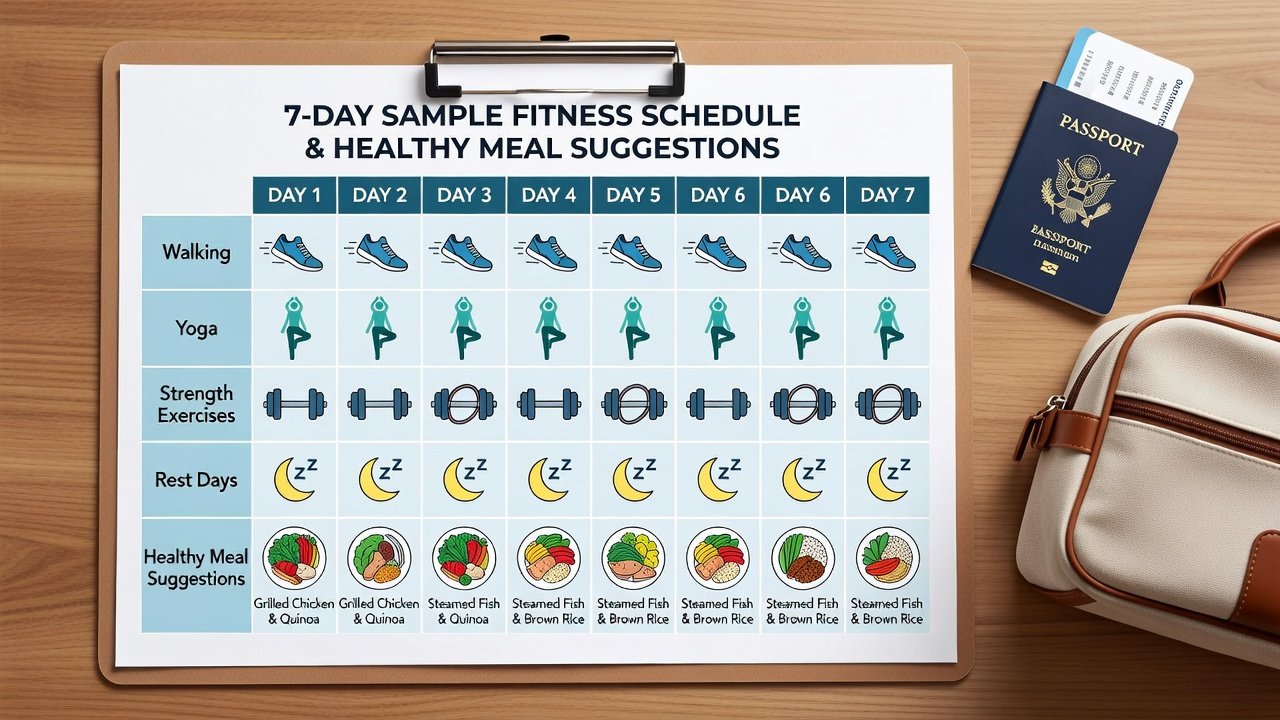
Here is a beginner-friendly weekly schedule that balances activity and recovery. Perform each session in comfortable clothing and stop immediately if you feel pain beyond normal muscle fatigue.
- Day 1: 30-minute brisk walk followed by 15 minutes of bodyweight squats, lunges, and wall push-ups. Focus on proper form and controlled breathing.
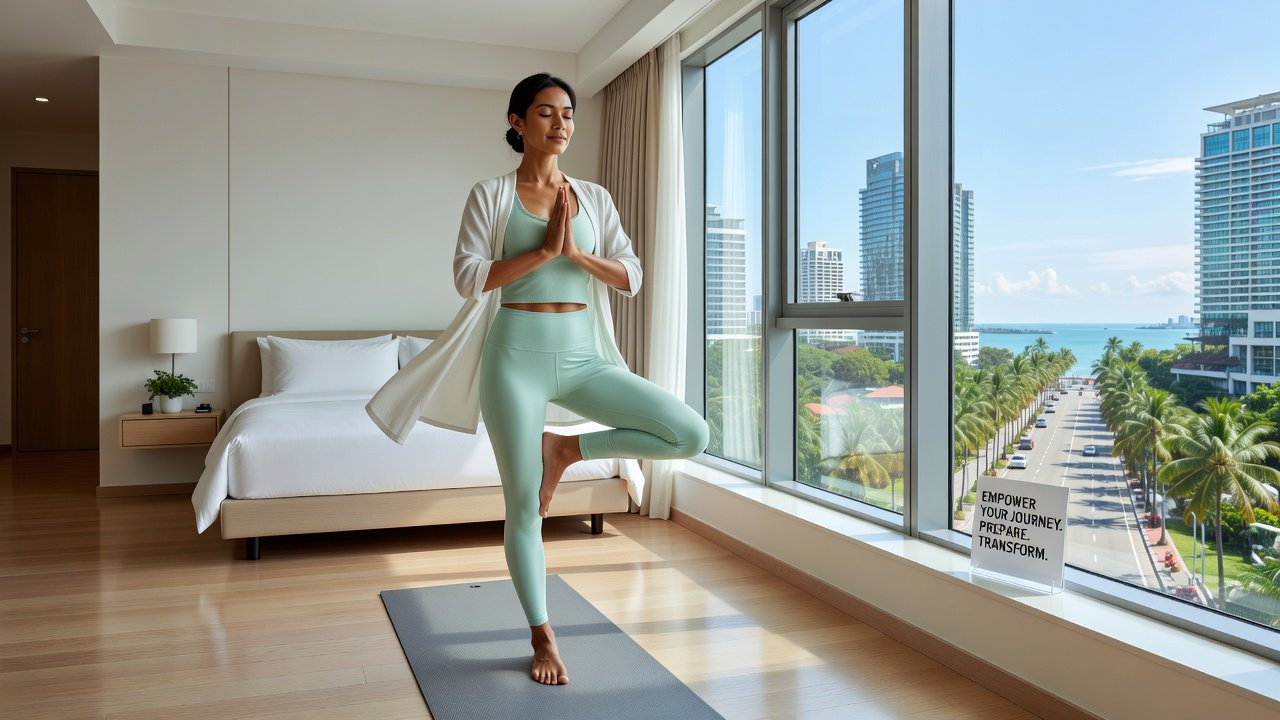
- Day 2: 45-minute yoga flow emphasizing breathing techniques, hip openers, and gentle spinal twists for mobility.
- Day 3: Light resistance band exercises targeting legs, back, and shoulders plus 20 minutes of stationary cycling or elliptical work.
- Day 4: Complete rest or 20 minutes of gentle stretching and foam rolling to promote circulation.
- Day 5: 40 minutes of swimming or water aerobics to build endurance without joint stress, ideal for joint-friendly conditioning.
- Day 6: Full-body circuit including modified push-ups, glute bridges, seated rows with bands, and arm circles for 30-35 minutes total.
- Day 7: Active recovery with a 25-minute outdoor walk combined with 10 minutes of meditation-integrated stretching.
Track progress in a simple journal noting energy levels and any soreness. Increase session length by five minutes each week as strength improves. One patient preparing for rhinoplasty abroad shared how this schedule helped maintain energy during a 12-hour flight and reduced post-operative swelling noticeably.
Nutrition Strategies to Promote Healing
Protein-rich foods support tissue repair and collagen production. Include eggs, fish, lean poultry, Greek yogurt, and plant-based options like lentils or tofu daily. Antioxidant-packed fruits such as blueberries, strawberries, and oranges combat inflammation, while leafy greens provide essential vitamins. Mayo Clinic resources stress balanced nutrient intake in the weeks before surgery to optimize immune function.
Avoid processed sugars and excessive sodium, which can worsen swelling and delay healing. Sample daily meals might include oatmeal topped with nuts and berries for breakfast, a grilled chicken and quinoa salad for lunch, and baked salmon with steamed vegetables for dinner. Snack on Greek yogurt or a handful of almonds between meals. Patients who followed similar plans reported feeling more energetic during travel and experienced faster initial wound healing.
Hydration Tips and Daily Goals
Aim for at least 2.5 to 3 liters of water daily, adjusting upward on workout days or in hot climates. Herbal teas and water-rich foods like cucumber and watermelon contribute to totals. Proper hydration improves skin elasticity, supports circulation, and helps flush anesthesia from the body more efficiently. Carry a reusable insulated bottle during flights and set phone reminders to sip regularly. One traveler noted that maintaining hydration habits reduced jet lag symptoms and prepared her skin better for the procedure.
Mental Readiness Techniques
Stress management reduces cortisol levels that can hinder healing. Practice 10-minute daily meditation using apps with guided sessions or simple box-breathing exercises. Visualization of a successful outcome and smooth recovery builds confidence. Journaling about your motivations and expected results helps maintain focus during the preparation period. Connecting with online communities of medical tourists provides real-world reassurance and practical tips from others who have completed similar journeys.
Avoiding Common Pre-Op Mistakes
- Skipping rest days, which leads to accumulated fatigue and higher injury risk.
- Ignoring surgeon-specific movement restrictions, such as avoiding heavy lifting or certain stretches close to the procedure date.
- Over-restricting calories instead of prioritizing nutrient density, resulting in low energy and slower healing.
- Neglecting sleep hygiene; aim for 7-9 hours nightly as sleep supports hormone balance critical for recovery.
- Introducing new intense exercises in the final week, which can cause inflammation right before travel.
Expert Insights and Patient Stories
Dr. Elena Vargas, a cosmetic surgeon specializing in international patients, notes that those who follow structured fitness preparation show noticeably faster initial healing and fewer fluid-related complications. Another patient preparing for a Brazilian butt lift described how six weeks of consistent routines transformed both her physical stamina and mental outlook before flying overseas.
FAQ: Addressing Exercise and Travel Concerns
How soon before surgery should I stop intense workouts? Most experts recommend tapering high-intensity sessions 7-10 days prior, always following your surgeon’s personalized instructions.
Can I exercise if I have travel fatigue upon arrival? Listen to your body and choose light walks or stretching only; avoid pushing through exhaustion.
Are there restrictions after long flights? Wear compression garments if recommended, walk the aisle every hour, and stay hydrated to reduce clot risk.
What if I have never exercised regularly before? Begin with shorter 15-minute sessions and build gradually; consistency matters more than intensity.
Should I continue supplements or stop before travel? Discuss all supplements with your surgeon, as some like fish oil may need to be paused.
Conclusion: Your Path to Safer Cosmetic Surgery Abroad
Implementing these pre-travel fitness routines equips you for better outcomes and a more confident experience. Start early, stay consistent, and combine movement with smart nutrition and mental preparation. This comprehensive approach turns medical tourism into a positive, empowering journey with reduced risks and enhanced results.

No comments yet. Be the first!