 Veda Tour

Introduction
Planning cosmetic surgery abroad offers access to skilled surgeons and advanced facilities at competitive rates, but thorough health screenings are non-negotiable for safety. In 2026, patients must prioritize pre-travel medical evaluations to reduce complications from procedures like liposuction or rhinoplasty. This guide delivers a complete checklist, drawing from medical tourism best practices and real patient experiences. Many individuals seek procedures overseas because of shorter wait times and highly trained specialists, yet the journey requires careful preparation to ensure the body is ready for anesthesia and recovery.
Medical tourism continues to grow, with many travelers combining treatment and recovery in destinations known for quality care. However, overlooking screenings can lead to canceled procedures or health issues upon return. Understanding required tests helps coordinate care between your home doctor and the destination clinic, creating a seamless experience that protects both your health and investment of time.
Why Pre-Travel Health Screenings Are Essential
Undergoing surgery in another country involves variables like travel fatigue, different medical standards, and post-operative recovery away from home support. Comprehensive screenings identify underlying conditions that could increase anesthesia risks or slow healing. For example, undetected blood clotting disorders have caused complications in liposuction patients who skipped coagulation panels, resulting in extended hospital stays or emergency interventions.
Consulting both your local physician and the overseas surgeon ensures all parties review your profile. Digital sharing of records streamlines this process and prevents duplicate testing. Patients who skip this step often face last-minute surprises that derail carefully planned trips, turning an exciting medical journey into a stressful ordeal.
Creating a Personal Health History Summary
Start by compiling a detailed health summary. Include past surgeries, allergies, current medications, family medical history, and lifestyle factors such as smoking or exercise habits. This document becomes invaluable when meeting new doctors abroad who need quick context to make informed decisions.
Use secure apps or encrypted email to share this summary. Many clinics request it weeks in advance to customize pre-operative protocols. Consider including recent photos of any scars or skin conditions relevant to your procedure, as these visual details help surgeons anticipate challenges during liposuction or facial contouring.
Essential Blood Work and Laboratory Tests
Blood tests form the foundation of pre-surgical clearance. Standard panels evaluate complete blood count, metabolic function, liver enzymes, and kidney health. Coagulation studies like PT/INR and PTT detect bleeding risks critical for any invasive procedure. Additional tests may include thyroid function and hemoglobin A1C for diabetes screening. Patients with cosmetic goals often need these to confirm fitness for anesthesia.
Discuss results thoroughly with your physician. Abnormal values may require lifestyle adjustments or further investigation before travel is approved. For instance, low iron levels identified early can be corrected with supplements, avoiding delays once you reach the destination clinic.
Cardiac Assessments and Heart Health Evaluations
Cardiac clearance is vital, especially for patients over 40 or those with risk factors like hypertension. An electrocardiogram (ECG) is usually the minimum, while stress tests or echocardiograms may be ordered based on history. Symptoms such as chest pain or shortness of breath should be discussed openly with both physicians. Early detection prevents emergencies during surgery and provides peace of mind for long flights to and from the destination.
Many clinics abroad now integrate cardiac monitoring into their standard pre-op workflow. Sharing prior ECG results digitally reduces redundant testing and speeds up the approval process.
Vaccination Requirements and Travel Health Precautions
Travel medicine experts recommend reviewing vaccination status before any international trip. Routine immunizations plus destination-specific shots protect against infections that could complicate recovery. World Health Organization guidelines provide up-to-date travel health information. Similarly, CDC travel resources outline country-specific recommendations. Discuss timing with your doctor, as some vaccines require multiple doses weeks before departure.
Keep official vaccination records in both digital and printed formats. This documentation is often requested at border control or by the surgical facility to confirm you pose no infection risk during your stay.
Procedure-Specific Screenings for Liposuction and Rhinoplasty
Different procedures demand tailored evaluations. Liposuction patients benefit from detailed lipid profiles and skin elasticity assessments. Rhinoplasty candidates often need nasal imaging and allergy testing to predict healing outcomes. Breast augmentation or tummy tuck candidates may require additional ultrasound or mammogram reviews depending on age and family history.
Always ask the destination surgeon for their exact pre-op requirements rather than assuming standard panels suffice. Procedure-specific tests catch issues that general blood work might miss, such as subtle respiratory concerns that could affect breathing post-rhinoplasty.
Coordinating Care Between Home and Destination Doctors
Effective communication bridges the gap between physicians. Schedule virtual consultations to review screening results together. Provide the overseas team with full records at least four weeks prior to travel. This collaboration catches discrepancies early and builds confidence in your surgical plan. Many patients use shared electronic health record platforms that allow real-time updates from multiple providers.
Establish a single point of contact at each clinic to avoid miscommunication. Follow up with confirmation emails summarizing what each doctor has approved, creating a paper trail for your records.
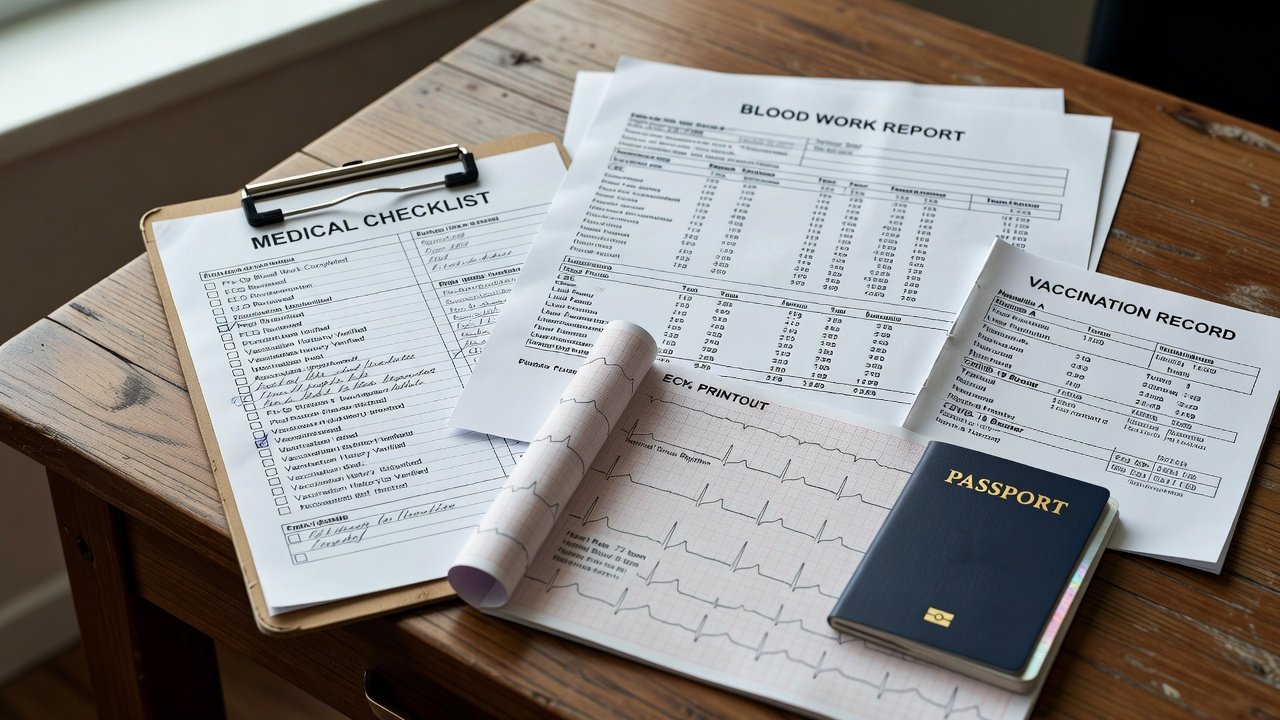
Step-by-Step 2026 Pre-Surgery Checklist
- Compile and digitize your complete health history including allergies and medications.
- Schedule blood work and lab tests with your primary doctor at least six weeks ahead.
- Complete cardiac evaluation if indicated by age or risk factors such as family history of heart disease.
- Update vaccinations and obtain travel health clearance from a certified travel clinic.
- Request procedure-specific tests based on your chosen surgery like imaging for rhinoplasty.
- Share all results digitally with the destination clinic and request written clearance.
- Confirm final clearance from both medical teams via video call.
- Pack copies of records, medication lists, and emergency contacts for travel.
Real-World Examples of Overlooked Screenings
One patient traveling for liposuction discovered an undiagnosed anemia only after arriving abroad, leading to a postponed procedure and extra costs. Another rhinoplasty traveler skipped cardiac screening and experienced elevated blood pressure issues during anesthesia induction. A third case involved a patient who failed to update vaccination records, causing the clinic to delay surgery until immunity was confirmed. These cases highlight why early, thorough testing prevents disruptions and protects your timeline and well-being.
Common Mistakes to Avoid
- Relying solely on online checklists without personalized medical advice.
- Waiting until the final week before travel to complete tests, leaving no buffer for abnormal results.
- Forgetting to disclose supplements or herbal remedies that can affect blood clotting.
- Assuming all clinics follow identical testing protocols regardless of procedure type.
FAQs on Timing, Coordination, and Preparation
When should screenings occur? Complete most tests four to six weeks before travel to allow time for follow-up if abnormalities appear.
How do I manage digital records? Use HIPAA-compliant portals or encrypted drives to transfer files securely across borders.
What if results show concerns? Work with your home doctor to address issues before finalizing travel plans, potentially adjusting medication or lifestyle habits.
Are there extra tests for older patients? Yes, individuals over 50 often need more extensive cardiac and pulmonary evaluations to ensure safe anesthesia tolerance.
Can I use local labs abroad for some tests? Some clinics allow this, but home-country results are preferred for consistency and to establish a baseline before departure.
Conclusion
Following this 2026 health screenings checklist equips you for safer cosmetic surgery abroad. Prioritizing evaluations, open communication, and organized records minimizes risks and supports optimal outcomes. Start planning early and consult qualified professionals at every step for the best experience. With proper preparation, your medical tourism journey can deliver both excellent results and lasting confidence in your health decisions.


No comments yet. Be the first!