 Veda Tour
Introduction to Non-Surgical Cosmetic Treatments in Medical Tourism
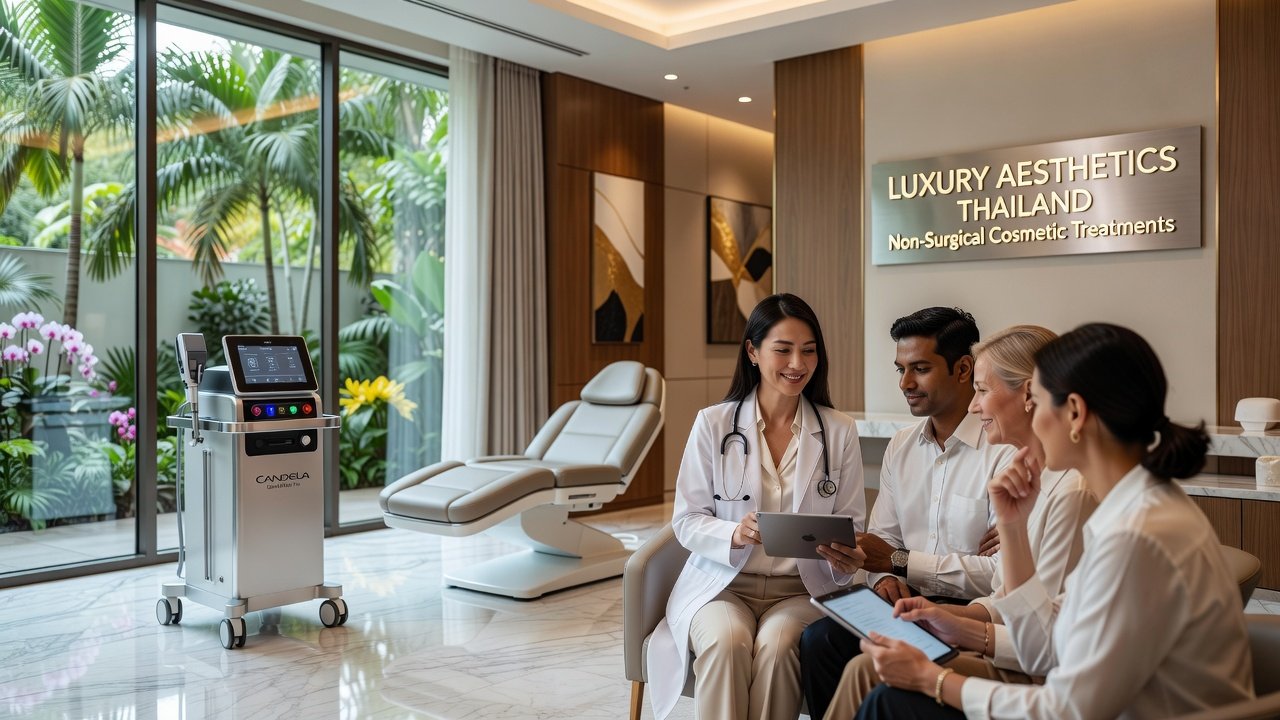
Medical tourism continues to evolve rapidly in 2026, with patients increasingly seeking innovative non-surgical cosmetic procedures that deliver noticeable results with minimal downtime. These treatments allow individuals to address aesthetic concerns such as skin texture, pigmentation, fine lines, and volume loss without the risks and extended recovery periods associated with invasive surgery. Travelers often combine these procedures with vacations in destinations known for high-quality care at accessible prices, turning recovery into a relaxing experience abroad. Popular hubs include Thailand, Mexico, Turkey, and South Korea, where clinics invest in cutting-edge technologies that attract international visitors seeking both affordability and expertise.
Non-surgical options appeal particularly to busy professionals and first-time aesthetic patients who want subtle enhancements rather than dramatic transformations. The global rise in medical tourism for these treatments reflects advances in laser technology, injectable science, and personalized protocols that prioritize safety and convenience. Patients benefit from shorter procedure times, often under an hour, and can typically return to light activities within days.
Advanced Laser Therapies Gaining Popularity
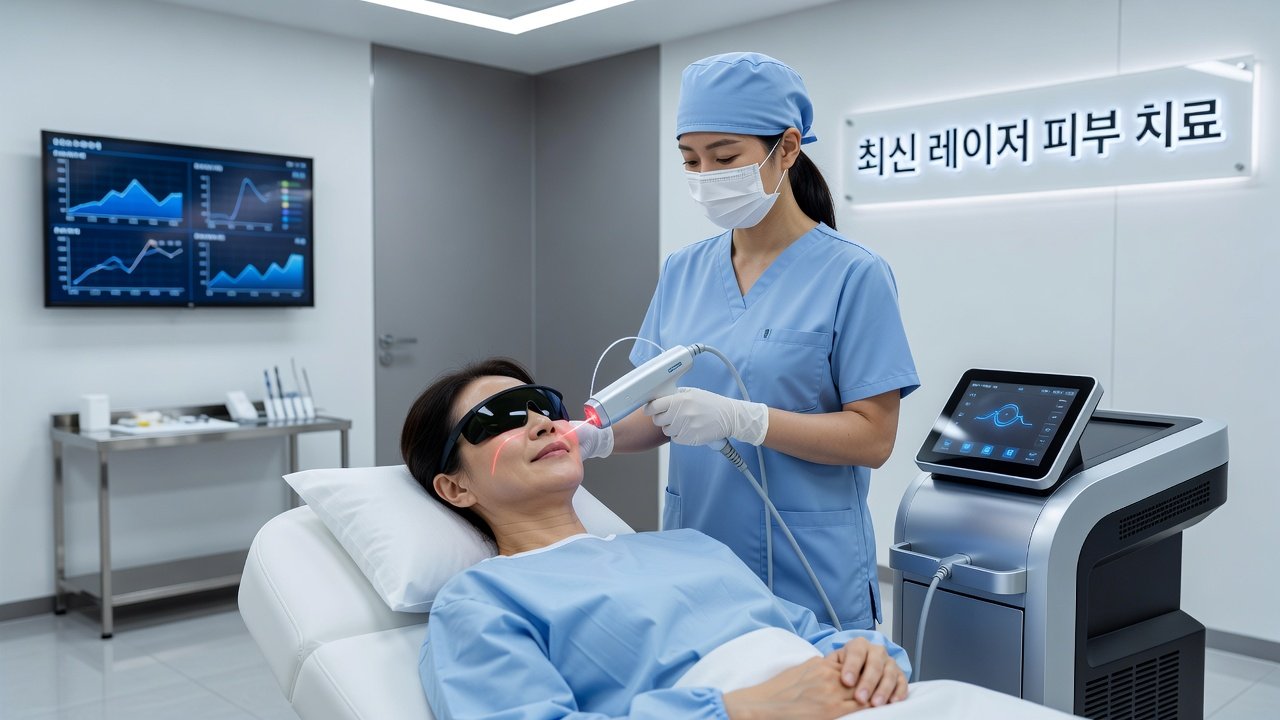
Advanced laser therapies stand out among emerging treatments due to their versatility and precision. These include fractional CO2 lasers for deep resurfacing, picosecond lasers for pigmentation and tattoo removal, and non-ablative fractional lasers that stimulate collagen with less surface damage. Patients appreciate how these devices target specific skin layers without harming surrounding tissue, resulting in improved tone, reduced scars, and minimized pores.
Clinics in medical tourism hubs often integrate these lasers with complementary skincare protocols, such as LED therapy or customized serums, to enhance outcomes. For example, a patient might undergo a series of three to six sessions spaced three to four weeks apart to achieve optimal collagen stimulation and visible rejuvenation. The low downtime—typically one to three days of mild redness—means travelers can resume sightseeing or light cultural activities shortly after each appointment. Real-world examples show patients from Europe traveling to Bangkok clinics for picosecond treatments that address sun damage accumulated over years, achieving smoother skin while enjoying the city's recovery-friendly resorts.
Safety remains paramount, and many overseas providers reference established medical guidelines when tailoring plans for medical tourists. Mayo Clinic offers evidence-based insights into laser safety that help clinics maintain high standards.
Injectable Innovations for Facial Rejuvenation
Injectable innovations represent another major trend reshaping the field. Beyond traditional hyaluronic acid fillers and neuromodulators like Botox, new biostimulatory options such as poly-L-lactic acid and calcium hydroxylapatite promote natural collagen production over several months. Skin boosters containing hyaluronic acid or polynucleotides hydrate and improve elasticity from within, delivering results that evolve gradually for a refreshed appearance.
Medical tourists often select destinations where these advanced injectables are administered by practitioners with extensive experience, allowing them to achieve customized outcomes at competitive rates. A typical patient might receive a combination of skin boosters and subtle fillers in one session, then spend the following week relaxing by the beach while any minor swelling resolves. This integration of treatment and travel creates a holistic wellness experience that goes beyond simple aesthetics.
Cost Comparisons Across Popular Destinations
Cost variations play a significant role in destination choice for medical tourists. While exact figures depend on individual needs and clinic packages, patients generally find that treatments in Southeast Asia and Eastern Europe offer substantial value compared to Western markets without sacrificing quality or safety standards. Key factors influencing overall expenses include clinic accreditation, practitioner expertise, included aftercare services, and the number of sessions required.
Thailand and Turkey frequently rank high for comprehensive value, with packages that bundle consultations, procedures, medications, and follow-up visits. Prospective patients should compare not only base costs but also ancillary expenses such as flights, accommodation, and potential add-on therapies like lymphatic drainage massages that support healing. Qualitative research shows that choosing an all-inclusive medical tourism package can simplify logistics and provide peace of mind during the journey.
Patient Selection Criteria for Safe Medical Tourism
Selecting the right patient profile ensures positive outcomes and minimizes complications. Ideal candidates are in good overall health, maintain realistic expectations about gradual improvements, and understand the importance of follow-up care once they return home. Individuals with active skin infections, certain autoimmune conditions, or recent sun exposure may require additional screening or postponement before traveling for treatment.
Virtual consultations conducted prior to booking help determine suitability. Reputable clinics provide detailed questionnaires, review medical histories, and may request recent bloodwork or photos to assess skin type and treatment goals. This thorough approach reduces risks associated with international travel and ensures the chosen procedures align with the patient's lifestyle and recovery timeline.
Practical Steps for Researching Clinics Abroad
Thorough research forms the foundation of a successful medical tourism experience. Begin by verifying international accreditations such as Joint Commission International (JCI) or recognized local certifications. Read recent patient testimonials on independent review platforms and request before-and-after portfolios specific to the desired treatment and skin type.
- Confirm practitioner credentials, including board certifications and years of hands-on experience with the exact technology.
- Review clinic infection control protocols, sterilization practices, and emergency preparedness measures.
- Compare multiple detailed quotes that clearly outline what is included, such as anesthesia, follow-up visits, and any revision policies.
- Assess language support services and reliable post-treatment communication channels for questions after departure.
- Consult official medical tourism associations and destination tourism boards for lists of vetted facilities.
- Evaluate travel insurance options that specifically cover complications from elective cosmetic procedures abroad.
These steps help patients make informed decisions and avoid common pitfalls associated with hasty bookings.
Example Treatment Timelines
Understanding realistic timelines helps patients plan their trips effectively. A typical course of advanced laser therapy might involve three to five sessions over six to twelve weeks, with each appointment lasting thirty to sixty minutes and recovery periods of one to three days. Injectable treatments often require only one or two visits spaced four to six weeks apart, with visible improvements developing progressively over the following three to six months as collagen builds.
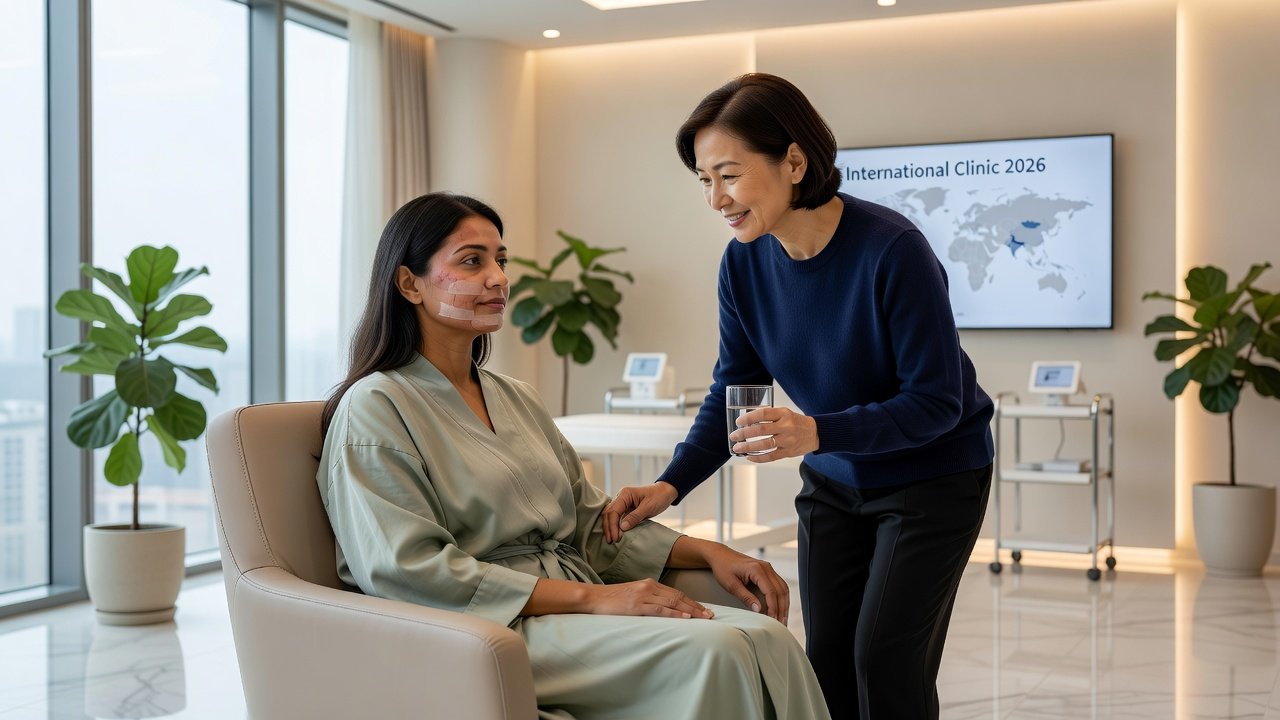
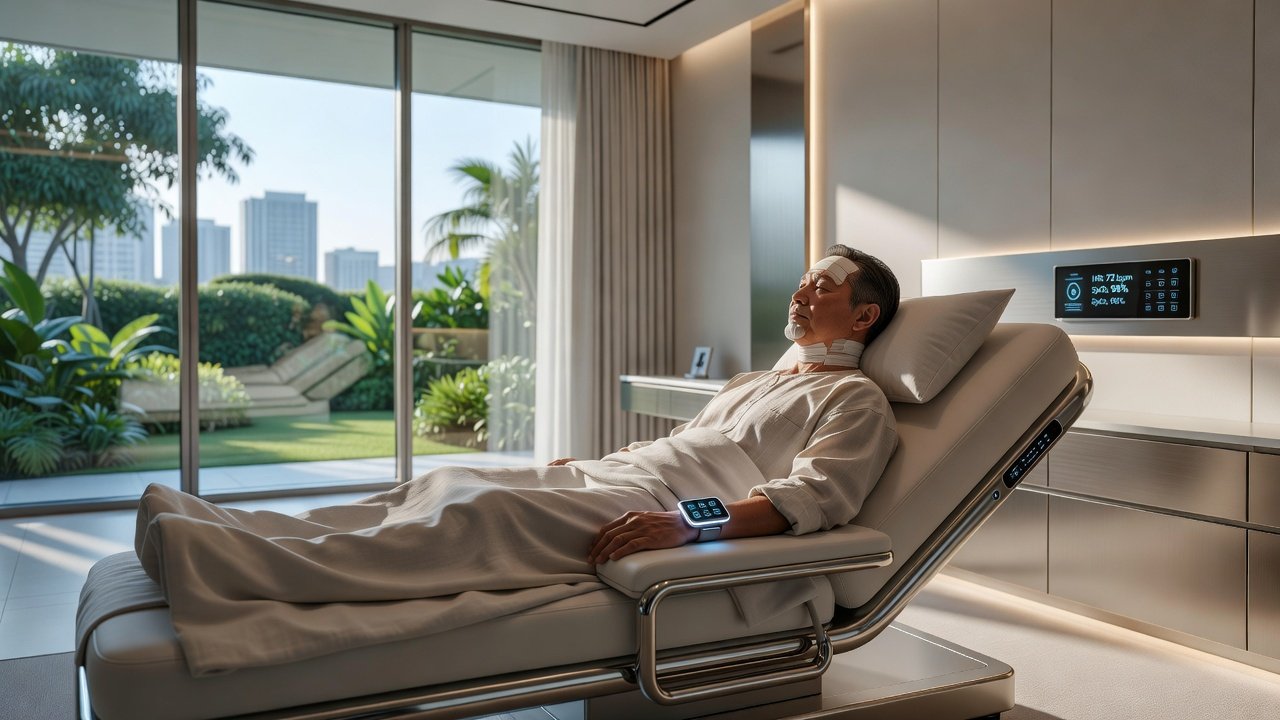
Patients should allocate at least four to seven days in the destination after the final session to allow initial healing and attend any scheduled check-ups. Many clinics offer flexible scheduling that accommodates sightseeing on non-treatment days, making the overall experience more enjoyable and less clinical.
Mistakes to Avoid When Combining Treatments with Travel
While medical tourism offers unique advantages, certain mistakes can compromise results. Patients should avoid scheduling intense physical activities such as hiking or water sports immediately after procedures that cause temporary sensitivity. Excessive sun exposure without proper protection can also lead to pigmentation issues, particularly after laser treatments. Another common error involves selecting clinics based solely on the lowest advertised price rather than verified credentials and patient outcomes. Finally, failing to arrange local follow-up care back home can create challenges if minor adjustments are needed later.
FAQ: Common Concerns About Longevity and Vacation Integration
How long do results typically last?
Longevity varies by treatment type and individual factors such as age, skin condition, and lifestyle. Laser improvements can persist for several years with consistent skincare and sun protection, while certain injectables may require maintenance sessions every six to eighteen months to sustain optimal effects.
Can I combine treatments with vacation activities?
Yes, most non-surgical procedures allow light activities like walking tours or museum visits within twenty-four to forty-eight hours. However, patients should avoid intense sun exposure, saunas, or strenuous exercise during the initial healing phase to protect results and reduce swelling.
What if I need follow-up care after returning home?
Choose clinics that offer virtual follow-up consultations and maintain partnerships with local providers. Clear written aftercare instructions and access to a dedicated coordinator significantly reduce the likelihood of complications.
Are there any restrictions on flying after these treatments?
Most patients can fly within forty-eight hours, though staying hydrated and moving periodically during flights helps minimize swelling. Clinics provide specific guidance based on the procedures performed.
Conclusion
Emerging non-surgical cosmetic treatments are reshaping medical tourism in 2026 by offering effective, convenient options for patients worldwide. By carefully researching clinics, understanding detailed timelines, avoiding common mistakes, and planning thoughtfully around travel, individuals can achieve their aesthetic goals while enjoying enriching international experiences that support both recovery and relaxation.
No comments yet. Be the first!