 Veda Tour
Introduction: Why Companion Support Matters in Cosmetic Surgery Travel
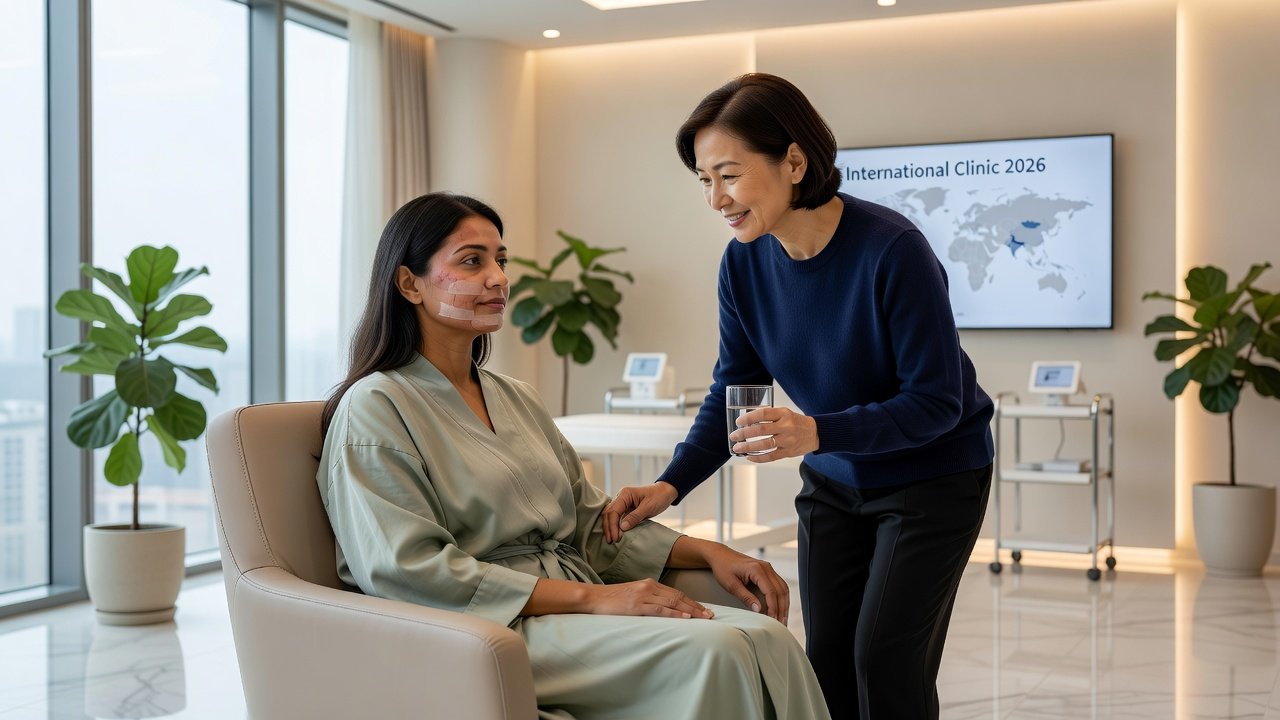
Traveling abroad for cosmetic surgery can be transformative, but the journey is often more manageable with a trusted companion by the patient’s side. In 2026, medical tourism continues to grow as patients seek high-quality procedures at competitive costs in destinations like Turkey, Thailand, and Mexico. Companions play a vital role in emotional reassurance, logistical coordination, and ensuring safe recovery. This guide provides actionable steps for family members and friends to offer meaningful support throughout the process, from initial planning to post-return care. Understanding the unique challenges of international medical travel helps companions become effective advocates and caregivers.
Pre-Travel Preparation Steps
Thorough preparation reduces stress and surprises. Begin by researching accredited clinics together using resources from international health authorities. Discuss the patient’s medical history, expected outcomes, and recovery timeline openly. Arrange travel documents, including passports, visas, and medical records translated if necessary. Book accommodations close to the clinic with accessibility features such as elevators and ground-floor rooms. Pack essentials like compression garments, medications, and comfortable clothing in advance. Consider travel insurance that specifically covers medical tourism complications.
Compile a comprehensive checklist that includes copies of all medical consents, allergy information, and contact details for the surgical team. Review flight options that allow flexible changes in case recovery extends beyond initial plans. Many companions also arrange for local transportation services that accommodate post-operative patients who cannot sit comfortably for long periods.
Researching and Choosing Destinations and Clinics
Selecting the right location involves comparing factors beyond price. Family-friendly destinations such as Istanbul excel in rhinoplasty and breast procedures with modern facilities and English-speaking staff, while Bangkok provides comprehensive aftercare packages including dedicated recovery apartments. Mexico offers proximity for North American travelers and cultural familiarity in many clinics. South Korea stands out for advanced facial surgeries with high-tech equipment. Companions should verify surgeon credentials through international boards and read recent patient testimonials. Always schedule virtual consultations to assess communication quality before booking.
Daily Support Routines at Clinics and Recovery Locations
Once abroad, establish consistent routines. Accompany the patient to all pre-operative consultations to ask clarifying questions. During the immediate post-surgery phase, assist with mobility, medication schedules, and wound care under medical guidance. Monitor for signs of normal swelling versus complications. 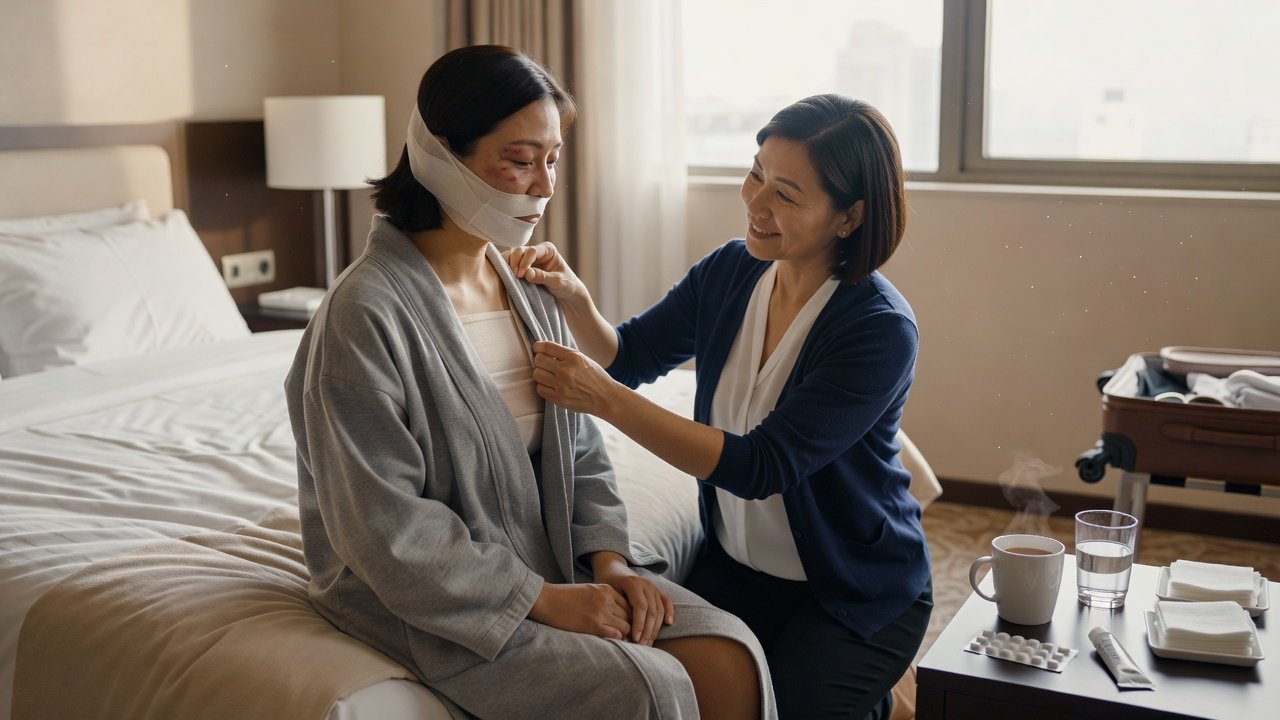
Help maintain hygiene by preparing light, nutritious meals that align with recovery dietary guidelines. Track fluid intake and encourage gentle movement as approved by the surgeon. Successful companions often create shared journals to track progress and celebrate small milestones together, fostering a sense of teamwork during the vulnerable early days.
Emotional and Psychological Support Strategies
Beyond physical tasks, emotional support is crucial. Patients may experience anxiety about results or temporary discomfort. Practice active listening without offering unsolicited advice. Encourage short video calls with family at home to combat isolation. Some companions bring familiar items like photos or favorite books to create a comforting environment in the recovery space. Recognizing signs of post-operative blues allows timely reassurance or professional mental health check-ins if needed.
Managing Emergencies and Unexpected Situations
Emergencies require calm, prepared responses. Keep a list of emergency contacts including the clinic’s 24-hour line, local ambulance services, and your country’s embassy. Familiarize yourself with the nearest hospital equipped for post-surgical care. Have digital copies of insurance policies and medical documents readily accessible on your phone. In real-world cases, companions who maintained a dedicated emergency folder avoided delays during minor issues like allergic reactions to medications. Practice basic first-aid refreshers and know the location of nearest pharmacies stocking necessary supplies.
Balancing Companion Downtime with Patient Recovery Needs
Supporting a loved one is rewarding yet demanding. Schedule restorative activities such as light walking tours or reading to maintain your energy. Communicate boundaries kindly so both parties feel supported. Many companions report that setting daily check-in times with family back home helps maintain emotional equilibrium. Rotate responsibilities if traveling with another supporter to prevent burnout.
Mistakes to Avoid as a Companion
- Over-scheduling activities that tire the patient during early recovery.
- Ignoring your own rest needs, which can lead to reduced effectiveness.
- Failing to confirm all medical instructions in writing before leaving the clinic.
- Assuming all local transportation is patient-friendly without prior testing.
- Delaying contact with home support networks when challenges arise.
Real-World Examples and Destination Comparisons
One family successfully supported a patient through a facelift in Mexico by pre-arranging a bilingual nurse for home visits and dividing tasks—one handled meals while the other managed transport. In contrast, Thailand’s medical hubs offer integrated recovery resorts ideal for longer stays. A couple who traveled to Turkey noted that having pre-downloaded translation apps and local SIM cards streamlined daily interactions. Additional guidance is available from reputable sources such as the World Health Organization on international patient safety, the Centers for Disease Control and Prevention for travel health recommendations, and Mayo Clinic for post-surgical care principles.
Post-Procedure Care Upon Return Home
Upon returning, continue monitoring healing and attend all follow-up appointments. Arrange home assistance for the first week, including meal preparation and transportation. Keep open communication with the overseas clinic via email or video for any concerns. Document progress with photos to share during virtual check-ins. This phase often determines long-term satisfaction with the surgical outcome.
Conclusion
Supporting a loved one through cosmetic surgery medical tourism requires preparation, patience, and adaptability. By following structured routines, anticipating challenges, and prioritizing mutual well-being, companions can make the experience safer and more positive. Thorough planning transforms potential stress into a shared journey of care and recovery.
FAQ
What are typical visa requirements for companions?
Most destinations require a tourist visa or visa exemption for short stays. Check official embassy websites for the latest rules based on nationality and duration of stay.
How should costs be managed without specific figures?
Focus on budgeting for flights, accommodation, meals, and potential extended stays. Discuss shared financial responsibilities before travel and track expenses daily.
Is post-procedure travel safe?
Surgeons generally advise waiting until cleared for flying, often 7–14 days depending on the procedure. Follow all medical instructions strictly and consider travel cushions for comfort.
Can companions stay in the same room as patients?
Many clinics and recovery hotels accommodate companions in adjacent rooms or suites. Confirm arrangements directly with the facility during booking.
What if the patient experiences homesickness?
Plan regular virtual family connections and bring familiar comfort items. Short outings when medically approved can also lift spirits.
How do companions handle language barriers?
Use translation apps, request bilingual staff in advance, and carry printed medical phrases relevant to the procedure.

No comments yet. Be the first!