 Veda Tour

Introduction
Medical tourism for cosmetic procedures continues to grow, with patients traveling to destinations offering advanced care at competitive rates. In 2026, technology plays a pivotal role in enhancing recovery outcomes, especially when patients return home or manage follow-ups remotely. This guide explores practical tech solutions tailored for post-surgery healing abroad, focusing on vital monitoring, medication management, and clinic integration. Patients seeking procedures like rhinoplasty, liposuction, or breast augmentation often face unique challenges such as jet lag, limited local follow-up access, and the need for continuous monitoring during travel. Leveraging modern tools helps bridge these gaps, promoting faster healing and peace of mind.
Understanding the search intent behind optimizing recovery while abroad means addressing real concerns like complication detection, scheduling consistency, and data security. This article provides actionable steps, real examples, and comparisons to help readers make informed choices.
Wearables for Vital Monitoring
Wearable devices have become essential for tracking heart rate, oxygen levels, and activity during recovery. Devices like smartwatches with ECG capabilities help detect complications early. Patients can share real-time data with surgeons overseas, reducing risks associated with travel. These tools support proactive care by alerting users to irregularities in vital signs, which is crucial after procedures like liposuction or breast augmentation. For instance, monitoring oxygen saturation on long flights can prevent issues related to cabin pressure. Practical steps include syncing the device before departure, setting custom alerts for thresholds like heart rate above 100 bpm, and exporting reports in PDF format for clinic sharing. In 2026, advancements include AI-driven pattern recognition that predicts swelling trends based on activity data.
Apps for Medication and Follow-Up Scheduling
Mobile applications streamline medication reminders and virtual consultations. Popular options integrate with calendars to schedule follow-ups with international clinics. Features often include photo tracking of incisions and secure messaging portals. Integration with local healthcare systems ensures seamless communication, allowing adjustments to recovery plans based on patient progress. Users should select apps that support offline functionality for areas with poor connectivity and offer multilingual interfaces. A key practical tip is to test the app with your clinic's preferred platform one week before travel to resolve any compatibility issues.
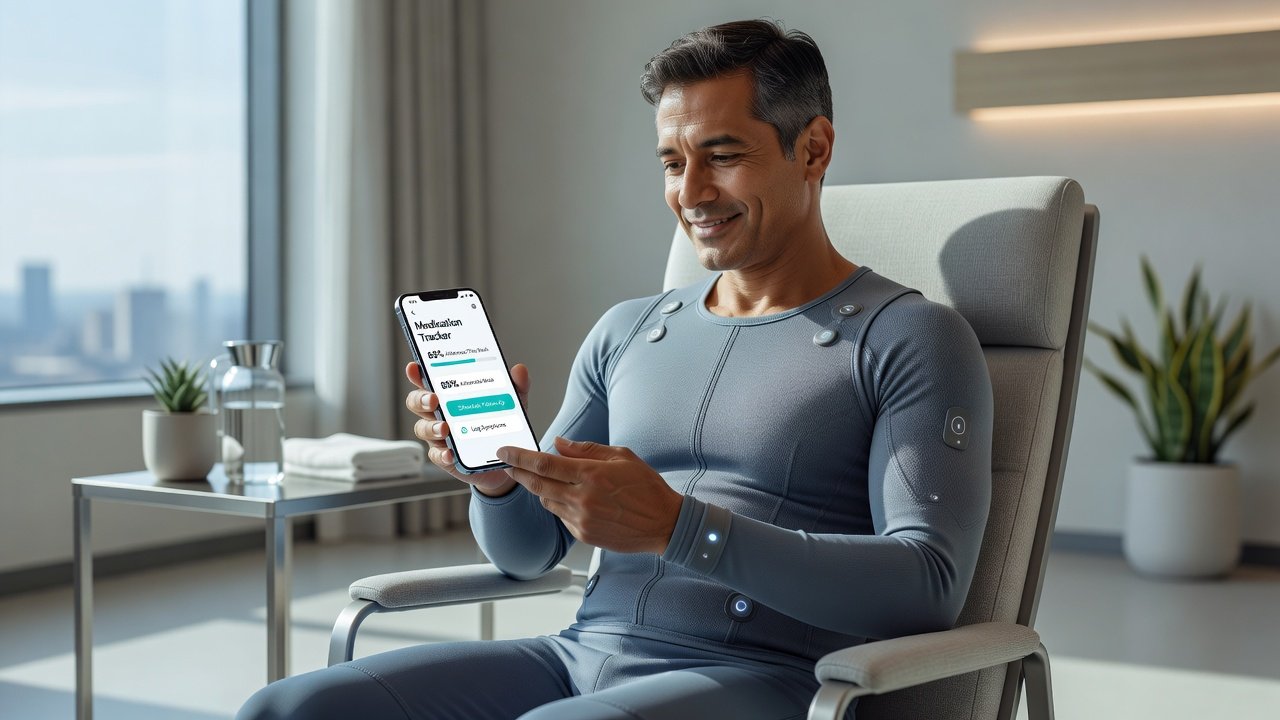
Smart Compression Devices
Advanced compression garments now incorporate sensors to monitor pressure and swelling. These smart versions provide feedback via connected apps, helping maintain optimal healing conditions during flights or daily activities abroad. Patients report improved comfort and fewer adjustments needed compared to traditional garments. When selecting one, consider battery life for multi-day trips and washability of sensor components. Integration with phone apps allows logging daily wear time, which clinics can review during virtual check-ins.
Integrating Tools with Local Clinics
Before travel, patients should discuss device compatibility with their chosen clinic. Many facilities in popular medical tourism hubs support Bluetooth-enabled tools and telehealth platforms. Steps include sharing device specs in advance and testing data-sharing protocols. Start by emailing a list of your gadgets to the clinic coordinator, followed by a trial video call to demonstrate data export. This preparation minimizes disruptions and builds trust with the medical team. Additional considerations involve ensuring devices meet international voltage standards and carrying backup chargers.
Real-World Patient Examples
One patient recovering from rhinoplasty in Thailand used a wearable to monitor blood oxygen during long-haul flights, sharing data with her surgeon via app. This allowed early intervention for minor desaturation issues. Another in Mexico leveraged smart compression for abdominoplasty recovery, reducing follow-up visits through remote monitoring and achieving smoother results with consistent pressure tracking. A third example involves a patient from Europe who combined medication apps with wearables after dental-related cosmetic work abroad, creating a shared dashboard that her home physician accessed for coordinated care.
Comparison of Top Apps and Gadgets
When evaluating options, focus on accuracy, user reviews, and integration ease. Here is a scannable list of key comparison points:
- Wearables: Prioritize models with long battery life and medical-grade sensors; compare ECG accuracy and data export formats.
- Apps: Choose HIPAA or GDPR compliant platforms with reminder customization and photo upload features; test for seamless clinic portal connections.
- Smart garments: Evaluate sensor durability, app feedback quality, and ease of cleaning; look for adjustable pressure settings suitable for different body areas.
- Overall: Cross-reference device ecosystems to avoid multiple incompatible apps, and verify international roaming support for data plans.
Readers should review recent user forums and official product sites to match tools to their specific procedure and destination.
Mistakes to Avoid
Common pitfalls include failing to verify data privacy settings before sharing information, which can expose sensitive health details. Another is neglecting to charge devices fully before flights or assuming all clinics use the same software. Patients sometimes overlook time zone adjustments in scheduling apps, leading to missed medication doses. Always conduct a pre-travel dry run of all tools.
2026 Trends in Recovery Technology
Emerging trends include greater use of AI for personalized recovery predictions and integration with wearable ecosystems for holistic tracking. Telehealth advancements allow real-time video wound assessments, while eco-friendly smart devices gain popularity among sustainable travelers. Staying updated via World Health Organization resources on patient safety can provide additional context for safe tech adoption during medical travel.
FAQ
How is data privacy handled with these devices?
Most reputable apps use encryption and comply with international standards like GDPR. Always review privacy policies before sharing health data with overseas providers. Consider using apps that allow anonymized data sharing options.
Are these tools compatible with clinics abroad?
Compatibility varies; confirm with your clinic in advance. Many 2026 devices support standard protocols like Bluetooth and Wi-Fi for global use. Request a compatibility checklist from the facility.
What should I do if a device malfunctions during recovery?
Carry backup manual monitoring methods and contact your clinic immediately. Have a secondary app or device as a contingency plan.
How do I choose the right tools for my procedure?
Match features to your surgery type, such as oxygen monitoring for facial procedures, and consult both your surgeon and device manuals for guidance.
Conclusion
Leveraging these tech tools empowers patients to achieve safer, more efficient recoveries during cosmetic surgery travel. By combining wearables, apps, and smart devices with professional guidance, individuals can optimize outcomes in 2026 and beyond. Consult healthcare providers for personalized recommendations and explore further guidance from trusted sources like the Centers for Disease Control and Prevention on travel health best practices.

No comments yet. Be the first!