 Veda Tour
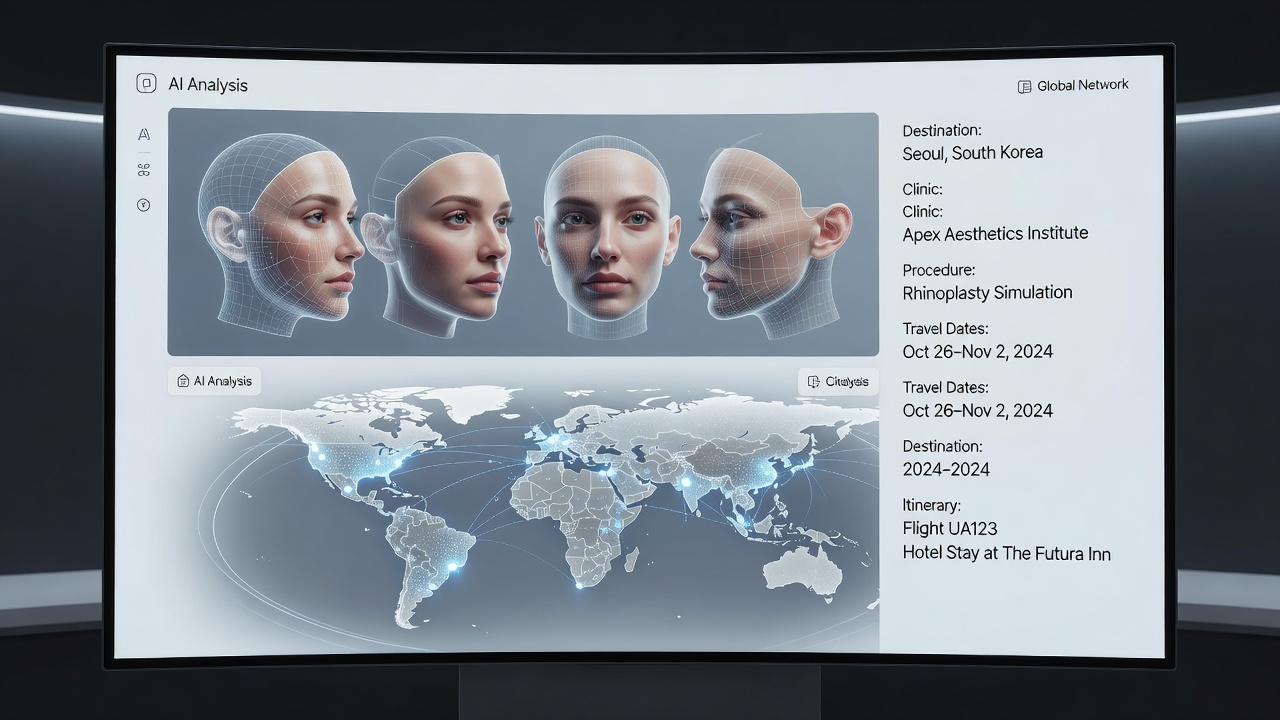
Introduction: The Rise of AI in Cosmetic Surgery Travel
Patients seeking cosmetic procedures abroad increasingly turn to AI-driven platforms for efficient, personalized planning. These tools streamline clinic selection, simulate outcomes, assess risks, and coordinate travel, addressing the needs of tech-savvy individuals prioritizing safety and value in destinations like Turkey, Thailand, and Mexico. Medical tourism for cosmetic surgery has grown substantially as more people seek high-quality care at lower costs combined with vacation elements. AI technologies now help navigate the complexities of choosing reputable clinics, understanding procedural outcomes, and managing logistics across borders.
The integration of artificial intelligence into medical tourism platforms allows for data-driven decisions that were previously time-consuming or reliant on scattered online reviews. By processing vast datasets including surgeon credentials, patient outcomes, and facility standards, these systems provide recommendations tailored to individual health profiles and aesthetic goals. This article explores the core AI functionalities, practical usage steps, real examples, comparisons, and important considerations such as privacy and accuracy.
AI Clinic Matching Algorithms Explained
Modern AI matching systems analyze patient profiles, medical history, budget preferences, and desired procedures against global clinic databases. Algorithms evaluate surgeon credentials, patient reviews, success rates, and facility accreditations to generate tailored recommendations. Practical steps include uploading photos and health data, answering preference questionnaires, and reviewing ranked options with transparent scoring. These algorithms often incorporate natural language processing to interpret patient descriptions of desired results and machine learning models trained on thousands of past successful cases.
For instance, a patient interested in rhinoplasty might receive matches based on facial proportions, previous similar cases, and clinic specialization in ethnic rhinoplasty techniques. Users benefit from filters for language support, recovery facilities, and post-operative care availability. The process typically begins with a secure profile creation where users input age, allergies, previous surgeries, and lifestyle factors that could influence healing. AI then cross-references this with anonymized success metrics from partner clinics worldwide.
Virtual Outcome Simulations for Informed Decisions
AI simulation software uses 3D modeling and machine learning to preview post-surgery results based on facial or body scans. Users can adjust variables like implant size or lift angles to visualize realistic outcomes. This reduces uncertainty and aligns expectations with achievable results. Advanced systems employ generative adversarial networks to produce highly detailed renderings that account for skin texture, lighting, and healing variations over time. 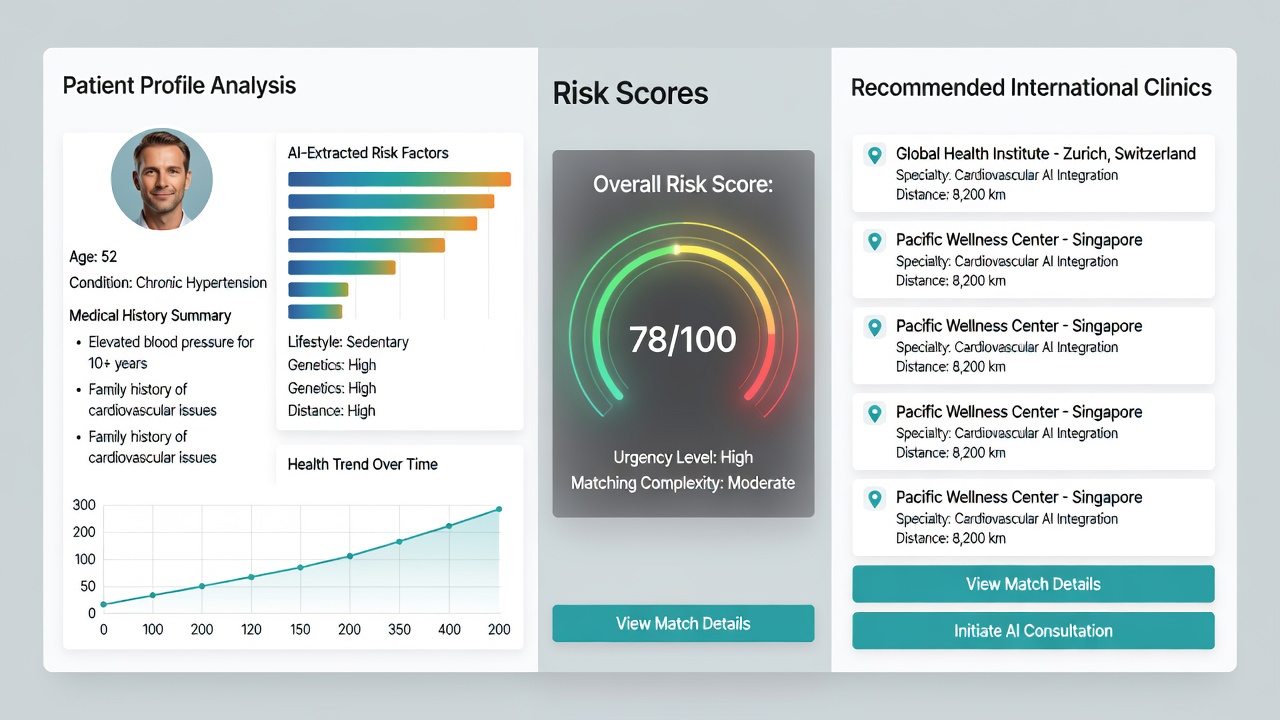
Patients often run multiple iterations to compare options such as different breast implant profiles or liposuction target areas. These simulations serve as valuable communication tools during virtual consultations with surgeons, allowing for precise discussion of expectations. Limitations exist because simulations cannot fully predict individual biological responses, yet they significantly improve satisfaction rates when used alongside professional advice.
Risk Assessment Tools and Safety Protocols
Advanced AI platforms integrate health data with predictive analytics to flag potential complications such as infection risks or anesthesia reactions. They cross-reference patient vitals against procedure-specific guidelines from sources like the World Health Organization. Patients receive personalized risk scores and mitigation steps, enhancing safety during medical tourism. Tools may incorporate wearable device data or uploaded lab results to refine predictions further.
Additional layers include checking for contraindications with medications or underlying conditions like diabetes. Some platforms partner with international accreditation bodies to verify ongoing compliance with safety standards. This proactive approach helps patients avoid clinics with higher complication histories and prepares them with pre-travel health optimization plans.
Integration with Travel Booking Systems
Leading AI apps combine surgery planning with flight, hotel, and recovery accommodation bookings. Seamless APIs pull real-time availability and pricing while suggesting recovery timelines that fit travel schedules. Examples include platforms that auto-generate itineraries accounting for follow-up visits. Integration often extends to visa assistance, airport transfers, and even dietary recommendations aligned with post-operative needs.
Users can select recovery packages that include nurse visits or lymphatic drainage massages. The AI optimizes dates to avoid peak travel seasons or ensure sufficient healing before return flights. This holistic coordination reduces stress and hidden costs associated with separate bookings.
Real-World Examples of Popular AI Apps
Apps like RealSelf AI and specialized medical tourism platforms such as Bookimed offer AI-driven matching. Another example is Clinique AI in Europe, which provides virtual consultations. Users report streamlined processes compared to traditional research methods. Additional emerging tools include platforms focused on specific regions, such as those targeting Southeast Asia or Latin America, where they analyze local regulatory environments and surgeon training backgrounds.
These apps frequently update their databases with new clinic openings and patient feedback loops that improve future recommendations. Case studies show patients completing full planning cycles in under two weeks versus months of manual research.
Free vs Premium Options: Key Comparisons
- Free tiers typically include basic matching and limited simulations with ads or data caps, suitable for initial exploration.
- Premium subscriptions unlock full simulations, priority clinic access, detailed risk reports, and dedicated travel coordination, often with enhanced privacy features and direct surgeon messaging.
- Patients should evaluate needs: casual researchers may start free, while those booking complex procedures benefit from premium upgrades for comprehensive support and faster response times.
- Premium plans may also offer money-back guarantees on matching services and access to exclusive recovery networks not available in free versions.
Practical Steps to Use AI Tools Effectively
- Research accredited platforms with verified reviews and check for compliance with data protection regulations.
- Prepare medical records and clear procedure goals, including any reference images or descriptions of desired changes.
- Run multiple simulations and compare clinic matches side by side, noting pros and cons for each option.
- Verify AI recommendations against independent sources like the CDC travel health page and consult board-certified specialists.
- Book with integrated travel features and schedule virtual follow-ups, while maintaining personal records of all communications.
- Monitor post-procedure progress using any companion apps that track healing milestones and alert for concerning symptoms.
Benefits, Challenges, and Future Trends for 2026
AI tools deliver faster decision-making, reduced anxiety through visualization, and potentially better outcomes via data-backed choices. Challenges include over-reliance on technology without human oversight and varying levels of algorithm transparency across providers. Looking ahead to 2026, expect deeper integration with augmented reality for live simulations and blockchain for secure medical record sharing. Continued advancements will likely make these platforms even more accessible on mobile devices.
FAQ: Addressing Data Privacy and Accuracy Concerns
How do these tools protect patient data?
Reputable platforms use encryption and comply with GDPR or HIPAA standards, but users should review privacy policies before uploading sensitive information and consider using anonymized profiles where available.
Are AI simulations accurate?
While highly advanced, simulations provide approximations; final results depend on individual healing and surgeon skill. Always consult licensed professionals for confirmation and combine simulations with in-person assessments.
What if the AI recommendation seems off?
Cross-check with multiple tools and seek second opinions from board-certified surgeons abroad. Supplement AI insights with direct clinic outreach and independent verification of credentials.
Can these tools replace in-person consultations?
No, they serve as powerful supplements that enhance preparation and communication but cannot substitute for physical examinations and personalized medical advice.
Conclusion
AI tools are transforming cosmetic surgery abroad by making planning more accessible, personalized, and secure. By leveraging these technologies thoughtfully, patients can achieve better outcomes while minimizing risks in their medical tourism journey. Staying informed about evolving features ensures continued benefits as the technology matures.


No comments yet. Be the first!