 Veda Tour

Introduction to Post-Travel Cosmetic Surgery Recovery
Returning home after undergoing cosmetic surgery or treatments abroad presents unique challenges that require careful planning and consistent routines. Medical tourism patients often combine long flights with fresh surgical wounds, leading to increased swelling, fatigue, and infection risks. This comprehensive guide outlines proven home aftercare strategies for 2026 returnees, focusing on maximizing surgical results while minimizing complications. Whether you had a facelift, breast augmentation, liposuction, or non-invasive procedures like laser resurfacing, structured daily habits make a significant difference in recovery speed and final outcomes. Drawing from patient experiences and evidence-based practices, the following sections provide step-by-step protocols for skincare, nutrition, physical activity, scar care, and professional follow-up integration.
Daily Skincare Protocols for Healing Skin
Proper skincare begins immediately upon arrival home and continues for several months. Start by cleansing the treated areas twice daily using a mild, fragrance-free cleanser recommended by your surgeon. Avoid harsh soaps or exfoliants during the first four weeks. After cleansing, apply any prescribed antibiotic ointments or healing creams in a thin layer. For hydration, choose products containing hyaluronic acid or ceramides that restore the skin barrier without clogging pores. Sun protection is non-negotiable; apply mineral-based SPF 50 daily, even when staying indoors, and reapply every two hours if near windows. Patients recovering from facial procedures should sleep with their head elevated on two pillows for the first ten days to reduce morning puffiness. Real-world example: Maria, a 42-year-old traveler who returned from Thailand after a full facelift, maintained a strict twice-daily routine with gentle cleansing and broad-spectrum sunscreen, resulting in minimal hyperpigmentation at her three-month checkup.
Nutrition Plans to Support Healing
Nutrition plays a critical role in collagen production, immune function, and inflammation reduction. Prioritize meals high in lean protein (chicken, fish, eggs, Greek yogurt), vitamin C (citrus, strawberries, bell peppers), zinc (pumpkin seeds, spinach), and omega-3 fatty acids (salmon, walnuts). Aim for 80-100 grams of protein daily and drink at least 2.5 liters of water. Sample daily meal plan: Breakfast of oatmeal with berries and almonds; lunch of grilled chicken salad with leafy greens; dinner of baked salmon and steamed broccoli; snacks of Greek yogurt or a handful of nuts. Avoid processed foods, excess salt, alcohol, and smoking, as these delay healing. Another traveler, James from Australia who underwent liposuction in Mexico, prepared weekly meal-prep containers focused on anti-inflammatory ingredients and noticed reduced bruising within the first week compared to his previous recovery experience.
Exercise Restrictions and Gradual Return to Activity
Strict activity limits protect incisions and prevent complications such as hematoma or wound dehiscence. Complete rest is advised for the first 48 hours, followed by short 10-minute walks around the house. Weeks one through three should limit activity to light walking and gentle stretching only. Avoid lifting anything heavier than five pounds, bending, or high-impact movement. By week four, many patients can introduce low-intensity cardio such as stationary cycling if cleared by their surgeon. Full gym workouts and heavy lifting typically resume between weeks six and eight. A practical weekly schedule includes: Week 1 – rest plus three short walks daily; Week 2 – add five minutes of ankle circles and shoulder rolls; Week 3 – incorporate 20-minute neighborhood walks; Week 4 – light resistance bands under medical supervision.
Scar Management Techniques
Effective scar care starts once incisions have fully closed, usually around day 10-14. Begin with gentle massage using circular motions for five minutes twice daily to break down scar tissue. Apply medical-grade silicone sheets or gels every night for at least three months. Some patients benefit from onion extract gels or vitamin E oil after the initial healing phase. Always keep scars covered from direct sunlight using clothing or SPF 50+ to prevent darkening. 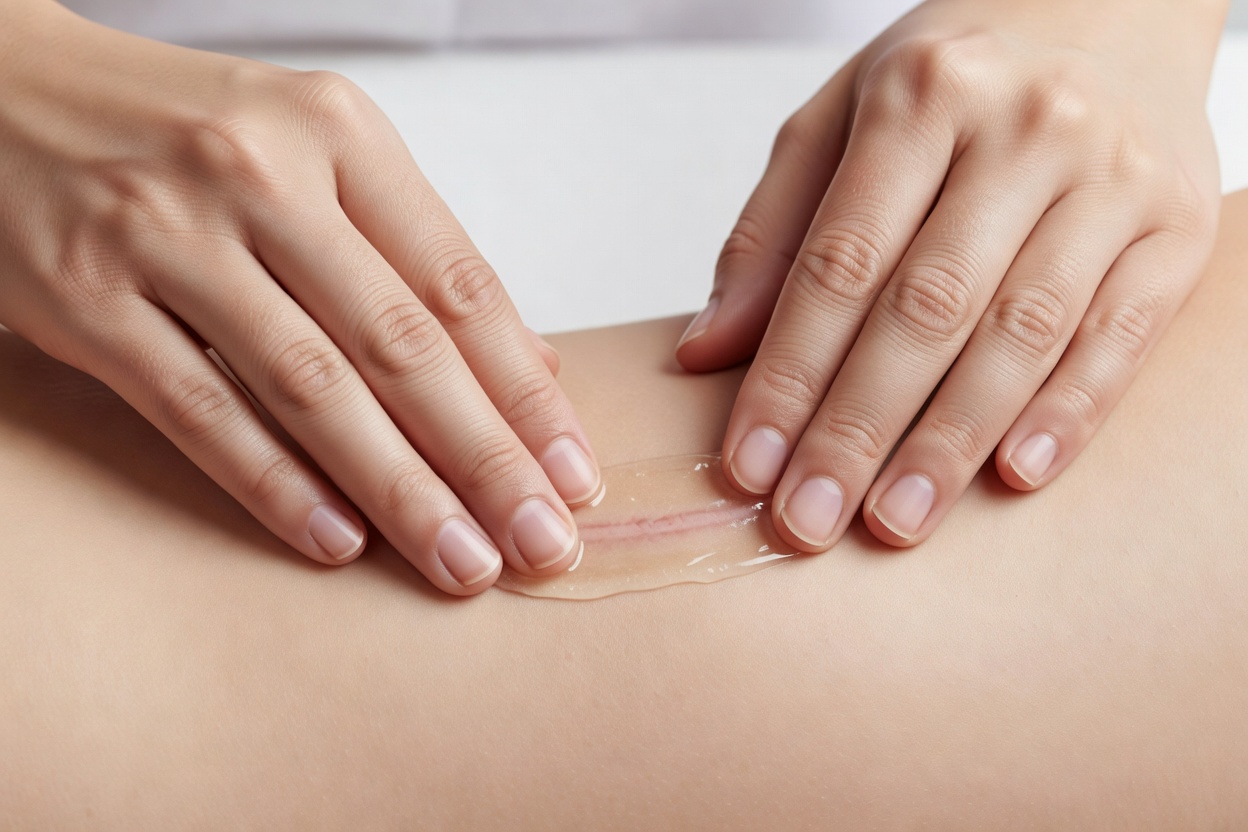
Red-Flag Symptoms Requiring Immediate Attention
Recognizing warning signs early can prevent serious issues. Contact your local physician or return to the emergency department if you experience fever above 38°C, increasing redness or warmth around incisions, foul-smelling drainage, sudden severe swelling, shortness of breath, chest pain, or uncontrolled bleeding. Persistent nausea, dizziness, or vision changes also warrant prompt evaluation. Keep your overseas surgeon’s contact information accessible and share photos of any concerning symptoms when possible.
Integrating with Local Follow-Up Care
Arrange a follow-up appointment with a board-certified local plastic surgeon within seven to ten days of returning home. Bring all operative notes, medication lists, and discharge instructions from your international provider. Reliable directories include the American Society of Plastic Surgeons and similar national organizations. Discuss any ongoing concerns and request referrals for physical therapy or lymphatic drainage massage if recommended. Maintaining open communication between your local and overseas teams ensures continuity of care.
Step-by-Step Aftercare Checklist
- Day 1-3: Rest in a clean environment, monitor drains if present, apply ice packs as directed, and take prescribed medications on schedule.
- Day 4-7: Introduce light walks, maintain high-protein nutrition, and begin gentle skincare.
- Week 2: Start scar massage once cleared, continue sun protection, and attend first local follow-up.
- Week 3-4: Increase walking duration, monitor for complications, and gradually resume work-from-home tasks.
- Week 5-8: Follow surgeon guidance on returning to exercise and social activities.
Sample Weekly Schedule
Monday: Morning cleanse and moisturizer, protein-rich breakfast, two 15-minute walks, evening scar care. Tuesday: Repeat skincare, add lymphatic drainage self-massage, focus on hydration. Wednesday through Sunday follow similar patterns with increasing activity as energy permits, always listening to your body and adjusting based on swelling levels.
Common Mistakes to Avoid
Many patients underestimate the impact of travel fatigue and resume normal routines too quickly. Other frequent errors include skipping sunscreen, using unapproved skincare products, ignoring nutrition, or failing to schedule local follow-ups. Learning from these pitfalls helps ensure smoother recoveries.
FAQ: Common Concerns Like Swelling and Sun Protection
How long does swelling typically last? Initial swelling peaks around day three and largely resolves within two to four weeks, though subtle swelling can persist for three to six months depending on the procedure.
When can I wear makeup again? Most patients wait 10-14 days or until incisions are fully closed; always use non-comedogenic, mineral-based products.
What sun protection strategies work best? Combine daily SPF 50 mineral sunscreen with wide-brimmed hats and protective clothing; consult Mayo Clinic sun safety guidelines for additional tips.
How soon can I fly again? Most surgeons recommend waiting four to six weeks and obtaining medical clearance before any long-haul travel.
Are there emotional aspects to recovery? Yes, post-surgical blues are common; maintain social support and consider light mindfulness practices during downtime.
Conclusion
Implementing these detailed home aftercare routines empowers patients returning from cosmetic surgery travel to achieve optimal aesthetic results while reducing complication risks. Consistency, patience, and proactive communication with healthcare providers form the foundation of successful recovery. For additional travel health recommendations, refer to World Health Organization travel advice and CDC traveler health resources. Always consult your personal medical team for advice tailored to your specific procedure and health status.


No comments yet. Be the first!