 Veda Tour
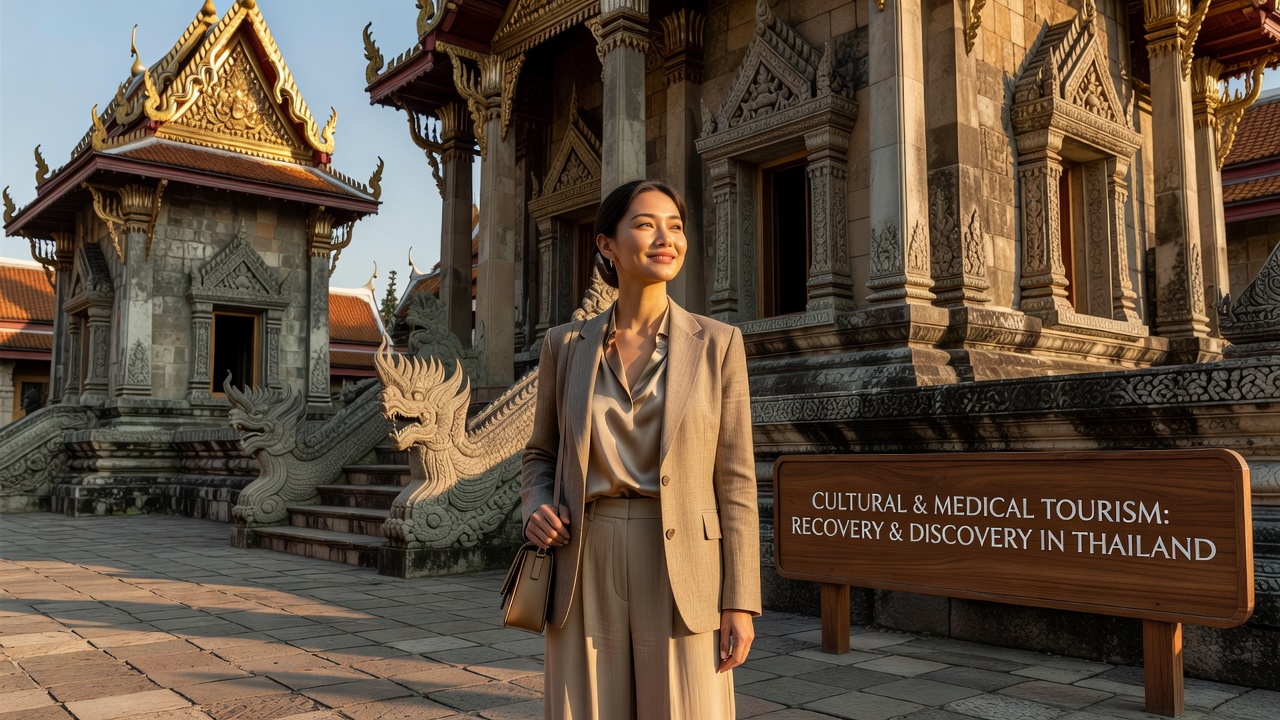
Introduction: Merging Healing with Cultural Enrichment
Patients seeking cosmetic procedures increasingly view medical travel as an opportunity for holistic renewal. In 2026, blending cosmetic surgery with cultural experiences allows individuals to recover while immersing themselves in heritage, art, and local traditions. This approach supports both physical healing and mental well-being when planned carefully. Medical tourism has evolved beyond simple procedures. Travelers now prioritize destinations where advanced clinics coexist with rich cultural landscapes. Whether recovering from a facelift or dental implants, thoughtful scheduling ensures safety while delivering memorable experiences. The appeal lies in transforming what could be a stressful recovery into a balanced journey of self-improvement and discovery. Many patients report feeling more satisfied when their trip includes elements of exploration rather than confinement to a hotel room.
Understanding search intent reveals that individuals want guidance on balancing rest with enrichment. They seek destinations that offer both medical excellence and opportunities for gentle cultural engagement. This comprehensive approach addresses common concerns about downtime, mobility limitations, and the desire for meaningful travel memories.
Why Combine Cosmetic Surgery and Cultural Travel?
Recovery periods after procedures like facelifts or dental work often involve rest, yet complete isolation can feel monotonous. Incorporating low-impact cultural activities provides gentle stimulation that aids emotional recovery. Studies from health organizations highlight the benefits of balanced routines during post-operative phases. This combination reduces the sense of medical travel as purely clinical. Instead, patients return home with new perspectives alongside aesthetic improvements. Popular pairings include procedures in countries known for both medical excellence and UNESCO sites. The psychological boost from cultural immersion can enhance overall satisfaction and even support faster healing through reduced stress levels. Patients often describe the experience as life-changing when they return with both enhanced appearance and broadened horizons.
Selecting Destinations with Rich Heritage and Quality Care
Ideal locations feature accredited clinics alongside accessible cultural sites. Thailand offers world-class facilities near ancient temples and markets. Turkey combines advanced cosmetic centers with Byzantine and Ottoman landmarks. Mexico provides modern dental clinics close to historic colonial towns. South Korea stands out for its cutting-edge technology paired with vibrant traditional villages and palaces. Brazil offers renowned surgeons alongside rich samba culture and coastal heritage sites. Research local regulations and clinic credentials before booking. Consider climate, as moderate temperatures support comfortable recovery. Always verify that the destination aligns with your procedure type and personal mobility needs. Look for cities with reliable public transport or private drivers to minimize physical strain during the recovery window.
Timing Sightseeing for Safe Recovery
Timing is critical. Most patients require 7–14 days of limited activity after facial procedures. Gentle walks around historic districts can begin around day 10, while more active exploration waits until week three. Dental work often allows shorter timelines, with light cultural visits possible within five days. Body contouring procedures may demand longer indoor rest periods before venturing out. Consult your surgeon for personalized guidelines. Build buffer days into the itinerary to accommodate any unexpected swelling or fatigue. Monitor daily progress and adjust plans based on how your body responds. Early mornings or late afternoons often prove ideal for avoiding crowds and heat.
Pairing Specific Procedures with Local Experiences
Facelifts pair well with relaxed museum visits or garden tours. Dental implants suit scenic boat rides or shaded café culture. Rhinoplasty recovery benefits from indoor cultural performances rather than outdoor heat. Breast augmentation patients may enjoy guided art gallery walks once initial swelling subsides. These pairings keep the mind engaged without straining the body. Patients often report higher satisfaction when recovery includes meaningful activities. Matching the intensity of the outing to the specific procedure helps maintain safety while maximizing enjoyment.
Practical Steps for Itinerary Planning
- Consult your surgeon and obtain a detailed recovery timeline with specific activity restrictions.
- Choose a destination with both medical accreditation and cultural depth that matches your interests.
- Book flexible accommodations near clinics and attractions to reduce travel time between locations.
- Schedule procedures early in the trip to allow maximum recovery time before cultural outings begin.
- Arrange private transfers and guided tours with mobility accommodations such as wheelchair access if needed.
- Include rest days between activities and monitor health daily through journaling or apps.
- Prepare contingency plans for weather changes or minor complications that could alter the schedule.
- Coordinate with a medical tourism facilitator who understands both healthcare and cultural logistics.
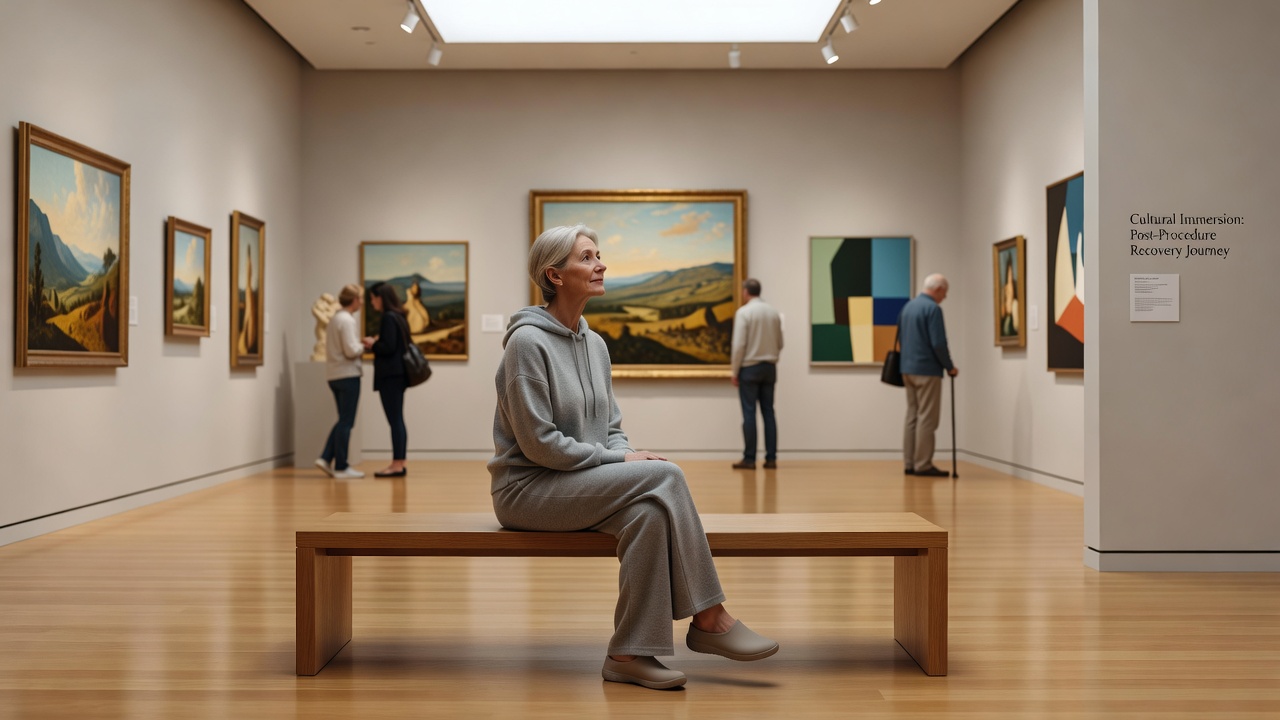
Examples of Low-Impact Cultural Outings
- Guided walking tours of historic neighborhoods at a slow pace with frequent rest stops.
- Visits to art galleries or indoor museums with seating areas and climate control.
- Attending traditional music performances in comfortable venues with reserved seating.
- Relaxed tea ceremonies or cooking demonstrations that allow seated participation.
- Scenic drives through cultural landscapes with photo stops from the vehicle.
- Virtual reality or audio-guided heritage experiences when physical movement remains limited.
Recovery-Friendly Tips for Cultural Travelers
Stay hydrated and protect incisions from sun exposure with hats and sunscreen. Wear loose, comfortable clothing suitable for cultural sites and easy movement. Carry medical documentation and emergency contacts at all times. Choose accommodations with elevators and accessible bathrooms. Schedule follow-up virtual check-ins with your surgeon. Listen to your body and adjust plans accordingly. Many clinics now offer concierge services that coordinate both medical and cultural logistics. Avoid alcohol and heavy meals that could interfere with medications. Pack a small recovery kit including compression garments, pain relief, and wound care supplies. Engage in light stretching recommended by your medical team before attempting longer outings.
Health Precautions and Safety Measures
Traveling after surgery requires vigilance. Follow all post-operative instructions precisely and avoid activities that raise blood pressure. The World Health Organization emphasizes the importance of hygiene and monitoring for infection signs. Carry copies of medical records and maintain open communication with both your home doctor and the overseas clinic. Consider travel insurance that covers medical complications abroad. Stay connected with family members who can assist if issues arise. Prioritize rest over rigid schedules to prevent setbacks.
Frequently Asked Questions
How soon after surgery can I visit cultural sites?
Light indoor visits are often possible after 7–10 days, depending on the procedure. Always follow your surgeon’s advice and start with short durations.
Are there health risks when traveling post-surgery?
Yes, risks include swelling, infection, and fatigue. The Centers for Disease Control and Prevention recommends monitoring symptoms and avoiding strenuous activity during early recovery stages.
Which procedures work best with cultural travel?
Facelifts, dental work, and minor body contouring are popular choices when paired with gentle activities that respect healing timelines.
What should I pack for a combined trip?
Include compression garments, sun protection, medications, comfortable walking shoes, and copies of all medical documentation.
How do I choose a reliable clinic abroad?
Verify international accreditations, read recent patient reviews, and request virtual consultations before committing to travel.
Conclusion
Blending cosmetic surgery with cultural travel creates a transformative experience when executed thoughtfully. By prioritizing safety, selecting suitable destinations, and planning low-impact activities, patients enjoy both aesthetic results and personal enrichment in 2026. Start with professional medical advice and build a flexible itinerary that honors your recovery needs. This integrated approach turns a medical journey into a rewarding adventure that supports long-term well-being.
No comments yet. Be the first!