 Veda Tour
Introduction to Ayurvedic Thyroid Management
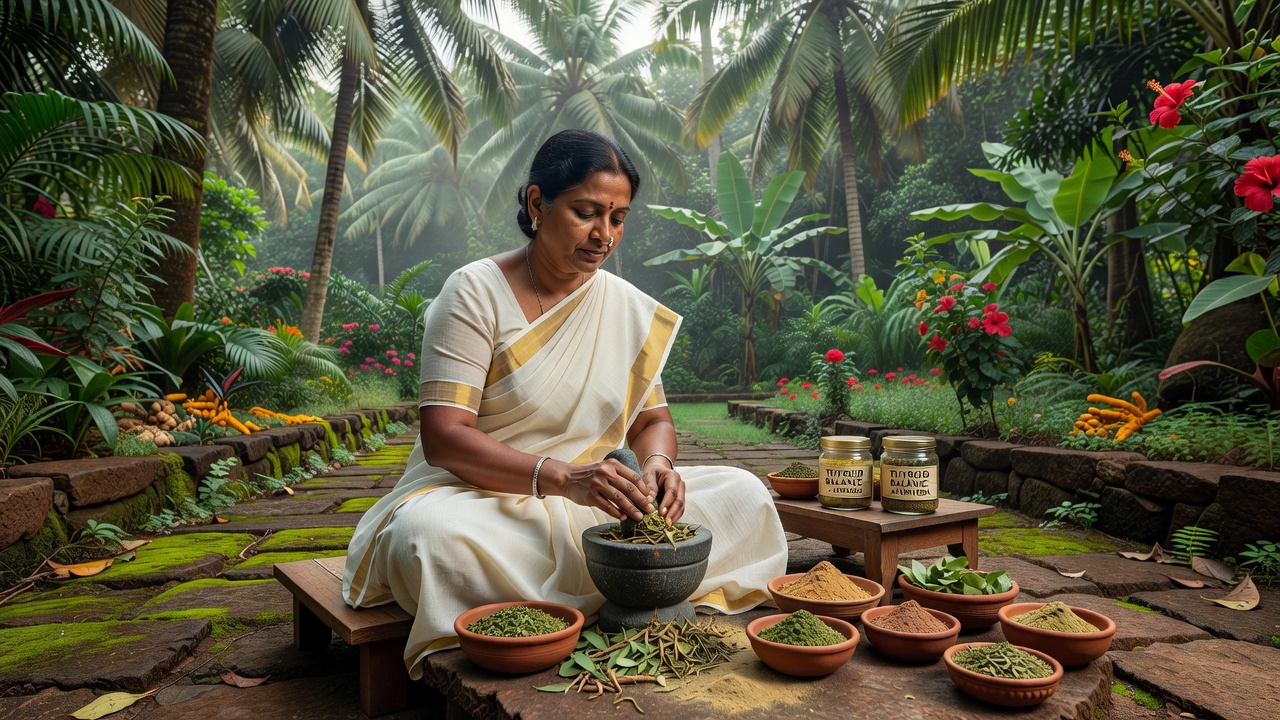
Thyroid imbalances affect millions worldwide, and in India, many turn to Ayurveda for holistic Vedic healing approaches. This ancient system focuses on balancing the doshas—Vata, Pitta, and Kapha—while supporting Agni, the digestive fire essential for hormone regulation. As of 2026, Ayurvedic clinics across India continue to integrate traditional practices with modern insights for sustainable results. Unlike conventional treatments that often rely solely on medication, Ayurveda addresses root causes through personalized herbs, diet, and lifestyle. Readers seeking natural India Ayurveda solutions will find practical guidance here beyond standard care. The growing interest in Vedic methods stems from their emphasis on prevention and whole-body wellness rather than isolated symptom management.
Understanding Doshas and Thyroid Health
In Vedic healing, thyroid issues often stem from aggravated Vata or Kapha doshas disrupting metabolism. Practitioners assess individual prakriti to tailor therapies that restore equilibrium and enhance hormone production. Vata imbalances may lead to underactive thyroid symptoms like fatigue and dryness, while Kapha excess contributes to weight gain and sluggishness. Pitta types might experience inflammation-related fluctuations. Detailed pulse diagnosis and tongue examination help identify these patterns early, allowing customized interventions that conventional blood tests alone cannot provide.
Key Herbs for Thyroid Support
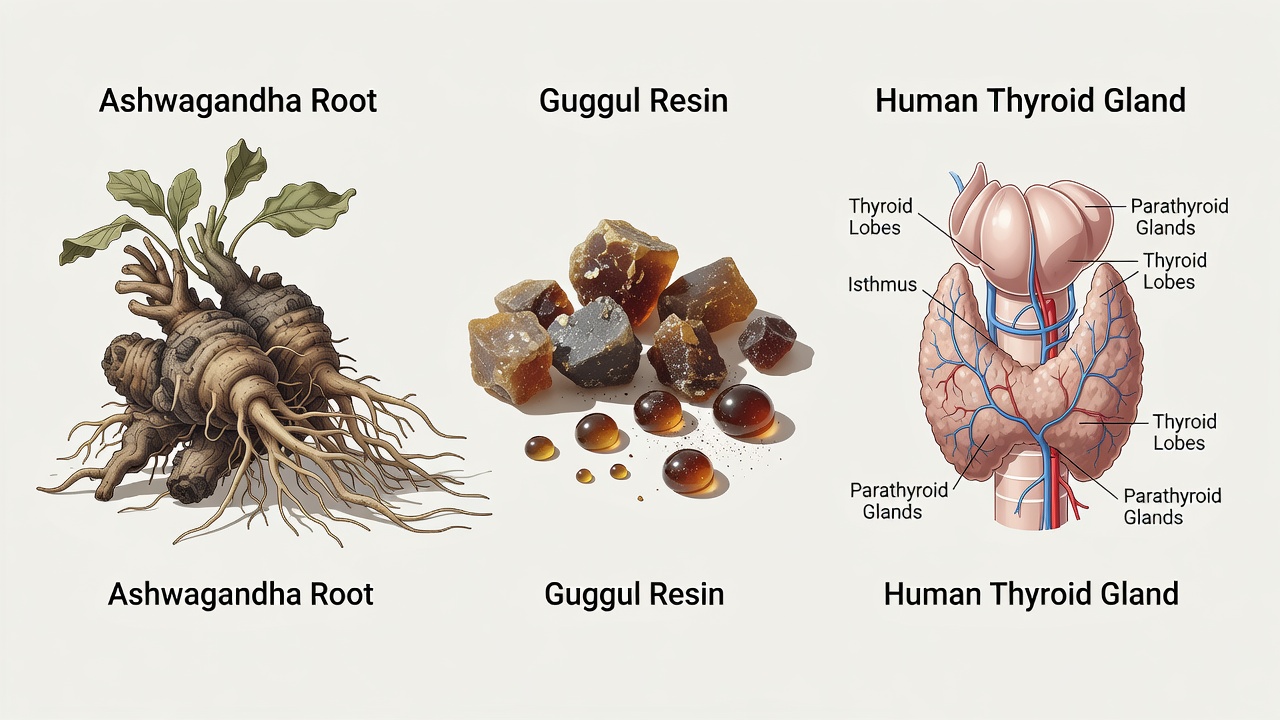
Ashwagandha serves as a primary adaptogen, helping regulate cortisol and thyroid hormones. Taken as powder or capsules, it supports adrenal function and reduces stress-induced thyroid suppression. Guggul promotes detoxification and supports thyroid function by stimulating metabolism through its resinous compounds. Other supportive herbs include brahmi for cognitive clarity during hormonal shifts and shatavari for women experiencing menopausal thyroid changes. These are commonly prescribed in Indian clinics with dosages adjusted per dosha and monitored through follow-up consultations. Learn more from NCBI resources on herbal efficacy in endocrine health.
Dietary Adjustments to Support Agni
Optimizing Agni involves warm, easily digestible foods. Favor spices like turmeric, ginger, and cumin while avoiding cold or processed items. Sample daily meals include spiced lentils for breakfast, steamed vegetables with ghee for lunch, and light soups in the evening. Incorporate thyroid-friendly ingredients such as seaweed alternatives like spirulina when available, and seasonal fruits like apples and pears. Patients are advised to eat mindfully in a calm environment to enhance digestion. Over six weeks, many report improved energy when eliminating dairy and refined sugars, which can dampen Agni in Kapha-dominant individuals.
Step-by-Step Daily Routines
Consistency forms the foundation of Vedic thyroid healing. A typical routine begins at sunrise with tongue scraping and warm water infused with lemon or cumin. Follow with abhyanga oil massage using sesame or coconut oil to ground Vata. Mid-morning herbal teas like ginger-tulsi support digestion. Afternoon includes light walks after meals to stimulate circulation. Evening wind-down features journaling and herbal baths. These steps, practiced diligently, help regulate circadian rhythms tied to hormone cycles. Clinics in India often provide personalized charts based on initial assessments.
- Rise early and perform oil massage with sesame oil for 10 minutes.
- Practice pranayama for 15 minutes to oxygenate tissues.
- Consume herbal decoctions mid-morning to kindle Agni.
- Follow with balanced meals aligned to your dosha type.
- Wind down with meditation before bed to reduce cortisol.
Recommended Yoga Asanas
Yoga directly stimulates the thyroid gland through inversion and neck stretches. Sarvangasana improves blood flow to the neck region. Halasana enhances flexibility and detoxification. Setu Bandhasana opens the chest and balances endocrine activity. Additional poses like Matsyasana and Ustrasana provide complementary benefits. Beginners should hold each asana for 30 seconds, gradually increasing duration under guidance. Regular 20-30 minute sessions five days a week yield noticeable improvements in energy and mood within a month, as documented in wellness centers throughout Rajasthan and Kerala.
- Sarvangasana (Shoulder Stand) to stimulate the thyroid gland.
- Halasana (Plow Pose) for improved circulation.
- Setu Bandhasana (Bridge Pose) to balance hormones.
- Matsyasana (Fish Pose) for throat chakra activation.
Breathing Exercises and Meditation Practices
Pranayama techniques such as Ujjayi and Bhramari calm the nervous system and indirectly support thyroid function by lowering stress hormones. Alternate nostril breathing balances both hemispheres of the brain. Daily meditation for 10-15 minutes fosters mental clarity, reducing emotional triggers that exacerbate imbalances. Indian retreats often combine these with sound therapy using Vedic chants for deeper relaxation.
Comparing Ayurvedic and Conventional Approaches
Conventional medicine excels in rapid symptom control via levothyroxine, while Ayurveda emphasizes long-term prevention and lifestyle integration. Many patients combine both for optimal outcomes, as seen in integrative Indian wellness centers. Side effects from synthetic hormones can sometimes be mitigated by adding Ayurvedic support, though coordination between practitioners remains essential. Reference WHO guidelines for integrative health strategies.
Case Examples from Indian Clinics
At a Kerala-based Ayurvedic center, a 42-year-old Kapha-dominant patient reduced TSH levels through guggul and yoga over three months. Another Vata case in Rajasthan reported improved energy via ashwagandha routines and dietary shifts. A third example from a Pune clinic involved a Pitta woman who combined brahmi with stress-reduction practices, achieving stable hormone levels after consistent six-week protocols. These real-world applications highlight the adaptability of Vedic methods across diverse body types and regions.
Safety and Precautions
While generally safe, Ayurvedic treatments require supervision from certified vaidyas. Pregnant individuals or those on blood thinners should exercise caution with guggul. Always disclose current medications to avoid interactions. Regular lab monitoring ensures progress without complications.
FAQ Section
How long until results appear?
Most notice improvements within 4-8 weeks with consistent adherence to routines and herbs.
Is it safe alongside medication?
Yes, under professional supervision, but always consult your physician first before combining approaches.
What if symptoms persist?
Reassess dosha balance with an experienced Ayurvedic doctor for adjustments to the protocol.
Are there age restrictions?
Therapies are suitable for adults and can be adapted for seniors with modified yoga sequences.
Can children use these methods?
Pediatric applications exist but require specialized pediatric Ayurvedic expertise.
Conclusion
Ayurveda offers profound Vedic tools for thyroid balance in India 2026. By embracing herbs, diet, routines, and yoga, individuals achieve lasting wellness naturally. Start your journey with qualified practitioners for personalized Vedic healing that complements modern understanding.


No comments yet. Be the first!