 Veda Tour

Introduction to Ayurvedic Heart Health
Ayurveda, the ancient Indian system of medicine, offers profound insights into cardiovascular wellness by addressing root causes through dosha balance. In 2026, Vedic healing principles continue to resonate with modern readers seeking holistic alternatives or complements to conventional cardiology. This guide examines dosha imbalances, key herbs, diets, and practices drawn from India's Ayurveda traditions while integrating contemporary insights. Cardiovascular disease remains a leading global health concern, and Ayurvedic methods emphasize prevention through personalized routines that consider individual constitution, lifestyle, and environmental factors. Readers will find actionable steps, real-world examples, safety considerations, and decision-useful details tailored for today's context, helping bridge traditional wisdom with evidence-based approaches.
Understanding Dosha Imbalances Linked to Heart Issues
In Ayurveda, the heart is governed primarily by the Vata and Pitta doshas, with Kapha playing a supportive role in maintaining structural integrity. Excess Vata can lead to irregular heart rhythms, anxiety-related strain, and feelings of instability in circulation. Aggravated Pitta may cause inflammation, high blood pressure, and emotional intensity that taxes the cardiovascular system. Kapha imbalance often manifests as plaque buildup, sluggish circulation, and weight-related pressure on the heart. Modern cardiology aligns with these observations; for instance, stress and chronic inflammation are recognized risk factors that correlate directly with dosha disturbances. Identifying your dominant dosha through a qualified practitioner involves pulse diagnosis, tongue examination, and detailed lifestyle questionnaires. This assessment helps tailor interventions effectively, preventing minor imbalances from escalating into serious conditions. For example, a person with a Vata-dominant constitution working in a high-stress job might experience palpitations during deadlines, signaling the need for grounding routines early on.
Key Herbs Such as Arjuna and Their Usage
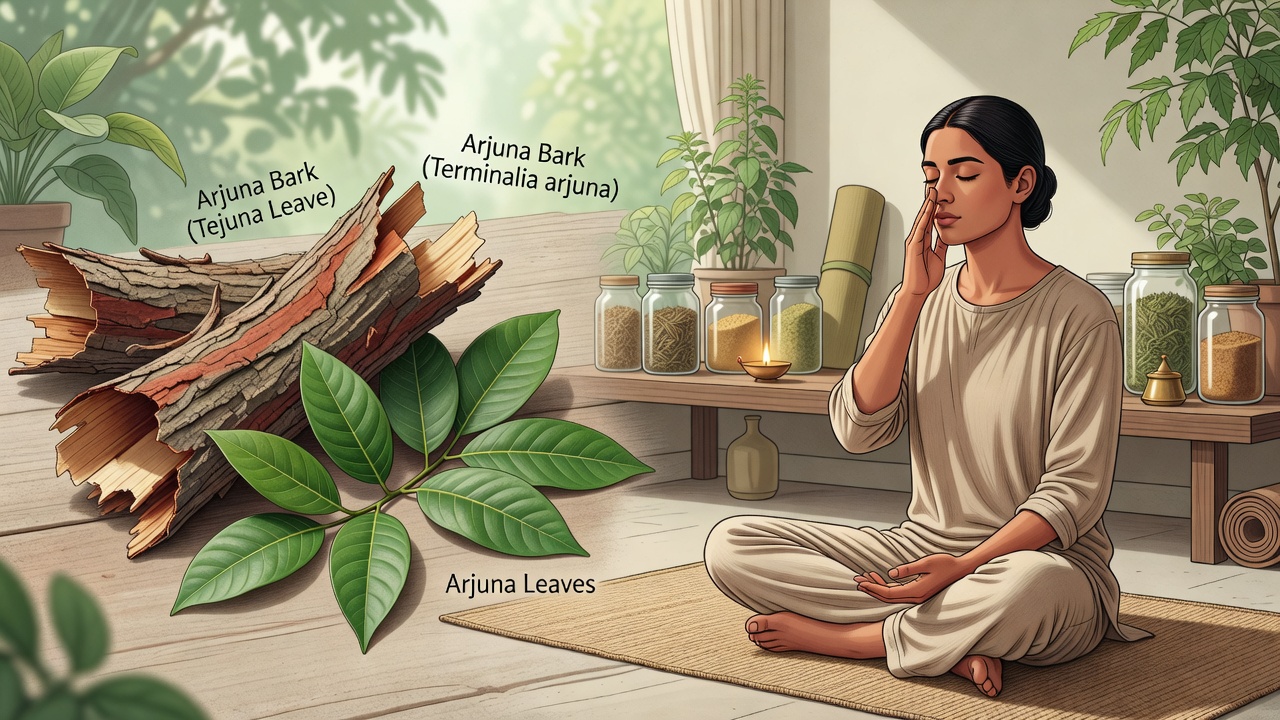
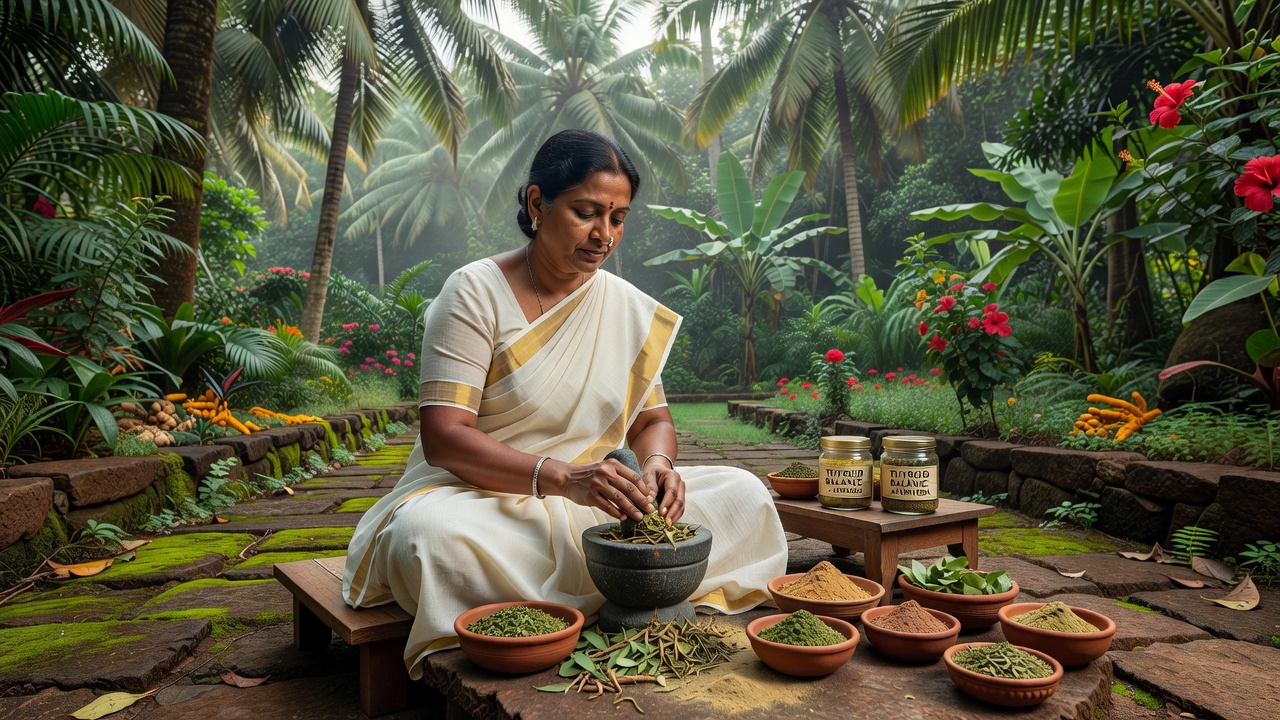
Terminalia arjuna, known as arjuna, stands out as a premier heart tonic in Vedic texts. It supports cardiac muscle strength, regulates blood pressure, and reduces cholesterol levels naturally. Typical usage involves preparing a decoction by boiling the bark in water or taking standardized tablets under professional guidance, often combined with other herbs like ashwagandha for stress reduction and brahmi for cognitive support. Additional supportive herbs include garlic for improving circulation and reducing arterial stiffness, turmeric for its potent anti-inflammatory curcumin content, and hibiscus flowers for mild blood pressure regulation. Preparations range from teas and powders to medicated oils for external massage. Always consult qualified Ayurvedic doctors before starting, especially when combining with medications, to monitor for any interactions and ensure proper dosing based on individual needs.
Supportive Diet Plans from Ayurvedic Traditions
A heart-friendly Ayurvedic diet focuses on fresh, seasonal foods that pacify imbalanced doshas while providing essential nutrients. For Vata types, warm soups, cooked grains like oats and rice, and nourishing fats such as ghee provide grounding and moisture. Pitta individuals benefit from cooling foods like cucumbers, leafy greens, coconut, and sweet fruits to reduce heat and inflammation. Kapha types thrive on light, spicy meals incorporating ginger, black pepper, and bitter greens to stimulate metabolism and clear congestion. Sample daily plan starts with warm lemon water upon rising, followed by a balanced lunch of whole grains, legumes, and steamed vegetables around midday when digestion peaks. Dinner should be lighter, perhaps a vegetable soup, ending with calming herbal teas like tulsi or cumin-coriander-fennel. Emphasize omega-rich seeds such as flax and chia, avoid processed sugars and heavy fried foods, and incorporate mindful eating practices. This approach complements evidence-based nutrition advice from sources like the World Health Organization and supports long-term heart resilience through consistent habits.
Breathing Exercises from India Ayurveda Traditions
Pranayama techniques such as Anulom Vilom (alternate nostril breathing) and Bhramari (humming bee breath) promote parasympathetic activation, lower blood pressure, and enhance mental clarity. Begin with Anulom Vilom by sitting comfortably, closing the right nostril and inhaling through the left, then switching sides for a balanced flow. Bhramari involves closing the ears and humming during exhalation to create a soothing vibration that calms the nervous system. Practice 10-15 minutes daily in a quiet space, ideally morning and evening, focusing on slow, deep inhalations and complete exhalations. Additional techniques like Ujjayi breath can be integrated during yoga to build internal heat and focus. These exercises improve oxygenation and emotional regulation, aligning with modern findings on mindfulness for heart health from the National Center for Complementary and Integrative Health.
Comparing Traditional Methods with Contemporary Cardiology
Traditional Ayurveda prioritizes prevention, lifestyle adjustments, and herbal support, whereas contemporary cardiology excels in acute interventions like stents, bypass surgeries, and statin therapies. Integration yields the best outcomes: use Ayurvedic routines for daily maintenance and stress management alongside regular medical check-ups and prescribed treatments when needed. Studies increasingly support this blended model for chronic conditions, showing improved patient adherence and reduced side effects. For instance, arjuna supplementation has been examined alongside standard care in clinical settings, highlighting synergistic benefits without replacing necessary pharmaceuticals.
Actionable Daily Routines and Case Examples
A comprehensive sample routine includes morning oil pulling with sesame oil for detoxification, midday balanced meals timed to digestive strength, evening pranayama sessions, and targeted herbal supplements. Physical activity might incorporate gentle walking or yoga tailored to dosha. One case involved a 52-year-old professional with elevated blood pressure who normalized readings after three months of arjuna tea twice daily, dosha-specific diet changes emphasizing warm Vata-pacifying foods, and consistent breathing practice, all monitored alongside conventional medical advice. Another example featured a 45-year-old experiencing stress-induced palpitations resolved through Vata-pacifying routines, reduced screen time before bed, and integration of ashwagandha, leading to better sleep and steadier heart rhythm within eight weeks.
Step-by-Step Implementation Guide
- Consult an Ayurvedic practitioner for a thorough dosha assessment and personalized recommendations.
- Incorporate arjuna and supportive herbs under supervision, starting with low doses for 4-6 weeks while tracking symptoms.
- Adopt a personalized diet by making one meal change daily, such as replacing processed snacks with fresh fruit or herbal infusions.
- Begin pranayama with 5-minute sessions twice daily, gradually increasing duration and adding variations as comfort grows.
- Track progress with weekly blood pressure logs, energy journals, and follow-up medical visits every four to six weeks.
- Adjust routines based on seasonal changes, body feedback, and life stressors to maintain balance year-round.
Common Mistakes to Avoid
Many beginners overlook the importance of professional guidance, leading to improper herb dosing or mismatched dietary choices. Another frequent error is expecting instant results; Ayurvedic approaches work cumulatively over months. Ignoring seasonal adaptations or combining treatments without oversight can also diminish benefits or cause unnecessary complications.
FAQ: Safety and Results in 2026
Is Ayurvedic treatment safe alongside modern medications? Yes, when supervised by qualified experts who coordinate care to avoid herb-drug interactions and ensure complementary effects.
How long until results appear? Many notice improvements in energy, sleep quality, and reduced anxiety within weeks, with measurable cardiovascular markers such as blood pressure and cholesterol shifting positively over three to six months of consistent practice.
Are there risks for certain conditions? Individuals with severe heart disease, recent surgeries, or pregnancy should prioritize conventional care first and integrate Ayurveda supportively under close medical supervision.
Where to access authentic Vedic healing in India? Reputable centers in Kerala and Rishikesh offer programs grounded in classical tradition, often including consultations, therapies, and educational workshops for sustainable results.
Conclusion
Ayurvedic treatment for heart health provides a comprehensive, time-tested framework that empowers individuals to take proactive steps toward cardiovascular wellness. By understanding doshas, embracing key herbs and diets, practicing breathing exercises, and thoughtfully integrating with modern cardiology, readers can create sustainable routines that enhance both physical and emotional resilience in 2026 and beyond.

No comments yet. Be the first!