 Veda Tour

Understanding PCOS Through an Ayurvedic Lens
Polycystic Ovary Syndrome (PCOS) affects millions of women worldwide, often presenting with irregular periods, weight fluctuations, acne, and fertility challenges. In 2026, many are turning to ancient Indian traditions for relief as modern lifestyles increasingly seek sustainable alternatives. Ayurveda views PCOS as an imbalance primarily in the Kapha and Vata doshas, leading to toxin buildup (ama) and disrupted hormonal flow. This comprehensive guide offers practical, dosha-specific approaches rooted in Vedic healing principles to restore balance naturally, addressing the root causes rather than just symptoms. Readers searching for natural hormonal balance alternatives will find detailed explanations, actionable steps, and comparisons that empower informed decisions.
Identifying your dominant dosha is the first step toward effective management. Kapha-dominant individuals may experience weight gain, lethargy, and sluggish metabolism, while Vata types often face anxiety, irregular cycles, and dryness. Pitta imbalances can manifest as inflammation, skin issues like acne, and excessive heat. A thorough consultation with an Ayurvedic practitioner, including pulse diagnosis and lifestyle assessment, helps tailor remedies effectively and avoids one-size-fits-all approaches common in generic advice.
Identifying PCOS-Related Dosha Imbalances with Practical Examples
Understanding how PCOS manifests in each dosha allows for targeted interventions. For instance, a Kapha-Pitta woman might notice heavy periods combined with oily skin and irritability, while a Vata-Kapha type experiences missed cycles and cold extremities. Practical examples include journaling symptoms alongside daily routines to spot patterns, such as increased cravings during stressful periods that aggravate Vata. This self-observation, combined with professional guidance, forms the foundation of Vedic healing tailored to individual constitutions in 2026 wellness practices.
Key Ayurvedic Herbs for Hormonal Balance
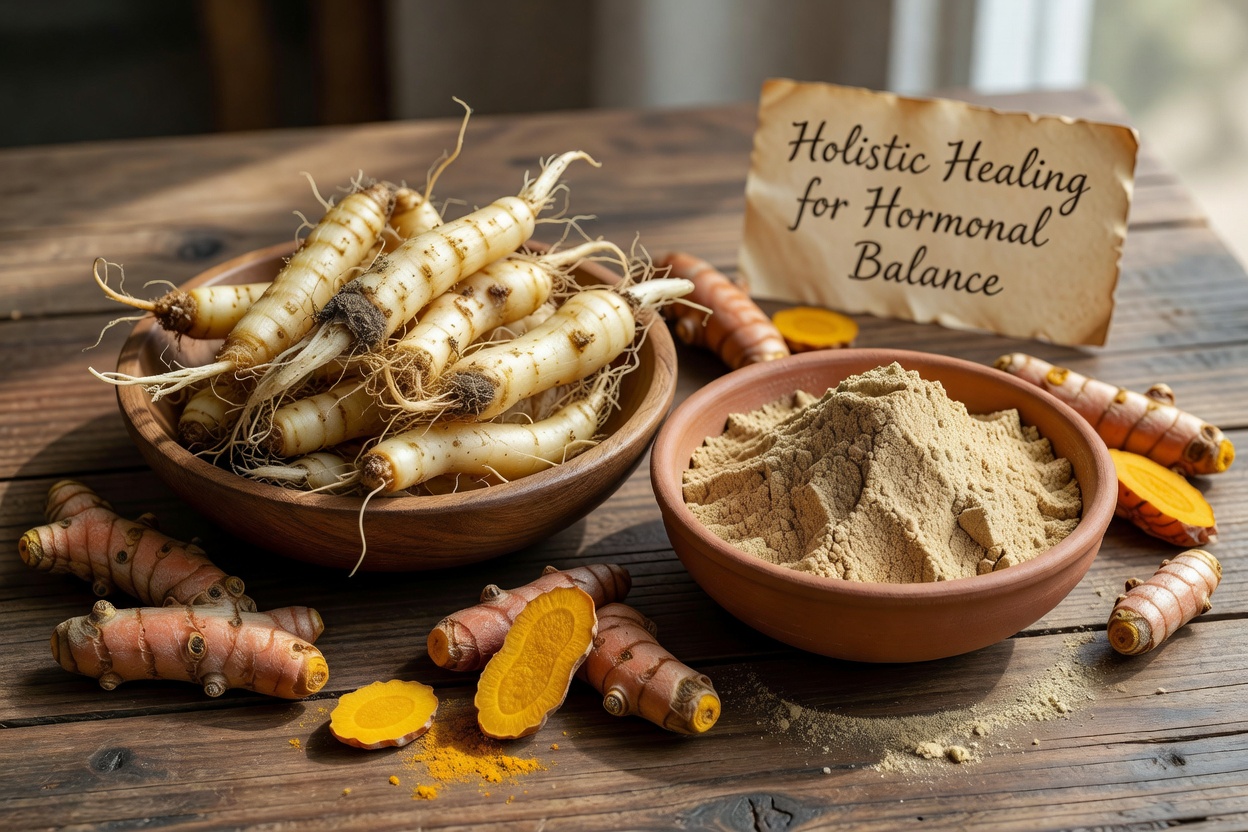
Herbal remedies form the cornerstone of treatment, drawing from centuries-old Vedic texts. Shatavari, known as the queen of herbs, supports reproductive health by nourishing the female reproductive system and balancing estrogen levels through its phytoestrogenic properties. Ashwagandha reduces stress-induced cortisol spikes that worsen PCOS symptoms by calming the nervous system. Turmeric aids in reducing inflammation via curcumin, while fenugreek helps regulate insulin resistance with its soluble fiber content. Additional supportive herbs include Guduchi for immunity and Triphala for gentle detoxification.
For best results, consume these under expert guidance with proper dosages and timings. A typical regimen might include shatavari powder mixed in warm milk at bedtime, or ashwagandha tea in the morning. Preparation methods matter—decoctions versus powders affect absorption. Always source high-quality, organic herbs from reputable suppliers in India to ensure purity and potency. Integrating these into daily life requires patience, as cumulative effects build over consistent use.
Learn more about herbal research from NCBI.
Nutrition and Detailed Step-by-Step Meal Plans
Ayurveda emphasizes sattvic foods that pacify aggravated doshas while supporting agni (digestive fire). Focus on warm, cooked meals over raw or cold items to prevent ama formation. Incorporate spices like cumin, coriander, and ginger to boost digestion and metabolism. Avoid processed sugars, excessive dairy, and cold beverages that can exacerbate Kapha.
A sample 7-day plan rotates balanced elements: Breakfast options include warm oatmeal with cinnamon and almonds for Vata balance or spiced millet porridge for Kapha. Lunch features quinoa khichdi with steamed vegetables, ghee, and herbs. Dinner consists of light lentil soup with turmeric and leafy greens. Snacks might involve roasted cumin seeds or herbal infusions. Hydrate with cumin-coriander-fennel water throughout the day. Track responses in a journal to refine the plan, ensuring variety prevents monotony while maintaining dosha alignment.
Yoga Sequences, Pranayama, and Daily Rituals
Regular yoga practice improves circulation, reduces stress hormones, and supports ovarian function. Recommended sequences begin with gentle warm-ups followed by poses like Supta Baddha Konasana for pelvic opening, Bhujangasana for hormonal stimulation, and adapted Surya Namaskar for energy without overexertion. Sessions of 30-45 minutes, three to five times weekly, yield noticeable benefits when combined with breathwork.
Pranayama techniques such as Nadi Shodhana balance the nadis and calm the mind, while oil therapies like Abhyanga (self-massage with warm sesame oil) promote detoxification before bathing. Perform this ritual in the morning, followed by a warm shower. Evening wind-downs might include meditation on Vedic mantras to align with natural circadian rhythms emphasized in 2026 holistic trends.
Lifestyle Adjustments for Fertility Support
Consistency in sleep (aiming for 10 PM to 6 AM cycles), stress management through journaling, and avoiding endocrine disruptors in plastics enhance fertility outcomes. Track your menstrual cycle alongside Ayurvedic lunar-aligned routines, such as lighter fasting on new moons, for better synchronization with natural rhythms. Incorporate walking in nature and digital detox periods to reduce cortisol.
Comparing Ayurveda to Allopathic Approaches
While conventional medicine often relies on medications like metformin or hormonal contraceptives for symptom control, Ayurveda targets root causes such as dosha imbalance without common side effects like weight gain or mood swings. Many women combine both for comprehensive care, using allopathic options for acute symptoms and Ayurveda for long-term wellness maintenance. This integrative model respects individual preferences and medical histories.
Explore PCOS overviews at Mayo Clinic.
Common Mistakes to Avoid and How to Overcome Them
- Self-diagnosing doshas without expert input—solution: schedule an initial assessment.
- Inconsistent herb usage leading to minimal results—solution: set daily reminders and track adherence.
- Ignoring dietary discipline during treatment—solution: meal prep sattvic recipes weekly.
- Overlooking emotional well-being—solution: add daily gratitude practices from Vedic traditions.
Integrating 2026 Wellness Trends with Vedic Principles
Current trends emphasize personalized wellness apps and sustainable sourcing, which align seamlessly with Ayurvedic customization. Virtual consultations with Indian practitioners and eco-friendly herb packaging reflect evolving practices while preserving authenticity.
Frequently Asked Questions
How long until results appear?
Most practitioners note improvements in 3-6 months with dedicated adherence to herbs, diet, and routines.
Is Ayurveda safe alongside medications?
Yes, when coordinated with healthcare providers to prevent interactions and monitor progress.
Can it support fertility effectively?
Many report enhanced ovulation and conception rates through holistic protocols addressing multiple factors.
What if I have no access to fresh herbs?
High-quality dried powders or capsules from trusted Indian suppliers serve as effective alternatives.
Reference global health perspectives via WHO.
Conclusion
Embracing Ayurvedic strategies offers empowering, sustainable paths for PCOS management in 2026. By integrating dosha-specific herbs, mindful nutrition, yoga, oil therapies, and Vedic rituals, women can achieve natural hormonal harmony and improved well-being. Start small with one or two changes, stay consistent, and consult professionals for personalized guidance on your journey toward lasting vitality.


No comments yet. Be the first!