 Veda Tour
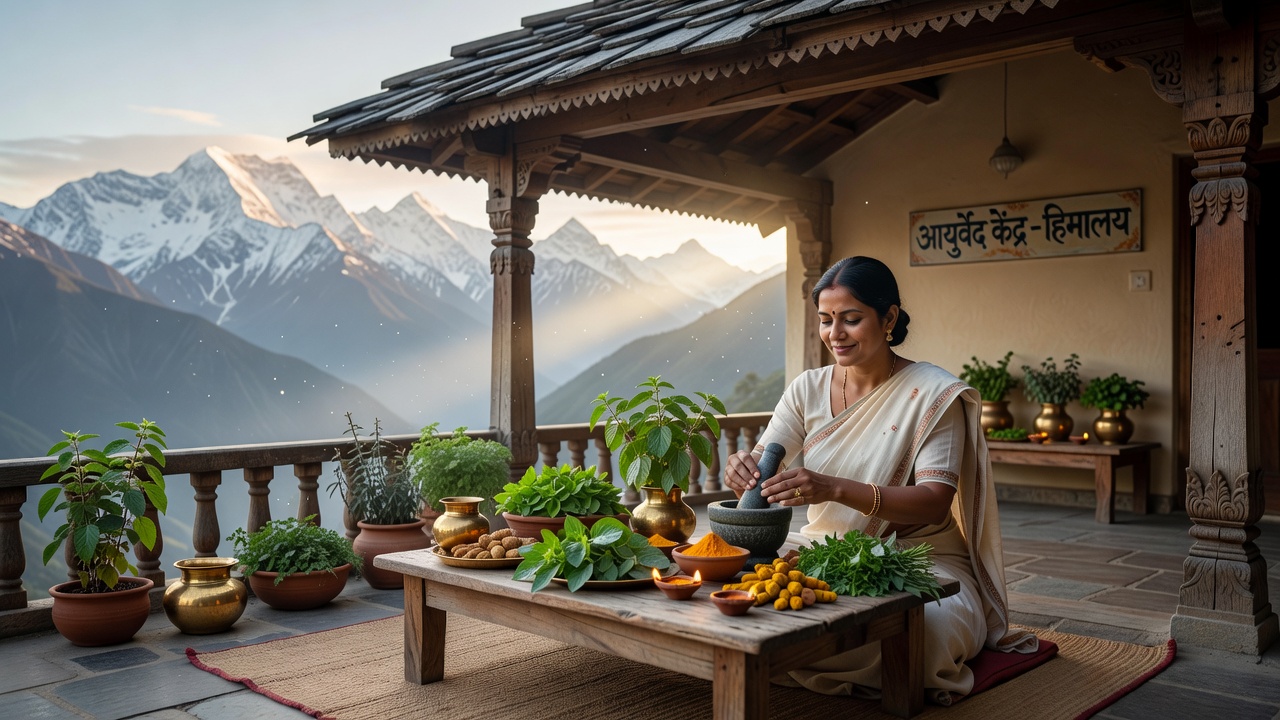
Understanding Allergies Through the Ayurvedic Lens
Seasonal allergies affect millions globally each year, with symptoms ranging from sneezing and congestion to itchy eyes and fatigue. In Ayurveda, these issues stem from imbalances in the three doshas rather than isolated external triggers. By addressing the root causes through personalized Vedic healing, individuals can achieve lasting relief. In 2026, interest in these natural methods continues to grow among those seeking alternatives to synthetic medications in India and beyond.
The Role of Doshas in Seasonal Allergies
Ayurveda identifies Vata, Pitta, and Kapha as the primary energies governing health. Kapha dosha, associated with earth and water elements, when aggravated by spring pollen or damp weather, produces excess mucus leading to rhinitis and sinus issues. Vata imbalances may cause dry, spasmodic coughs worsened by cold winds, while Pitta types often experience inflammatory skin reactions or burning sensations in the eyes. Practitioners begin with a detailed prakriti assessment involving pulse diagnosis and lifestyle questions to determine your unique constitution and current vikriti state.
Understanding your dosha profile allows targeted interventions. For example, Kapha-dominant individuals benefit from warming spices and vigorous movement, whereas Vata types require grounding routines with warm oils. This personalized framework distinguishes Ayurvedic care from one-size-fits-all conventional treatments.
Key Indian Herbs for Allergy Relief
India's biodiversity provides powerful medicinal plants. Tulsi, or holy basil, functions as an immunomodulator that reduces histamine responses while supporting respiratory health. Consuming fresh tulsi leaves or tea daily helps clear nasal passages. Turmeric contains curcumin, a potent anti-inflammatory compound that stabilizes mast cells and eases swelling. Combining turmeric with black pepper enhances absorption significantly.
Additional herbs include neem leaves for blood purification, ginger root to stimulate digestion and reduce phlegm, and licorice root for soothing irritated throats. Ashwagandha supports adrenal function and stress reduction, indirectly lowering allergy susceptibility. Always source organic herbs from reputable suppliers and consult practitioners for proper dosages and combinations.
Daily Routines and Self-Care Protocols
Following dinacharya builds resilience. Start the day before sunrise with tongue scraping and oil pulling using sesame oil for 10-15 minutes. Follow with abhyanga self-massage using warm sesame or coconut oil to nourish tissues and calm the nervous system. Gentle yoga sequences such as sun salutations or specific asanas like cobra pose and seated forward bends help mobilize lymph and balance Kapha.
Neti Pot Nasal Irrigation Protocol:
- Boil and cool distilled water to body temperature, mixing with one-quarter teaspoon non-iodized salt per cup.
- Fill the neti pot and stand over a sink with head tilted sideways.
- Insert spout into upper nostril and breathe steadily through the mouth as solution flows out the lower nostril.
- Repeat on the opposite side, then gently blow nose and perform drying breaths.
Use this practice three to four times weekly during peak allergy months. Complement with pranayama techniques like alternate nostril breathing to strengthen nasal passages and reduce reactivity.

Dietary Adjustments for Allergy Management
Food plays a central role in pacifying aggravated doshas. Favor warm, cooked meals over raw salads during allergy season. Include plenty of bitter greens, cooked apples with cinnamon, and soups spiced with cumin, coriander, and fennel. Avoid heavy dairy, refined sugars, cold beverages, and nightshades if Pitta is high. Sample daily menu: ginger-turmeric tea upon waking, quinoa porridge with almonds for breakfast, lentil stew with vegetables for lunch, and light khichdi for dinner. Track responses in a journal to refine choices over time.
Comparing Ayurvedic and Conventional Approaches
Conventional medicine excels at rapid symptom control through antihistamines and corticosteroids but often masks underlying imbalances and may produce side effects like drowsiness or dependency. Ayurvedic protocols emphasize prevention and whole-system balance via herbs, diet, and lifestyle, typically resulting in fewer seasonal recurrences. Many patients integrate both: using quick-acting conventional options during severe episodes while maintaining daily Ayurvedic routines for foundational wellness. Studies from traditional medicine bodies support this complementary model.
Real-World Examples from Indian Wellness Centers
Facilities across Kerala, such as those near Alleppey, offer customized Panchakarma programs featuring herbal oil massages, steam therapies, and nasya nasal treatments specifically for allergies. Guests commonly experience reduced symptoms after 10-14 days. In Rishikesh, Himalayan retreats combine Vedic chanting with dosha-specific diets and yoga therapy, reporting high satisfaction rates among international visitors. One case involved a software professional from Bangalore who resolved chronic spring allergies after a three-week program incorporating tulsi decoctions and neti practice, maintaining benefits through continued home routines.
Overcoming Common Challenges for Beginners
Starting can feel overwhelming, so begin with one or two practices like morning tea and weekly neti use. Consistency matters more than perfection. If herbs taste bitter initially, start with smaller amounts or sweetened infusions. Seek certified Ayurvedic doctors through recognized Indian associations to avoid low-quality products. Monitoring progress weekly helps adjust protocols effectively.
FAQ on Ayurvedic Allergy Treatment
How long does treatment typically take?
Initial improvements often appear within two to four weeks of steady adherence, while full dosha rebalancing may require three to six months depending on individual factors and symptom chronicity.
Is Ayurvedic treatment safe for everyone?
Yes for most people when guided by qualified professionals. Pregnant women, children, or those on medications should seek medical advice first. Resources from World Health Organization affirm the safety profile of many traditional herbs when used appropriately.
Can beginners start at home?
Yes. Foundational practices such as tulsi tea and basic nasal irrigation are accessible immediately. Professional guidance maximizes results and safety.
Are there any side effects?
Properly administered therapies rarely cause issues, though improper herb use or excessive detoxification may lead to temporary fatigue. Always follow expert recommendations.
Additional insights are available via National Center for Complementary and Integrative Health and India's Ministry of AYUSH portals.
Conclusion
Ayurvedic approaches offer practical, sustainable pathways to allergy relief by harmonizing doshas through herbs, routines, and diet. With consistent application in 2026, many find meaningful freedom from seasonal discomfort while embracing India's rich Vedic heritage. Begin gradually and consult experts to personalize your journey toward vibrant health.


No comments yet. Be the first!