 Veda Tour
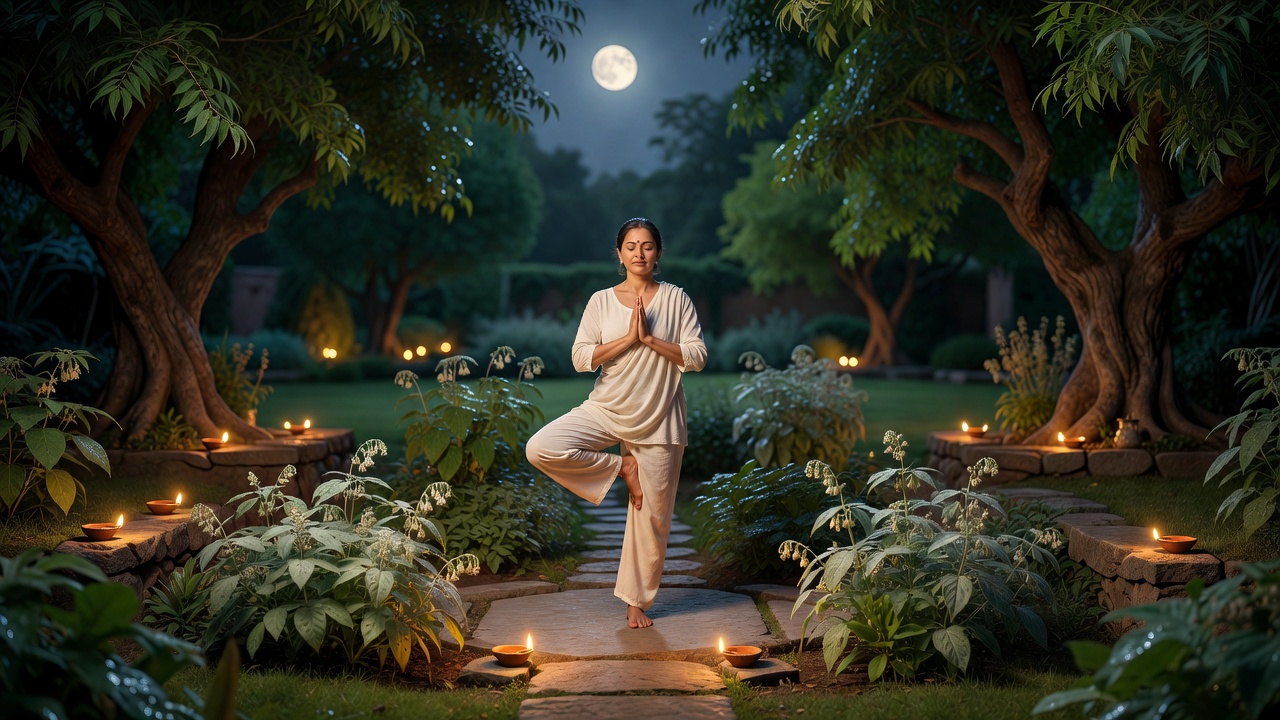
Understanding Insomnia Through an Ayurvedic Lens
Insomnia affects millions in India and worldwide, often stemming from modern stress, irregular schedules, and lifestyle factors. Ayurveda, the ancient Indian system of medicine, views sleep disturbances as imbalances in the doshas—vata, pitta, and kapha. In 2026, interest in holistic approaches continues to rise, with more people turning to Vedic healing practices for natural solutions. This comprehensive guide delves into practical Ayurvedic strategies tailored for those seeking relief in India, covering root causes, daily applications, and integration with contemporary life for lasting results.
Dosha Imbalances and Their Impact on Sleep
Vata imbalance often leads to restless nights, anxiety, and difficulty falling asleep due to excessive movement and dryness in the body. Pitta excess can cause night awakenings accompanied by heat, irritability, or vivid dreams from overheating the mind. Kapha dominance results in heavy, prolonged sleep yet morning grogginess because of accumulated inertia. Identifying your dominant dosha through consultation with an Ayurvedic practitioner helps customize rituals effectively. Many wellness centers in Kerala and Rajasthan offer personalized assessments based on pulse diagnosis, tongue examination, and detailed lifestyle questionnaires that reveal patterns over weeks or months of observation.
Key Herbs for Promoting Restful Sleep
Ashwagandha stands out for its adaptogenic properties, helping reduce cortisol levels and calm the nervous system when taken as a powder mixed in warm milk. Brahmi supports cognitive relaxation and memory while easing mental chatter before bed, often used in decoctions. Other supportive herbs include jatamansi for grounding and shankhapushpi for emotional balance. These are commonly available in Indian markets and incorporated into teas or tablets. Integrating them into evening routines amplifies their effects when combined with consistent timing and proper dosage guidance from certified practitioners who monitor progress.
Daily Dinacharya Routines for Better Sleep
Dinacharya, or daily routine, forms the foundation of Ayurvedic wellness and directly influences sleep quality. Wake early, ideally before sunrise around 5-6 AM, and incorporate oil pulling with sesame oil for oral detoxification followed by gentle stretching. Midday meals should be the largest to support digestion, avoiding heavy or late dinners after 7 PM. Wind down by 9 PM with dim lighting and no screens to align with natural circadian rhythms governed by the sun. In urban India, adapting these to demanding work schedules involves setting phone reminders for herbal intake, evening walks, and strict screen curfews starting two hours before bed. Afternoon routines may include short walks in nature or herbal infusions to maintain energy without evening crashes.
Supportive Yoga Poses and Dietary Adjustments
Poses like Supta Baddha Konasana, Legs-Up-The-Wall, and Child's Pose gently activate the parasympathetic nervous system to prepare the body for rest. Pair these with a diet rich in warm milk, almonds, saffron, and seasonal fruits while limiting caffeine after noon and spicy or fried foods in the evening. Indian wellness centers often demonstrate how incorporating local produce from nearby farms enhances these benefits through anti-inflammatory effects and better nutrient absorption for sustained energy levels.
Step-by-Step Evening Rituals
Begin your evening with a warm bath infused with lavender or sandalwood essential oils to relax muscles and release tension. Follow with self-massage using calming sesame or brahmi oils applied in circular motions on the feet, temples, and scalp for improved circulation. Sip a warm brahmi or ashwagandha tea while journaling three gratitudes from the day to shift focus from worries. Practice 10 minutes of alternate nostril breathing or gentle yoga sequences. Retire to a dark, cool room featuring soft bedding and perhaps a calming mantra or guided meditation track. Consistency practiced over several weeks yields noticeable improvements in sleep latency and duration while building long-term resilience.
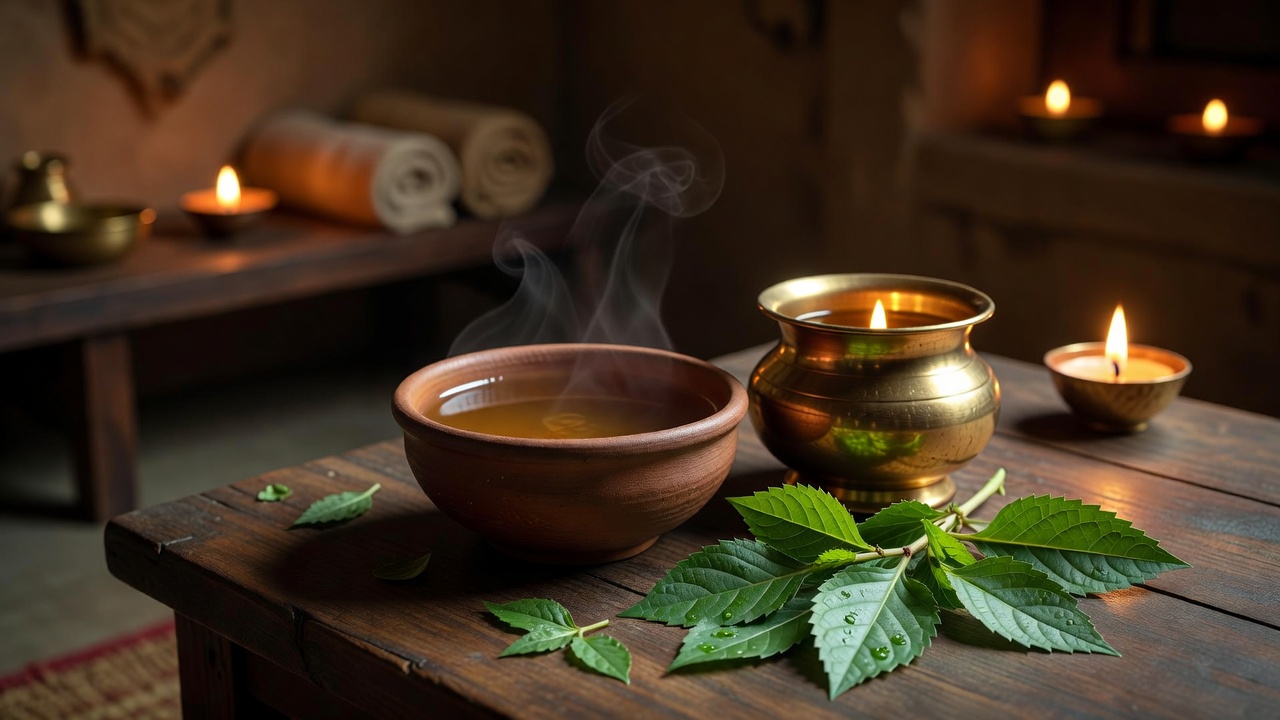
Comparing Oil Massages and Herbal Teas
Abhyanga oil massages deeply nourish tissues and ground vata energy, offering longer-lasting calm that can extend through the night compared to teas, which provide quicker but milder sedative effects suitable for immediate relaxation. Teas suit busy professionals for their convenience and ease of preparation, while massages excel in retreat settings where time allows full-body application. Many individuals find combining both approaches—starting with tea followed by a light five-minute foot massage—optimal for sustaining energy in 2026 holistic lifestyles that blend tradition with daily demands.
Practical Examples from Indian Wellness Centers
Centers in the Himalayas integrate Vedic chanting and sound therapy with sleep rituals, helping guests achieve deeper rest through vibrational healing that calms the mind. Coastal retreats in Goa emphasize marma point therapy and herbal steam baths tailored to individual doshas for targeted relief. Participants frequently report reduced reliance on pharmaceutical sleep aids within three to four weeks, highlighting Ayurveda's emphasis on prevention and sustainable habits over quick fixes in real-world applications.
2026 Trends in Holistic Rest
Emerging trends include personalized app-guided dinacharya trackers combined with traditional herbs, as well as eco-friendly retreats focusing on seasonal dosha resets. Urban clinics now offer virtual consultations for remote access to Vedic experts, making these practices more accessible across India.
Common Mistakes to Avoid
- Skipping consistent meal timings, which disrupts digestion and aggravates doshas leading to prolonged insomnia.
- Overusing stimulants like coffee or late-night digital devices that increase pitta heat and restlessness.
- Ignoring seasonal adjustments, such as heavier grounding foods in winter versus lighter options in summer.
- Combining multiple herbs without professional guidance, risking imbalances or reduced effectiveness.
How to Find Qualified Practitioners in India
Seek practitioners certified by recognized bodies and affiliated with established centers. Start with referrals from local Ayurvedic hospitals or verified directories to ensure authentic guidance tailored to your needs.
FAQs on Timelines and Modern Integration
Results typically emerge in two to four weeks with daily adherence to rituals and diet changes. Combining Ayurveda with modern habits like blue-light filters on devices works well for most people seeking balance. Always consult qualified professionals before mixing practices with existing medications. For deeper scientific perspectives, refer to resources from the World Health Organization on traditional medicine integration and the AYUSH Ministry guidelines available for public access. Additional studies on herbal efficacy can be explored via PubMed archives maintained by the National Institutes of Health.
Embracing these rituals fosters sustainable rest amid India's fast-paced environment while supporting overall vitality and mental clarity for years ahead.
No comments yet. Be the first!