 Veda Tour

Introduction to Ayurvedic Weight Loss
Ayurveda, the ancient Vedic system of medicine from India, offers a holistic approach to weight management that emphasizes balance, digestion, and personalized care. Unlike quick-fix diets, Ayurvedic weight loss focuses on identifying your unique constitution and addressing root causes such as slow metabolism or imbalanced doshas. In 2026, these time-tested practices continue to resonate with modern readers seeking natural, sustainable results without extreme calorie restriction or unsustainable fads.
This comprehensive guide explores Vedic healing principles tailored for today’s lifestyle, including dosha identification, metabolism-boosting herbs, daily routines, yoga sequences, seasonal detox strategies, and practical meal plans. By integrating these elements, individuals can achieve healthy fat reduction while improving overall vitality. Readers will also find step-by-step implementation guides, real-world examples, comparisons to conventional methods, and answers to common beginner questions.
Identifying Your Dosha for Personalized Weight Loss
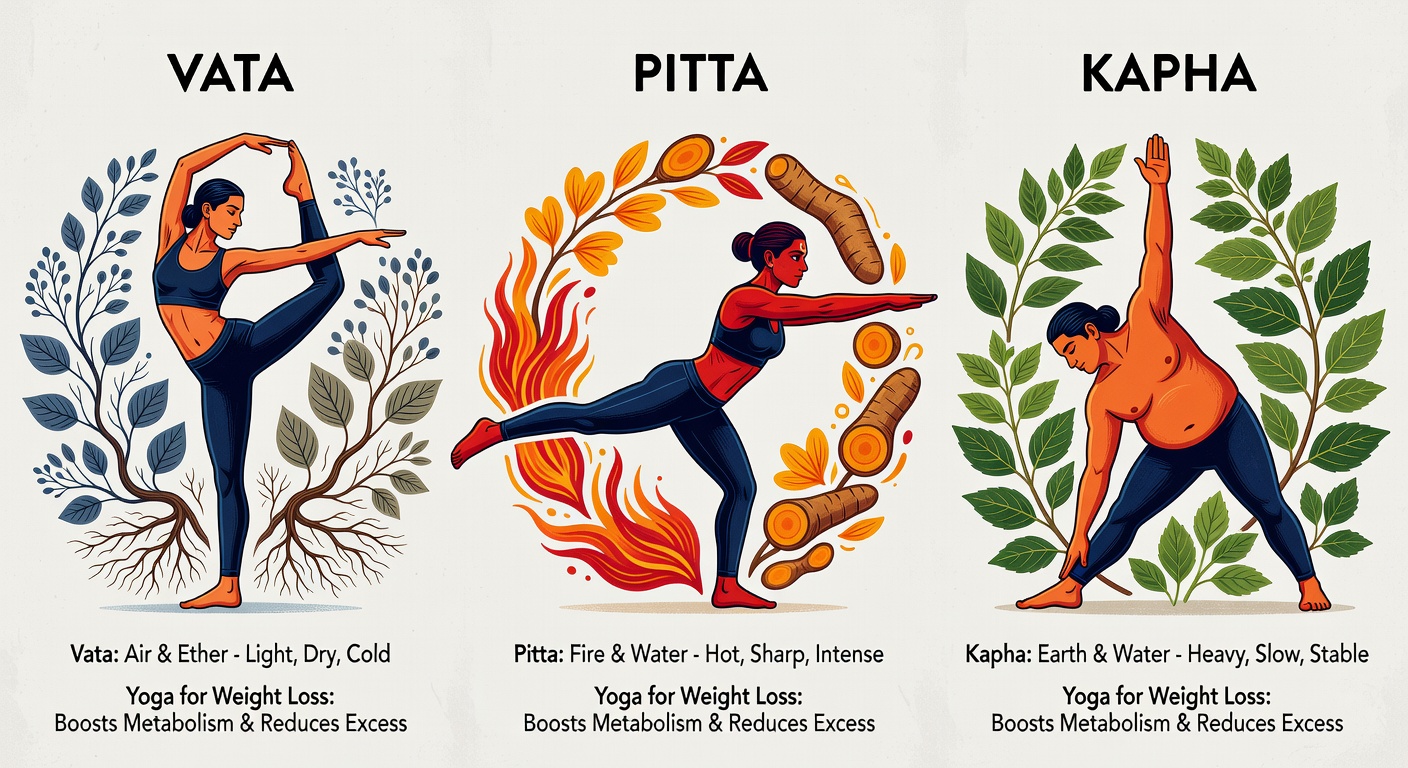
Ayurveda classifies body types into three doshas: Vata, Pitta, and Kapha. Excess Kapha often leads to weight gain due to its heavy, slow qualities. Begin by assessing your dominant dosha through self-observation of physical traits, digestion patterns, sleep habits, and emotional tendencies. Vata types are typically slender with dry skin and variable digestion, Pitta types have medium builds with strong appetites and sharp intellects, while Kapha types tend toward sturdier frames, oily skin, and slower metabolism.
Accurate dosha identification forms the foundation of effective Vedic weight management. Consider keeping a journal for one week noting how you feel after meals, your energy fluctuations, and responses to weather changes. Professional pulse diagnosis or online dosha quizzes validated by Ayurvedic sources can provide further clarity. Once identified, tailor every aspect of your routine accordingly to prevent imbalances that sabotage weight goals.
Dosha-Specific Diets for Sustainable Results
Customized nutrition is central to Ayurvedic healing. For Kapha-dominant people aiming to lose weight, emphasize bitter, pungent, and astringent tastes while minimizing sweet, sour, and salty foods. Incorporate plenty of vegetables, legumes, and spices like ginger, black pepper, and turmeric. Vata types should favor warm, moist, and grounding meals such as cooked root vegetables with ghee, while Pitta types thrive on cooling foods like cucumber, coconut, and leafy greens in moderation.
Step-by-step implementation: Start your day with warm lemon water flavored with a pinch of ginger. Choose breakfasts like spiced millet porridge or oatmeal with cinnamon. Lunch should be the largest meal, featuring steamed greens, quinoa, and a small portion of lean protein. Dinner remains light, such as vegetable soup consumed before 7 PM. Track progress weekly by noting energy levels, digestion quality, and clothing fit rather than scale weight alone. Example: A Kapha person might replace evening rice with cauliflower rice stir-fried with mustard seeds for better results.
Metabolism-Boosting Herbs: Triphala and Guggul
Traditional herbs play a vital role in enhancing agni (digestive fire). Triphala, a blend of three fruits, gently detoxifies the colon and supports regular elimination without harsh laxative effects. Guggul resin helps regulate lipid metabolism and reduce stubborn fat deposits when used under guidance. These can be consumed as teas, powders mixed in warm water, or tablets.
Practical usage involves taking triphala tea in the evening after dinner and consulting professionals for guggul formulations based on individual needs. Combine with dietary changes for synergistic effects. Many users report improved bowel regularity and reduced bloating within the first month. For deeper research on these herbs, explore resources from National Center for Biotechnology Information.
Daily Routines Drawn from Dinacharya
Vedic daily routines, known as dinacharya, optimize metabolism through consistent habits. Wake before sunrise, practice oil pulling with sesame oil for oral health, and perform self-massage with warm herbal oils to stimulate circulation. Exercise during the Kapha time of day (6–10 AM) for maximum fat-burning benefits, followed by a warm shower and balanced breakfast.
Additional steps include eating meals at fixed times to train the digestive system, avoiding late-night snacking or screen time after 9 PM, and winding down by 10 PM with herbal tea. These routines stabilize circadian rhythms and support long-term weight balance without stress. Example routine for beginners: 5:30 AM wake, 6 AM yoga, 7 AM breakfast, main meal at noon, light dinner at 6 PM, bedtime 10 PM. Consistency yields compounding benefits over months.
Yoga Sequences for Fat Reduction
Specific yoga asanas target kapha accumulation and stimulate digestion. A beginner sequence includes Sun Salutations for warmth, Warrior poses for strength, twists like Ardha Matsyendrasana to massage organs, and inversions such as Sarvangasana. Practice 30–45 minutes daily, focusing on breathwork (pranayama) like Kapalabhati to ignite internal heat and clear mental fog.
Combine with meditation to address emotional eating triggers. Over weeks, these sequences improve flexibility, build lean muscle, and accelerate metabolism naturally. Advanced practitioners may add dynamic flows or longer holds. Track modifications needed for your body type to avoid strain while maximizing fat reduction.
Seasonal Detox Tips for Renewed Vitality
Ayurveda recommends aligning detox with seasons to maintain dosha balance. In spring, focus on bitter herbs and light fasting days with soups. Summer calls for cooling foods, ample hydration, and shorter fasts. Autumn emphasizes warming spices like cinnamon to prepare for winter. A simple panchakarma-inspired home detox includes three days of kitchari (mung bean and rice porridge) with triphala support and plenty of rest.
Always ease into and out of detox periods to avoid aggravating doshas. These practices clear ama (toxins) that hinder weight loss and restore digestive strength. Monitor how your body responds and adjust intensity accordingly.
Sample Meal Plans with Practical Examples
Here is a detailed Kapha-pacifying three-day plan with examples:
- Day 1: Breakfast – Ginger-infused herbal tea and spiced apples. Lunch – Quinoa salad with broccoli, carrots, and cumin dressing. Snack – Fresh ginger tea. Dinner – Light lentil soup with leafy greens.
- Day 2: Breakfast – Warm barley porridge with black pepper. Lunch – Steamed asparagus and spinach with mustard seeds. Snack – Warm water with lemon. Dinner – Mung bean stew with turmeric.
- Day 3: Breakfast – Herbal tea and a small pear. Lunch – Millet with roasted vegetables. Snack – Cumin water. Dinner – Clear vegetable broth.
Adjust portions based on hunger and activity levels. Rotate grains and vegetables seasonally for variety and nutrient density. These plans emphasize whole foods that naturally reduce cravings.
Common Mistakes to Avoid
Many beginners skip dosha assessment and follow generic plans, leading to frustration. Another error is over-relying on herbs without dietary changes. Avoid eating heavy meals late or ignoring seasonal adjustments. Instead, start slowly, listen to your body, and maintain consistency for best outcomes.
Comparisons to Conventional Diets
Unlike calorie-counting approaches that often lead to rebound weight gain, Ayurvedic methods prioritize digestion and mind-body harmony. Conventional low-carb diets may suppress metabolism long-term, while Vedic practices enhance it through herbs and routines. Many find greater adherence and fewer side effects with Ayurveda, though results appear more gradually. For broader context on traditional medicine, refer to guidance from World Health Organization.
Frequently Asked Questions
How long until I see results?
Most practitioners notice improved digestion within two weeks and visible fat loss after consistent practice for one to three months, depending on starting point and adherence.
Is Ayurveda safe for everyone?
Yes when personalized, but pregnant individuals, those on medications, or with chronic conditions should seek professional advice first to ensure compatibility.
Can I combine Ayurveda with exercise like running?
Absolutely—pair it with moderate activity suited to your dosha for enhanced benefits, such as brisk walking for Kapha types.
What if I travel frequently?
Adapt routines by carrying portable spices, choosing dosha-friendly restaurant options, and maintaining sleep hygiene as much as possible.
Conclusion
Ayurvedic weight loss rooted in Vedic traditions provides a comprehensive, natural pathway to health that endures beyond 2026. By embracing dosha-specific strategies, potent herbs, mindful routines, and yoga, readers can achieve sustainable transformation. Begin with small, consistent steps and consult qualified Ayurvedic experts for personalized guidance on your journey toward balanced well-being.


No comments yet. Be the first!