 Veda Tour
Introduction to Ayurvedic Memory Enhancement
Ayurveda, the ancient Indian system of medicine dating back thousands of years, provides holistic pathways to strengthen memory and sharpen cognitive abilities through herbs, balanced routines, and mindful living. Drawing from Vedic texts, these approaches target the root causes of mental fog by harmonizing the three doshas: Vata, Pitta, and Kapha. Unlike quick-fix synthetic supplements, Ayurvedic methods promote long-term brain health by supporting digestion, reducing stress, and improving circulation to the mind. In 2026, interest in these natural alternatives continues to grow among those wary of modern nootropics and their potential side effects. This guide delivers in-depth, practical advice including herb profiles, personalized dosha strategies, sample daily schedules, yoga sequences, meal ideas, implementation steps, practitioner insights, and a clear comparison with conventional options.
Understanding Memory Through the Ayurvedic Lens
In Ayurveda, memory is linked to the quality of “Smriti,” influenced by mental clarity, emotional balance, and the strength of Agni (digestive fire). When Vata is aggravated, forgetfulness and anxiety arise; excess Pitta can cause irritability and scattered thoughts; Kapha imbalance often leads to sluggish recall. Addressing these through targeted interventions restores equilibrium. Practitioners emphasize prevention over cure, integrating herbs with lifestyle to sustain cognitive vitality into later years.
Key Ayurvedic Herbs for Cognitive Support
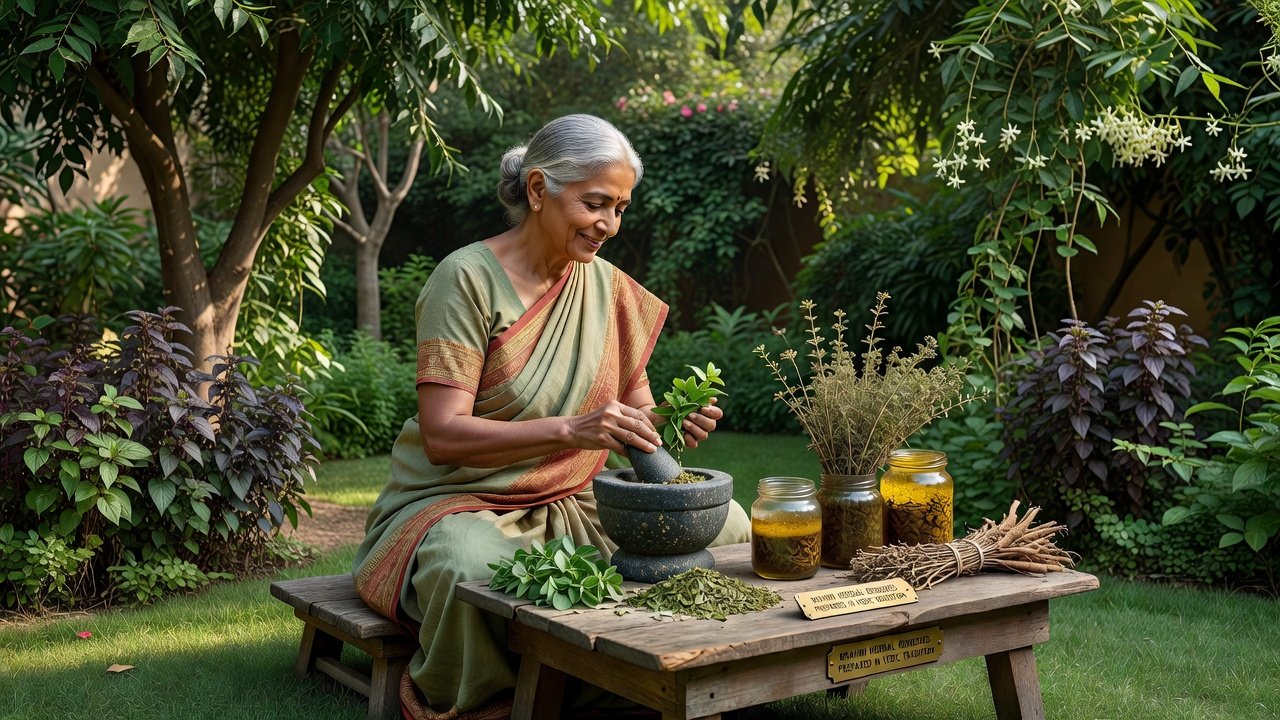
Brahmi (Bacopa monnieri) stands out for its ability to enhance memory consolidation and reduce cortisol levels. Traditionally harvested in wetland areas of India, it is consumed as a powder mixed in warm water or ghee. Shankhpushpi (Convolvulus pluricaulis) complements it by calming the nervous system and improving focus during study or work. Both herbs are often paired in formulations and taken for several weeks to notice cumulative benefits. Additional supportive botanicals like Ashwagandha may be added for stress resilience, though the core Vedic emphasis remains on Brahmi and Shankhpushpi. Always source organic, tested products from reputable suppliers.
Dosha-Specific Recommendations
Personalization is essential. Vata types benefit from warm, grounding preparations such as Brahmi tea with a pinch of ginger and daily sesame oil scalp massages. Pitta individuals thrive on cooling Shankhpushpi infusions combined with coconut oil applications to prevent overheating. Kapha constitutions respond well to stimulating additions like black pepper alongside the herbs to counter lethargy. Real-world adjustments often involve seasonal tweaks, such as lighter routines in summer for Pitta dominance. Consulting a qualified Ayurvedic practitioner ensures accurate dosha assessment through pulse reading and lifestyle analysis.
Daily Routines for Mental Clarity
A structured Dinacharya forms the foundation. Begin at sunrise with tongue scraping and oil pulling using sesame oil for five minutes. Follow with 15 minutes of alternate-nostril breathing to balance hemispheres. Mid-morning includes a light walk and herbal tea. Afternoon meals should be sattvic and moderate. Evening wind-down features gentle stretching, journaling gratitudes, and a warm milk drink infused with a pinch of nutmeg. Indian practitioners report that patients adhering to this rhythm experience steadier focus within three to four weeks.
Yoga Poses and Practices
Targeted asanas increase cerebral blood flow and calm the mind. Sarvangasana (shoulder stand) inverts the body to nourish the brain; hold for 30-60 seconds with proper support. Padmasana (lotus pose) encourages seated meditation. Additional poses include Balasana (child’s pose) for Vata grounding, Bhujangasana (cobra) for Pitta cooling, and Trikonasana (triangle) for Kapha stimulation. Practice a 20-30 minute sequence daily, ideally outdoors at dawn. Combine with pranayama like Kapalbhati for enhanced oxygenation. 
Dietary Tips for Brain Health
Nutrition directly fuels cognition. Prioritize almonds soaked overnight, walnuts, fresh ghee, leafy greens, and seasonal fruits like pomegranate. Avoid heavy, processed, or overly cold foods that dampen Agni. Sample daily meals: breakfast of warm oatmeal with Brahmi powder; lunch featuring quinoa, steamed vegetables, and turmeric; dinner of light lentil soup with cumin. Hydration with herbal teas throughout the day supports detoxification. Practitioners in southern India often recommend adding saffron to milk for its subtle memory-enhancing properties.
Step-by-Step Implementation Guide
Follow this progressive plan for sustainable results. First, determine your dosha through self-assessment or professional consultation. Second, introduce one herb at a time—start with 300-500 mg Brahmi daily after meals. Third, layer in morning yoga and breathing exercises. Fourth, refine meals by replacing one processed item weekly with whole foods. Fifth, track progress in a journal noting recall, mood, and energy. Adjust every two weeks based on observations. Many beginners find joining a local wellness group accelerates consistency.
Real-World Examples from Indian Practitioners
In Varanasi, a Sanskrit teacher incorporated Shankhpushpi into his students’ routines and observed improved verse memorization within six weeks. A Mumbai-based Ayurvedic clinic documented cases of working professionals regaining mental sharpness after adopting dosha-tailored Brahmi regimens alongside evening yoga. In Kerala retreats, elderly participants reported better family-name recall after three months of consistent daily routines. These examples illustrate that results compound when herbs, movement, and diet align.
Comparison: Ayurvedic versus Conventional Approaches
Ayurveda excels in addressing underlying imbalances and offering preventive care with minimal adverse effects, fostering overall vitality. Conventional nootropics may deliver faster short-term focus yet often overlook root causes and carry risks of dependency. Many individuals now integrate both under medical supervision for hybrid benefits. Authoritative guidance is available from organizations such as WHO on traditional medicine systems and NIH for evidence-based research summaries. Mayo Clinic also provides balanced overviews of complementary therapies.
Overcoming Common Challenges
Consistency can waver due to busy schedules; solutions include prepping herbal teas in batches and using phone reminders for yoga. Initial digestive adjustments to new herbs are normal and usually subside within days. Seasonal travel may require portable powder forms rather than fresh preparations. Patience is key—noticeable memory gains typically emerge after four to eight weeks of steady practice.
Conclusion
Embracing these Vedic principles equips individuals with sustainable tools for sharper memory and clearer thinking. Start small, stay consistent, and consult experts to personalize the journey toward lasting cognitive wellness.
FAQ
Are these treatments safe for everyone? Most healthy adults tolerate them well when properly sourced, but pregnant individuals or those on medications should seek professional advice first.
How soon can results appear? Many notice subtle improvements in focus within four weeks, with more pronounced memory benefits by eight weeks of regular use.
Can I combine Ayurveda with prescription medications? Yes, but always coordinate with both your Ayurvedic practitioner and physician to avoid interactions.
Where can authentic herbs be obtained? Look for certified organic suppliers in India or reputable international brands that test for purity.
Is yoga mandatory or can other exercise suffice? Yoga is highly recommended for its mind-body synergy, yet brisk walking or swimming can complement the regimen effectively.


No comments yet. Be the first!