 Veda Tour

Introduction to Ayurvedic Oral Health in Modern India
Ayurveda, India's ancient system of holistic healing, offers time-tested approaches to maintaining strong teeth and healthy gums. Rooted in Vedic traditions dating back thousands of years, these methods focus on balancing the body's doshas—Vata, Pitta, and Kapha—to prevent dental issues naturally. In 2026, many Indians and wellness seekers worldwide are turning to these practices as alternatives or complements to conventional dentistry for long-term oral wellness. The search for natural solutions has grown as people seek sustainable ways to address gum inflammation, tooth sensitivity, and plaque without relying solely on chemical-laden products.
Unlike quick-fix solutions, Ayurvedic oral care emphasizes prevention through daily routines, herbal applications, and dietary adjustments. This comprehensive guide explores dosha-specific causes, key herbs such as neem and clove, oil pulling techniques, and actionable steps readers can implement immediately. Real-world examples from practitioners illustrate how these methods deliver results over time.
Understanding Dosha-Specific Causes of Dental Issues
According to Ayurveda, oral health imbalances stem from dosha aggravations. Vata types often experience dry mouth, receding gums, and sensitivity due to excess air element, which can worsen in cold or windy seasons. Pitta individuals may suffer from bleeding gums, inflammation, or bad breath linked to excess heat and acidity in the body. Kapha constitutions face plaque buildup, cavities, and tooth decay from excess earth and water qualities that promote stagnation.
Practitioners assess tongue coating, gum color, and saliva consistency during consultations to identify the dominant dosha. For instance, a Vata-dominant person might notice cracked lips alongside loose teeth, while a Pitta type could have red, swollen gums. Addressing the root cause rather than symptoms leads to sustainable results, often requiring lifestyle tweaks alongside herbal remedies.
Key Ayurvedic Herbs for Teeth and Gums
Neem stands out as a powerful antimicrobial herb that combats bacteria responsible for plaque and gingivitis. Its bitter compounds help purify the blood and reduce oral infections. Clove provides analgesic relief for toothaches and strengthens enamel with its eugenol content. Other beneficial herbs include licorice root for soothing irritated gums, turmeric for its anti-inflammatory properties, and triphala for gentle detoxification of the oral cavity. Amla powder adds vitamin C to support collagen in gum tissues.
Users typically prepare herbal tooth powders by grinding these ingredients or use ready-made pastes. Regular application twice daily yields noticeable improvements in gum firmness within weeks. For example, mixing neem powder with a pinch of salt creates a simple scrub that freshens breath and reduces tartar formation over consistent use.
Oil Pulling Techniques for Daily Detoxification
Oil pulling, known as Kavala or Gandusha in Ayurveda, involves swishing sesame or coconut oil in the mouth for 10-20 minutes each morning. This practice draws out toxins, reduces harmful bacteria, and promotes saliva production for natural remineralization. Sesame oil suits Vata and Kapha types best, while coconut oil cools Pitta imbalances effectively.
Step-by-step guide:
- Take one tablespoon of organic sesame or coconut oil.
- Swish gently between teeth and around gums without swallowing.
- Continue for 10-20 minutes until the oil thins and turns milky.
- Spit out the oil into a trash bin to avoid sink clogs.
- Rinse with warm water and follow with tongue scraping.
Consistency is key; many report fresher breath and reduced sensitivity after 30 days. Variations include adding a drop of clove essential oil for extra pain relief in acute cases. 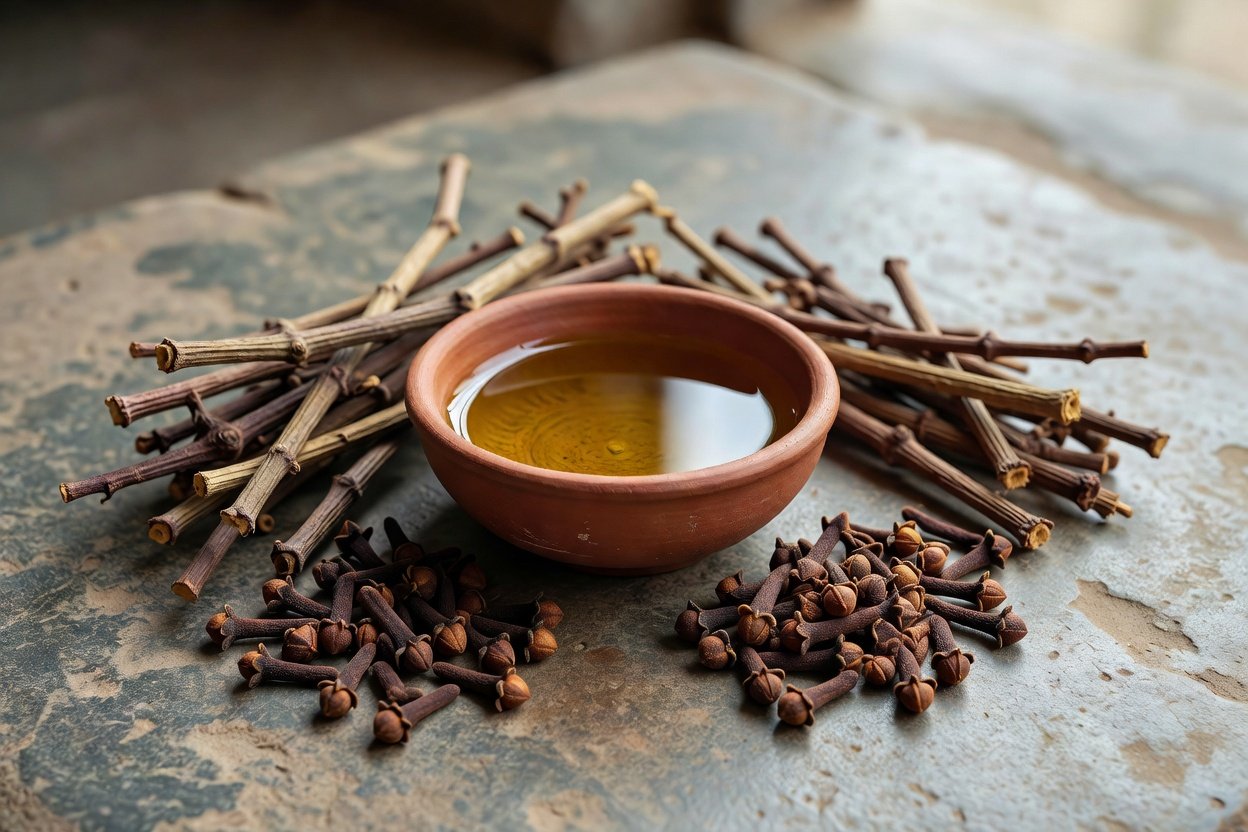
Daily Routines and Dinacharya for Oral Care
Incorporate tongue scraping with a copper scraper upon waking to remove overnight toxins that contribute to bad breath. Follow with herbal mouth rinses using warm water infused with mint or fennel seeds. Massage gums with sesame oil before bed to nourish tissues and improve circulation. These rituals align with natural circadian rhythms and support overall dosha balance when performed at consistent times, such as early morning and evening.
A full oral dinacharya might look like this: wake at dawn, scrape tongue, oil pull, brush with herbal powder, then eat a dosha-balancing breakfast. Evening routines focus on gentle flossing with neem twigs and oil massage to prepare for restful sleep.
Dietary Advice for Strong Teeth and Gums
Ayurvedic diet recommendations emphasize foods that pacify specific doshas while supporting oral tissues. Include plenty of leafy greens, sesame seeds, almonds, and dairy for calcium and healthy fats. Avoid excessive sweets, processed foods, and cold drinks that aggravate Vata or Kapha. Pitta types benefit from cooling foods like cucumber and coconut water.
Seasonal eating, such as incorporating cooling foods in summer for Pitta balance, further protects dental health. Practical tips include chewing sesame seeds after meals to strengthen teeth and sipping warm herbal teas with licorice to soothe the throat and gums.
Comparisons to Conventional Dentistry and Scientific Backing
While modern dentistry excels in emergencies like extractions or fillings, Ayurveda provides preventive care with fewer side effects. Many combine both approaches: using Ayurvedic routines daily and visiting dentists for checkups. Research from sources like National Center for Biotechnology Information highlights herbal efficacy in reducing oral pathogens. The World Health Organization recognizes traditional medicine systems in its global health strategies, and India's AYUSH ministry promotes Ayurvedic practices at official government resources.
Common Mistakes to Avoid
Beginners often overdo oil pulling, leading to jaw fatigue—start with five minutes and build up. Another error is using low-quality herbs; always source organic products. Skipping tongue scraping reduces effectiveness, as it leaves bacterial buildup. Ignoring dietary triggers like excessive spicy foods can counteract herbal benefits for Pitta types.
Practical Steps and Practitioner Case Examples
Start small: replace commercial toothpaste with neem-based alternatives for one month. Track progress by noting gum bleeding or sensitivity levels weekly. A Delhi-based Ayurvedic dentist shared a case where a Pitta-dominant patient resolved chronic gingivitis through oil pulling and dietary shifts within six weeks, with reduced inflammation confirmed at follow-up. Another example from Kerala involved a Vata client who strengthened loose teeth using clove oil massages and warm oil pulling, regaining stability over two months of consistent practice. These stories demonstrate measurable improvements when routines are tailored.
Frequently Asked Questions
- How long until results appear? Most notice changes in 2-4 weeks with daily practice, though full gum regeneration may take 3-6 months.
- Is it safe for children? Yes, with diluted herbs and adult supervision; start with shorter oil pulling sessions.
- Can it replace dental visits? It complements but does not replace professional care for acute issues like abscesses or advanced decay.
- What if I have existing fillings? Oil pulling remains safe and may help maintain surrounding gum health without affecting restorations.
- Are there any side effects? Rare mild jaw soreness initially; discontinue if irritation persists and consult a practitioner.
Conclusion
Ayurvedic oral health practices offer a holistic path to vibrant teeth and gums by addressing underlying dosha imbalances. By integrating herbs like neem and clove, oil pulling, mindful eating, and daily routines, individuals in India and beyond can achieve lasting wellness in 2026 and future years. Consistency and personalization based on one's constitution unlock the full potential of these Vedic traditions.

No comments yet. Be the first!