 Veda Tour

Introduction to Rasayana Therapies for Longevity
Ayurveda, the ancient Indian system of medicine, emphasizes longevity through Rasayana therapies that rejuvenate the body and mind. Rooted in Vedic healing principles, these treatments focus on balancing doshas to promote vitality and slow aging. In 2026, practitioners across India blend traditional methods with modern adaptations to address contemporary lifestyles, offering holistic anti-aging solutions beyond standard wellness practices. Readers seeking evidence-based longevity strategies will find practical guidance here, including specific herbs, dietary protocols, and routines drawn from authentic sources. The search intent for comprehensive anti-aging approaches drives the need for depth beyond superficial tips, addressing how these therapies support cellular health and overall resilience over time.
Understanding Rasayana: The Science of Rejuvenation
Rasayana involves specialized therapies that nourish tissues, enhance immunity, and support cellular regeneration. According to Ayurvedic texts, these practices target the seven dhatus (tissues) to maintain youthfulness. Modern research supports aspects of this, such as antioxidant effects from key botanicals. Traditional Rasayana emphasizes seasonal cleanses and herbal formulations, while contemporary versions incorporate lab-tested extracts for consistency. This science of rejuvenation extends to mental clarity and emotional balance, helping individuals manage stress that accelerates aging. By integrating these principles, one can achieve sustained energy levels and improved metabolic function, making it a cornerstone for those pursuing natural longevity solutions.
Key Herbs for Vitality: Amla and Shilajit
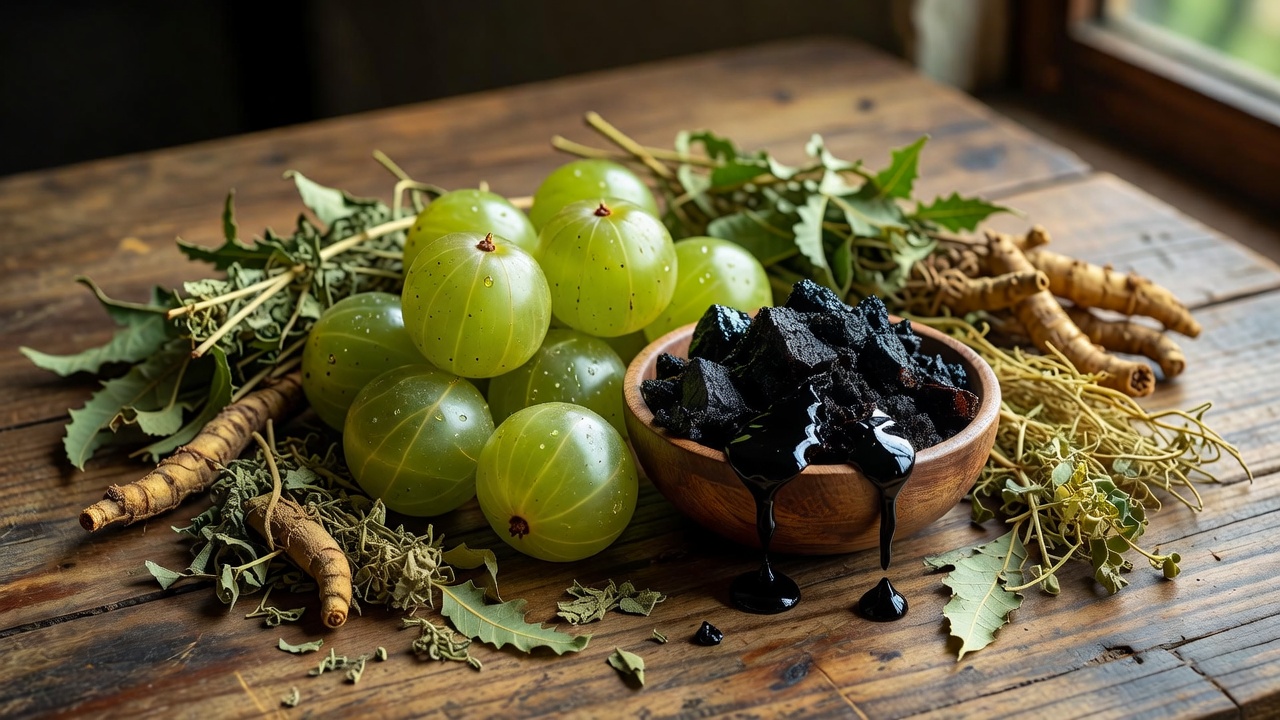
Amla, or Indian gooseberry, is prized for its high vitamin C content and ability to support collagen production. Shilajit, a mineral-rich resin from Himalayan rocks, aids energy metabolism and cognitive function. Both are staples in longevity protocols at Indian wellness centers. Amla can be consumed as fresh fruit, powder, or in decoctions to combat oxidative stress, while shilajit supports mitochondrial health for better stamina. Practitioners recommend combining them in formulations tailored to individual needs, often under guidance from certified Ayurvedic physicians. Additional supporting herbs like ashwagandha and brahmi complement these by reducing cortisol and enhancing focus, creating a synergistic effect for anti-aging.
Dosha-Specific Diets for Sustained Health
Ayurveda classifies individuals by Vata, Pitta, or Kapha doshas, each requiring unique nutritional approaches. Vata types benefit from warm, grounding foods; Pitta from cooling, sweet options; and Kapha from light, stimulating meals. These diets integrate with seasonal adjustments to optimize longevity outcomes. For example, incorporating six tastes in every meal helps maintain equilibrium. A scannable list of sample daily meals includes:
- Vata: Warm oatmeal with almonds and cardamom for breakfast, lentil soup with ghee for lunch.
- Pitta: Cucumber raita, coconut-based curries, and sweet mango for dessert.
- Kapha: Spiced vegetable stir-fries with minimal oil and herbal teas.
Tracking responses to foods allows personalization, preventing common pitfalls like overeating heavy items that disrupt digestion.
Daily Routines Rooted in Vedic Healing
Dinacharya, or daily regimen, forms the foundation of Vedic longevity practices. This includes oil pulling, tongue scraping, and Abhyanga self-massage with herbal oils. Beginners can start with a simple morning sequence: wake before sunrise, hydrate with warm water, and practice gentle yoga. Consistency yields noticeable improvements in energy and skin health over months. Evening wind-down rituals such as meditation and herbal teas further support restorative sleep, crucial for hormonal balance and tissue repair. Avoiding screen time after sunset aligns with natural circadian rhythms emphasized in Vedic texts.
Traditional Practices vs Modern Adaptations
Classical Ayurvedic treatments rely on panchakarma detox and personalized herbal preparations. Modern adaptations at Indian retreats incorporate diagnostic tools like pulse analysis with digital tracking apps for better monitoring. While tradition prioritizes holistic lifestyle shifts, contemporary versions often add evidence-based supplements for faster results, though both stress prevention over cure. Comparisons reveal that traditional approaches may take longer but foster deeper systemic changes, whereas modern ones offer convenience for urban professionals. World Health Organization recognizes traditional medicine's role in global health strategies, supporting integration efforts seen in 2026 Indian clinics.
Step-by-Step Protocols for Beginners
1. Consult an Ayurvedic practitioner for dosha assessment and baseline health review.
2. Adopt a dosha-aligned diet for 30 days while journaling symptoms.
3. Introduce Rasayana herbs gradually, starting with amla tea and progressing to shilajit under supervision.
4. Establish Dinacharya with 20-minute morning routines including oil massage.
5. Track progress through energy levels, sleep quality, and skin elasticity monthly.
6. Incorporate weekly yoga sessions focused on inversions for circulation.
7. Review and adjust protocols every 45 days with professional input to avoid plateaus.
Real-life examples from Kerala-based practitioners show clients experiencing enhanced vitality after 90 days of adherence, with one 58-year-old reporting better joint mobility and mental sharpness.
Real-Life Examples from Indian Practitioners
At renowned centers in Rishikesh and Coimbatore, experts like those following Charaka Samhita guidelines report success with elderly patients regaining mobility through combined Rasayana and yoga. One case involved a 65-year-old using shilajit protocols to improve joint function naturally. Another practitioner in Goa documented a group of 40 participants who followed dosha diets and daily routines, noting reduced inflammation markers after six months. These examples highlight the adaptability of Vedic healing across age groups and regions in India.
Mistakes to Avoid in Longevity Protocols
Common errors include self-prescribing herbs without dosha evaluation, leading to imbalances, or neglecting consistency in routines. Overlooking hydration or seasonal food changes can diminish benefits. Beginners should avoid rushing intensive panchakarma without preparation, as it may cause temporary discomfort. Consulting experts prevents these issues and ensures safe, effective progress toward longevity goals.
Conclusion
Vedic healing offers profound tools for longevity when integrated thoughtfully. By combining Rasayana therapies with mindful daily practices, individuals can achieve lasting vitality rooted in India's rich Ayurvedic heritage. Continued exploration through qualified guidance maximizes these time-tested methods.
FAQ
Is Rasayana therapy safe for everyone? Yes, when supervised by qualified practitioners, though pregnant individuals should consult specialists first.
How long until results appear? Initial benefits like improved digestion often emerge within 2-4 weeks, with deeper rejuvenation taking 3-6 months.
Can these routines integrate with other treatments? Absolutely, many combine them with conventional care under medical supervision for optimal synergy. Ministry of AYUSH provides resources on safe integration practices.
What if I have a chronic condition? Tailored modifications are possible; always begin with a full health assessment to customize approaches effectively.


No comments yet. Be the first!