 Veda Tour
Introduction to Ayurvedic Eye Care in Modern India
Ayurveda, the ancient Indian system of holistic healing, offers time-tested approaches to maintaining and restoring vision. In 2026, as digital eye strain rises due to increased screen time, many in India and beyond are turning to Vedic principles for natural solutions. This guide covers beginner-friendly methods for addressing common issues like dryness, fatigue, and early cataracts through dosha analysis, therapies, routines, and lifestyle changes. The search intent behind this topic focuses on practical home remedies, comparisons with modern optometry, and safe integration of Vedic healing into daily life.
Ayurveda views the eyes as a vital seat of pitta dosha, influenced by the elements of fire and water. Imbalances here can manifest as blurred vision or irritation. Integrating these practices with modern awareness provides a balanced path forward, supported by centuries of observation and growing contemporary interest in preventive care.
Understanding Dosha Imbalances Affecting Eyesight
In Ayurveda, vision problems often stem from vata, pitta, or kapha disruptions. Vata imbalance may cause dryness, floaters, and sensitivity to light, often triggered by irregular sleep or excessive travel. Pitta excess leads to redness, inflammation, burning sensations, and photophobia, commonly seen in high-stress professionals or those exposed to harsh sunlight. Kapha imbalance contributes to heaviness, watering eyes, and early lens opacity resembling cataracts, frequently linked to sedentary habits and heavy diets.
A qualified Ayurvedic practitioner assesses your prakriti (constitution) via pulse diagnosis and lifestyle review to tailor remedies. Daily stressors like prolonged computer use aggravate pitta, accelerating strain. Seasonal factors in India, such as dry summers or humid monsoons, further challenge eye health. Recognizing these patterns early helps prevent escalation into chronic conditions. For instance, a vata-dominant person working night shifts might experience rapid dryness, while a pitta type in a hot climate could develop recurrent redness within weeks.
Key Ayurvedic Therapies for Vision Issues
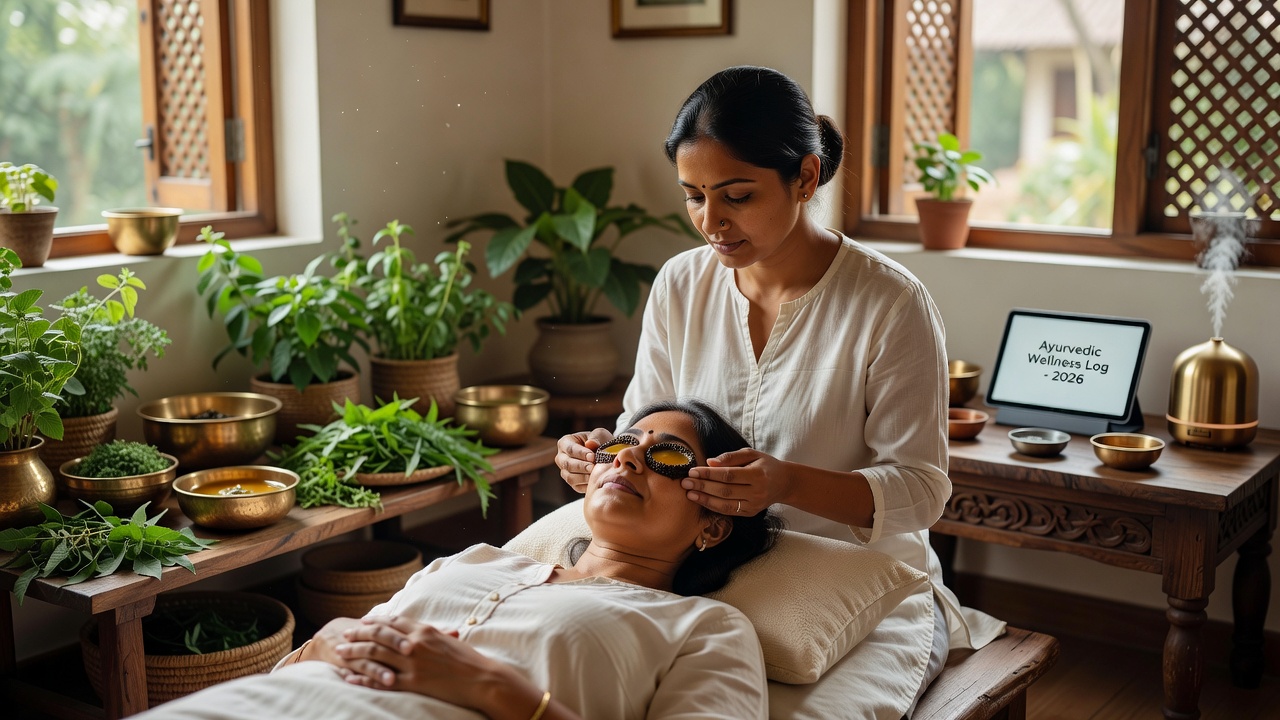
Several core treatments stand out for their efficacy. Netra tarpana involves pooling medicated ghee around the eyes in a dough dam, nourishing tissues and reducing dryness. Sessions typically last 20-30 minutes over 7-14 days under supervision. Herbal eye washes use decoctions of triphala or rose water for cleansing. Triphala applications, often as churna mixed with honey, support detoxification and clarity when taken internally or applied externally under guidance.
Step-by-step for a simple triphala eye rinse at home: Boil one teaspoon of organic triphala powder in two cups of water for five minutes, strain thoroughly through a fine cloth to remove particles, cool to body temperature, and gently splash or use an eye cup for 30 seconds per eye. Repeat twice daily after consulting an expert. Another therapy, netra dhara, uses a continuous stream of herbal liquid over the eyes for deeper cleansing in cases of stubborn strain.
Practical application requires hygiene: Always use fresh preparations, avoid sharing eye cups, and discontinue if irritation occurs. These methods target root causes rather than symptoms alone.

Daily Routines and Dietary Recommendations
Incorporate eye-friendly habits like palming—rubbing hands warm and placing over closed eyes for five minutes—to relax muscles. Follow with trataka, gazing at a flame or point without blinking to build focus and concentration. A full morning routine might include waking before sunrise, gentle eye massage with castor oil, and avoiding immediate screen exposure.
Diet plays a central role. Emphasize cooling foods such as ghee, almonds soaked overnight, leafy greens, cucumber, and amla for vitamin C. Sample daily meal plan: Breakfast of soaked almonds and fennel tea; lunch with steamed greens and whole grains; dinner of light soups. Avoid excessive spicy, fried items that aggravate pitta. Hydration with herbal teas like coriander or rose supports moisture balance. Track progress by noting reduced strain after consistent adherence for two weeks.
Yoga Eye Exercises and Integration with Modern Care
Yoga complements Ayurveda beautifully. Simple exercises include rotating eyes clockwise and counterclockwise 10 times, or focusing near and far alternately for 10 repetitions. Additional moves like vertical and horizontal scanning or figure-eight tracing improve circulation and reduce fatigue when practiced morning and evening for 10-15 minutes.
Compared to modern optometry, which excels in corrective lenses and surgeries, Vedic healing emphasizes prevention and root causes. Many combine both, using Ayurveda for maintenance alongside annual check-ups. The World Health Organization recognizes traditional medicine's value in eye health strategies, while the Ministry of AYUSH promotes standardized Ayurvedic protocols. Optometrists may recommend these as adjuncts for patients seeking natural support.
Mistakes to Avoid in Ayurvedic Eye Care
- Skipping professional consultation before starting intensive therapies like netra tarpana.
- Using unstrained herbal mixtures that introduce particles into the eyes.
- Ignoring dosha-specific needs and applying generic remedies.
- Overlooking hygiene, leading to infections during home washes.
- Expecting instant results without consistent lifestyle changes.
Real-User Case Examples
Consider Priya, a 35-year-old software engineer from Bangalore experiencing chronic dryness. After three weeks of netra tarpana and triphala intake with dietary tweaks, she reported 70% improvement in comfort and could work longer without breaks. Another case involved Ramesh, 52, managing early cataracts via consistent herbal washes and yoga, noting stabilized vision over six months per follow-up assessments. A third example is Anjali, a college student with pitta-related strain from exams, who found relief through daily palming and amla intake within 10 days. These examples highlight personalized application; results vary by adherence and individual constitution.
FAQs on Safety, Timelines, and Expectations
- Is it safe for beginners? Yes, when guided by certified practitioners; start with simple rinses and avoid self-medicating complex therapies.
- How long for results? Noticeable relief from strain often appears in 2-4 weeks; deeper issues like cataracts may take 3-6 months of consistent practice.
- Can it replace glasses? Ayurveda supports overall health but works best alongside optometric care for refractive errors.
- Any contraindications? Pregnant individuals or those with acute infections should seek professional advice first.
- Are home remedies enough? They provide support but severe cases benefit from clinic-based therapies combined with modern diagnostics.
Conclusion
Ayurvedic eye care provides accessible, natural tools for vision wellness rooted in India's Vedic heritage. By addressing doshas, embracing therapies like netra tarpana, and blending yoga with diet, individuals can achieve sustainable improvements. Consult qualified experts and integrate responsibly with contemporary healthcare for optimal outcomes in 2026 and beyond. For further reading, explore resources from the Mayo Clinic on eye health integration.

No comments yet. Be the first!