 Veda Tour
Introduction to Ayurvedic Asthma Management
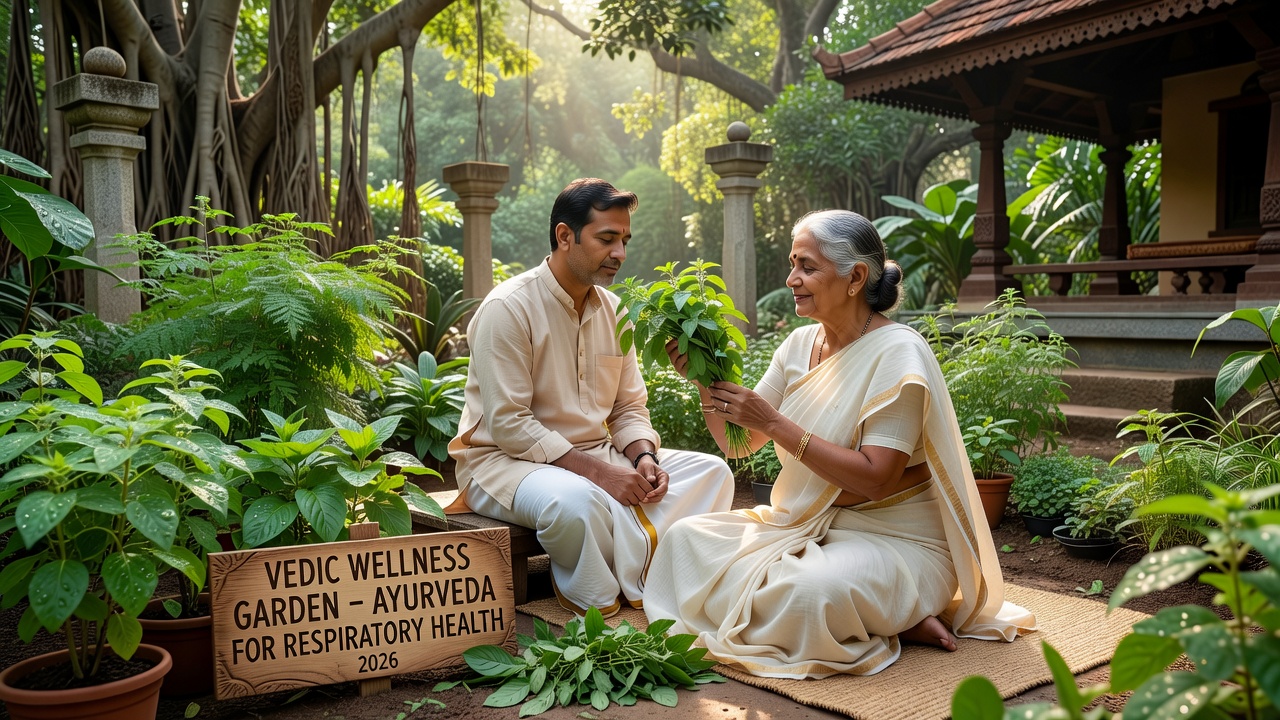
Asthma affects millions worldwide, causing breathing difficulties due to inflamed airways. In 2026, many seek holistic alternatives like Ayurvedic treatment for asthma rooted in India's ancient Vedic healing traditions. This approach focuses on restoring balance rather than just symptom suppression. Ayurveda views asthma as a result of dosha imbalances, primarily excess Kapha and Vata, leading to mucus buildup and irregular breathing. Patients often turn to these methods after experiencing limitations with standard inhalers or steroids, seeking long-term wellness instead of temporary fixes. Vedic healing integrates herbs, diet, lifestyle modifications, and therapies passed down through generations in Indian ashrams and clinics. This guide provides in-depth exploration for those interested in natural management strategies.
Unlike conventional methods, Vedic healing emphasizes personalized care through herbs, diet, and lifestyle. Beginners can start with simple steps for noticeable symptom relief within weeks, as seen in real-life cases from Indian wellness centers. The philosophy encourages listening to the body's signals and making gradual changes that address root causes like environmental triggers or stress.
Understanding Dosha Imbalances in Asthma
Ayurveda identifies three doshas: Vata, Pitta, and Kapha. Asthma often stems from aggravated Kapha causing congestion and Vata leading to dryness and spasms. Practitioners assess individual constitutions via pulse diagnosis and symptoms to create tailored plans. For example, a Kapha-dominant person may notice heavy phlegm and lethargy during attacks, while Vata types experience sudden, dry coughs worsened by cold weather or anxiety. Imbalances arise from poor digestion, seasonal changes, or lifestyle factors such as irregular sleep. Detailed consultations often involve examining tongue coating, skin texture, and emotional patterns to pinpoint the dominant dosha.
For Kapha-dominant asthma, expect heavy mucus; Vata types face erratic attacks. Balancing these through Vedic methods reduces triggers effectively. Advanced practitioners may recommend specific oil applications or mantra chanting to further stabilize energies, providing a comprehensive framework beyond basic symptom control.
Key Herbs: Tulsi and Pippali for Relief
Herbs form the core of treatment. Tulsi, or holy basil, acts as a bronchodilator and anti-inflammatory, easing airway constriction. Pippali enhances lung function and clears Kapha. Combine them in teas or powders for daily use. Additional supporting herbs like licorice root or ginger can be incorporated based on individual needs to amplify effects without overwhelming the system.
Practical step: Boil fresh tulsi leaves with pippali powder for 10 minutes and sip twice daily. Users report reduced wheezing after consistent use over a month. In one documented case from a Mumbai clinic, a patient combined this with honey for better taste and absorption, noting improved energy levels alongside breathing ease. Always source organic herbs from reputable Indian suppliers to ensure potency and avoid contaminants.
Personalized Diet Plans to Reduce Triggers
Diet plays a vital role. Favor warm, light foods like ginger soup and avoid dairy or cold items that increase Kapha. Seasonal adjustments include more spices in winter and cooling fruits in summer. A typical daily plan might start with warm water infused with cumin seeds upon waking, followed by meals rich in cooked vegetables and whole grains. Portion control and mindful eating are emphasized to support digestion, which Ayurveda links directly to respiratory health.
- Include: Honey, turmeric, and leafy greens.
- Avoid: Processed foods, excess sweets, and refrigerated drinks.
- Sample breakfast: Oatmeal with cinnamon and raisins.
- Lunch idea: Lentil stew with turmeric and black pepper.
- Dinner option: Light vegetable broth with ginger.
Example: A patient in Kerala switched to a Kapha-pacifying diet and experienced 50% fewer attacks. Another individual in Bangalore tracked food journals for three months, identifying and eliminating specific allergens that exacerbated symptoms during pollen season.
Daily Oil Therapies and Breathing Exercises
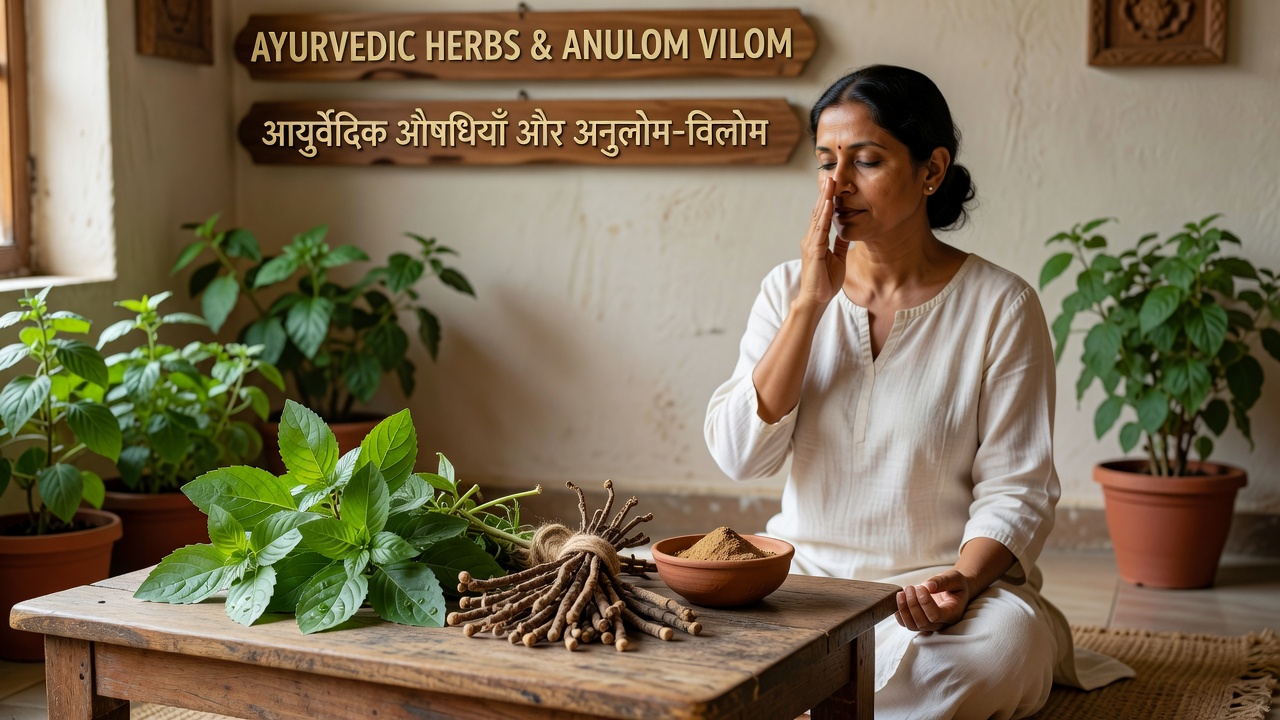
Oil massages with sesame oil before baths lubricate tissues and calm Vata. Follow with pranayama like Anulom Vilom for 15 minutes daily to strengthen lungs. Additional therapies include nasya (nasal oil drops) using medicated ghee to clear sinus passages and support overall respiratory function. These routines are best performed in the morning for sustained benefits throughout the day.
Steps for beginners: 1. Sit comfortably. 2. Inhale through left nostril. 3. Exhale through right. Repeat 10 cycles. Real examples show improved oxygen levels after two weeks. Expanding further, incorporate Kapalabhati for Kapha clearance or Bhramari for calming Vata-related anxiety that often accompanies asthma flares. Consistency yields cumulative results, with many reporting better sleep and reduced reliance on rescue medications over time.
Seasonal Adjustments and Trigger Management
Adjust routines per seasons—use warming spices in monsoon. Track triggers like pollen with Ayurvedic journaling. In summer, focus on hydration with coconut water and cooling herbs, while winter calls for heavier oils and indoor steam inhalations. Environmental modifications such as using air purifiers or avoiding outdoor activities during high pollution days complement these adjustments.
Comparison: Ayurveda vs Conventional Approaches
Conventional treatments like inhalers provide quick relief but may have side effects. Ayurveda offers sustainable management by addressing root causes. Many integrate both for optimal results, consulting doctors first. For authoritative insights, see World Health Organization on respiratory health and National Center for Complementary and Integrative Health on traditional systems. Long-term studies suggest combined approaches can lower exacerbation rates while minimizing pharmaceutical dependency.
Real-Life Examples of Symptom Relief
In Delhi clinics, a 35-year-old with chronic asthma reduced medication reliance after six months of Vedic protocols. Another case from Rajasthan involved seasonal diet tweaks eliminating nighttime symptoms. A third example from Pune featured a family adopting group pranayama sessions, resulting in collective improvement and better quality of life. These stories highlight how personalized application leads to transformative outcomes.
Practical Steps for Beginners
- Consult an Ayurvedic practitioner for dosha assessment.
- Incorporate daily herbs and pranayama.
- Monitor progress weekly with a symptom journal.
- Combine with modern care as needed under professional guidance.
- Attend a short wellness retreat in India for immersive learning.
- Build a support network of fellow practitioners for ongoing motivation.
Safety Considerations and Integration Challenges
While generally safe, Ayurveda requires qualified guidance to prevent interactions. Challenges include finding authentic practitioners abroad or adapting to new routines. Integration works best when patients communicate openly with both Ayurvedic and allopathic doctors, creating a coordinated care plan that respects individual preferences and medical history.
FAQs on Safety and Integration
Is Ayurveda safe? Yes, when guided by certified experts, with minimal risks compared to some pharmaceuticals.
Can it integrate with modern care? Absolutely—many use it alongside inhalers under supervision.
How long for results? Typically 4-8 weeks for initial improvements.
Are there any side effects? Rare, but mild digestive adjustments may occur initially.
What if symptoms worsen? Seek immediate medical attention and reassess the plan with your practitioner.
Conclusion
Vedic healing in India provides a comprehensive path for asthma management in 2026. By balancing doshas with herbs, diet, and exercises, individuals achieve lasting relief. Start today for better respiratory health and embrace the holistic wisdom that has supported generations.


No comments yet. Be the first!